Focus & Mental Clarity
Yoga for Focus When Your Mind Is Already Somewhere Else
You sit down to do something that actually matters. Ten minutes later you're checking your phone, or thinking about tomorrow, or replaying a conversation from yesterday. I don't think that's a discipline problem. It's just what an untrained mind does when nothing is asking it to be anywhere in particular.
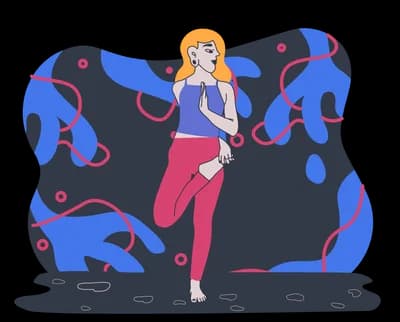
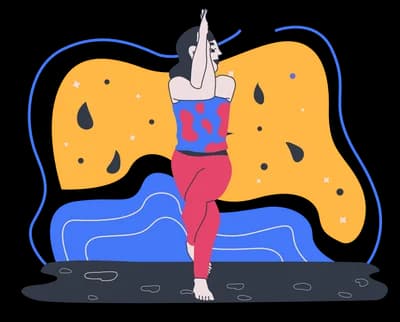
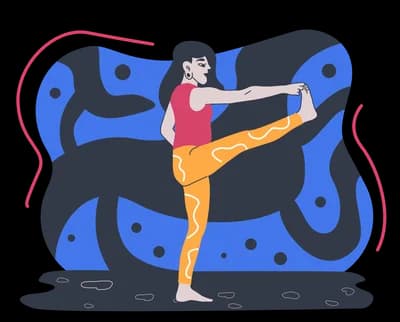
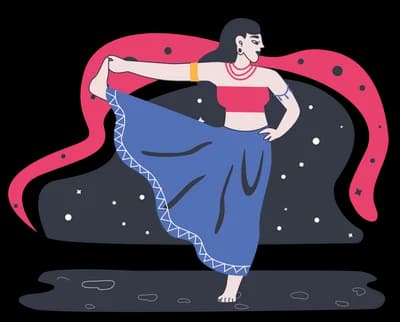
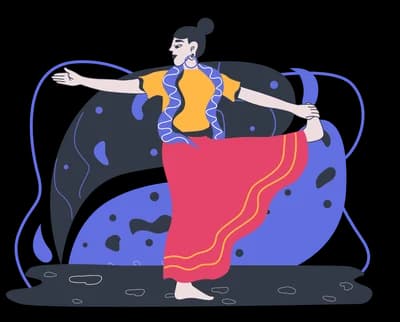
What I've noticed on the mat is that certain poses don't leave that option open. Stand on one leg with your eyes fixed on a point. If your mind goes to tomorrow's meeting, you fall. That's not a metaphor. It's just mechanics. It might also be the closest thing yoga offers to catching your own mind in the act.
In the old language this is Ajna, the point between the eyebrows. Traditionally, the seat of seeing clearly. You don't have to believe any of that for it to work. The balance either holds or it doesn't.
Who this guide is for
Signs this guide was written for you
The asanas
The yoga poses that matter for Focus & Mental Clarity
Balance Poses — Where the Mind Gets Caught

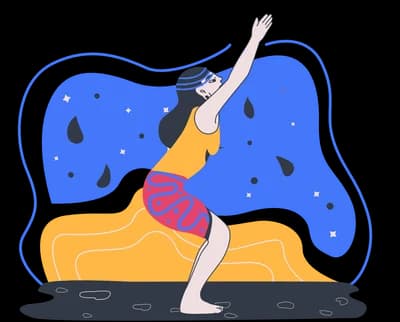
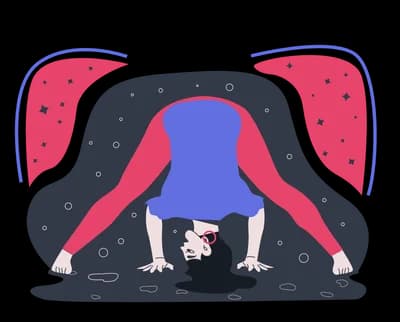
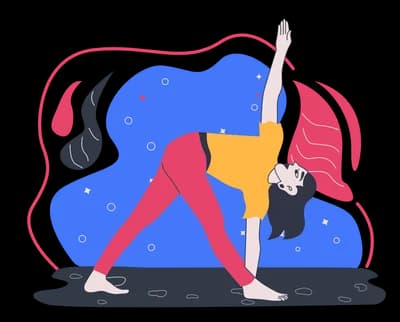
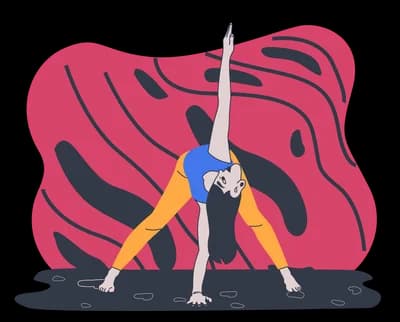
Standing Holds and Folds — Sustained Effort




Seated Stillness — No Excuse Left to Hide Behind



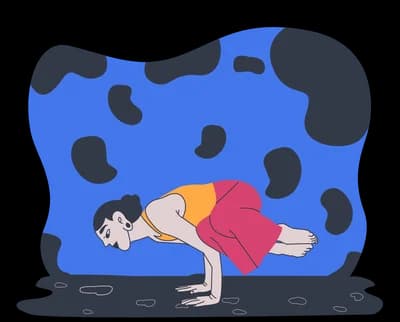
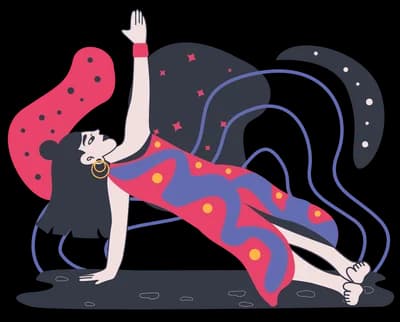
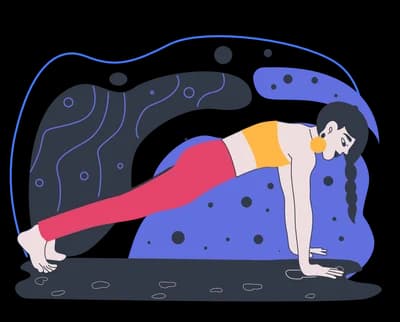
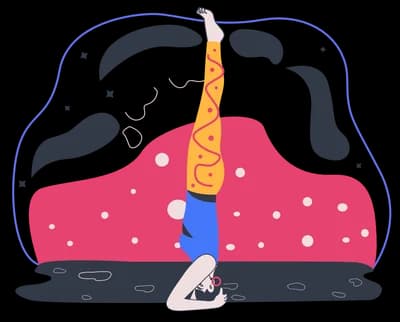
Arm Balances and Inversions — No Room Left to Think



Kneeling, Prone and Supine — Focus Without a Fight


A 20-Minute Focus Sequence
These aren't five random poses pulled from the list above. There's an arc to it: arrive, then build through balances that ask for more each time, meet something that's actually hard, and let it go before you stand back up.
- 1
 Easy Pose1 minute
Arrive. Don't skip this, starting scattered just makes everything after it harder.
- 2
 Tree Pose5 breaths each side
Build. The first real test of a fixed gaze, and it sets the tone for everything that follows.
- 4
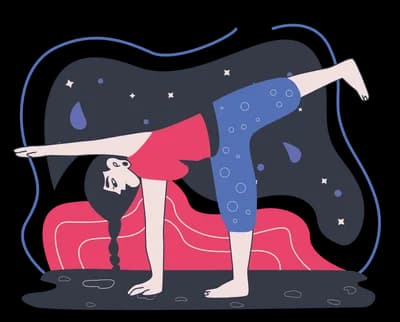
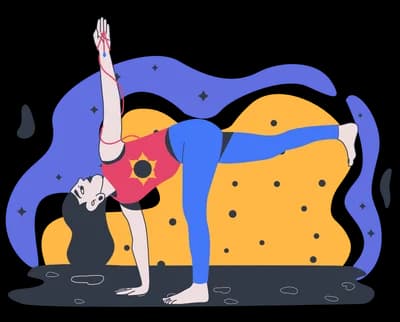
 Half Moon Pose6 breaths each side
Peak. The biggest ask on this page. Your gaze and your breath are the only things keeping you up.
- 5
 Standing Forward Bend1 minute
Release. The fold turns your attention inward, off any fixed point. This is where the coming down starts.
- 6
 Thunderbolt Pose2 minutes
Close. Nothing left to hold the focus up now. Whatever settled during the practice has to hold on its own.

The sequence gets harder to balance in, then takes the challenge away completely. Those last two poses are really asking one question: was the steadiness ever about the balance, or about what the balance was training underneath it?
For yoga teachers
Teaching a class for Focus & Mental Clarity
Build your own
Put together your own class for Focus & Mental Clarity
The sequence builder gives you all 108 asanas and lets you arrange them yourself. While you build, it watches the shape of the class: whether the intensity rises and falls the way a practice should, whether every strong pose gets its counterpose, and whether the order makes anatomical sense.
Save what you build, come back to it, and teach it. It is the fastest way to turn what you just read into a class of your own.