Self-Awareness & Reflection
Yoga for Self Awareness of What You Actually Do, Not What You Think You Do
Most people have a story about themselves that's a few years out of date, more patient than they actually are, less anxious than they actually get, better at listening than they actually manage. The gap between the story and the actual behaviour is usually invisible until something forces you to watch yourself closely.
A yoga mat is a strange but effective place to do that. Hold a demanding pose and you'll notice things about yourself that have nothing to do with flexibility, whether you rush toward the edge of discomfort or back off before you need to, whether you hold your breath under stress, whether you compare yourself to whoever's near you without meaning to.
This sits at Ajna, the third eye, the seat of inner seeing rather than outer perception. The point isn't to judge what you notice. It's just to actually notice it, which turns out to be harder than it sounds.
Who this guide is for
Signs this guide was written for you
The asanas
The yoga poses that matter for Self-Awareness & Reflection
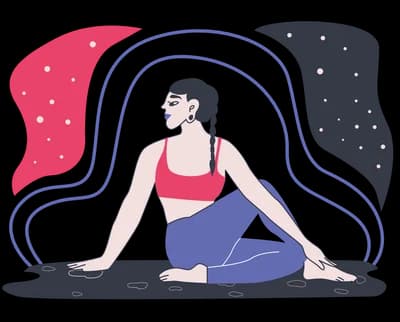
Seated Stillness — Where You Actually Notice Things





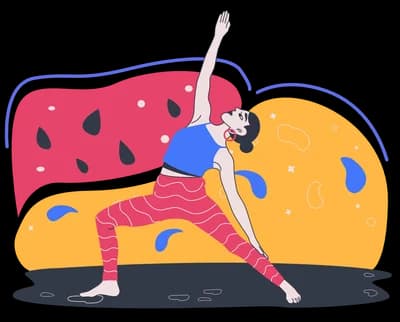
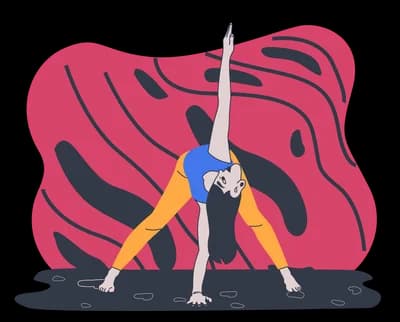
Standing — Watching Your Own Habits Show Up


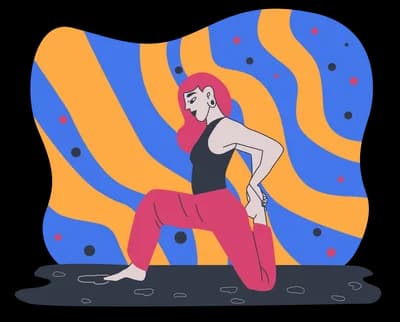
Kneeling — Slow Enough to Notice

Inversions — A Different Vantage Point
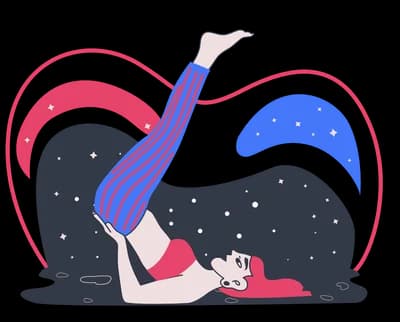


Lying Down — Nowhere Left to Perform
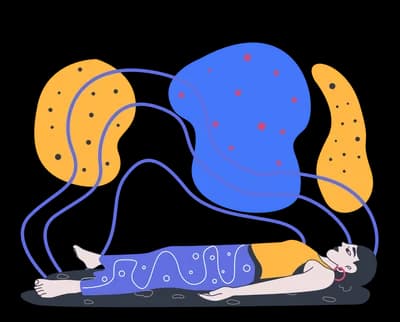

Arm Balances — What Shows Up Under Pressure


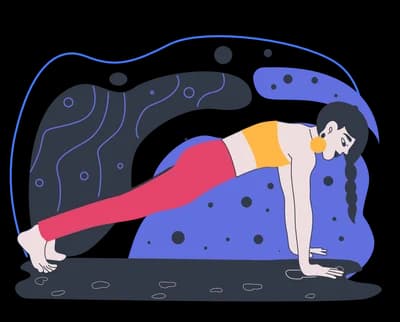
A 20-Minute Self-Awareness Sequence
Same idea as always. Not five random poses, there's a build to it: arrive, warm up while paying attention, meet something demanding enough to surface a real reaction, then rest long enough to notice what's left once the effort stops.
- 1
 Staff Pose1 minute
Arrive. Noticing whether the spine defaults to slumping the moment nothing's watching.
- 3
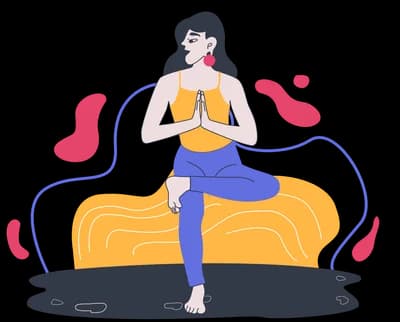
 Tree Pose B5 breaths each side
Build. Noticing what the mind does the instant something gets slightly harder.
- 4
 One-Legged King Pigeon B8 breaths each side
Peak. Meeting real intensity with curiosity instead of a rush to escape it.
- 5
 Seated Forward Bend2 minutes
Release. Noticing the urge to reach the feet rather than letting the fold happen.

Notice, across the practice, where your attention actually goes, to the sensation, to comparison, to impatience, to the story about how well or badly you're doing. That noticing is the actual practice here, more than any of the shapes themselves.
For yoga teachers
Teaching a class for Self-Awareness & Reflection
Build your own
Put together your own class for Self-Awareness & Reflection
The sequence builder gives you all 108 asanas and lets you arrange them yourself. While you build, it watches the shape of the class: whether the intensity rises and falls the way a practice should, whether every strong pose gets its counterpose, and whether the order makes anatomical sense.
Save what you build, come back to it, and teach it. It is the fastest way to turn what you just read into a class of your own.