Letting Go & Acceptance
Yoga for Letting Go of the Habit of Holding On
There's a specific kind of tension that comes from gripping something long after it's stopped helping, a grudge, a plan that didn't work out, a version of yourself you haven't quite updated. The body does something similar without being asked, jaw clenched, shoulders up near the ears, hands closed into loose fists for no clear reason.
A lot of these poses put you in a position where holding on is exactly the wrong strategy, deep hip openers where tensing makes the stretch worse, twists that only work if you stop bracing, and eventually a pose that asks for nothing but lying still and letting the floor hold you. The body learns the difference between holding and releasing faster than the mind usually does.
Physically this leans on Apana Vayu, the downward, eliminating current, and there's no coincidence that the deepest hip openers here sit close to Muladhara, the root, where a lot of that gripping seems to live.
Who this guide is for
Signs this guide was written for you
The asanas
The yoga poses that matter for Letting Go & Acceptance
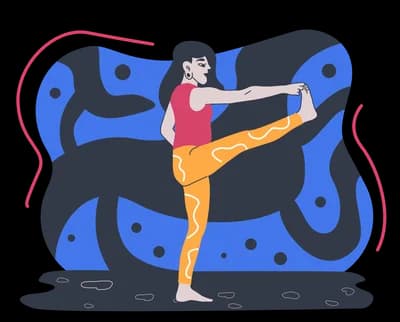
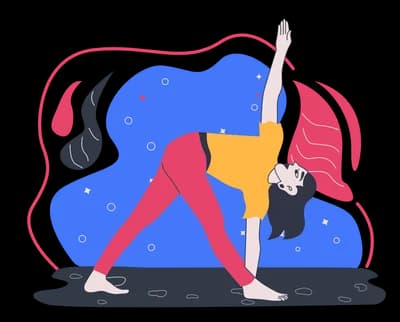
Standing — Holding On Under Effort

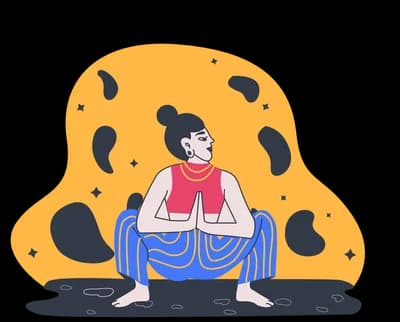

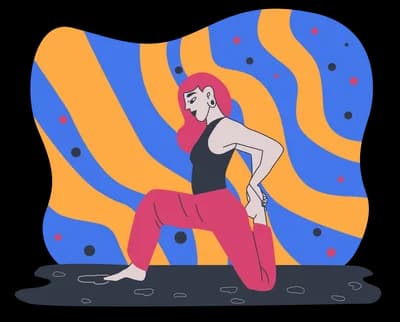
Kneeling — The Deep, Slow Releases
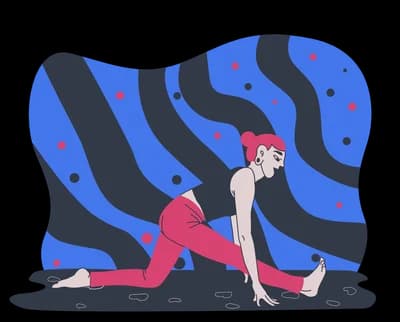


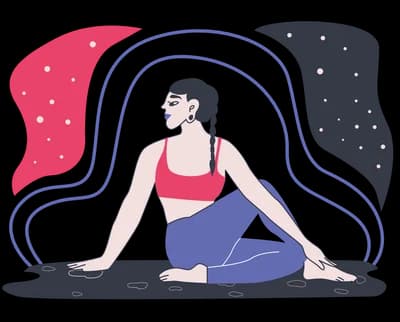
Seated — Twists and Stretches That Ask You to Stop Controlling



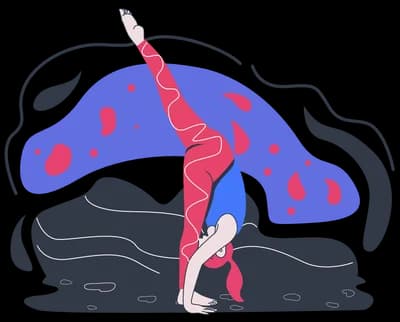
Inversions — Letting Go of the Usual Orientation



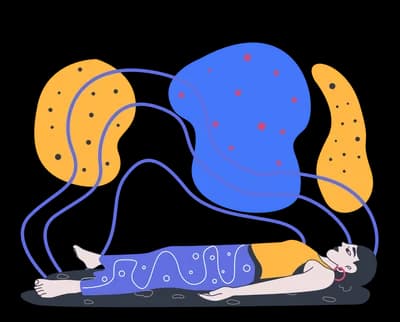
Lying Down — Where Letting Go Actually Happens



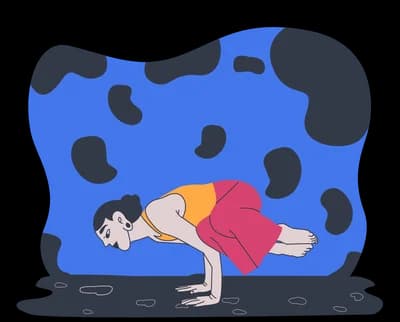
Arm Balances — A Different Kind of Grip to Release

A 20-Minute Letting-Go Sequence
Same idea as always. Not five random poses, there's a build to it: arrive, work through poses that ask you to stop bracing, meet the deepest hold of the practice, then finish lying completely still.
- 4
 One-Legged King Pigeon8 breaths each side
Peak. The deepest hold of the practice, and the one most worth breathing into rather than fighting.





The practice ends where it was always heading, lying flat, doing nothing. Everything before it is really just practice for that, learning what it feels like to stop gripping in smaller ways before being asked to do it completely.
For yoga teachers
Teaching a class for Letting Go & Acceptance
Build your own
Put together your own class for Letting Go & Acceptance
The sequence builder gives you all 108 asanas and lets you arrange them yourself. While you build, it watches the shape of the class: whether the intensity rises and falls the way a practice should, whether every strong pose gets its counterpose, and whether the order makes anatomical sense.
Save what you build, come back to it, and teach it. It is the fastest way to turn what you just read into a class of your own.