Skip to content
Asanaverse

Joint Mobility

Yoga for Joint Mobility and the Squeak Nobody Oils

A joint that moves through its full range regularly stays quiet. One that doesn't gets stiff, then a little painful, then avoided altogether, which makes it stiffer still. It's a slow spiral that mostly happens through neglect rather than injury, wrists that only ever type, hips that only ever sit, ankles that only ever walk on flat ground.

This page moves through several joints rather than deeply stretching one muscle group, wrists under weight, hips in rotation, the spine twisting. Joint mobility is less about length, that's flexibility's job, and more about the joint actually moving through its available range regularly, which keeps the synovial fluid inside it circulating and the cartilage fed.

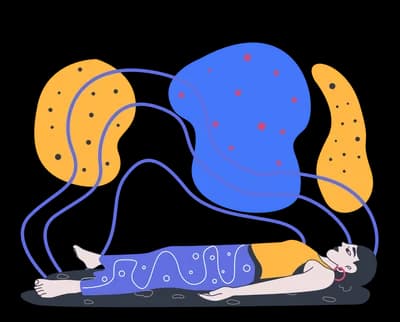
One pose here looks like it doesn't belong, lying flat, doing nothing. It's there because joints need a chance to register a new range without immediately tensing back up around it, and stillness is sometimes the last, necessary step in mobility work, not the opposite of it.

Who this guide is for

Signs this guide was written for you

Maybe it's wrists that ache after typing, or a knee that clicks going up stairs, or ankles that feel stiff first thing in the morning. Maybe it's just wanting to move the way a body that isn't stiff moves. Joints respond well to regular, gentle range-of-motion work, more so than to one big stretch held occasionally.

The asanas

The yoga poses that matter for Joint Mobility

Grouped by what each one asks the body to do. Tap any pose to see how it is done, what it works on and who should leave it out.

A 20-Minute Joint-Mobility Sequence

Same idea as always. Not five random poses, there's a build to it: arrive, move through several joints in turn, meet the most demanding load of the practice, then release into a gentle range and finish completely still.

  1. 1
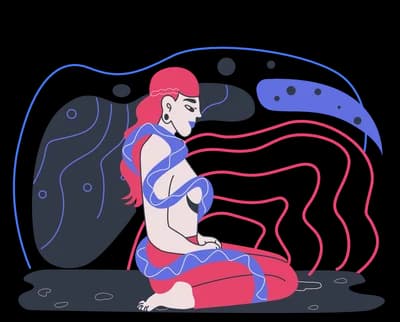
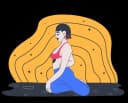
    Hero Pose1 minute

    Arrive. The ankles and knees moving into a range most days never ask for.

  2. 2
    Bharadvaja's Twist5 breaths each side

    Build. The small joints of the spine moving through rotation.

  3. 3
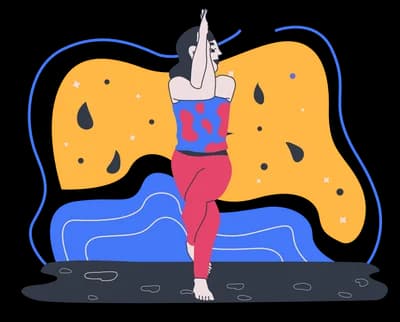
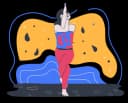
    Eagle Pose5 breaths each side

    Build. Ankle, knee and hip all working through a compressed range together.

  4. 4
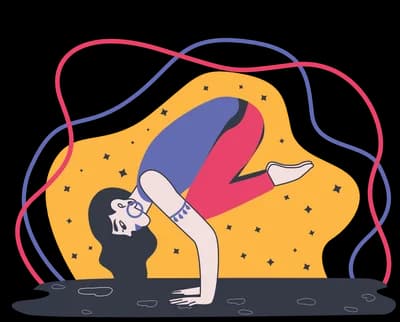
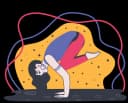
    Crow Pose5 breaths

    Peak. The wrists bearing real weight at an unfamiliar angle.

  5. 5

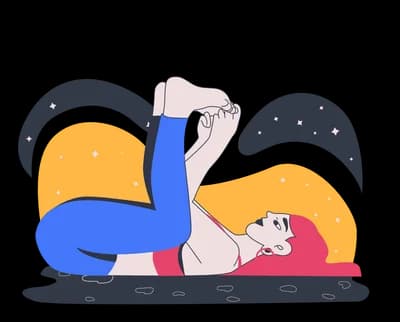
    Release. The hips exploring deep flexion, gently rather than forced.

  6. 6
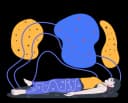
    Corpse Pose5 minutes

    Close. Nothing moving, letting the joints register what just happened.

The practice moves through several joints rather than deeply working one, wrists, hips, ankles, spine, before finishing completely still. That stillness isn't a break from the mobility work, it's where the joints actually get to register what just happened.

For yoga teachers

Teaching a class for Joint Mobility

Move slowly and mention the specific joint being worked, most students have never thought about their wrists or ankles as things that need mobility work the way hips obviously do. Never skip Savasana on a joint-mobility theme specifically, the integration matters as much as the movement that came before it. Building a full class around this theme: the Sequence Builder lets you start from any of these poses and adjust hold times, order and how much standing versus floor work you want.

Build your own

Put together your own class for Joint Mobility

The sequence builder gives you all 108 asanas and lets you arrange them yourself. While you build, it watches the shape of the class: whether the intensity rises and falls the way a practice should, whether every strong pose gets its counterpose, and whether the order makes anatomical sense.

Save what you build, come back to it, and teach it. It is the fastest way to turn what you just read into a class of your own.

Frequently Asked Questions

What's the difference between joint mobility and flexibility?

Flexibility is about muscle and connective tissue length. Joint mobility is about the joint itself moving smoothly through its full range, a different, related thing that needs its own attention.

Why is Corpse Pose on a joint-mobility page?

Because joints need time to register a new range without immediately clenching back up around it. Stillness after movement is part of how mobility work actually sticks, not a break from it.

How long should I hold a joint-mobility pose?

Shorter and more repeated than a flexibility stretch, five to eight breaths, sometimes with small repeated movements rather than one long static hold.

Are these poses suitable for beginners?

Yes, start with Hero Pose, Happy Baby and Bharadvaja's Twist. Crow Pose further up is worth building toward. This is general information, not medical advice. See the medical disclaimer.

Where to next

All programs

See the other programs

Every program here was built around one complaint and around the trials that studied it. Back, neck, knees, hips, sleep and stress, each one running for as long as the research says it takes.

Browse programs →