Stress Relief
Yoga for Stress Relief Because the Body Doesn't Know the Difference
Your nervous system can't tell the difference between a genuine emergency and a full inbox, a tight deadline, or an argument that's still replaying in your head hours later. The same stress response fires either way, faster breathing, tighter shoulders, a body quietly bracing for something that already happened or isn't actually happening at all.
Yoga doesn't argue with that response, it works around it. Slow, controlled breathing paired with certain shapes, forward folds, gentle backbends, inversions, seems to signal the nervous system directly that it's safe to stand down, faster than reasoning with yourself usually manages.
This sits at Muladhara, the root, mostly because the stress response itself is a very physical, very rooted thing, faster heart rate, tighter gut, cold hands. Meeting it with something equally physical tends to work better than meeting it with more thinking.
Who this guide is for
Signs this guide was written for you
The asanas
The yoga poses that matter for Stress Relief
Backbends — A Physical Reset for the Chest



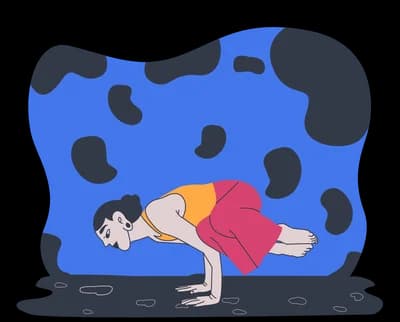
Arm Support — Calm Built Through Strength


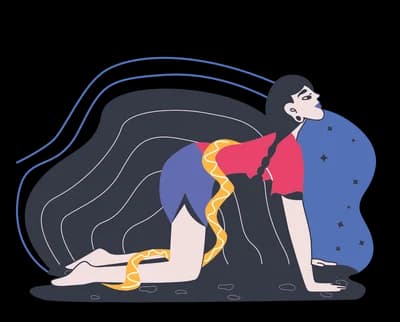
Kneeling — Where the Nervous System Actually Slows Down



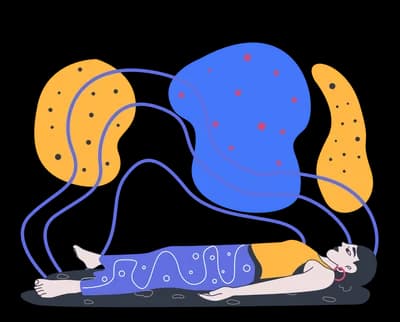
Lying Down — The Fastest Way Down

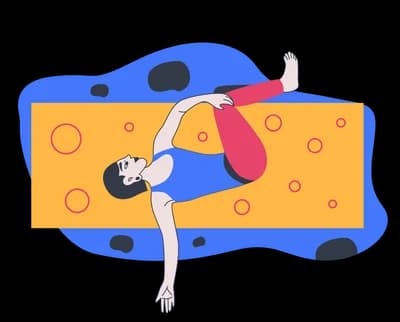
Seated, Standing and Inverted


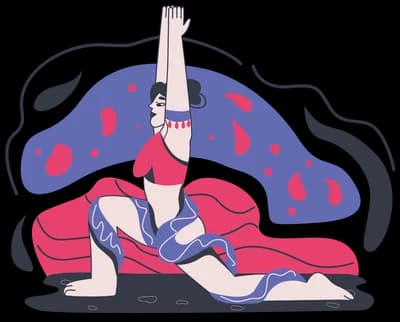

A 20-Minute Stress-Relief Sequence
Same idea as always. Not five random poses, there's a build to it: arrive, move slowly with the breath, meet a gentle backbend, then let the body settle further with each pose until it finally rests completely.
- 5
 Reclining Belly Twist1 minute each side
Release. A passive twist, releasing without asking for effort.




Nothing in this sequence is especially intense on purpose. Stress relief works better through repetition and breath than through a single demanding pose, so the whole practice stays gentle, right up to the full rest at the end.
For yoga teachers
Teaching a class for Stress Relief
Build your own
Put together your own class for Stress Relief
The sequence builder gives you all 108 asanas and lets you arrange them yourself. While you build, it watches the shape of the class: whether the intensity rises and falls the way a practice should, whether every strong pose gets its counterpose, and whether the order makes anatomical sense.
Save what you build, come back to it, and teach it. It is the fastest way to turn what you just read into a class of your own.