Stress-Related Body Tension
Yoga for a Body That Stays Braced
Shoulders somewhere near the ears, a tight jaw, a shallow breath, and a body that seems to have decided on its own that something is about to happen. Being told to relax has never once helped.
This guide is about a different approach, borrowed from trauma informed yoga: a practice in which nothing is compulsory. What that means in a session, why choosing matters more than the poses do, what the research supports and what it does not, and an eight-week program.
Who this guide is for
Signs this guide was written for you
What causes Stress-Related Body Tension
The active ingredient is not the poses. It is that every single instruction is an offer you can decline.
Safety
When to practise and when to get it looked at
How to practise so it works
The asanas
The yoga poses that matter for Stress-Related Body Tension
How every session begins


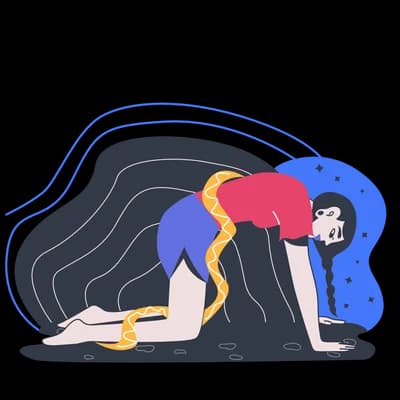
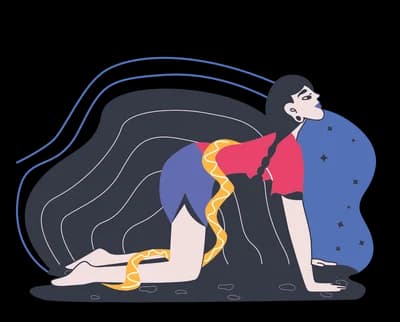

The middle, where any of it can be left out





The same ending, every time





For yoga teachers
Teaching a class for Stress-Related Body Tension
Hand made yoga sequences for Stress-Related Body Tension
Full sequences you can teach or practise today
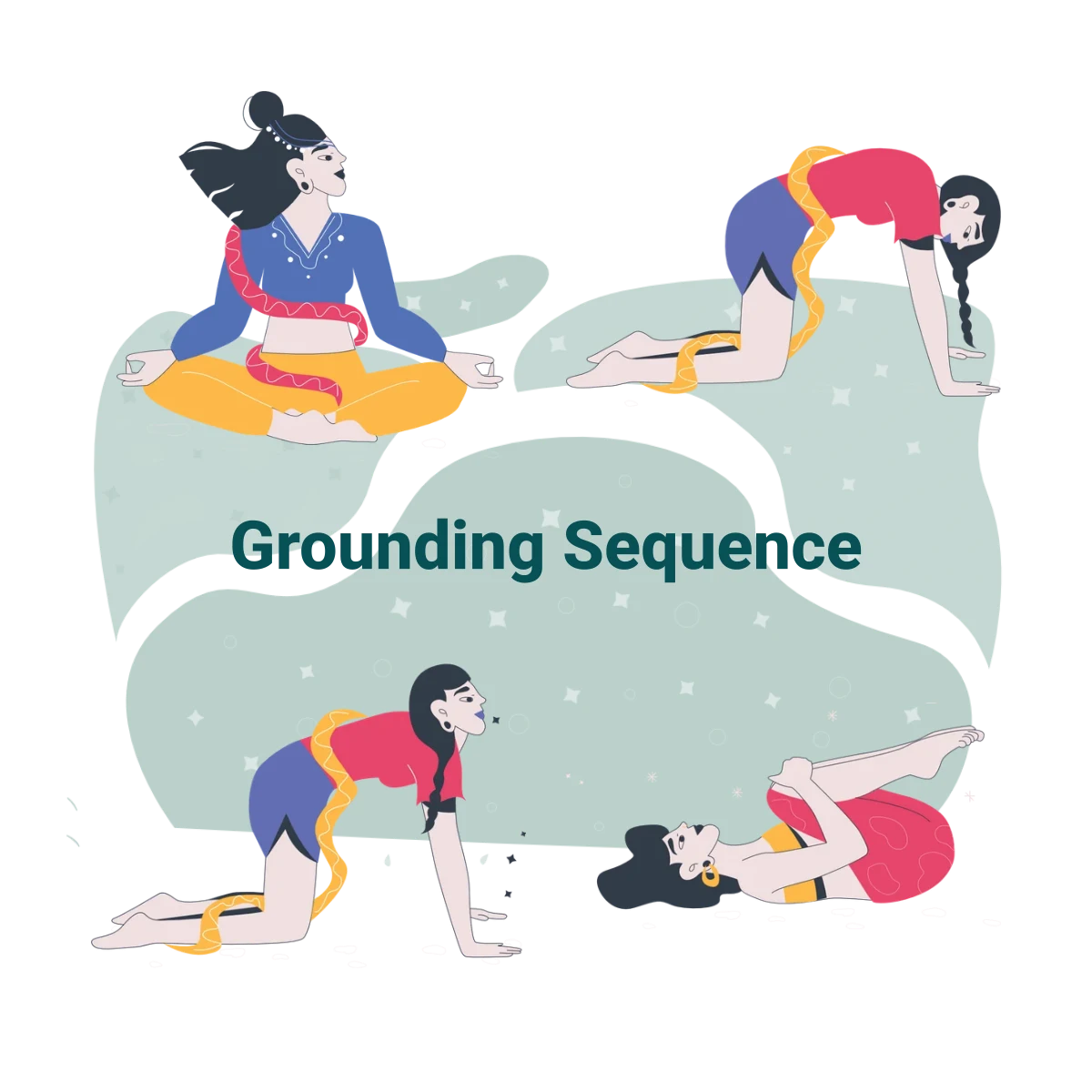
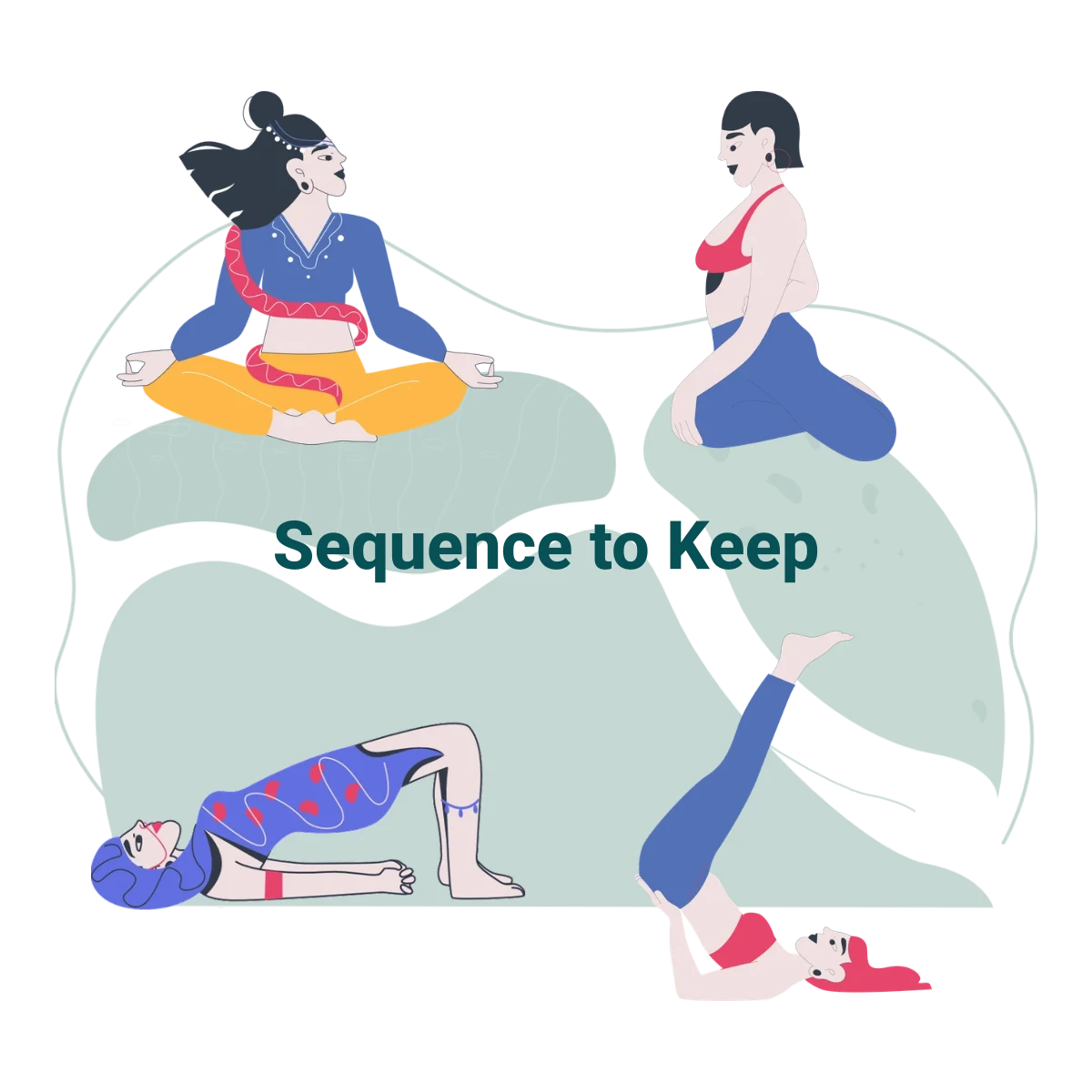
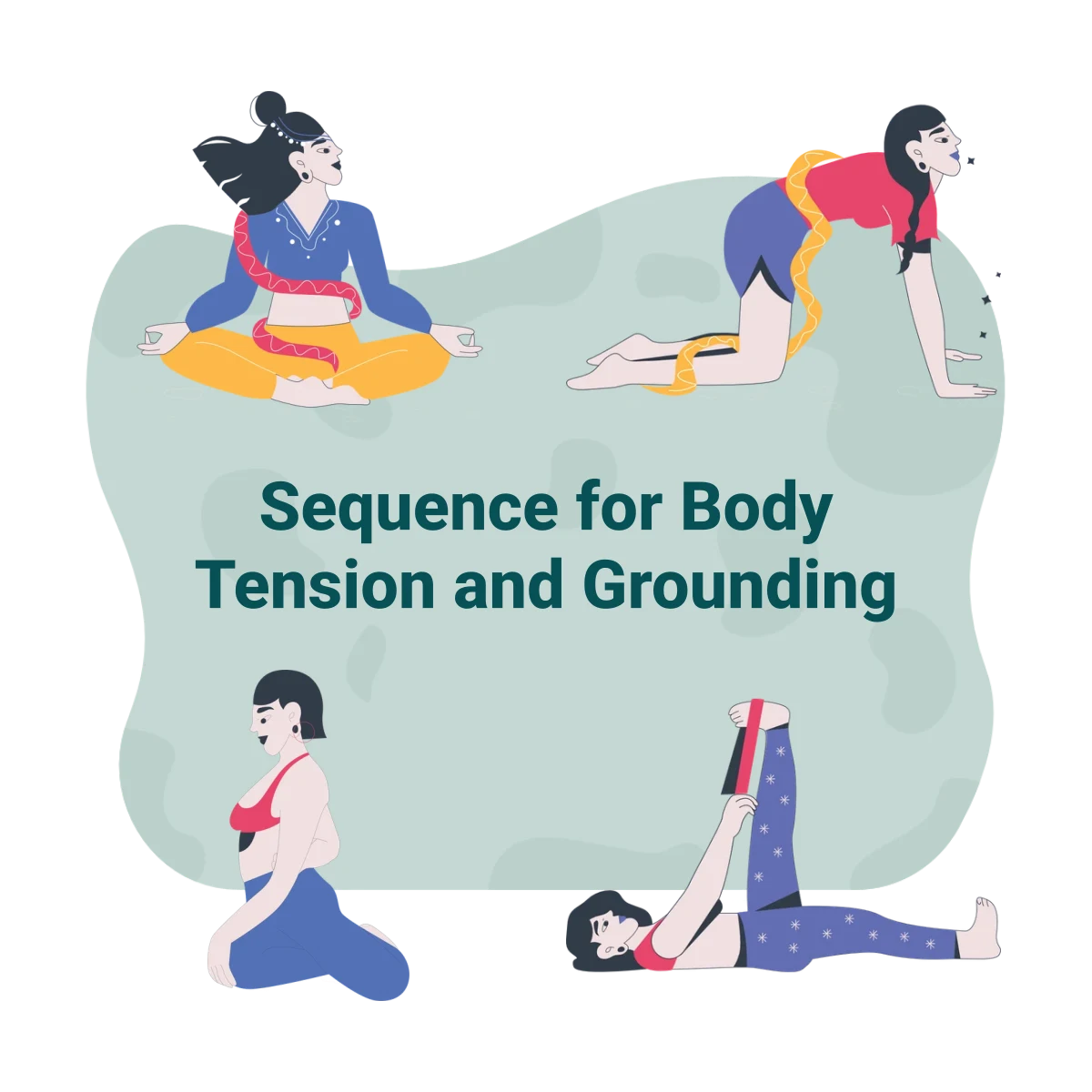
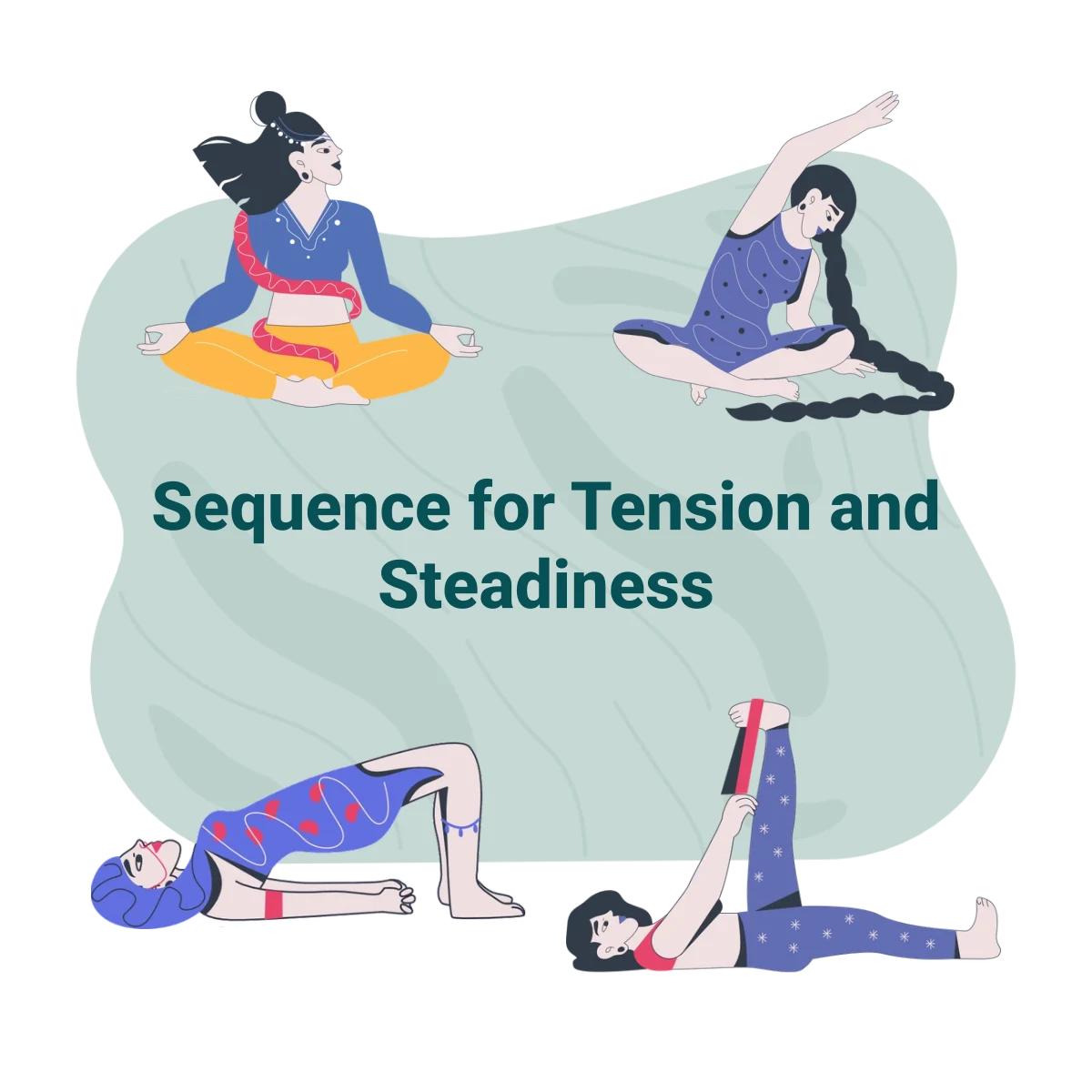
Build your own
Put together your own class for Stress-Related Body Tension
The sequence builder gives you all 108 asanas and lets you arrange them yourself. While you build, it watches the shape of the class: whether the intensity rises and falls the way a practice should, whether every strong pose gets its counterpose, and whether the order makes anatomical sense.
Save what you build, come back to it, and teach it. It is the fastest way to turn what you just read into a class of your own.
The research
What the studies actually found
This is one of the clearer cases where the method is worth more to us than the headline result. The strongest trial found that 52 percent of women with chronic, treatment resistant PTSD no longer met the criteria after ten weekly sessions of trauma informed yoga, against 21 percent in an active control group. The meta-analyses are more measured: self-reported symptoms and depression improve, clinician-assessed outcomes are less certain, and no study has tested a format without a trained facilitator present. What all of them document precisely is how the sessions were run, and that is what this program takes.
Yoga as an adjunctive treatment for posttraumatic stress disorder: a randomized controlled trial
Read the source →Efficacy of yoga for posttraumatic stress disorder: A systematic review and meta-analysis of randomized controlled trials
Read the source →Yoga for posttraumatic stress disorder: a systematic review and meta-analysis
Read the source →Yoga for Adult Women with Chronic PTSD: A Long-Term Follow-Up Study
Read the source →