
Akash Mudra
The Aakash Mudra, the gesture of ether, invites you to unite with the collective consciousness and create a space of clarity and positivity, in which negative emotions are transformed. This powerful hand mudra opens the path to self-knowledge and connects you with the subtler dimensions of being.
What is the Aakash Mudra?
The Aakash Mudra is a traditional yoga hand gesture that represents the element of ether (Akasha). It opens the space for prana to flow freely and promotes inner balance on the physical, mental and energetic levels. Its central effects include:
- It builds the foundation of your physical being.
- It replenishes your reserves in a natural way.
- It creates a deep sense of contentment.
- It lets the heart beat more powerfully.
Effects and benefits of the Aakash Mudra
The Aakash Mudra improves Vata balance, which is responsible for movement and communication in the body. It influences bone regeneration by increasing the bioavailability of calcium. In Western medicine, it can therefore be considered a supportive therapy for osteoporosis and other bone related conditions.
With the Aakash Mudra, you can release emotional blockages and harmonise the energy flows that are essential for well being. It is known to increase mental sharpness and to foster a sense of lightness as well as mental clarity.
Instructions: How to perform the Aakash Mudra
Performing the Aakash Mudra is simple and can be integrated into your practice at any time. Proceed as follows:
- Sit in a relaxed position, with a straight back and closed eyes.
- Connect the tip of the middle finger with the tip of the thumb.
- Apply gentle pressure, without pressing too hard.
- The remaining fingers stay straight and relaxed.
- Your hands can rest on your knees, with the palms facing upward.
Contraindications and notes
Note the following precautions before practising the Aakash Mudra:
- Do not use the Aakash Mudra directly after eating or while walking.
- If you have a heightened sensitivity to ether, it may lead to overstimulation of the nervous system.
- Not recommended for people who already have a high Vata constitution.
Practice tips: When and how long to apply it?
Practise the Aakash Mudra daily for 10 to 45 minutes, preferably during the transitional hours, at dusk and at dawn, when the world still rests in stillness. It harmonises wonderfully with pranayama and meditation, as it helps to expand the mind and open awareness to the subtler dimensions of being.
Suitable yoga asanas
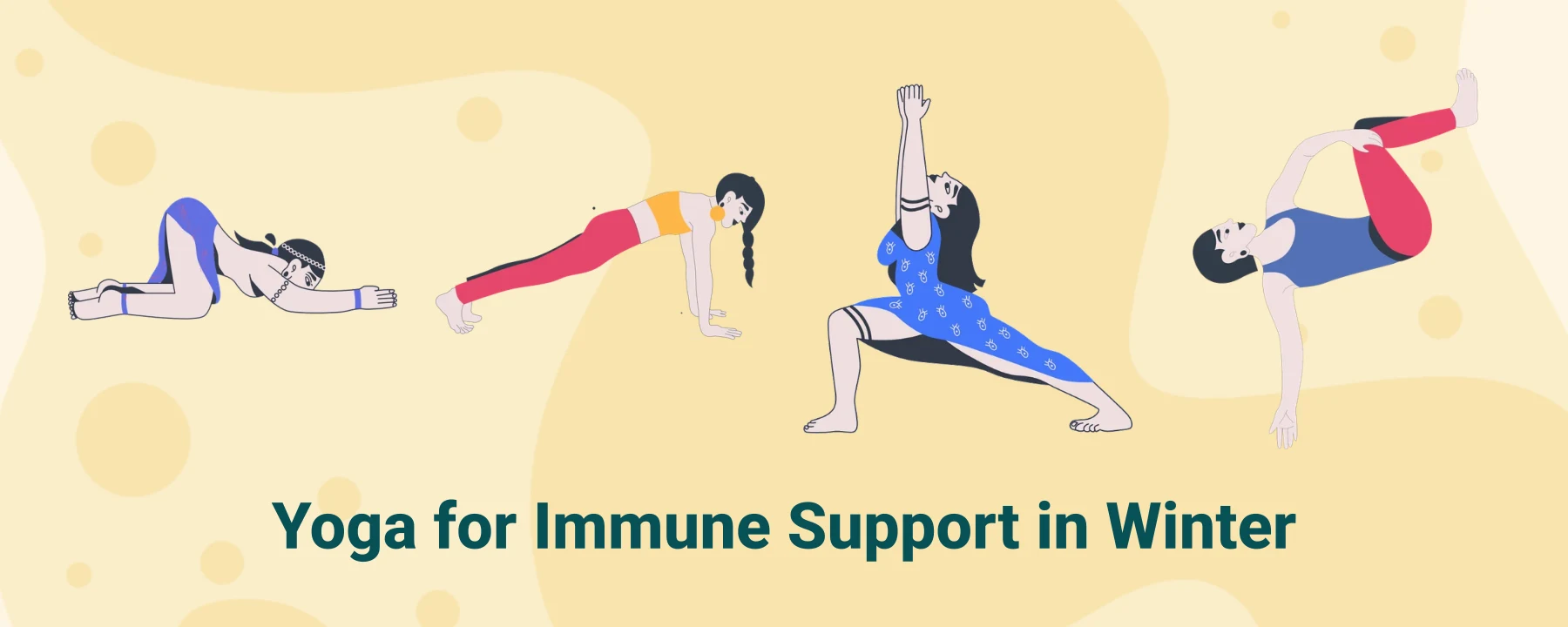
The Aakash Mudra can be combined effectively with the following yoga asanas to deepen your practice:
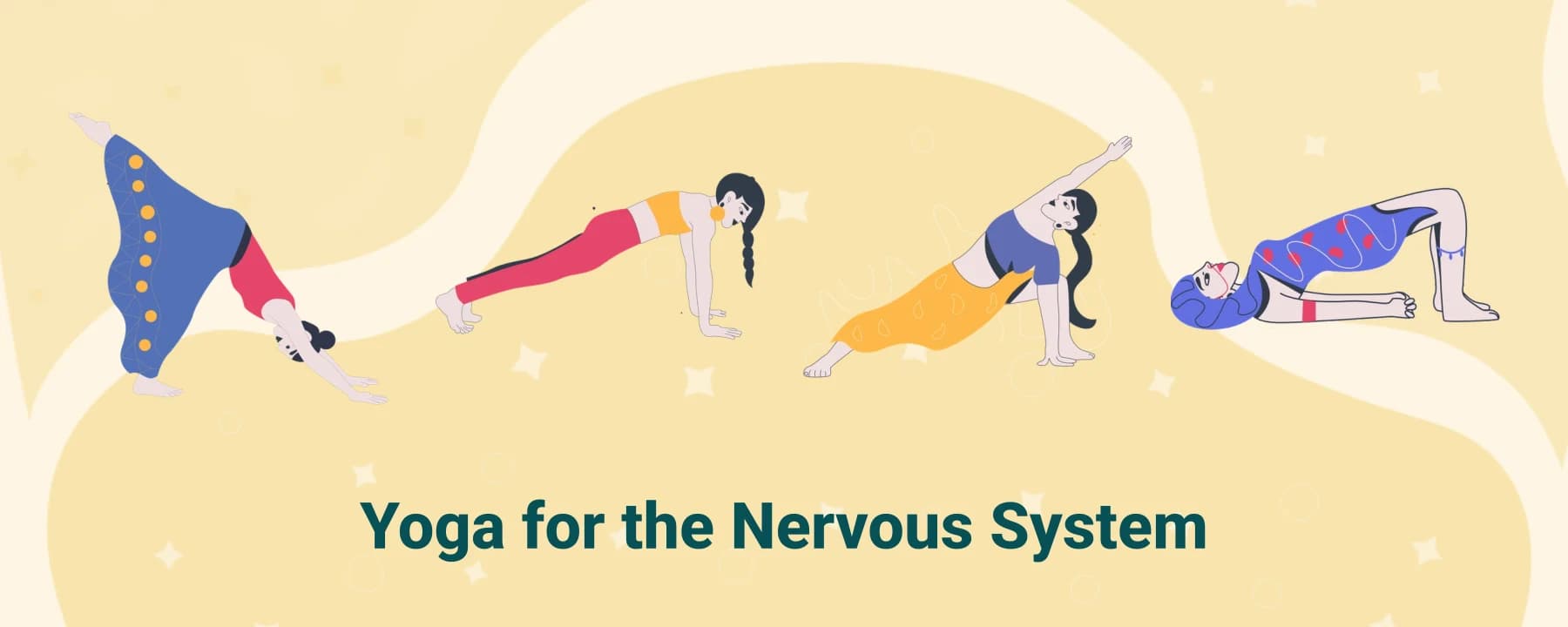
- Adhomukha Shvanasana
- Vrksasana
- Chaturanga Dandasana
Further resources
- The meaning of OM, the journey through the OM universe
- Best yoga props, the overview
- Travel mats put to the test
- Yoga towel, what matters most
Manish Rana is a yoga teacher and founder of asanaverse.de. He writes about topics related to yoga, Ayurveda and meditation. Manish owes his deep connection to yoga to his Indian roots, through which he came into contact with this practice at an early age. He has completed numerous training programmes and is an expert in his field.
Frequently asked questions
- What does Aakash Mudra mean?
- Aakash Mudra means "gesture of ether". It represents the element Akasha (space/ether) and is meant to open the flow of energy in the body, release emotional blockages and foster a sense of clarity and lightness.
- How long should one practise the Aakash Mudra?
- A daily practice of 10 to 45 minutes is recommended, ideally during the quiet morning hours or at dusk. It is particularly well suited in combination with pranayama and meditation.
- Who is the Aakash Mudra not suitable for?
- The Aakash Mudra is not recommended for people with a high Vata constitution. It should also not be used directly after eating or while walking, since in cases of heightened sensitivity it can lead to overstimulation of the nervous system.
- What physical benefits does the Aakash Mudra have?
- The Aakash Mudra supports bone regeneration through an increased bioavailability of calcium and can be used as a complement in osteoporosis. It also improves Vata balance and promotes mental sharpness as well as general well being.