Asthma and Everyday Breathing
Yoga and Breathing Practice for Living With Asthma
Asthma treatment handles the flare ups well. What it does not usually touch is the everyday pattern of how you breathe, which for most people with asthma sits higher and shallower than it needs to, and which is almost impossible to notice from the inside.
This guide explains what to do about that. Why the out breath is the part that matters, which breathing techniques were tested and what they changed, which poses make room for the ribcage to move, and where the line runs between practice and medication.
Who this guide is for
Signs this guide was written for you
What causes Asthma and Everyday Breathing
The part of breathing worth training is the part where you breathe out.
Safety
When to practise and when to get it looked at
How to practise so it works
The asanas
The yoga poses that matter for Asthma and Everyday Breathing
Where the breath gets more room




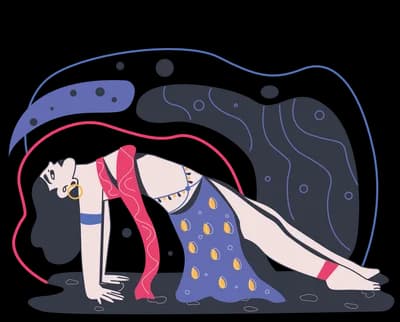
Moving the ribcage itself
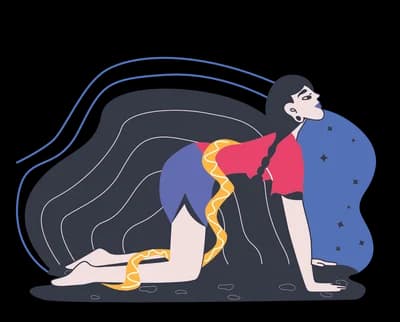

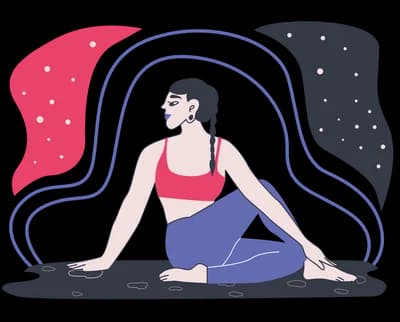


Positions that let the diaphragm work




For yoga teachers
Teaching a class for Asthma and Everyday Breathing
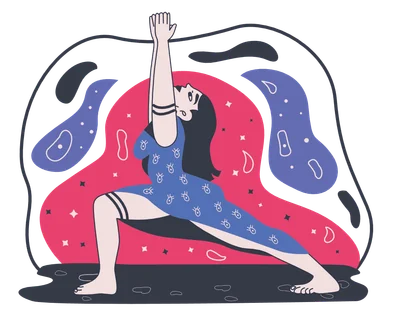
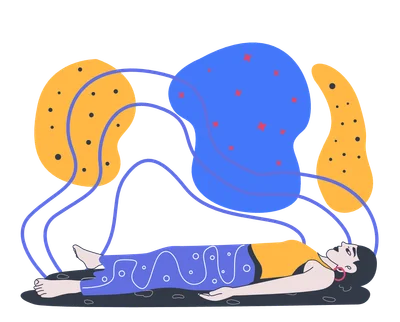
Hand made yoga sequences for Asthma and Everyday Breathing
Full sequences you can teach or practise today
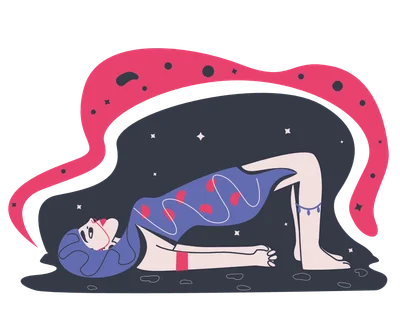
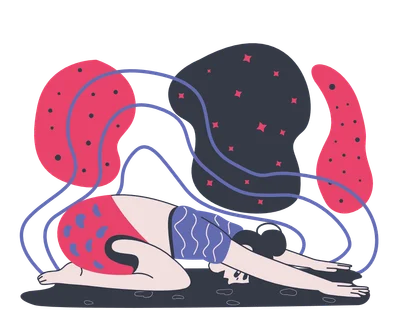
Build your own
Put together your own class for Asthma and Everyday Breathing
The sequence builder gives you all 108 asanas and lets you arrange them yourself. While you build, it watches the shape of the class: whether the intensity rises and falls the way a practice should, whether every strong pose gets its counterpose, and whether the order makes anatomical sense.
Save what you build, come back to it, and teach it. It is the fastest way to turn what you just read into a class of your own.
The research
What the studies actually found
The clearest result here comes from an eight week trial where 57 people added structured yoga and breathing to their existing asthma treatment: FEV1 rose from 70 to 78 percent of predicted, peak flow from 69 to 85, exercise-related narrowing fell from 26.7 percent to 8.0, and quality of life improved in every domain from week two. A second trial went through the breathing techniques one at a time and found coughing, wheezing and breathlessness all dropping sharply, mainly with the techniques built around a long exhalation. Behind those sit a Cochrane review of 15 trials and 1,048 people, which found improvements in quality of life and symptoms and no serious harms, and a head to head comparison in which breathing practice clearly beat treatment alone.
The efficacy of a comprehensive lifestyle modification programme based on yoga in the management of bronchial asthma: a randomized controlled trial
Read the source →The effect of various breathing exercises (pranayama) in patients with bronchial asthma of mild to moderate severity
Read the source →Yoga for asthma
Read the source →Comparison of the effects of Buteyko and pranayama breathing techniques on quality of life in patients with asthma
Read the source →Effect of pranayama breathing technique on asthma control, pulmonary function, and quality of life: A single-blind, randomized, controlled trial
Read the source →Frequently Asked Questions
Can breathing exercises help asthma?
Yes, alongside treatment. A Cochrane review of 15 trials with 1,048 people found improvements in quality of life and symptoms and no serious harms, and individual trials have shown changes in lung function too. In every one of them, breathing practice was added to existing asthma treatment rather than replacing it.
Which breathing technique is the best one for asthma?
The ones built around a long, controlled out breath. One trial went through the techniques individually and concluded that mainly the expiratory ones were doing the work, with coughing, wheezing and breathlessness all dropping sharply over twelve weeks.
Should I avoid Kapalabhati and Bhastrika?
In a general class, ask for an alternative. Both use rapid forced exhalation, which can provoke tightening rather than relieve it, and neither was part of the mechanism in the research on asthma. Nothing is lost by leaving them out.
Can I use a breathing exercise during an asthma attack?
No. During an attack the reliever inhaler is what works and what the guidance says to use. Breathing practice is something you do between attacks, on ordinary days, to change the everyday pattern.
My chest gets tight when I exercise. Can I still do yoga?
Usually yes, with a long warm up and a gradual start. In the eight week trial, exercise-related narrowing dropped from 26.7 percent to 8.0 over the full eight weeks, so it improves with time rather than immediately. Begin with the seated and lying sessions and let the standing work arrive later.
How long before anything changes?
Quality of life measures moved from week two in the trial this program follows, while the lung function numbers took longer. Expect how you feel to shift before anything a spirometer would notice.
Related Practices