Fatigue After Cancer Treatment
Supportive Yoga for After Cancer Treatment
Treatment finished and everybody expected you to feel better. Instead there is a tiredness sleep does not touch, a shoulder that no longer goes where it used to, and nights that break into pieces. Nobody scheduled anything for this part.
This guide is about the months afterwards. What the research supports and where it stops, why weight on the arms is the adaptation that matters most, why the benefit follows the practice rather than outlasting it, and an eight week program.
Who this guide is for
Signs this guide was written for you
What causes Fatigue After Cancer Treatment
The benefit here follows the practice rather than outlasting it, and one trial measured exactly that.
Safety
When to practise and when to get it looked at
How to practise so it works
The asanas
The yoga poses that matter for Fatigue After Cancer Treatment
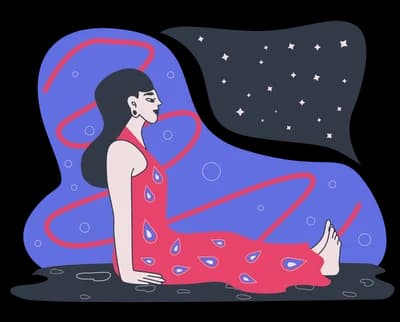
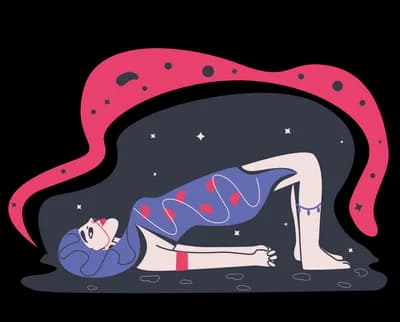
Seated, with nothing on the arms



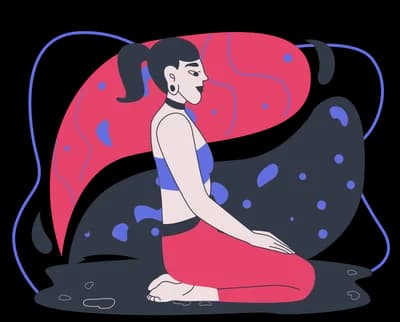
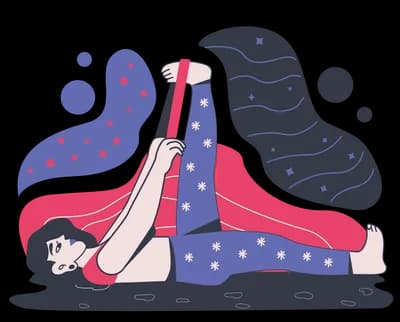
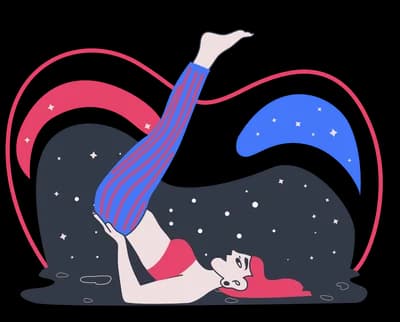
Standing, from week three


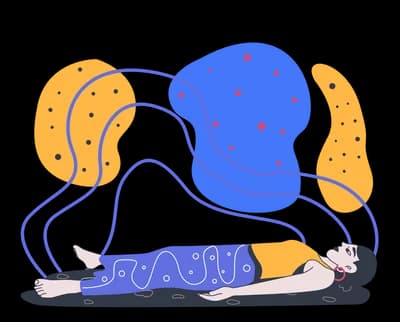
The ending, unchanged every week
For yoga teachers
Teaching a class for Fatigue After Cancer Treatment
Hand made yoga sequences for Fatigue After Cancer Treatment
Full sequences you can teach or practise today
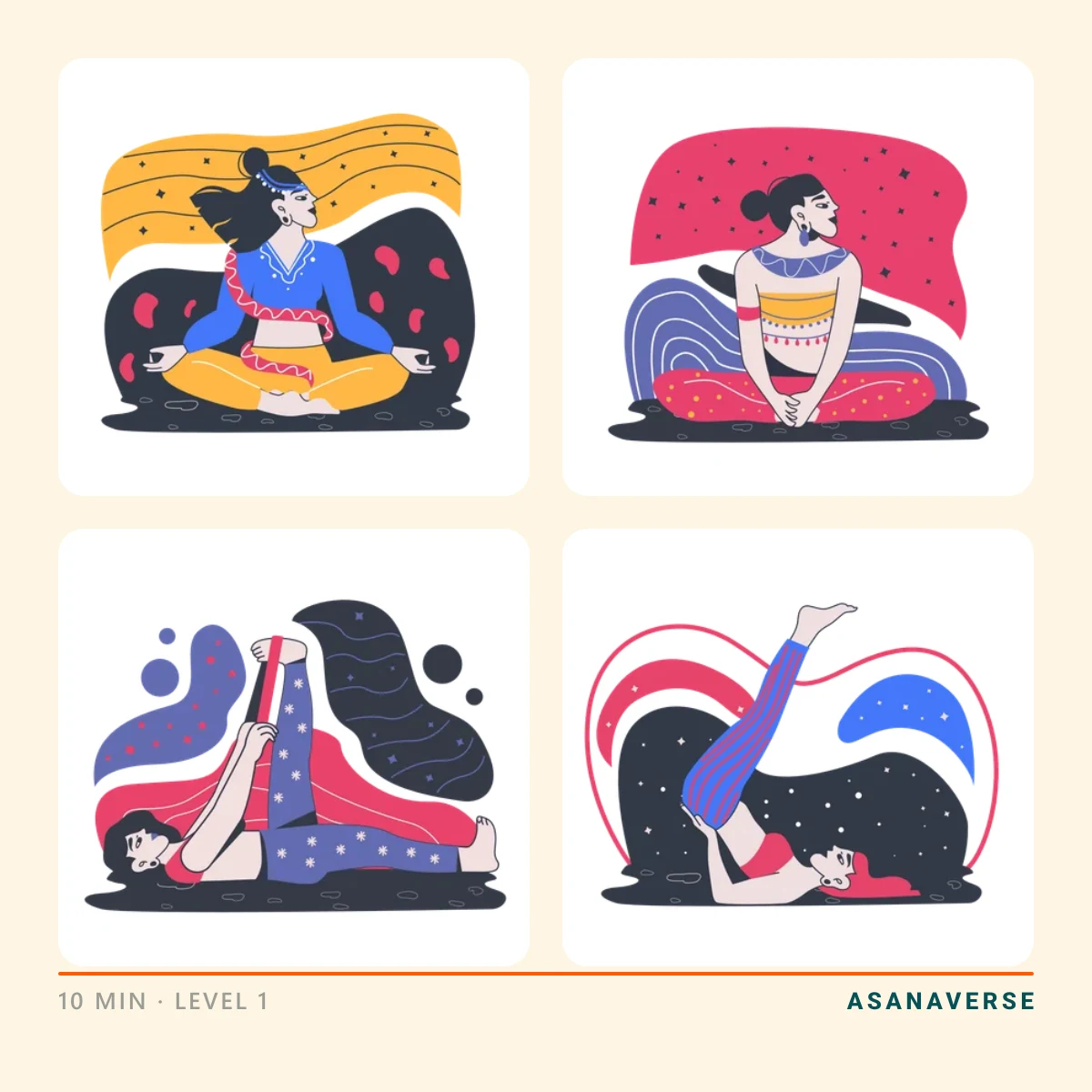
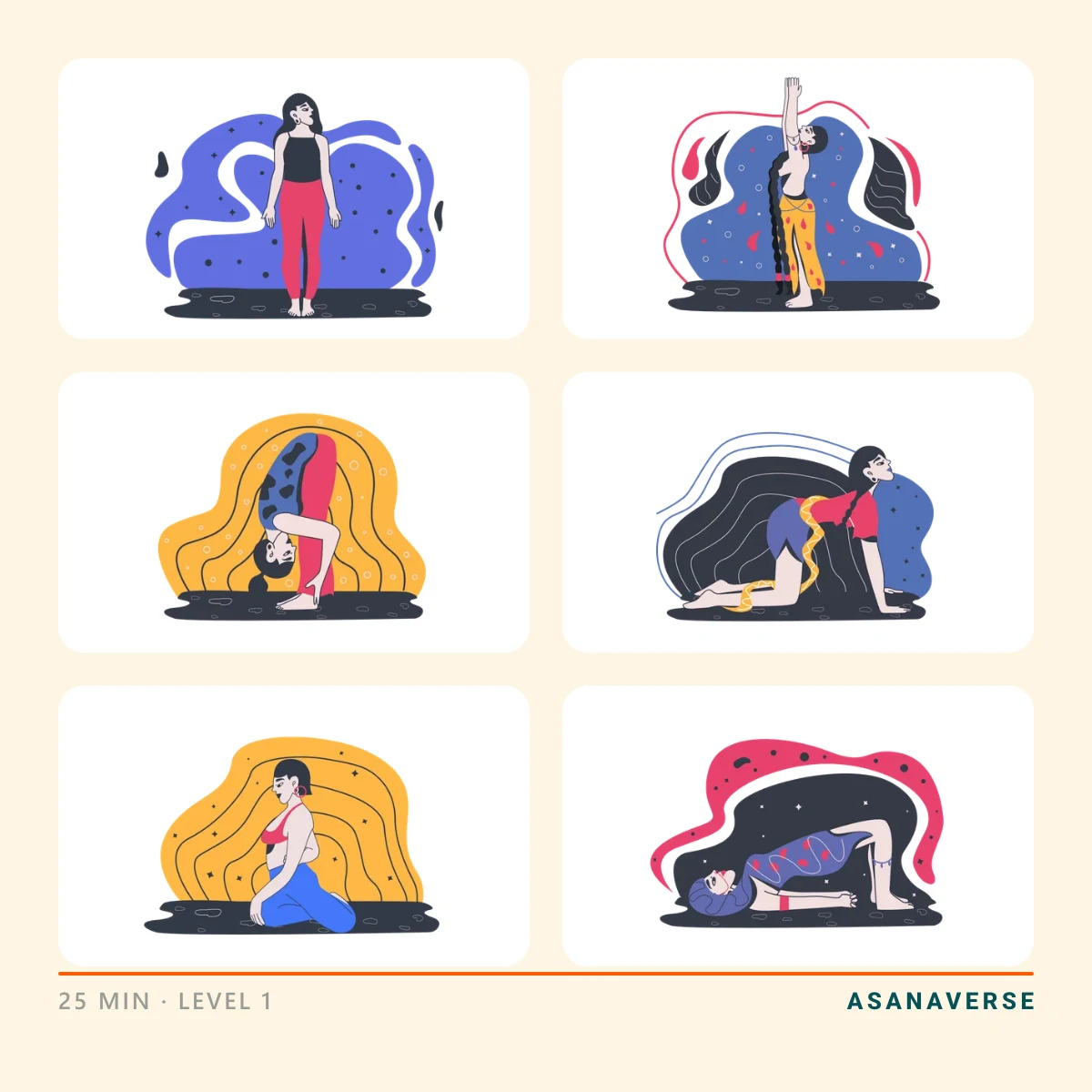
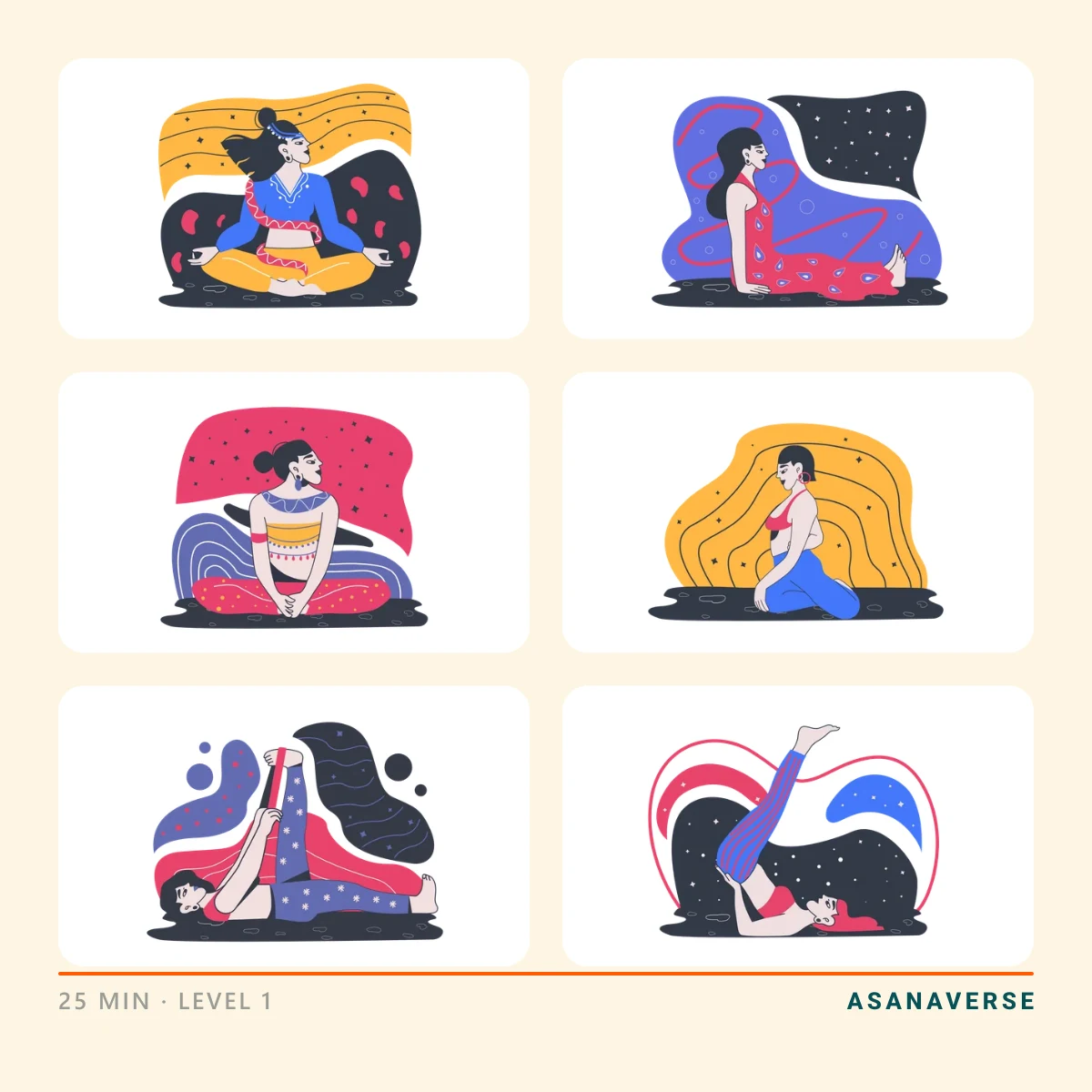
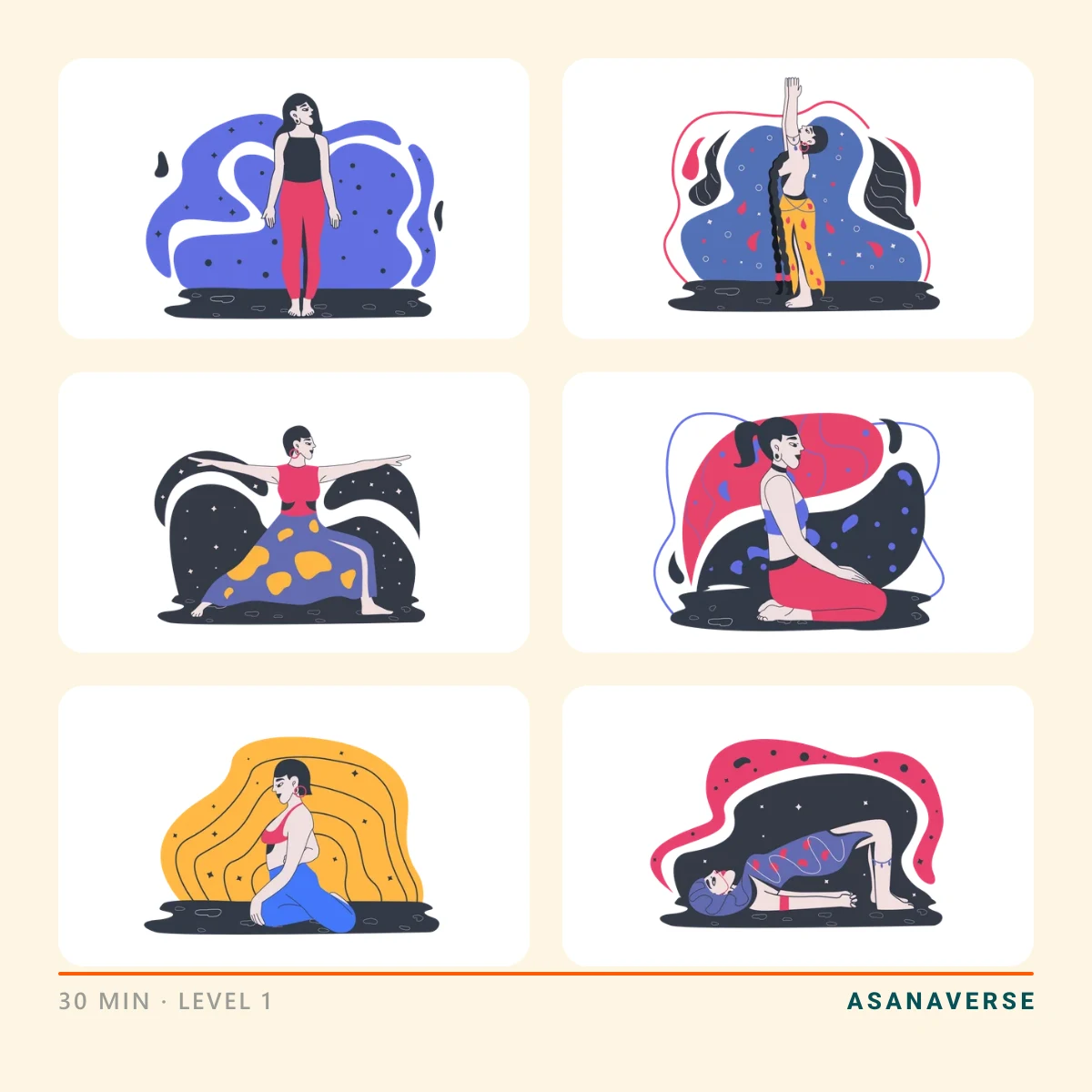
Build your own
Put together your own class for Fatigue After Cancer Treatment
The sequence builder gives you all 108 asanas and lets you arrange them yourself. While you build, it watches the shape of the class: whether the intensity rises and falls the way a practice should, whether every strong pose gets its counterpose, and whether the order makes anatomical sense.
Save what you build, come back to it, and teach it. It is the fastest way to turn what you just read into a class of your own.
The research
What the studies actually found
The evidence here is good for two things and modest about everything else. Fatigue and sleep improve after treatment, consistently, across a Cochrane review and a large multicentre trial, with no serious adverse events reported. Quality of life improves in some analyses and not in others. Yoga is not better than other active interventions. Almost all of it is breast cancer research. And in the one trial that measured afterwards, the gains started to reverse once the practice stopped, which shapes how this program ends.
Multicenter, randomized controlled trial of yoga for sleep quality among cancer survivors
Read the source →Yoga for improving health-related quality of life, mental health and cancer-related symptoms in women diagnosed with breast cancer
Read the source →Yoga has a solid effect on cancer-related fatigue in patients with breast cancer: a meta-analysis
Read the source →The Impact of Yoga on Fatigue in Cancer Survivorship: A Meta-Analysis
Read the source →Yoga management of breast cancer-related lymphoedema: a randomised controlled pilot-trial
Read the source →Yoga for Cancer Survivors (YOCAS): A Systematic Review of the YOCAS Program
Read the source →Frequently Asked Questions
Does yoga help with fatigue after cancer treatment?
This is the best supported claim in the area. A Cochrane review of 24 trials with 2,166 women with breast cancer found reduced fatigue with a pooled effect of 0.48 against no therapy, at moderate quality evidence, along with improved quality of life and better sleep in the short term. A separate meta-analysis found the effect was large after treatment and small during it.
Does it help with sleep?
A trial of 410 cancer survivors between two and twenty-four months past treatment ran four weeks of gentle yoga twice a week. Global sleep quality improved significantly, along with sleep efficiency, waking in the night and daytime function, and participants reduced their use of sleeping medication more than the standard care group did.
Is it safe with lymphoedema?
The trial that looked at this found no worsening of arm volume over eight weeks and better tissue quality and symptom scores in the yoga group. What makes it safe is the adaptations: no weight through the hands or forearms, no heated room, and the affected arm raised during the final rest. A newly changed or unclear lymphoedema needs a lymphoedema therapist first.
Can I practise during treatment?
Not with an unsupervised program like this one. The trials during active treatment ran in clinical settings with the oncology team present, and the measured benefit was smaller than after treatment. If you want to move during treatment, ask your team what is appropriate for where you are.
Is this research about my kind of cancer?
Probably not directly, unless it was breast cancer. Between 65 and 77 percent of participants in the large reviews had breast cancer and the Cochrane review covers only women with breast cancer. The practice is gentle enough that applying it more widely is reasonable. Claiming it is proven for every cancer would not be.
Will the benefit last after I stop?
On the available evidence, no. In the lymphoedema trial, arm volume had increased more in the yoga group four weeks after the programme finished than in the control group. Nothing had gone wrong, the practice had simply stopped. That is why the last phase of this program is designed to be repeatable rather than completed.
Related Practices