
Category: Backbends
Backbends are asanas in which you gently stretch muscles and joints. They promote suppleness and mobility. Breathing in Backbends has a relaxing effect: you supply your muscles with oxygen and release tension.
VAYUS
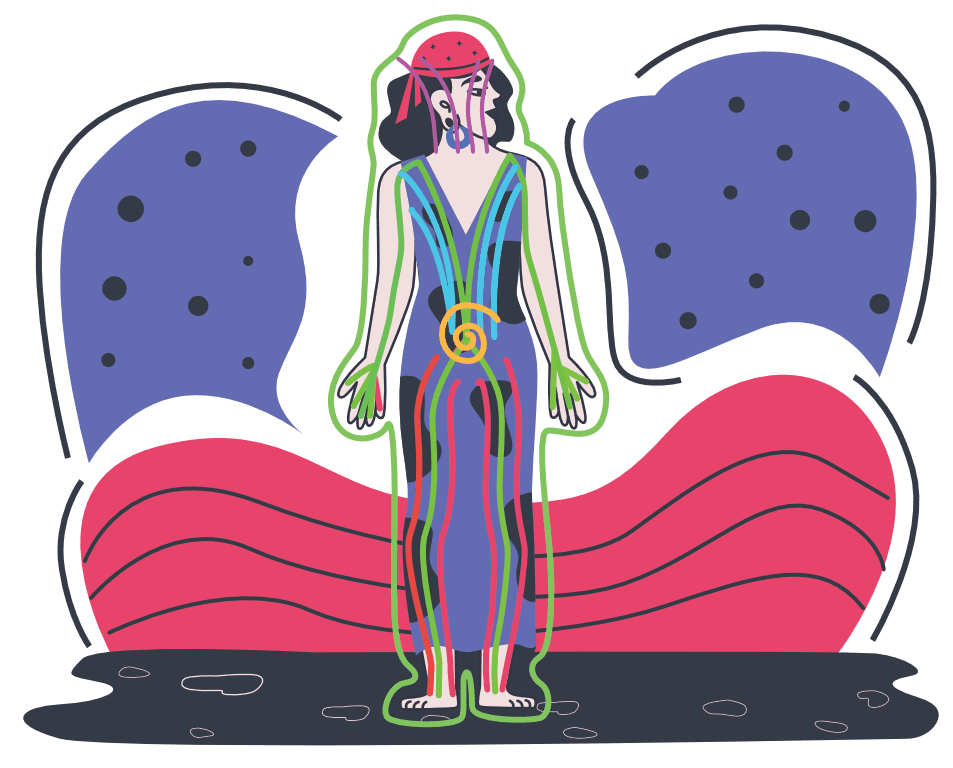
Each of the five Prana Vayus plays an essential role in our body and mind. They move and direct energy in specific directions, each with its own special area of influence and function. Fish Pose has its own unique effects on these vayus.
Prana Vayu – Expansion of Consciousness
▼
Matsyasana, the fish pose, opens the chest and fosters breathing, which influences the Prana Vayu. It sits in the heart area and controls the intake of prana through the breath. The physical chest opening in this pose fosters breathing and thereby the intake of prana, while the mental opening of the heart encourages us to receive life full of love and compassion.
Udana Vayu – The Ascending Energy
▼
In Matsyasana, the neck and throat area are stretched, which stimulates the Udana Vayu. Udana Vayu is responsible for the ascending energy and is located in the throat area. Through the stretching and opening of the throat area in Matsyasana, Udana Vayu can help release blockages in communication and improve expressiveness.
Vyana Vayu – Expansion and Opening
▼
Vyana Vayu, the omnipresent and expanding energy, could also be influenced by Matsyasana. This asana stretches the entire body and improves circulation, which contributes to the distribution of prana throughout the body. Vyana Vayu helps maintain the balance between the other vayus and could help someone who suffers from energetic stagnation or imbalance.
CHAKRAS
Vishuddha Chakra (Throat Chakra)
▼
Matsyasana activates the Vishuddha Chakra, located in the area of the larynx and the thyroid. This chakra is connected with our ability to communicate and express our truth. The qualities of the Vishuddha Chakra include clarity, authenticity and integrity in our communication.
Anahata Chakra (Heart Chakra)
▼
The chest opening in Matsyasana addresses the Anahata Chakra, which sits in the heart area. It is the center of love, compassion and kindness. The expansion and opening of the chest in this asana can help foster feelings of love and compassion.
Sahasrara Chakra (Crown Chakra)
▼
Although it is less direct, Matsyasana can also influence the Sahasrara Chakra, the crown chakra. By focusing on the breath and the opening of the heart in this asana, a feeling of connection to the divine or universal consciousness can be fostered. The Sahasrara Chakra is connected with the feeling of unity and spirituality.
KOSHAS
Annamaya Kosha (Physical Body)
▼
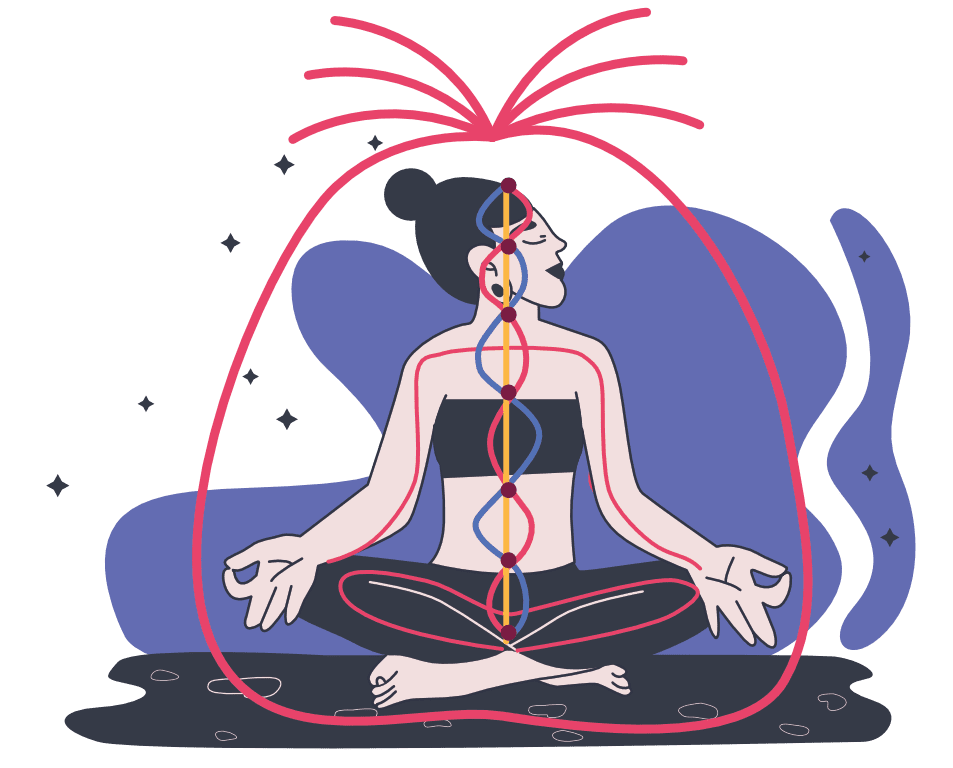
Annamaya Kosha is the outer, physical layer that refers to our body. Matsyasana physically strengthens and stretches the neck, chest and abdominal musculature. Through the leaning back in the posture, the spine is stretched and the circulation to the head is fostered.
Pranamaya Kosha (Energy Body)
▼
Pranamaya Kosha refers to our life energy or prana, which flows through the energy channels or nadis. Matsyasana can help let prana flow freely by opening the chest and thereby deepening the breath.
Manomaya Kosha (Mental Body)
▼
Manomaya Kosha refers to our mental and emotional state. Matsyasana can help reduce feelings of stress or anxiety by calming the mind and fostering concentration.
Vijnanamaya Kosha (Intellectual Body)
▼
Vijnanamaya Kosha stands for our intuition and our inner knowledge. Matsyasana requires a certain degree of trust and letting go, which can help strengthen intuition and foster a deeper awareness of your own body.
Anandamaya Kosha (Spiritual Body)
▼
Anandamaya Kosha is the deepest layer, connected with our inner feeling of happiness and contentment. Through the opening of the heart and the stretching of the body in Matsyasana, a feeling of joy and contentment can be fostered.

DOSHAS
Vata
▼
Matsyasana can increase the Vata dosha, as the pose opens the ribcage and intensifies breathing, which fosters mental alertness and creativity. The energetic effect of the pose can stimulate the mind and increase mobility, which can be stimulating for Vata individuals but challenging with an already high Vata level.
Pitta
▼
Matsyasana can increase the Pitta dosha by strengthening the inner warmth and the flow of energy. The pose fosters the opening of the heart and the expansion of the breath, which can intensify the Pitta fire and concentration. This posture can help strengthen determination and increase inner strength, but should be practiced carefully with overheating and stress.
Kapha
▼
Matsyasana reduces the Kapha dosha by stimulating and energizing the body. The intense opening of the ribcage and the stretching of the spine help overcome sluggishness and stagnation, which are often associated with an excess of Kapha. This pose fosters the flow of energy and can help break down heaviness and lethargy.

Key Information for Correct Execution
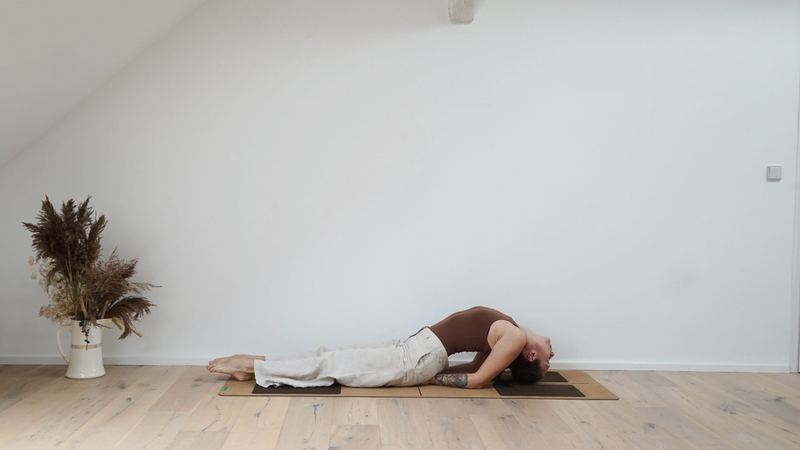
Meet Geraldine, a certified yoga teacher and psychology student who emphasizes mindfulness and alignment to inspire people toward a more peaceful life.
Common Mistakes
A common mistake in the Fish is that the weight of the body rests not on the elbows but on the head. Make sure the elbows are shoulder-width apart.
Our Tip
One tip is that the Fish pose is a suitable counter-pose for the shoulderstand to relieve the neck.
Variations
There are variations of the Fish, such as the supported Fish pose, in which two blocks are placed as support behind the ribcage and under the head. The arms can be stretched overhead and opened to the sides. Another variation is the Fish with “knotted lotus legs”.
Physical Effect
Strengthening the Airways
Matsyasana opens the chest area, stretches the intercostal muscles and fosters deeper breathing, which benefits both the lungs and the heart. It fosters the expansion of the lungs and improves the oxygen supply to the body. This can be especially beneficial for people with breathing problems or asthma.
Enlivening the Digestive System
By compressing the abdominal area during the asana, the digestive system is stimulated. This can stimulate peristalsis and the secretion of digestive enzymes, which improves digestive function. The stimulation of the abdominal organs could help people with digestive problems, such as constipation.
Strengthening the Back
Matsyasana is also an excellent asana for strengthening and stretching the back musculature. It stretches the muscles along the spine and fosters a healthy posture.
Effects on Psyche and Emotions
Release of Emotions
Matsyasana can serve as a powerful pose for the release of emotions. By opening the chest and stimulating the heart chakra, this posture can help release emotional blockages that you may be unconsciously holding on to.
Calming the Mind
Through the alignment and concentration that Matsyasana requires, it can help calm the mind and center the thoughts. This can be especially helpful for those who often feel overwhelmed by fears and excessive thoughts.
Boosting Self-Confidence
Matsyasana requires courage and self-confidence to tilt the head back and open the heart. This posture can help strengthen self-confidence and self-worth, which could be especially beneficial for people who struggle with self-doubt or low self-worth.
Props
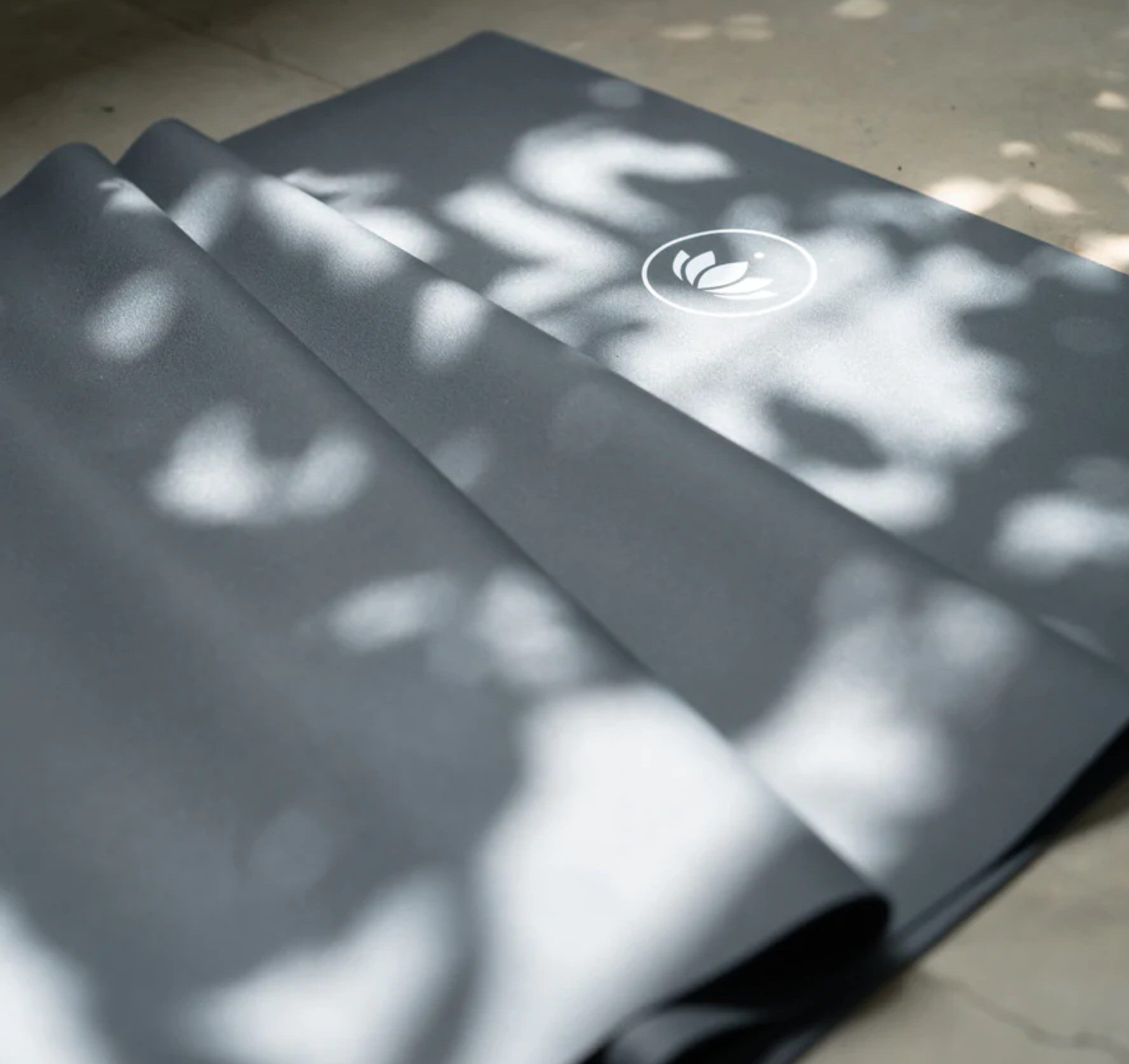
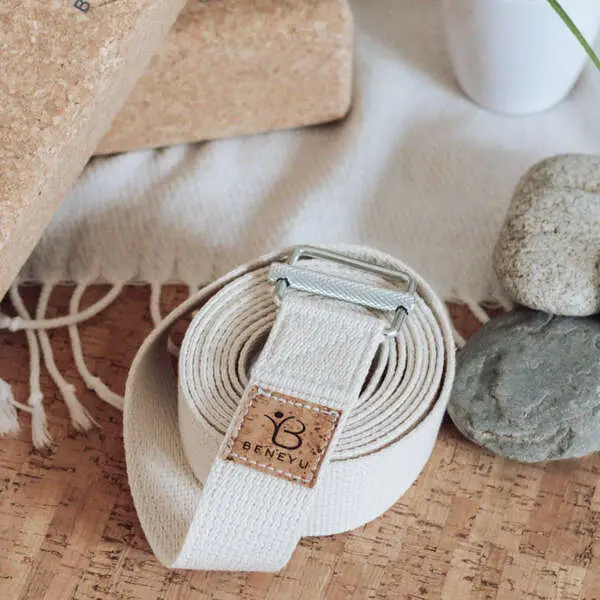
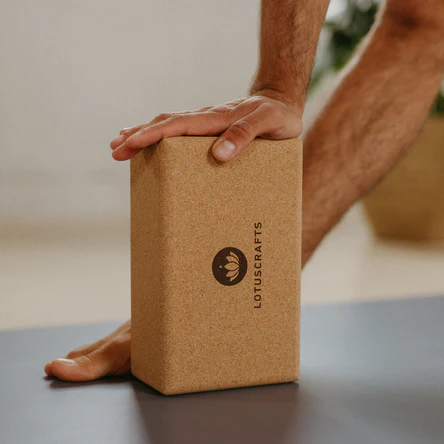
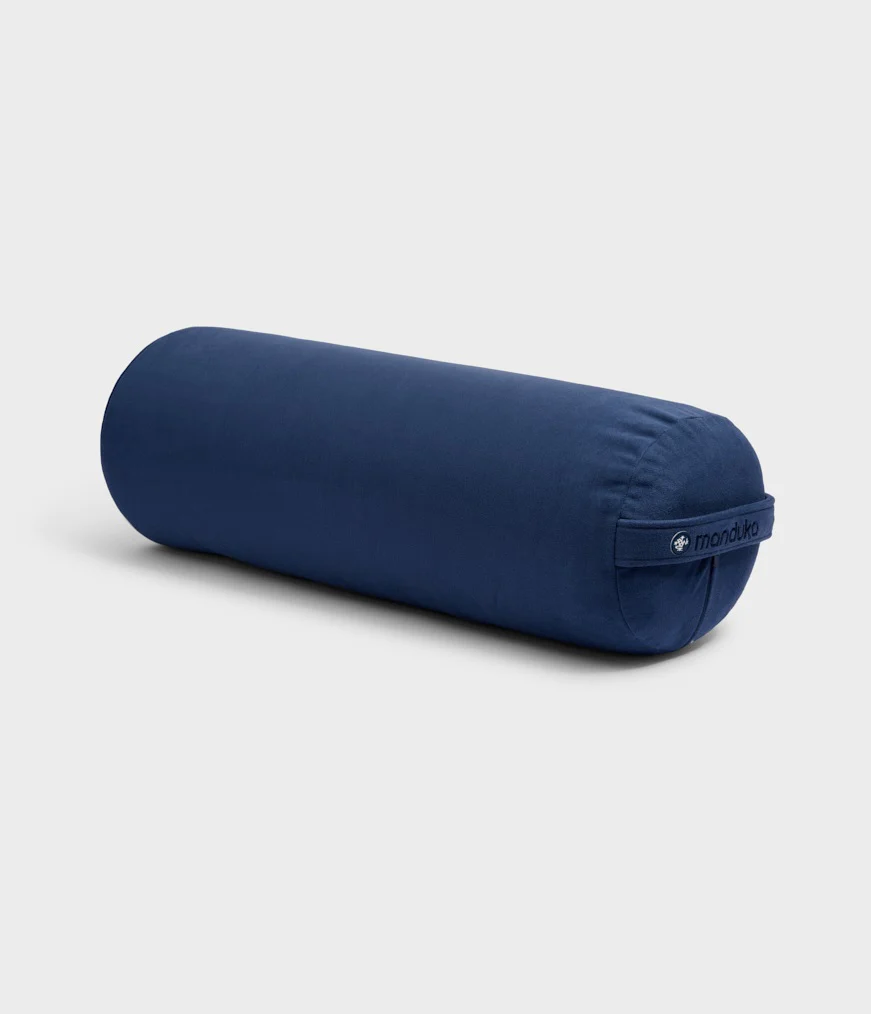
Also interesting!
Author of this Asana
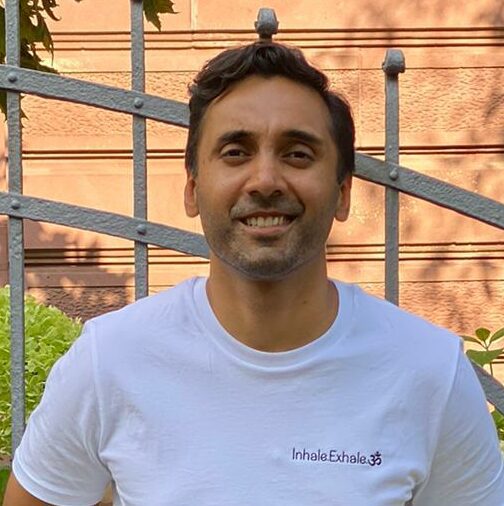
Manish Rana is a certified yoga teacher and founder of asanaverse.de. He writes about topics around yoga, ayurveda and meditation. Manish owes his deep connection to yoga to his Indian roots, through which he came into contact with this practice early on.
Learn more about our team here →DISCOVER MORE
More Backbends

Get our free ebook with 108 asanas now!
With great care and passion, we have selected and described 108 of the most important asanas for you in detail!
Perfect for your practice and cues ;)
Thank you for being here!
Thank you for being here and being part of this ever-evolving platform! We strive to keep growing and improving.
Your feedback is invaluable. Namasté 🙏
Comments feature coming soon. 💬
Guide
Browse our guide now
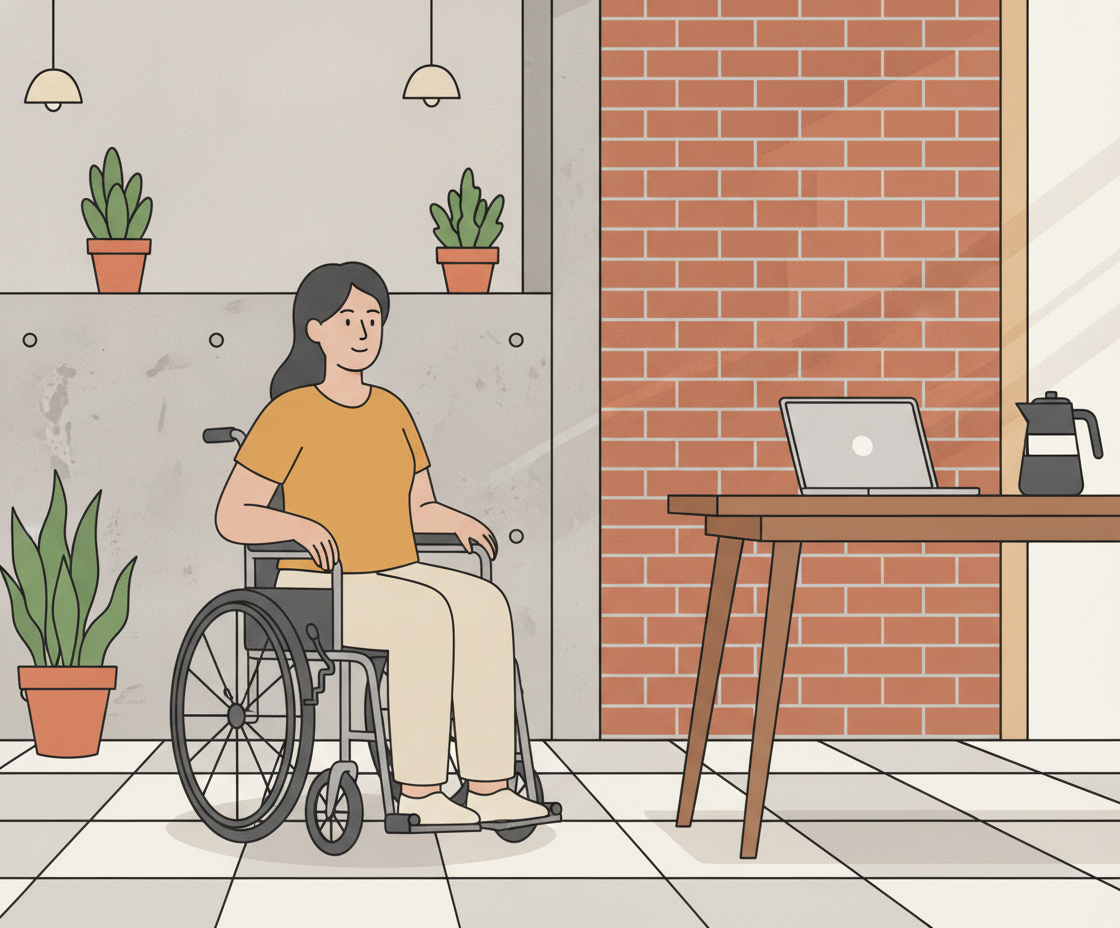
Accessible Yoga Mobility: Chair Yoga and Inclusive Asanas for All Bodies
Ahimsa – Gewaltlosigkeit als Fundament des Yoga und Lebens
Yoga Sutras zusammengefasst – Kapitel 2 (Sadhana Pada): Pfad der Praxis
Meditation bei Überforderung und Angststörung: Achtsam bleiben in turbulenten Zeiten
12 Wege, das Sitzen in der Meditation zu erleichtern — Stabiler sitzen, tiefer meditieren
Brahmacharya: Quelle des Lebens für mehr Lebenskraft und Vitalität