Category: Backbends
Backbends are asanas in which you gently stretch muscles and joints. They promote suppleness and mobility. Breathing in Backbends has a relaxing effect: you supply your muscles with oxygen and release tension.
VAYUS
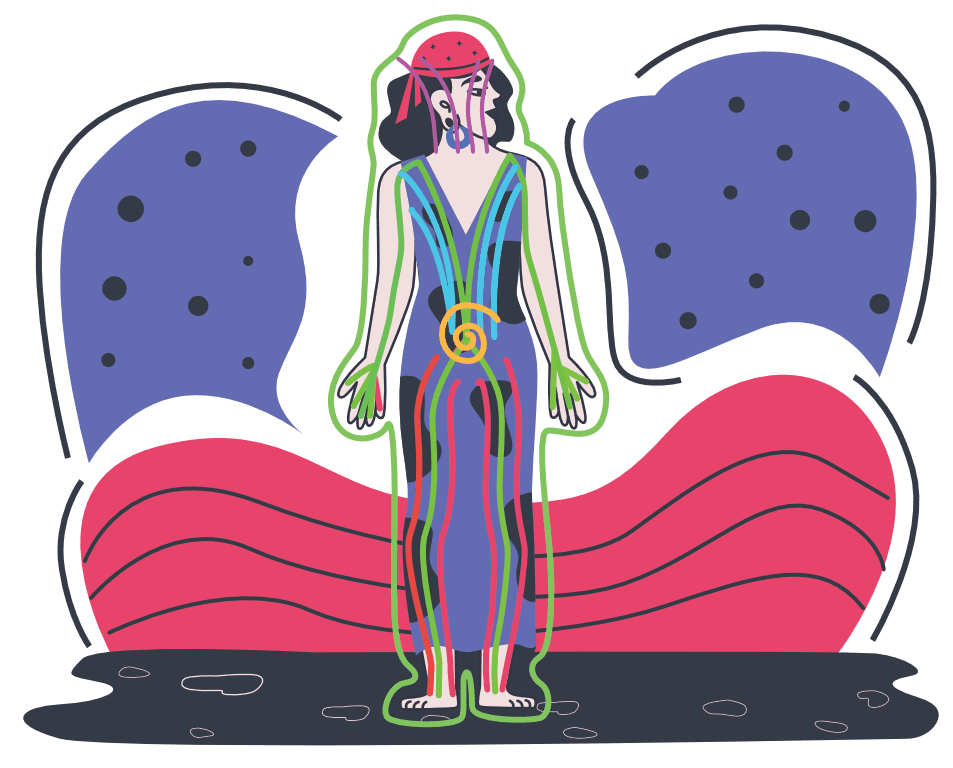
Each of the five Prana Vayus plays an essential role in our body and mind. They move and direct energy in specific directions, each with its own special area of influence and function. Handstand has its own unique effects on these vayus.
Apana Vayu – The Grounding Force
▼
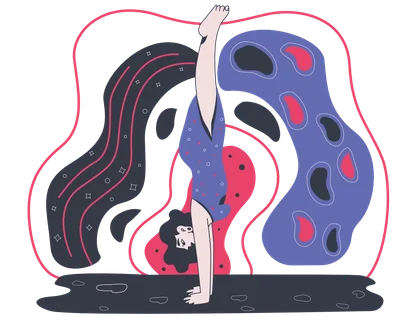
Adho Mukha Vrksasana, also known as the handstand, challenges us to overcome gravity and balance Apana Vayu – the downward-directed energy. This asana works on the pelvis and the lower extremities, the seat of Apana, and supports the elimination functions of the body. Through the inverted position, the blood flow is stimulated and the body's elimination processes are improved.
Prana Vayu – Expansion of Consciousness
▼
Prana Vayu, centered in the heart, is the inward-directed and ascending flow of energy that regulates breathing and blood circulation. In Adho Mukha Vrksasana, Prana Vayu is especially active, as the position raises the heart above the head, improves blood flow and breathing and enlivens energetically.
Udana Vayu – The Ascending Energy
▼
Udana Vayu, the energy of ascent and communication, is strongly activated in this pose. It is often associated with the area of the throat and head and regulates functions such as speaking and thinking. Through the handstand, the brain and the sensory organs receive strong blood flow, which can improve mental clarity.
CHAKRAS
Ajna Chakra (Brow Chakra)
▼
Adho Mukha Vrksasana, or the handstand, especially addresses the Ajna Chakra, located between the eyebrows. This asana increases the blood flow in the head area and thus stimulates the “third eye”. It is often associated with intuition, wisdom and the spiritual eye of insight.
Manipura Chakra (Solar Plexus Chakra)
▼
The handstand works strongly on the Manipura Chakra, located in the solar plexus area. This asana requires immense physical strength, willpower and determination, which activates the inner fire (Agni) in the solar plexus. The Manipura Chakra stands for self-confidence, inner strength and personal power. By holding the balance in this demanding pose, self-confidence is strengthened and your own inner power is activated.
Anahata Chakra (Heart Chakra)
▼
During the performance of Adho Mukha Vrksasana, the chest is opened and expanded, which stimulates the Anahata Chakra, the heart chakra. Anahata, located in the heart center, stands for love, compassion and kindness.
KOSHAS
Annamaya Kosha (Physical Body)
▼
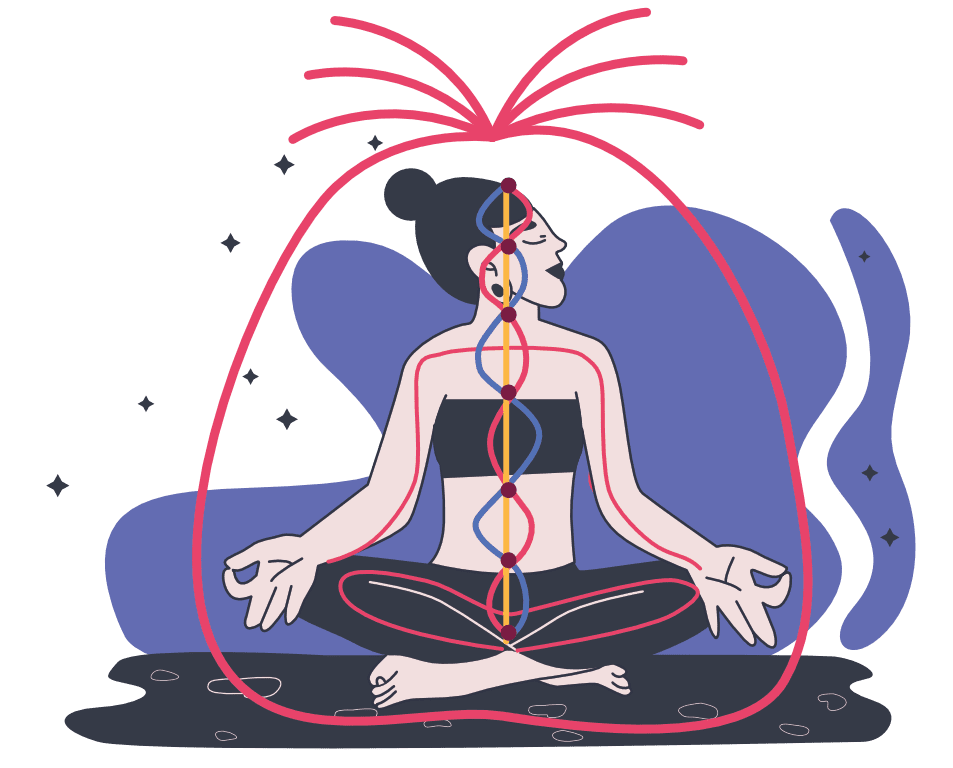
Adho Mukha Vrksasana is a challenging asana that strengthens and challenges the entire body, especially the arms, shoulders and wrists. The body is vitalized and strengthened. On a stressful working day, you could use the enlivening effect of the handstand to increase your physical energy and endurance.
Pranamaya Kosha (Energy Body)
▼
This asana has a direct influence on the Pranamaya Kosha, as it fosters the circulation of prana, the life energy. In the handstand, the prana flows powerfully through the body and revitalizes all cells. If you feel powerless or energetically blocked, this asana can help bring your energy system back into balance.
Manomaya Kosha (Mental Body)
▼
Adho Mukha Vrksasana fosters concentration and mental balance. You have to stay focused to hold the handstand. In times of mental restlessness or overwhelm, this asana can help calm and center the mind.
Vijnanamaya Kosha (Intellectual Body)
▼
The challenge and the inverted perspective of the handstand can help break through old thought patterns and gain a new view of things. If you feel stuck in your thinking, the handstand could help you discover new perspectives.
Anandamaya Kosha (Spiritual Body)
▼
Mastering a handstand can evoke a feeling of joy and contentment that has a positive effect on the Anandamaya Kosha.
DOSHAS
Vata
▼
Adho Mukha Vrksasana can increase the Vata dosha, as the pose requires movement, lightness and inversion. This asana stimulates the nervous system and fosters mental alertness and creativity. However, with overpractice or an already high Vata level, it can lead to overstimulation and restlessness, so it should be practiced with care.
Pitta
▼
Adho Mukha Vrksasana can increase the Pitta dosha, as the pose is powerful and heat-generating. It fosters the inner fire and concentration, which energizes and enlivens Pitta individuals. This asana is well suited for strengthening determination and focus, but should be practiced carefully with an excess of Pitta to avoid overheating.
Kapha
▼
Adho Mukha Vrksasana reduces the Kapha dosha, as it energizes the body and stimulates circulation. The pose fosters movement and lightness, which helps break down sluggishness and heaviness. This asana is ideal for bringing the Kapha dosha into balance and enlivening the body.

Key Information for Correct Execution
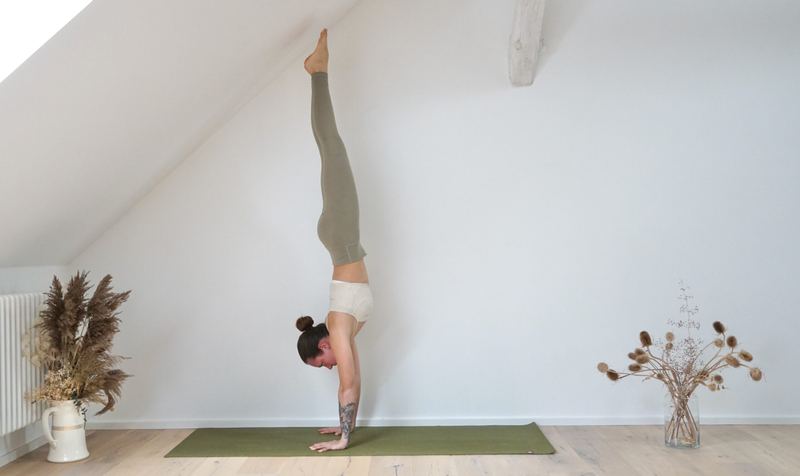
Meet Geraldine, a certified yoga teacher and psychology student who emphasizes mindfulness and alignment to inspire people toward a more peaceful life.
Common Mistakes
Common mistakes in the handstand are that the fingers are not spread wide enough, that you jump into the handstand in an uncontrolled way and that you have not warmed up sufficiently beforehand.
Our Tip
A tip for the handstand is to press the thumb, index and middle finger knuckles firmly into the floor to have a firm stance. This helps find the correct point of balance.
Variations
For beginners who practice the handstand and may be afraid of falling, it is recommended to first practice at the wall to develop a feel for the point of balance in the body. The hands should be about 10-20 cm from the wall.
Physical Effect
Defying Gravity
Adho Mukha Vrksasana, better known as the handstand, is an inverted posture that teaches us to defy gravity. It strengthens the musculature of the upper body, especially the shoulders, arms and wrist, by distributing the load of the entire body weight onto these areas.
Rejuvenating the Spine
In this handstand, the spine is relieved and stretched, which strengthens the entire back musculature and relieves the intervertebral discs. It is like a mini vacation for your back – a great antidote to hours of sitting or standing that can lead to back pain.
Reversing the Blood Flow
This asana fosters the return flow of blood from the legs and feet back to the heart and then to the brain. This can improve circulation and help ease the symptoms of varicose veins.
Effects on Psyche and Emotions
Fostering Fearlessness
Adho Mukha Vrksasana is a bold maneuver that helps us confront and overcome our fears.
Improving Concentration
This asana requires a high degree of mental concentration and precision, which helps cultivate a disciplined and focused mind.
Building Self-Confidence
Adho Mukha Vrksasana is a powerful asana that helps you strengthen your self-confidence. If you feel undervalued or have difficulty recognizing your inner strength, practicing this asana can help build your self-confidence and give you a feeling of capability.
Props
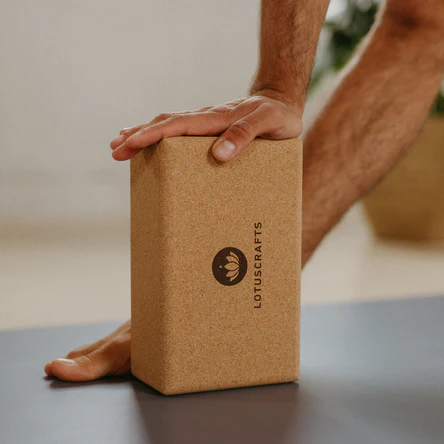
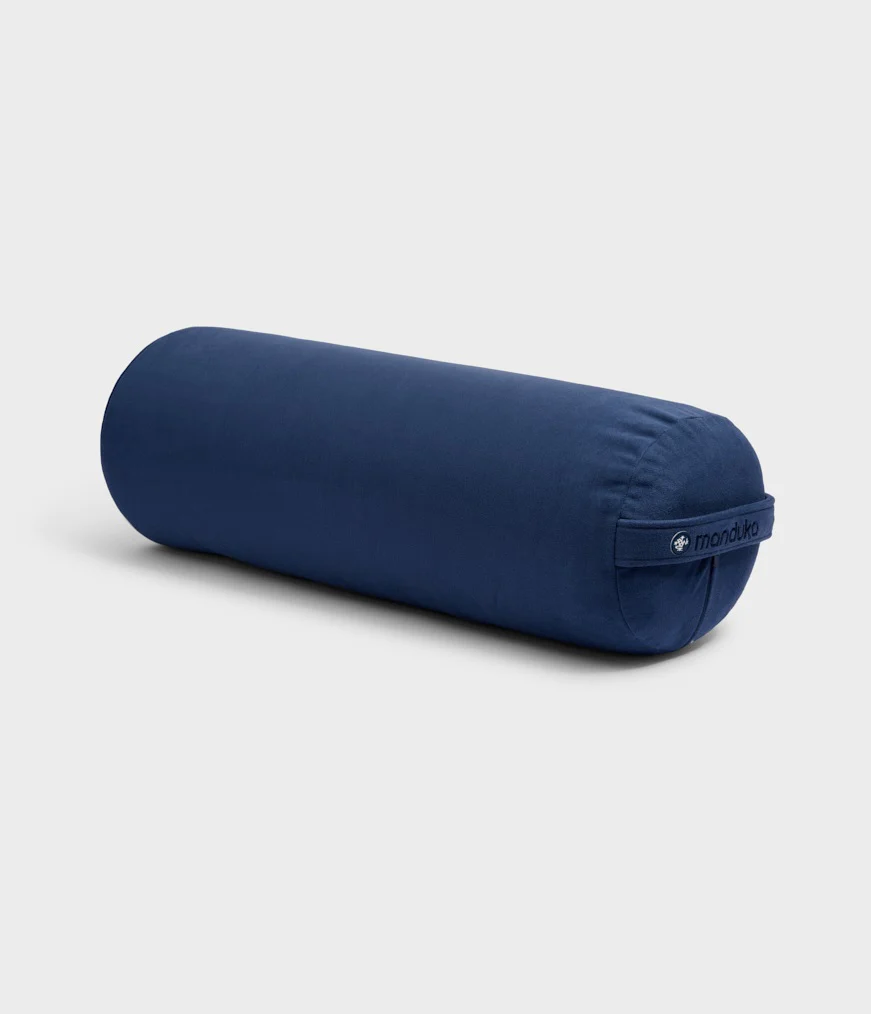
Also interesting!
Author of this Asana
Manish Rana is a certified yoga teacher and founder of asanaverse.de. He writes about topics around yoga, ayurveda and meditation. Manish owes his deep connection to yoga to his Indian roots, through which he came into contact with this practice early on.
Learn more about our team here →DISCOVER MORE
More Backbends
Get our free ebook with 108 asanas now!
With great care and passion, we have selected and described 108 of the most important asanas for you in detail!
Perfect for your practice and cues ;)
Thank you for being here!
Thank you for being here and being part of this ever-evolving platform! We strive to keep growing and improving.
Your feedback is invaluable. Namasté 🙏
Comments feature coming soon. 💬
Guide
Browse our guide now
Accessible Yoga Mobility: Chair Yoga and Inclusive Asanas for All Bodies
Ahimsa – Gewaltlosigkeit als Fundament des Yoga und Lebens
Yoga Sutras zusammengefasst – Kapitel 2 (Sadhana Pada): Pfad der Praxis
Meditation bei Überforderung und Angststörung: Achtsam bleiben in turbulenten Zeiten
12 Wege, das Sitzen in der Meditation zu erleichtern — Stabiler sitzen, tiefer meditieren
Brahmacharya: Quelle des Lebens für mehr Lebenskraft und Vitalität