Cannabis Withdrawal
Yoga for the First Weeks Without Cannabis
The first week is the part nobody prepares you for. Lying awake at two in the morning, irritable with people who did nothing, and a body that will not settle in a way that has no obvious answer.
This guide is about that stretch specifically. What the symptoms are and how long each one lasts, why sleep is the one worth building a practice around, what the research actually supports and what it does not, and what to do at three in the morning.
Who this guide is for
Signs this guide was written for you
What causes Cannabis Withdrawal
Sleep is the symptom that outlasts the others, and it is the one with the best evidence behind it.
Safety
When to practise and when to get it looked at
How to practise so it works
The asanas
The yoga poses that matter for Cannabis Withdrawal
Something to do when nothing settles
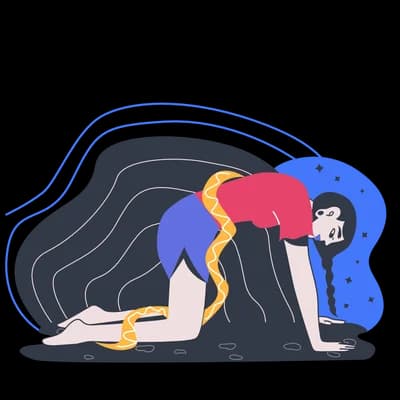
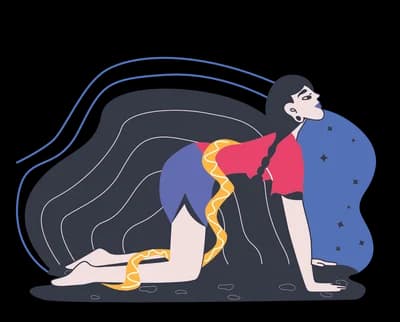
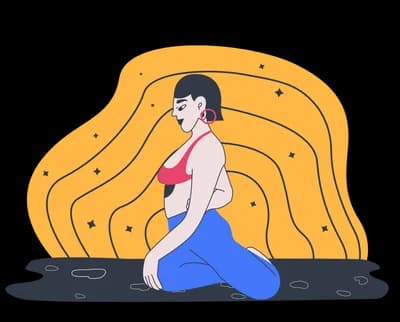
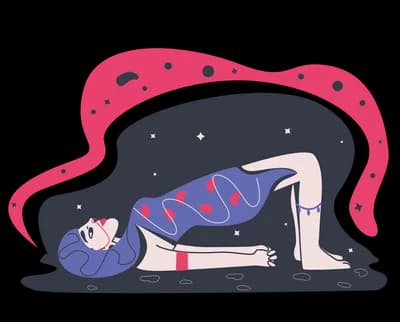
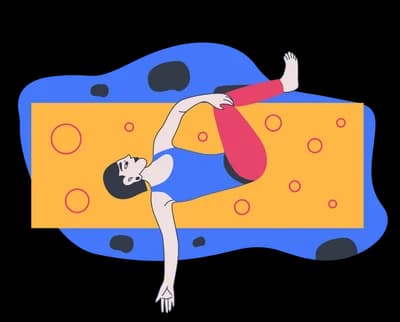
Supported, for the evening
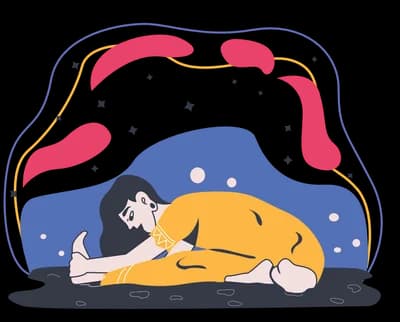
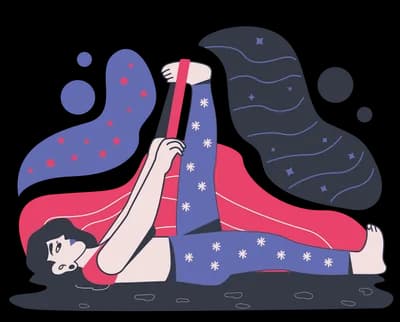
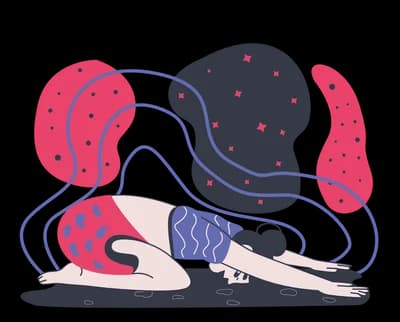
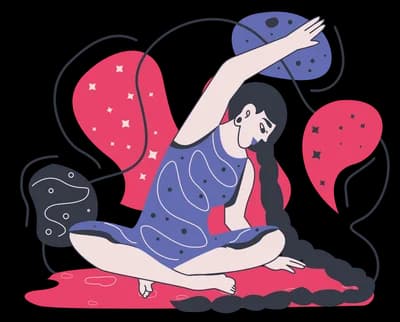
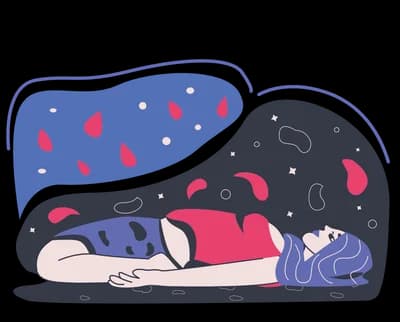
Where every session ends
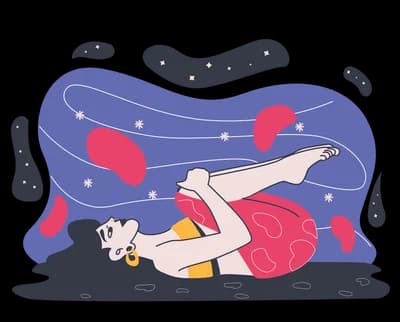
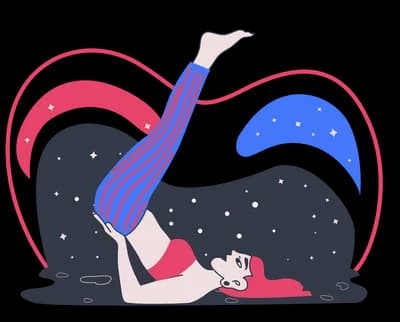
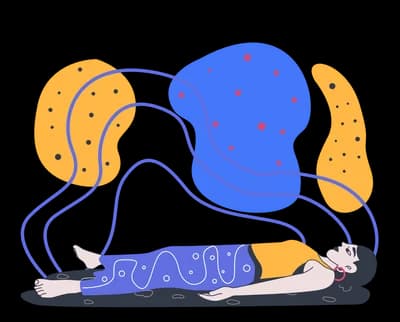
For yoga teachers
Teaching a class for Cannabis Withdrawal
Hand made yoga sequences for Cannabis Withdrawal
Full sequences you can teach or practise today
Build your own
Put together your own class for Cannabis Withdrawal
The sequence builder gives you all 108 asanas and lets you arrange them yourself. While you build, it watches the shape of the class: whether the intensity rises and falls the way a practice should, whether every strong pose gets its counterpose, and whether the order makes anatomical sense.
Save what you build, come back to it, and teach it. It is the fastest way to turn what you just read into a class of your own.
The research
What the studies actually found
There is no trial of yoga for cannabis withdrawal and it is better to say so than to imply otherwise. What exists is good adjacent evidence and one useful cannabis-specific finding. Yoga added to inpatient opioid withdrawal produced stabilisation more than four times faster, substantially less anxiety, and around an hour less time to fall asleep. Across 22 exercise trials with 1,537 people, craving, mood, anxiety, irritability and restlessness all improved. And in an inpatient cannabis trial, daily exercise improved sleep measured objectively while not changing withdrawal severity, which is the finding this program is built around.
Yoga for Opioid Withdrawal and Autonomic Regulation: A Randomized Clinical Trial
Read the source →Effects of exercise of different intensities on withdrawal symptoms among people with substance use disorder: a systematic review and meta-analysis
Read the source →Brief mindfulness intervention for adults with cannabis use disorder: a randomized controlled trial
Read the source →Yoga as a Complementary Therapy for Smoking Cessation: Results From BreathEasy, a Randomized Clinical Trial
Read the source →Effectiveness of a brief community outreach tobacco cessation intervention in India: a cluster randomised controlled trial
Read the source →Frequently Asked Questions
How long does cannabis withdrawal last?
Most symptoms start within a day, peak around day two or three, and settle within one to two weeks. Sleep is the exception. It affects up to three quarters of people who stop abruptly and can still be difficult a month or more later.
Does yoga help with cannabis withdrawal?
There is no trial of it, and that is worth knowing. What there is comes from adjacent ground: yoga added to inpatient opioid withdrawal produced much faster stabilisation, less anxiety and around an hour less time to fall asleep, and exercise trials across several substances improved craving, mood and restlessness.
Will this stop the cravings?
Possibly not, and the honest evidence is mixed. Yoga reduced craving in an alcohol dependence trial over two months. A brief mindfulness intervention in people with cannabis use disorder did not reduce use at all. Treat craving as a possible side benefit rather than the target.
What helps most with the sleep?
An evening practice with a real ending, and one that keeps anything stimulating in the first third. Long supported forward bends, legs up the wall, and five to eight minutes lying still at the end. That is the shape the sleep research uses and it is what these sessions do.
What do I do at three in the morning?
Ten minutes on the floor, or in bed with your legs up the headboard. It will not send you back to sleep on command. It gives a body that cannot settle something specific to do for ten minutes, which is often enough to change what happens next.
When do I need more than this?
If you are coming off alcohol or benzodiazepines at the same time, if you are being sick repeatedly, or if there is severe depression, thoughts of harming yourself or anything psychotic. All of those need medical or specialist support, and a practice belongs alongside that rather than instead of it.