
Balance and Movement with Parkinson’s
Yoga for Balance and Movement with Parkinson’s
The stoop arrived before you noticed it. Turning around takes more steps than it used to, a low chair takes a run up, and what has quietly changed most is how much you are willing to attempt.
This guide is for early to moderate Parkinson’s. What the research supports and where it stops, why the most effective balance poses are also the riskiest ones, how to make standing work safe without making it pointless, and an eight week program.
Who this guide is for
Signs this guide was written for you
What causes Balance and Movement with Parkinson’s
The poses with the best evidence for balance are the same ones with the highest chance of a fall.
Safety
When to practise and when to get it looked at
How to practise so it works
The asanas
The yoga poses that matter for Balance and Movement with Parkinson’s
Where the first two weeks happen
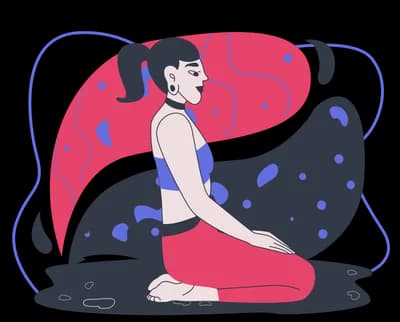
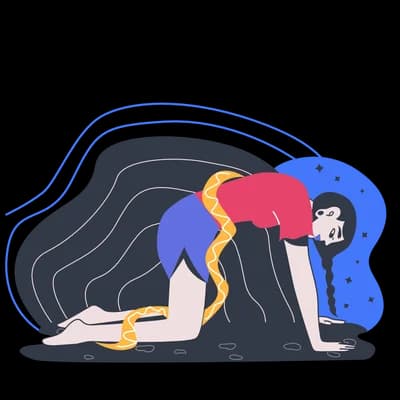
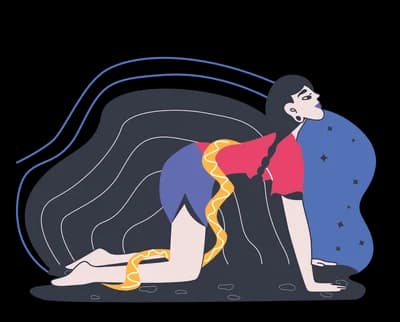


Standing, chair always in reach
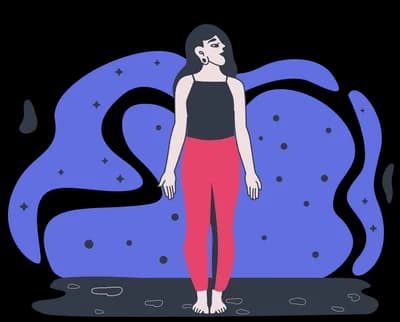
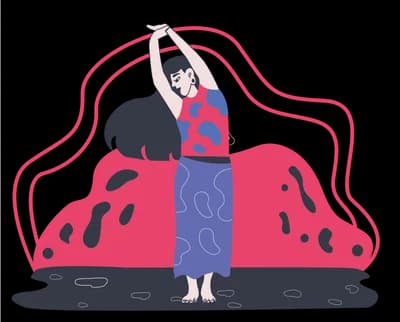
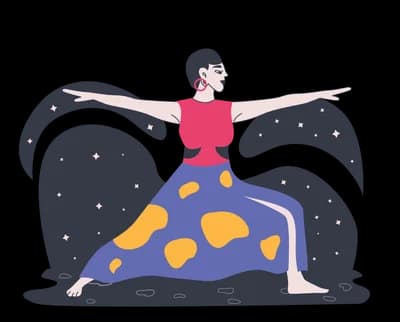
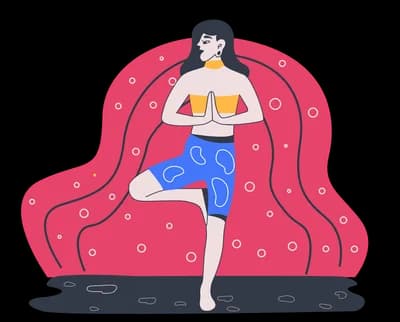
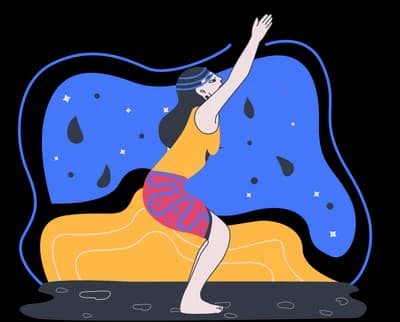
Against the forward stoop
For yoga teachers
Teaching a class for Balance and Movement with Parkinson’s
Hand made yoga sequences for Balance and Movement with Parkinson’s
Full sequences you can teach or practise today

Build your own
Put together your own class for Balance and Movement with Parkinson’s
The sequence builder gives you all 108 asanas and lets you arrange them yourself. While you build, it watches the shape of the class: whether the intensity rises and falls the way a practice should, whether every strong pose gets its counterpose, and whether the order makes anatomical sense.
Save what you build, come back to it, and teach it. It is the fastest way to turn what you just read into a class of your own.
The research
What the studies actually found
This is one of the better researched conditions on this site, and the picture is unusually consistent. A meta-analysis of 10 trials with 359 people found improvements in motor symptoms, balance, functional mobility, anxiety, depression and quality of life. The largest single trial found yoga clearly better than a structured exercise programme for anxiety, depression and quality of life, and not better for mobility. The trial closest to this program’s aim reduced fall risk over eight weeks in a group who reported being afraid of falling. All of it ran in person with qualified teachers, which is the line this program is built around rather than past.
The Effects of Yoga on Patients with Parkinson’s Disease: A Meta-Analysis of Randomized Controlled Trials
Read the source →Effects of Mindfulness Yoga vs Stretching and Resistance Training Exercises on Anxiety and Depression for People With Parkinson Disease
Read the source →Functional Improvements in Parkinson’s Disease Following a Randomized Trial of Yoga
Read the source →Effects of yoga on oxidative stress, motor function, and non-motor symptoms in Parkinson’s disease: a pilot randomized controlled trial
Read the source →Frequently Asked Questions
Does yoga help Parkinson’s disease?
More consistently than for most conditions. A meta-analysis of 10 trials with 359 people found significant improvements in motor symptoms, balance, functional mobility, anxiety, depression and quality of life. The trials are small and were all delivered in person by qualified teachers, so the size of the claim should stay modest.
How does it compare to ordinary exercise?
In the strongest direct comparison, 138 people did either eight weeks of yoga or a structured stretching and resistance programme. Yoga was better for anxiety, depression and quality of life, at eight weeks and still twelve weeks later. Mobility was not one of the outcomes where it came out ahead.
Which poses actually help balance?
The rationale points at single leg standing poses because they load the quadriceps, shins and calves. The problem is that those are also the poses most likely to cause a fall when postural stability is reduced. A heel lift with both hands on a chair keeps the muscle work and removes the risk, which is the version used here.
Can I do this if I have freezing of gait?
Not on your own. Freezing is the situation where somebody physically present matters most, and it should be worked on with a physiotherapist. The same goes for a fall in the past year or an untreated drop in blood pressure on standing.
Why does it matter when I practise?
Because an on-period and an off-period are two different bodies. Practising while medication is working means the session trains movement rather than fights for it, and it is the single most useful scheduling decision available.
Will this stop my symptoms getting worse?
Nothing in this research supports that claim and we are not going to make it. What the trials show is improvement in measured function, mood and quality of life over eight weeks. In one of them the motor gains had faded by six months while the anxiety gains had not, which is the clearest argument there is for continuing rather than finishing.
Related Practices