Balance and Movement After Stroke
Yoga for Balance and Movement After a Stroke
Rehabilitation ended and something was still unfinished. Standing up from a low chair takes a plan, turning around takes a hand on the counter, and nothing in the week is working on it any more.
This guide is about the chronic, stable phase, six months out and later. What the research actually found and where it falls short, why twice a week seems to matter more than how many weeks, how to start entirely seated, and an eight week program.
Who this guide is for
Signs this guide was written for you
What causes Balance and Movement After Stroke
How often you practise appears to matter more than how many weeks you do it for.
Safety
When to practise and when to get it looked at
How to practise so it works
The asanas
The yoga poses that matter for Balance and Movement After Stroke
Seated, for the first three weeks

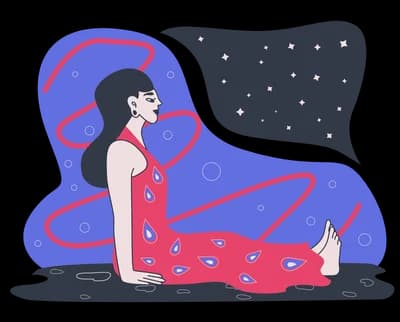



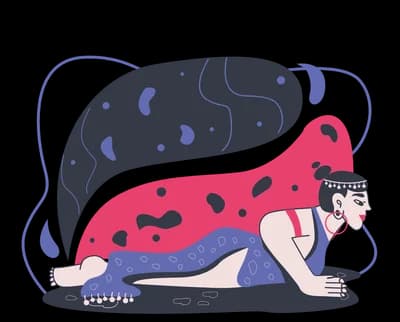
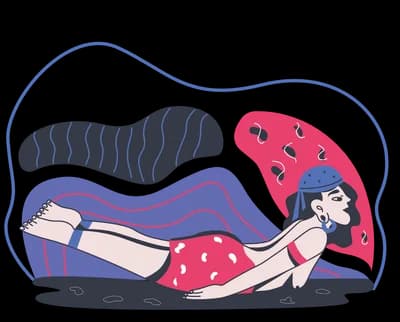
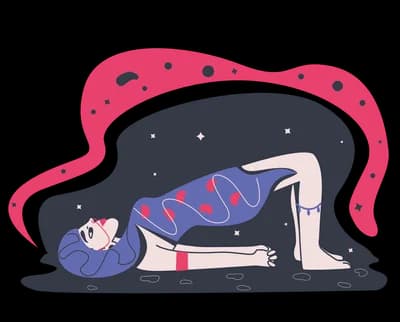
On the floor, where strength gets built
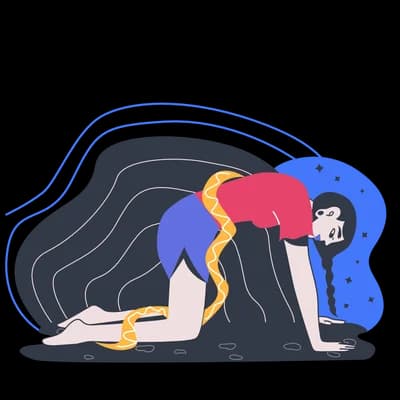
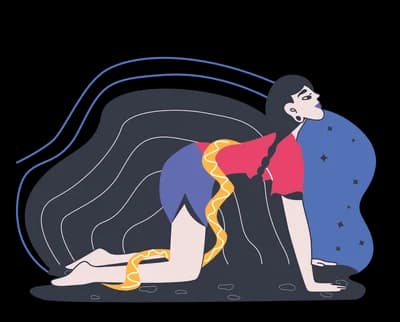
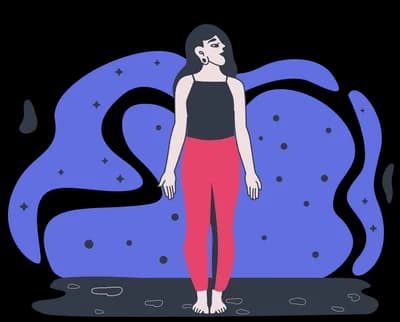
Standing, with a chair in front of you
For yoga teachers
Teaching a class for Balance and Movement After Stroke
Hand made yoga sequences for Balance and Movement After Stroke
Full sequences you can teach or practise today

Build your own
Put together your own class for Balance and Movement After Stroke
The sequence builder gives you all 108 asanas and lets you arrange them yourself. While you build, it watches the shape of the class: whether the intensity rises and falls the way a practice should, whether every strong pose gets its counterpose, and whether the order makes anatomical sense.
Save what you build, come back to it, and teach it. It is the fastest way to turn what you just read into a class of your own.
The research
What the studies actually found
This is a case where the pooled evidence and the individual trials point in different directions, and both halves belong on the page. The Cochrane review found two trials with 72 people, pooled their balance scores, found no significant effect, and graded the evidence very low. The larger of those two trials, taken on its own, found balance improving within the yoga group from 41.3 to 46.3 on the Berg Balance Scale across eight weeks of twice weekly sessions. The third trial, running once a week for ten weeks, found nothing on objective measures but clear improvements in perceived function and anxiety. What survives all three is the dosage pattern rather than a strong claim.
Poststroke balance improves with yoga: a pilot study
Read the source →Yoga for stroke rehabilitation
Read the source →Randomized controlled trial of yoga for chronic poststroke hemiparesis: motor function, mental health, and quality of life outcomes
Read the source →Frequently Asked Questions
Does yoga help balance after a stroke?
The picture is genuinely mixed and worth stating precisely. In the largest single trial, balance improved within the yoga group from 41.3 to 46.3 on the Berg Balance Scale over eight weeks and fear of falling dropped, with no significant difference against the waiting list group. The Cochrane review that pooled the two available trials found no significant effect and graded the evidence very low.
When is it safe to start?
At least six months after the stroke, medically stable, with formal rehabilitation finished or continuing alongside. The trial participants were on average four to nine years out. The acute and subacute phase belongs with a physiotherapist in the room.
How often should I practise?
Twice a week, plus a short seated session on a third day. That is the pattern that separates the trials that found improvements from the one that did not, and it is more reliable than trying to do one long session weekly.
Do I need to be able to get to the floor?
Not for the first three weeks. Every position in the seated phase has a chair version, including the ending. The floor work in the middle phase does need the floor, and staying seated longer is a reasonable choice rather than falling behind.
Can this replace my physiotherapy?
No. Every trial compared yoga against a waiting list, not against active physiotherapy, so there is simply no evidence on that question. The one trial that tested yoga added on top of standard rehabilitation is the model this program follows.
What if my affected side has reduced sensation?
Then check weight distribution by looking rather than by feel, particularly in anything on your front or on hands and knees. Reduced sensation is one of the clearest reasons to have someone else in the room, at least for the first few sessions of each phase.
Related Practices