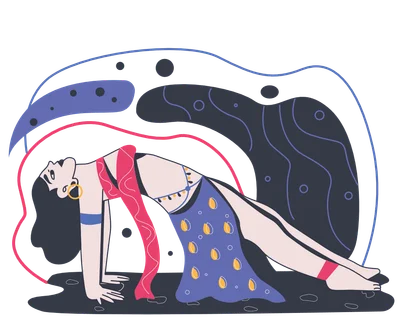
Category: Backbends
Backbends are asanas in which you gently stretch muscles and joints. They promote suppleness and mobility. Breathing in Backbends has a relaxing effect: you supply your muscles with oxygen and release tension.
VAYUS
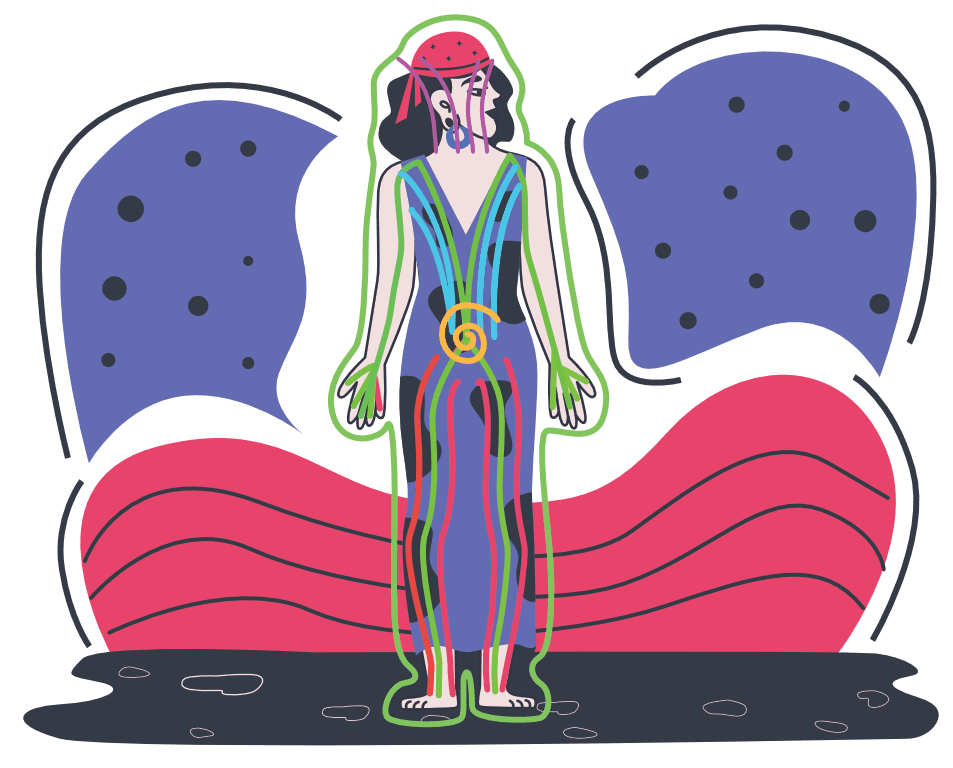
Each of the five Prana Vayus plays an essential role in our body and mind. They move and direct energy in specific directions, each with its own special area of influence and function. Upward Plank Pose has its own unique effects on these vayus.
Prana Vayu – Expansion of Consciousness
▼
Purvottanasana addresses the Prana Vayu, which sits in the heart and in the head and flows upward and inward. Through the opening of the ribcage and the extension of the upper body upward in this asana, Prana Vayu is strengthened. This fosters the energy circulation in the body and improves breathing, which calms the mind and increases the ability to concentrate.
Udana Vayu – The Ascending Energy
▼
Udana Vayu, centered in the area of throat and head, is responsible for the ascending energy and can be stimulated through Purvottanasana. Through the ascending position of the ribcage and the head, this asana can strengthen the Udana Vayu, which leads to an improvement of voice quality and expressiveness.
Vyana Vayu – Expansion and Opening
▼
The expansion in all directions in Purvottanasana can strengthen the Vyana Vayu, which works in the entire body and is responsible for the distribution and integration of energy. Through this integration and harmonization of the energies, the practitioner can feel more centered and balanced.
CHAKRAS
Anahata Chakra (Heart Chakra)
▼
In the center of the ribcage is the Anahata Chakra, which is especially activated in Purvottanasana. Its function is the perception of air and the quality of love, compassion and connection. In this asana we open our heart, which can lead to us opening ourselves to compassion and love.
Vishuddha Chakra (Throat Chakra)
▼
The Vishuddha Chakra, sitting in the throat area, is closely connected with the Udana Vayu and is influenced by the alignment of the throat in Purvottanasana. Its function is the perception of ether, and it represents the ability for communication and the expression of our truth.
Manipura Chakra (Solar Plexus Chakra)
▼
The intense extension of the upper body in Purvottanasana also activates the Manipura Chakra, located in the solar plexus area. This chakra is connected with the element fire and transformation.
KOSHAS
Annamaya Kosha (Physical Body)
▼
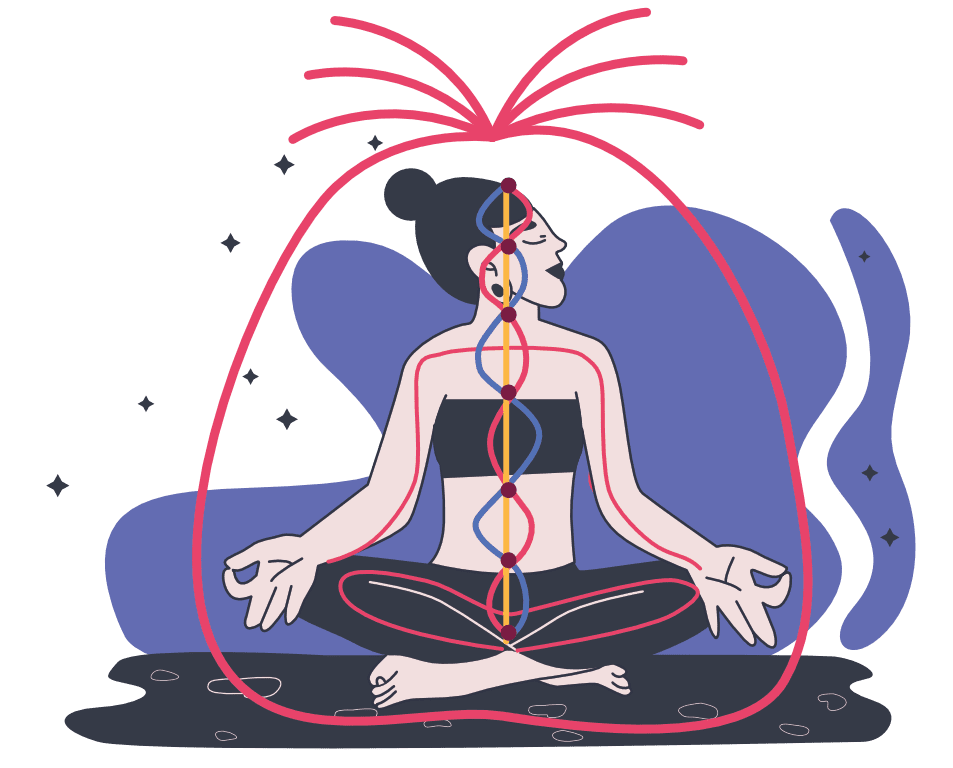
Annamaya Kosha represents the physical sheath, our physical body. Purvottanasana works especially on the upper body and the leg musculature. It strengthens and stretches the spine, opens the chest and activates the lower limbs.
Pranamaya Kosha (Energy Body)
▼
Pranamaya Kosha refers to our energy body, the sheath of prana or life energy. Through the opening of the ribcage in Purvottanasana, we improve the flow of energy and the breathing capacity.
Manomaya Kosha (Mental Body)
▼
Manomaya Kosha represents the emotional or mental sheath. Through the opening of the heart in Purvottanasana, we can open ourselves emotionally and release mental blockages.
Vijnanamaya Kosha (Intellectual Body)
▼
Vijnanamaya Kosha stands for our intuitive or wisdom-related sheath. Purvottanasana can strengthen our perception and mindfulness for our body and our mind. It can help us cultivate our inner wisdom and intuition.
Anandamaya Kosha (Spiritual Body)
▼
Anandamaya Kosha represents the sheath of bliss. By releasing our physical and emotional tension in Purvottanasana, we open ourselves to deep joy and contentment.
DOSHAS
Vata
▼
Purvottanasana can increase the Vata dosha (Vata+), as the back-bending and opening nature of the pose strengthens the light and airy qualities of Vata. The intense stretch and the lifting of the body foster movement and expansion, which can lead to restlessness or overstimulation in Vata types if the pose is not practiced with mindfulness and grounding.
Pitta
▼
Purvottanasana can increase the Pitta dosha (Pitta+), as the powerful backbend and the active posture increase the inner heat. The pose activates the digestive fire (Agni) and can strengthen the fiery nature of Pitta, which can lead to overheating or irritability if it is practiced excessively or without sufficient mindfulness.
Kapha
▼
Purvottanasana reduces the Kapha dosha (Kapha-) by energizing the body and stimulating circulation. The pose opens the ribcage, stretches the shoulders and strengthens the back musculature, which helps reduce the typical Kapha heaviness and sluggishness. Through the active extension and the lifting of the body, stagnant energy is mobilized, which leads to a feeling of lightness and vitality.

Key Information for Correct Execution
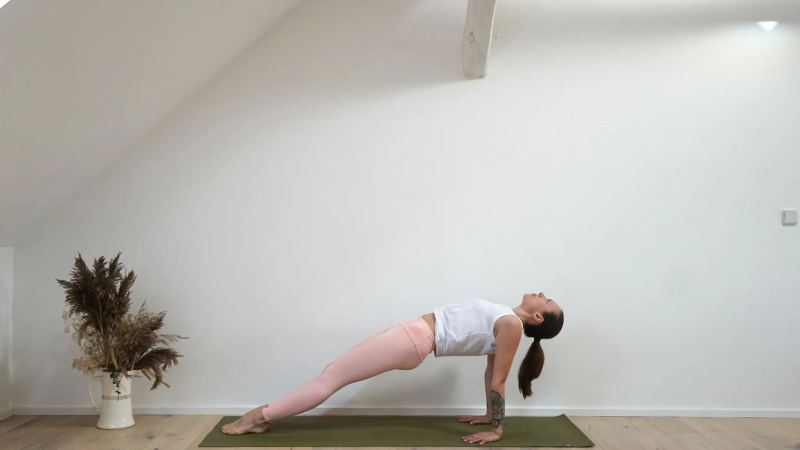
Meet Geraldine, a certified yoga teacher and psychology student who emphasizes mindfulness and alignment to inspire people toward a more peaceful life.
Common Mistakes
Common mistakes in this posture are sinking into the shoulders, having the shoulders too close to the ears and not positioning the shoulders over the wrists.
Our Tip
A tip is that the upward plank position looks simple at first glance, but it can be quite challenging to bring the entire sole to the floor. The more you lift the pelvis, the easier it becomes to get the feet to the floor. Start first with the half upward plank with bent legs to gradually increase.
Variations
There is an easier variation of the upward plank position in which you work with bent legs, place your feet directly under your knees and lift the pelvis from there. If your neck feels painful, you can keep the chin drawn toward the chest and avoid dropping the head back.
Physical Effect
Heartfelt Stretching
Purvottanasana is known for its ability to stretch the muscles of the ribcage and the front shoulder musculature. This can help release tension in these areas caused by prolonged sitting or a poor posture. In addition, through this stretch the heart can take in more oxygen, which can improve the general circulation.
Powerful Legs
The leg musculature is strongly engaged in this asana, especially the quadriceps. This can help increase leg strength and tone the musculature. In addition, this asana can help improve the bone density in the legs and thus contribute to the prevention of osteoporosis.
Back Revitalization
The back and gluteal musculature is activated and strengthened in Purvottanasana. This can help ease back pain and improve the general posture. This asana can be especially helpful for people who spend a lot of time sitting and therefore tend toward tension in the lower back.
Effects on Psyche and Emotions
Heart Opener
Purvottanasana is a heart-opening pose that helps release emotional blockages and foster compassion, love and acceptance. Through the opening of the heart center, we can free ourselves from old, harmful patterns and allow ourselves more openness and acceptance toward ourselves and others.
Being Courageous
By aligning the body physically forward and upward, Purvottanasana encourages us to be courageous and look forward. This can help break down fears and insecurities and strengthen self-confidence and courage.
Grounding and Centering
The intense grounding in this asana helps foster a calm and stable mind, which can be helpful in coping with stress and restlessness. When we feel grounded and centered, we can respond better to the challenges of life.
Props
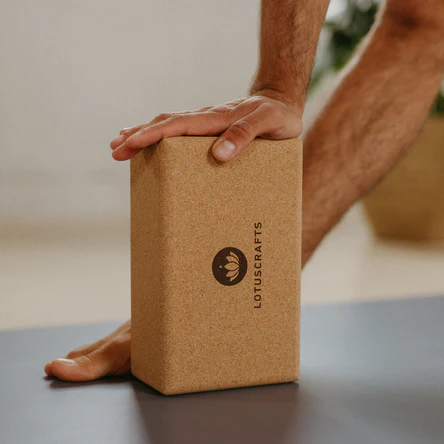
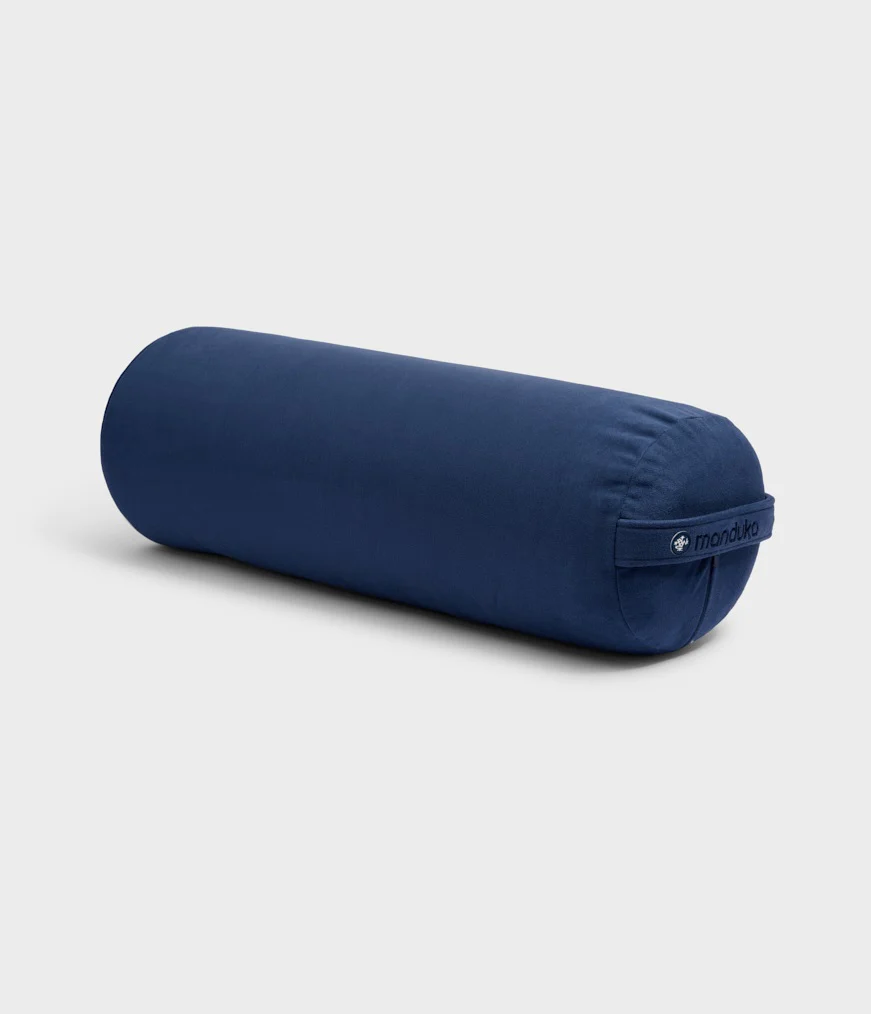
Also interesting!
Author of this Asana
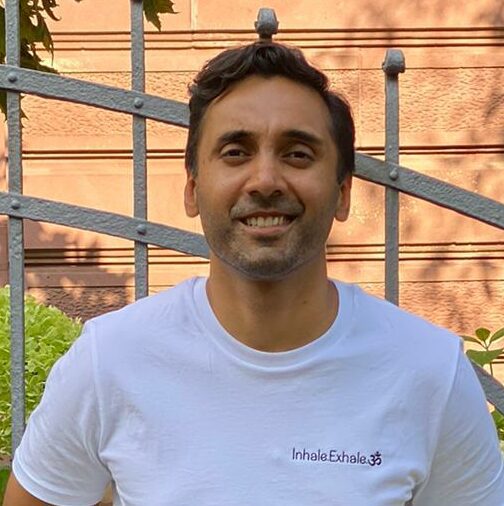
Manish Rana is a certified yoga teacher and founder of asanaverse.de. He writes about topics around yoga, ayurveda and meditation. Manish owes his deep connection to yoga to his Indian roots, through which he came into contact with this practice early on.
Learn more about our team here →DISCOVER MORE
More Backbends
Get our free ebook with 108 asanas now!
With great care and passion, we have selected and described 108 of the most important asanas for you in detail!
Perfect for your practice and cues ;)
Thank you for being here!
Thank you for being here and being part of this ever-evolving platform! We strive to keep growing and improving.
Your feedback is invaluable. Namasté 🙏
Comments feature coming soon. 💬
Guide
Browse our guide now
Accessible Yoga Mobility: Chair Yoga and Inclusive Asanas for All Bodies
Ahimsa – Gewaltlosigkeit als Fundament des Yoga und Lebens
Yoga Sutras zusammengefasst – Kapitel 2 (Sadhana Pada): Pfad der Praxis
Meditation bei Überforderung und Angststörung: Achtsam bleiben in turbulenten Zeiten
12 Wege, das Sitzen in der Meditation zu erleichtern — Stabiler sitzen, tiefer meditieren
Brahmacharya: Quelle des Lebens für mehr Lebenskraft und Vitalität