Category: Backbends
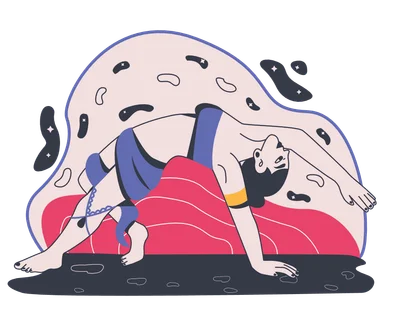
Backbends are asanas in which you gently stretch muscles and joints. They promote suppleness and mobility. Breathing in Backbends has a relaxing effect: you supply your muscles with oxygen and release tension.
VAYUS
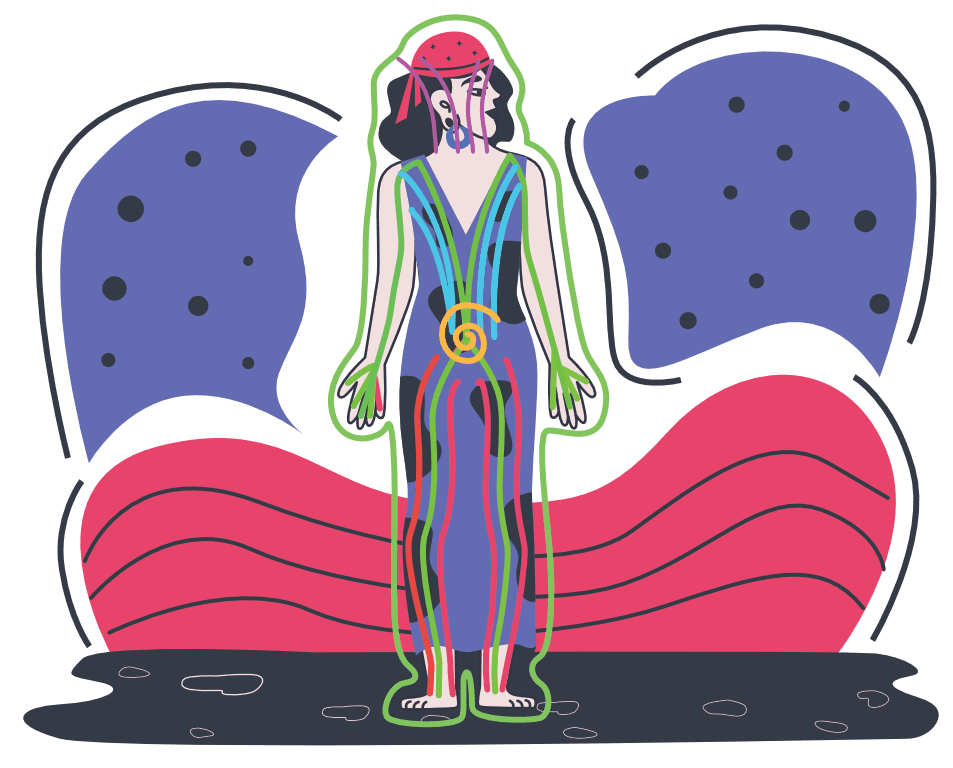
Each of the five Prana Vayus plays an essential role in our body and mind. They move and direct energy in specific directions, each with its own special area of influence and function. Wild Thing has its own unique effects on these vayus.
Apana Vayu – The Grounding Force
▼
In Camatkarasana, Apana Vayu works especially through the firmly anchored feet and the activated pelvic region. This posture fosters a strong connection to the earth, which helps cultivate stability and a downward energy in the body.
Vyana Vayu – Expansion and Opening
▼
The powerful opening of the ribcage and the expanse of the arms in Camatkarasana stimulate Vyana Vayu, the energy that distributes throughout the entire body. The pose allows an expansive movement of energy outward and creates a free, flowing connection in the limbs.
Samana Vayu – The Balancing Force
▼
Through the twist and alignment of the spine and the balance in the core, Samana Vayu, responsible for the balance in the body center, is addressed. The pose fosters a harmonious distribution of energy around the navel area, supports balance and helps stabilize the central energy.
CHAKRAS
Anahata Chakra (Heart Chakra)
▼
Camatkarasana, with its expansive and open posture, works strongly on the Anahata Chakra in the chest area. The pose opens the heart space and fosters feelings of love, compassion and joy. This activation helps open the heart for connections and emotional openness and is especially useful for moments in which one wants to invite more compassion and love into one's life.
Ajna Chakra (Brow Chakra)
▼
The balance and the concentration that Camatkarasana requires address the Ajna Chakra, also known as the “third eye”. This chakra, which stands for intuition and insight, is activated through the focused mind. In the pose, the trust in one's own intuition is strengthened, which is helpful for developing inner clarity and foresight.
Sahasrara Chakra (Crown Chakra)
▼
The energy in Camatkarasana moves from the heart space upward and opens the access to the Sahasrara Chakra at the crown of the head. This chakra stands for our spiritual connection and enlightenment. The posture fosters an energetic alignment upward, which creates a feeling of connection to the higher consciousness and to the universal energy.
KOSHAS
Annamaya Kosha (Physical Body)
▼
Camatkarasana strengthens arms, shoulders and legs.
Pranamaya Kosha (Energy Body)
▼
Pranamaya Kosha: The asana expands the chest and fosters breathing.
Manomaya Kosha (Mental Body)
▼
Camatkarasana helps relax the mind and release creativity.
Vijnanamaya Kosha (Intellectual Body)
▼
Through the practice of Camatkarasana you develop a better body awareness and learn to listen to your intuition.
Anandamaya Kosha (Spiritual Body)
▼
The asana fosters joy and fun, so that you feel like a child on the playground of your soul!

DOSHAS
Vata
▼
Camatkarasana can increase the Vata dosha (Vata+), as the expressive and open nature of the pose strengthens the light and mobile qualities of Vata. The pose fosters creativity, freedom and expansion, which can lead to restlessness or overstimulation in Vata types if it is not practiced with mindfulness and grounding.
Pitta
▼
Camatkarasana can increase the Pitta dosha (Pitta+), as the powerful backbend and the active posture increase the inner heat. The pose activates the digestive fire (Agni) and can strengthen the fiery nature of Pitta, which can lead to overheating or irritability if it is practiced excessively or without sufficient mindfulness.
Kapha
▼
Camatkarasana reduces the Kapha dosha (Kapha-) by stimulating the flow of energy and enlivening the body. The dynamic backbend opens the ribcage, stretches the shoulders and activates the musculature, which helps reduce the typical Kapha heaviness and sluggishness.

Key Information for Correct Execution
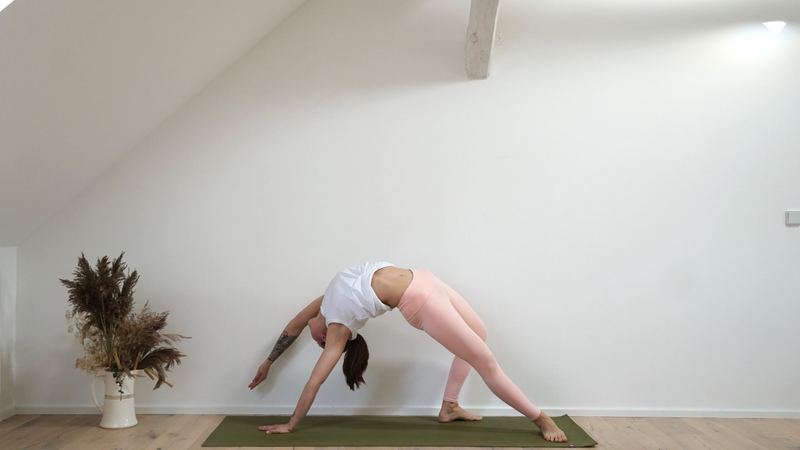
Meet Geraldine, a certified yoga teacher and psychology student who emphasizes mindfulness and alignment to inspire people toward a more peaceful life.
Common Mistakes
Common mistakes in Wild Thing are an unstable lower hand and the arm on the floor as well as toes not pointed far enough back.
Our Tip
A tip is to take a moment before pushing yourself up into the pose to set up the correct foot position and bring the placed foot closer to the head.
Variations
There is a variation to enter the pose by coming from the Side Plank (Vasisthasana) and placing the upper leg bent behind you to push yourself up into the pose from there. This is a good option for beginners who find the entry via the side plank easier.
Physical Effect
Improvement of Shoulder Stability
Camatkarasana strengthens the shoulder joints and the rotator cuff, which is especially helpful for yogis who want to improve their arm balances and inversions.
Mobilization of the Thoracic Spine
Camatkarasana fosters the mobility of the thoracic spine, whereby tension in the middle back area can be released. This is especially important for yogis who sit a lot or have a rounded back.
Activation of the Hip Flexor
Camatkarasana stretches and activates the hip flexor, especially the iliopsoas, which increases hip mobility and stability. This is beneficial for yogis who want to improve their hip-opener asanas or ease complaints in the hip region.
Effects on Psyche and Emotions
Joy and Lightness
Camatkarasana brings joy and lightness into your life. So if you feel overwhelmed by everyday life again, let the “wild thing” out and recharge energy for the next challenges.
Self-Acceptance
The asana fosters self-acceptance and self-love. When practicing Camatkarasana, you learn to appreciate your body and your uniqueness.
Creativity
Camatkarasana helps foster creativity and inspiration. Example: If you are stuck in a creative block or looking for new ideas, this asana can help you open your mind and get the creative flow going again.
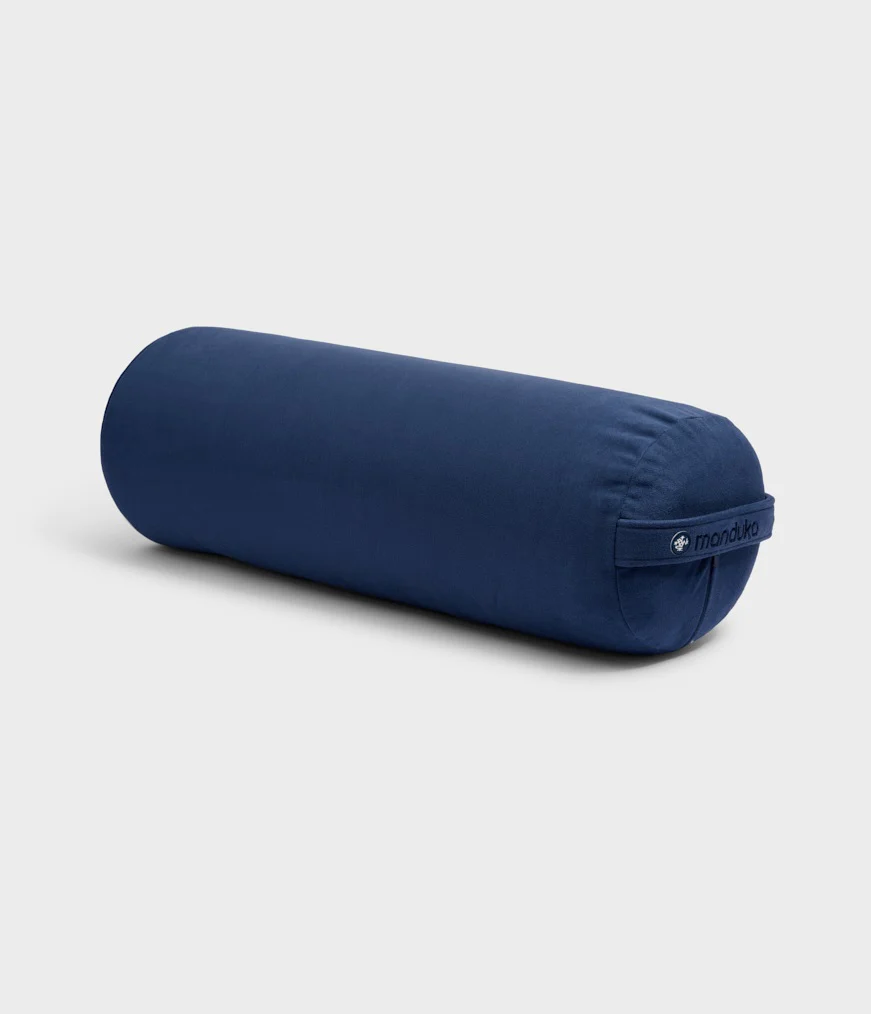
Props
Also interesting!
Author of this Asana
Manish Rana is a certified yoga teacher and founder of asanaverse.de. He writes about topics around yoga, ayurveda and meditation. Manish owes his deep connection to yoga to his Indian roots, through which he came into contact with this practice early on.
Learn more about our team here →DISCOVER MORE
More Backbends
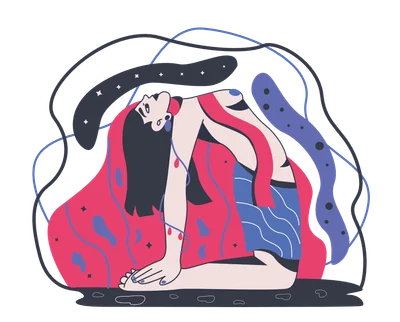
Get our free ebook with 108 asanas now!
With great care and passion, we have selected and described 108 of the most important asanas for you in detail!
Perfect for your practice and cues ;)
Thank you for being here!
Thank you for being here and being part of this ever-evolving platform! We strive to keep growing and improving.
Your feedback is invaluable. Namasté 🙏
Comments feature coming soon. 💬
Guide
Browse our guide now
Accessible Yoga Mobility: Chair Yoga and Inclusive Asanas for All Bodies
Ahimsa – Gewaltlosigkeit als Fundament des Yoga und Lebens
Yoga Sutras zusammengefasst – Kapitel 2 (Sadhana Pada): Pfad der Praxis
Meditation bei Überforderung und Angststörung: Achtsam bleiben in turbulenten Zeiten
12 Wege, das Sitzen in der Meditation zu erleichtern — Stabiler sitzen, tiefer meditieren
Brahmacharya: Quelle des Lebens für mehr Lebenskraft und Vitalität