Asanaverse

Chronic Neck and Upper Back Tension

Yoga for a Neck and Upper Back That Never Fully Let Go

Neck tension that keeps coming back is a different problem from a neck you slept on badly. There is usually nothing to point at on a scan, the advice was to move more without much detail, and by now you have a chair, a screen and a habit that all pull in the same direction.

This guide is the reasoning behind the practice. Which movements a stiff upper back actually needs, why the work happens at the shoulder blades rather than at the neck, what the research supports and what it does not, and when tension is a signal that belongs with a doctor instead.

It is worst by late afternoon and mostly gone by morning, and it has been doing that for months. Turning your head to look behind you has quietly become a movement of the whole body.

Before you start

Yoga for neck pain came through the trials with a good safety record and a few honest footnotes. Participants reported temporary worsening of neck pain, muscle soreness, limb pain, and in the Iyengar studies occasional migraine and vertigo. None of that is a reason not to practise. What matters more is the short list below, where neck pain is a signal of something else and a movement program is simply the wrong first step.

See a doctor first if any of this applies

  • ·Numbness, pins and needles, or loss of strength in an arm or hand.
  • ·The pain started with an accident, a fall onto the head or neck, or any other trauma.
  • ·You have a diagnosed cervical myelopathy, an instability, or you have had neck surgery.
  • ·Moving your head or neck triggers dizziness.
  • ·Strong pain that shoots down into the arm or hand rather than staying in the neck and shoulder.

If none of that applies, practise like this

  • ·Soreness between the shoulder blades a day or two after a session that asked more is expected, and it settles. It is not the pain you came here about.
  • ·A worsening that lasts several days, any new numbness or weakness, or an episode of migraine or vertigo is a stop signal rather than something to practise through.
  • ·The ribcage turns first and the head follows. If your chin is leading a movement, start it again from the middle of your back.
  • ·Never throw the head back in a backbend. Keep the back of the neck long and let the chest do the opening.
  • ·Use a strap in Cow Face arms and a block in Triangle. Reaching further with a rounded shoulder is worse than reaching less with a good one.

Open the front of the shoulders

Cow Face PoseIntermediate

Gomukhasana

Cow Face arms takes one shoulder into external rotation and the other into internal rotation at the same time. That pair of movements is exactly what a desk removes, and it appears in almost every Iyengar neck protocol.

Heart-Melting PoseIntermediate

Anahatasana

The strongest thoracic extension available with no load on the neck at all. The hips stay over the knees, the chest melts, and the front of the shoulders lengthens without anything having to hold you up.

Urdhva Hastasana

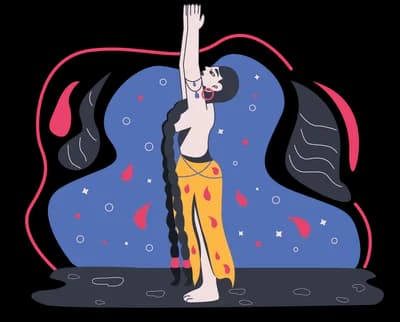
Getting the arms overhead without arching the lower back or shrugging is deceptively hard for a stiff upper back. It is also the position most days never ask for.

Bridge PoseIntermediate

Setu Bandha Sarvangasana

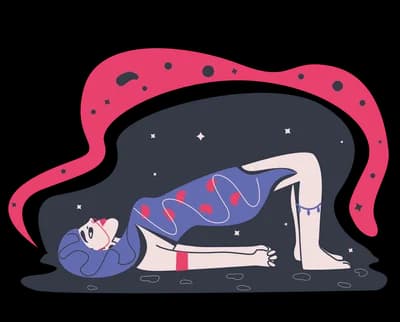
Bridge with the shoulders rolled underneath opens the chest from the opposite direction, under a little load. It is the counter to every hour spent reaching forward.

Camel PoseIntermediate

Ustrasana

The largest chest opener in the program, and the one that needs the most care. The back of the neck stays long and the head is supported, never thrown back.

Move the upper back, not the neck

Cow PoseBeginner

Bitilasana

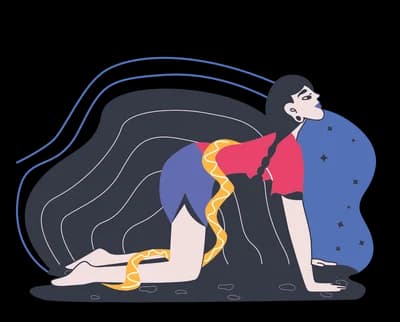
Cow is extension that belongs to the ribcage. Doing it without cranking the head back is the whole lesson of this guide in one pose.

Revolved Easy PoseIntermediate

Parivrtta Sukhasana

A seated twist where the ribs turn first and the head arrives last. That order is precisely what a stiff neck has stopped using, and it is retrainable.

Bharadvaja's TwistIntermediate

Bharadvajasana 1

Bharadvaja's Twist adds the shoulder to the rotation with the pelvis quiet. It shows up in nearly every documented neck protocol, and this is why.

Ardha Matsyendrasana

A deeper seated twist for later in the program, with the arm pressing against the leg. The pressure is what lets the mid back turn further than it manages on its own.

Pyramid PoseIntermediate

Parshvottanasana

Pyramid Pose lengthens the whole back of the body and, with the hands clasped behind, opens the chest while the head hangs free. Its revolved version is the strongest rotation in the plan.

Build something that holds you up

Tadasana

Standing well is not a pose, it is the thing every other standing pose is a variation of. It is also the cheapest place to notice where your head sits over your ribs.

Utthita Parsvakonasana

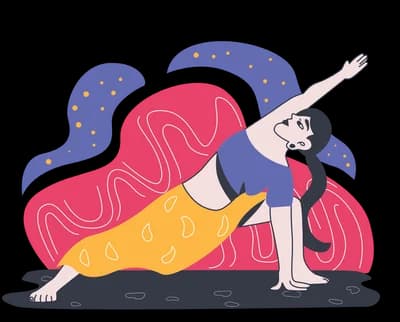
Extended Side Angle turns the ribcage open while the top arm reaches. The rotation under load is the useful part, not the side bend.

Trikonasana

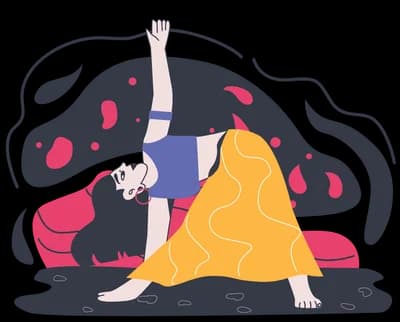
Triangle loads the top arm straight up for the length of the hold. Endurance in that position is what stops the shoulders creeping up by mid afternoon.

Tree PoseBeginner

Vrkasana

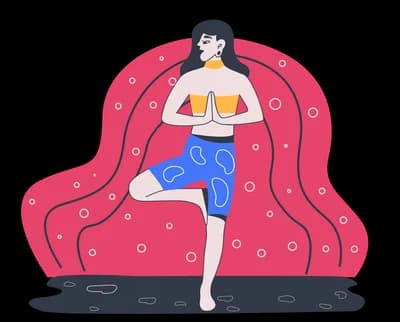
Tree Pose asks the trunk to stabilise on one leg with the arms up. Balance and shoulder blade control turn out to be the same skill seen from two sides.

Staff PoseBeginner

Dandasana

Staff Pose looks like sitting and is not. Holding the spine upright with the legs straight is a plain endurance test for exactly the muscles that give up first.

Let the shoulders come down

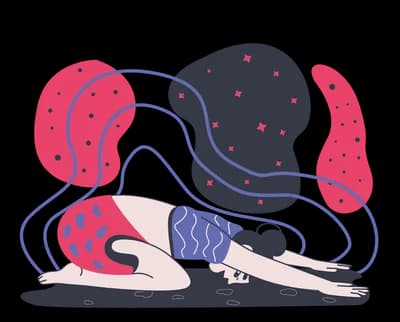
Child's PoseBeginner

Balasana

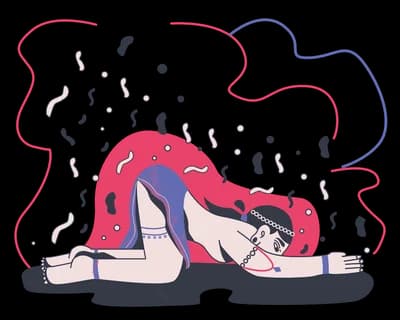
Child's Pose with the arms alongside the body lets the shoulders roll forward and rest. They almost never do that in a normal day.

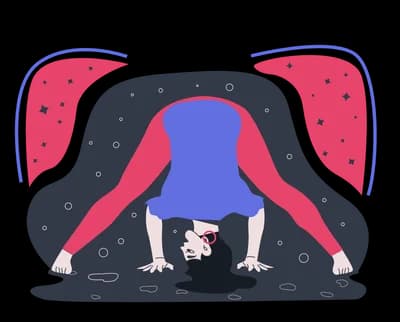
Prasarita Padottanasana

A wide legged fold with the hands clasped behind lets gravity do the shoulder opening, so the neck can stay completely passive while it happens.

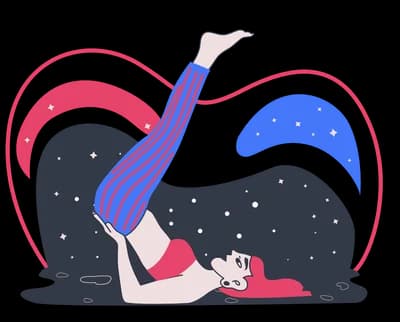
Viparita Karani

Legs up the wall asks for nothing at all. For a shoulder girdle that has been working all day, an inversion with no effort in it is its own kind of useful.

Supta Virasana

Reclining Hero opens the front of the body over support rather than through effort. Props are not a lesser version here, they are how the pose works.

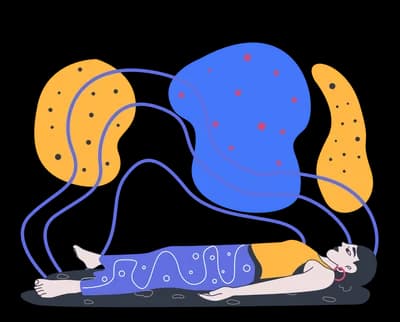
Corpse PoseBeginner

Savasana

With a folded towel under the head and a loose jaw. The jaw is part of a tight neck more often than people expect, and it lets go last.

Ready to practice

Chronic Neck and Upper Back Tension sequences you can follow today

Full practices with timings, cues and the reason each pose sits where it does. Pick the one that matches the time you actually have.

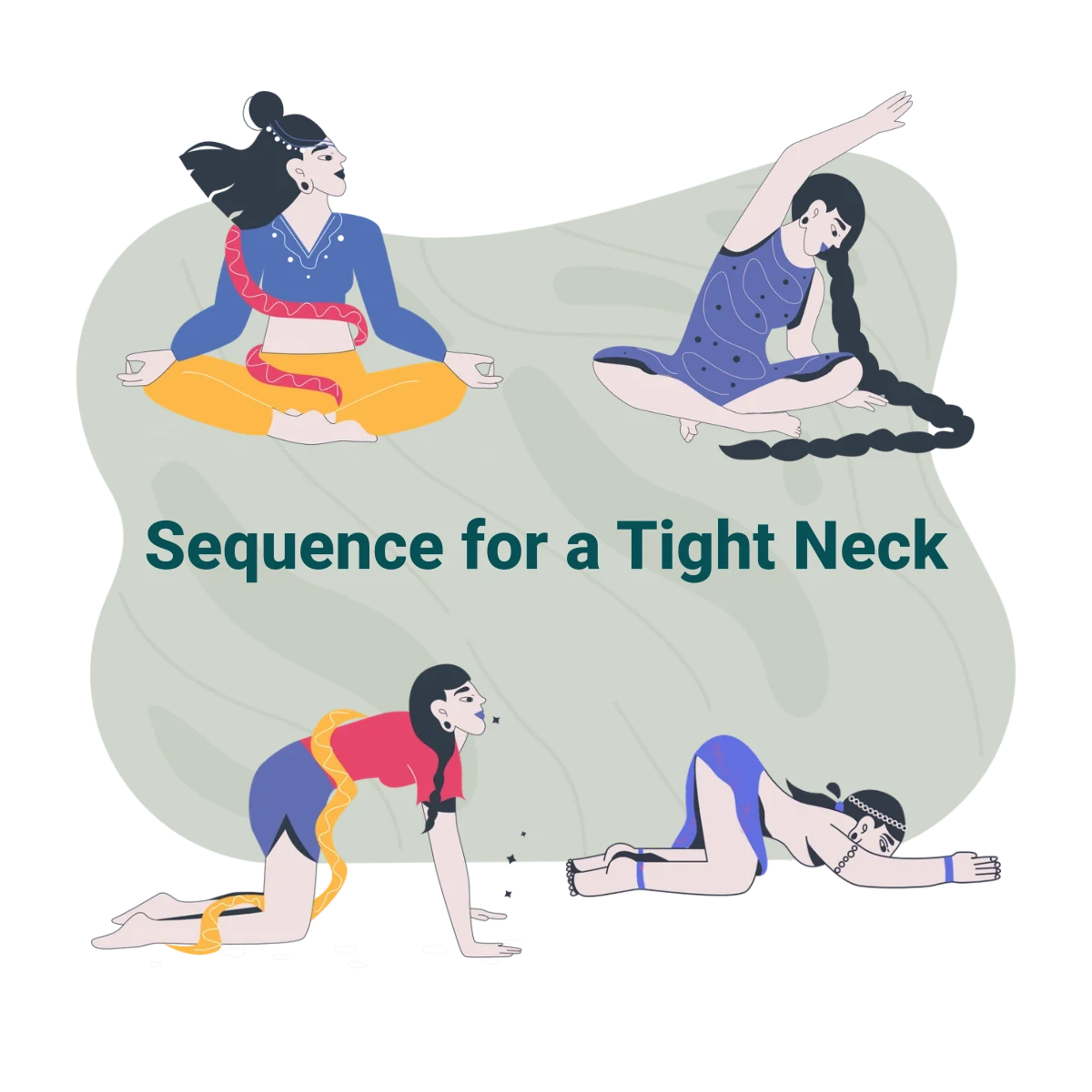
Ten Minutes for a Tight Neck

10 min · Beginner

Ten Minutes for a Tight Neck

The short practice for the middle of a working day

Ten minutes, four of them sitting, and you can do most of it without changing clothes. This is the practice for the days between the long ones, and for the moment in the afternoon when your shoulders have crept up towards your ears again. It is not a smaller version of the real session. Its job is to interrupt the position you have been in since breakfast, often enough that the body does not settle into it.

Go to sequence →
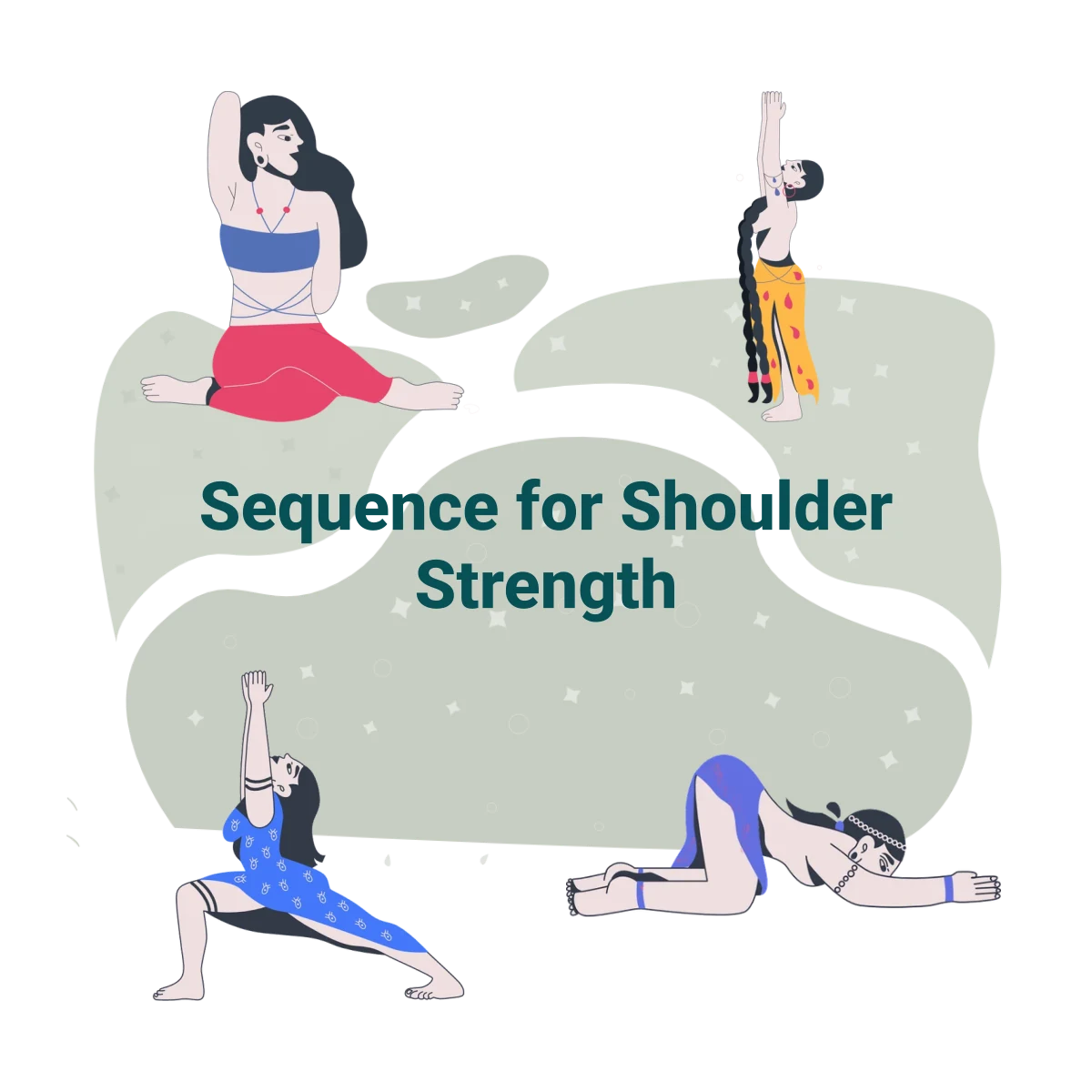
Fifteen Minutes of Shoulder Strength

15 min · Beginner

Fifteen Minutes of Shoulder Strength

The short practice for the middle of the program

Fifteen minutes, standing for most of it, and unlike the ten minute floor practice this one asks for effort. Cow Face arms to open, then four standing poses that keep the arms away from the body long enough to count as work, then two minutes on the floor. It is short because the poses are held rather than repeated, and because a shoulder girdle responds to being asked often more than to being asked long.

Go to sequence →
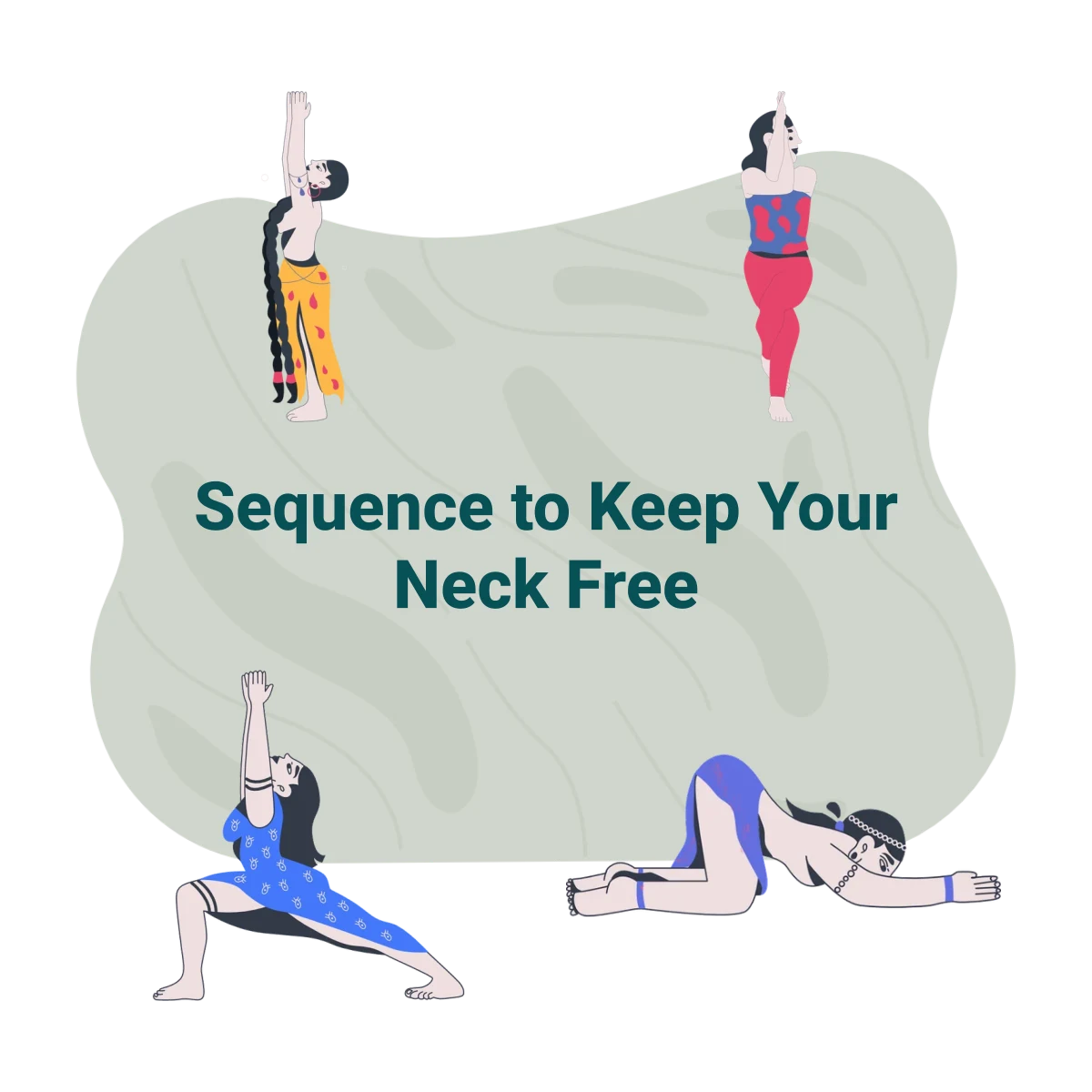
Fifteen Minutes to Keep Your Neck Free

15 min · Intermediate

Fifteen Minutes to Keep Your Neck Free

The standing practice for after the program

This is the practice that outlives the nine weeks. Everything that made the difference, in the shortest form it still works in: arms overhead, eagle arms for the shoulder blades, two loaded standing poses, one thoracic opener and a twist. Fifteen minutes once or twice a week is roughly what it takes to hold what two months of work built, and holding a neck is far easier than getting it back.

Go to sequence →
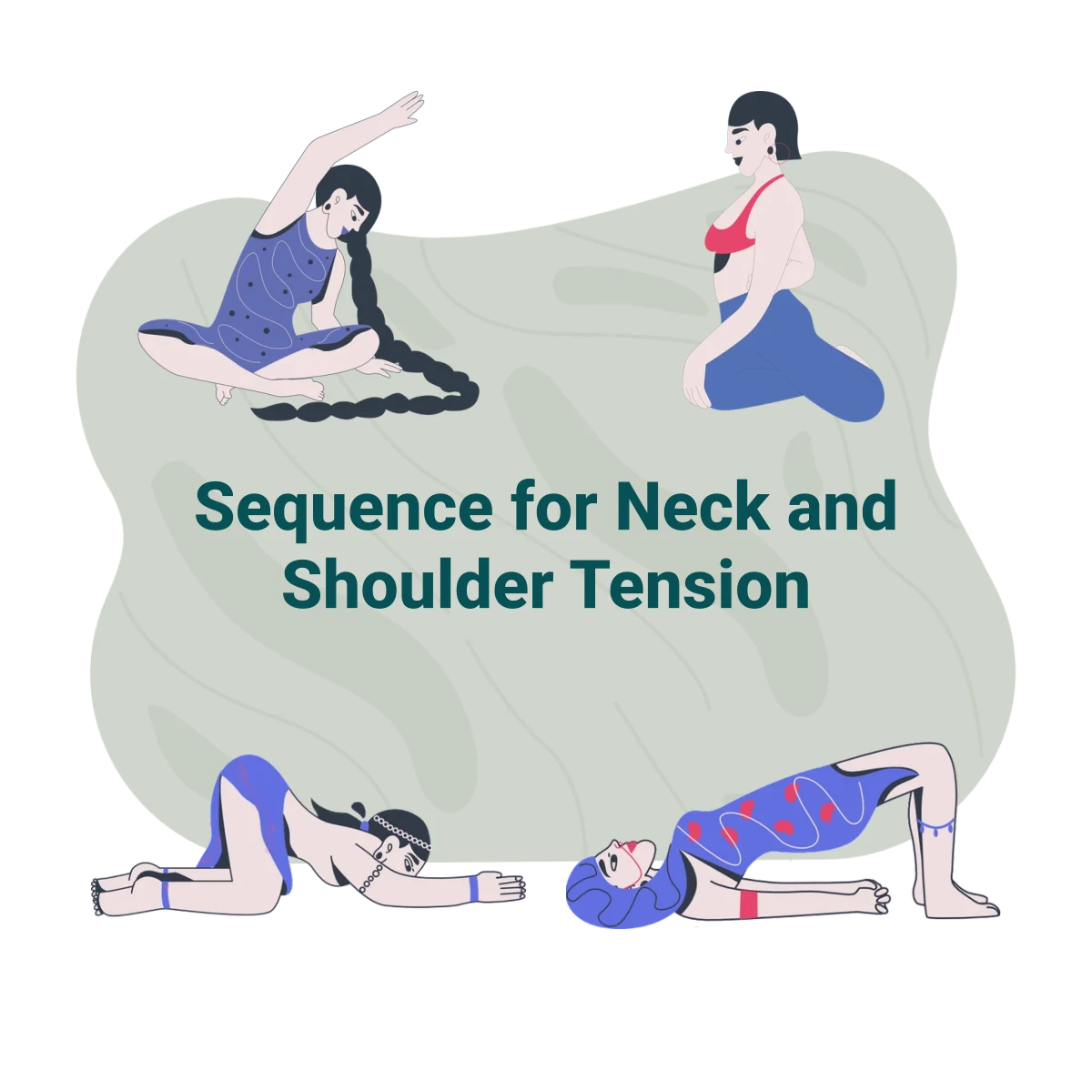
Gentle Yoga for Neck and Shoulder Tension

35 min · Beginner

Gentle Yoga for Neck and Shoulder Tension

Thirty-five minutes that work on the neck without pulling on it

The first thing to know about a neck that has been tight for months is that the neck is usually not where the work happens. The trials that found the clearest improvements went at it through the ribcage, the shoulder blades and the way the spine stacks underneath the head. Pulling the ear towards the shoulder feels like something, but it is not what changed the numbers. So this practice moves the upper back and the shoulder girdle first, and lets the neck follow. Nothing here asks you to hold your head in a position you would not choose.

Go to sequence →
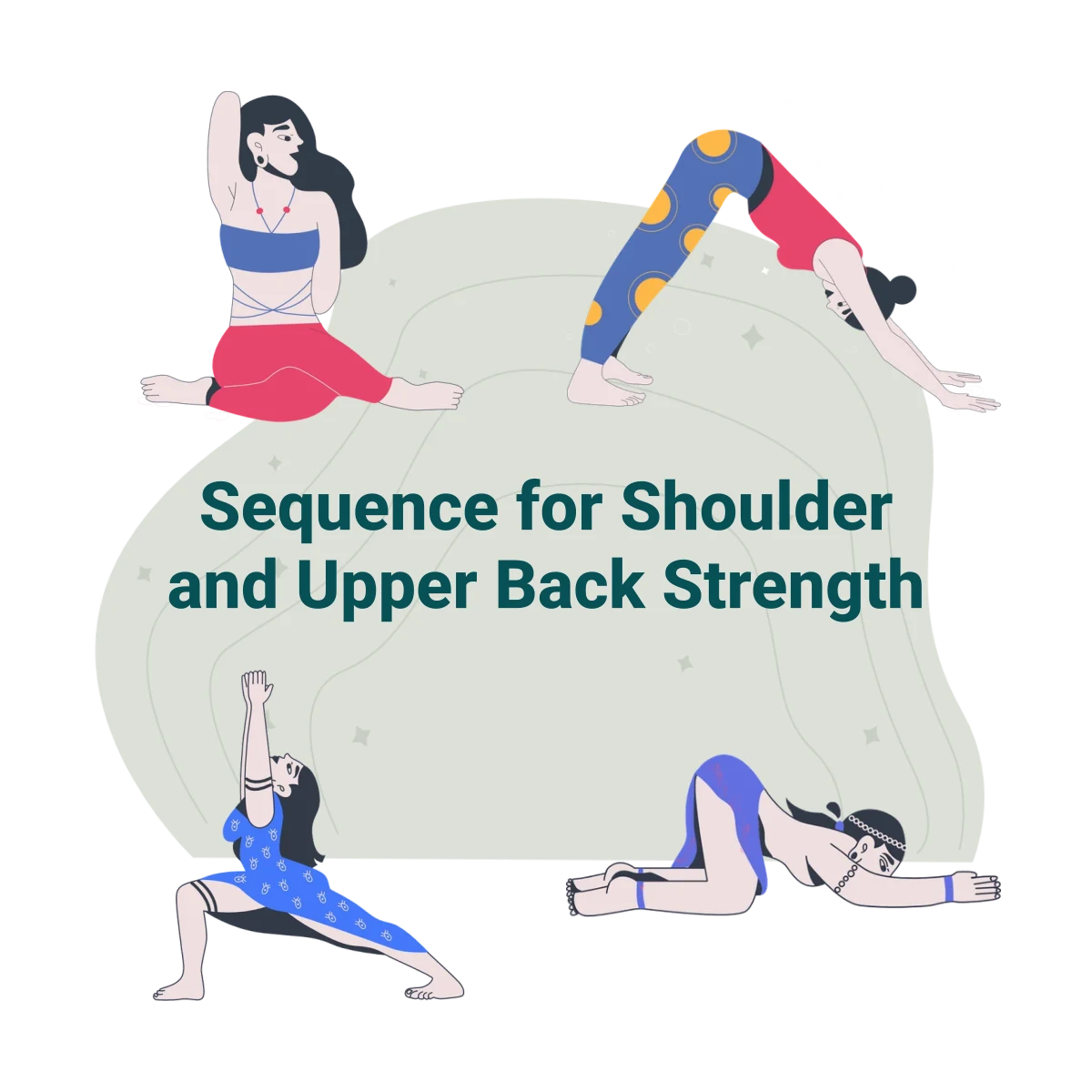
Yoga for Shoulder and Upper Back Strength

45 min · Beginner

Yoga for Shoulder and Upper Back Strength

Forty-five minutes where the shoulder girdle starts working

From week four the point changes. The first three weeks were about the upper back moving again. This block is about it being strong enough to hold you up without help. That matters because the strongest evidence in chronic neck pain is not for stretching, it is for resistance and motor control work. A shoulder girdle that gets stretched and rested stays exactly as weak as it was, and by four in the afternoon it hands the job back to the neck. So the standing poses come in here, and the arms carry something.

Go to sequence →
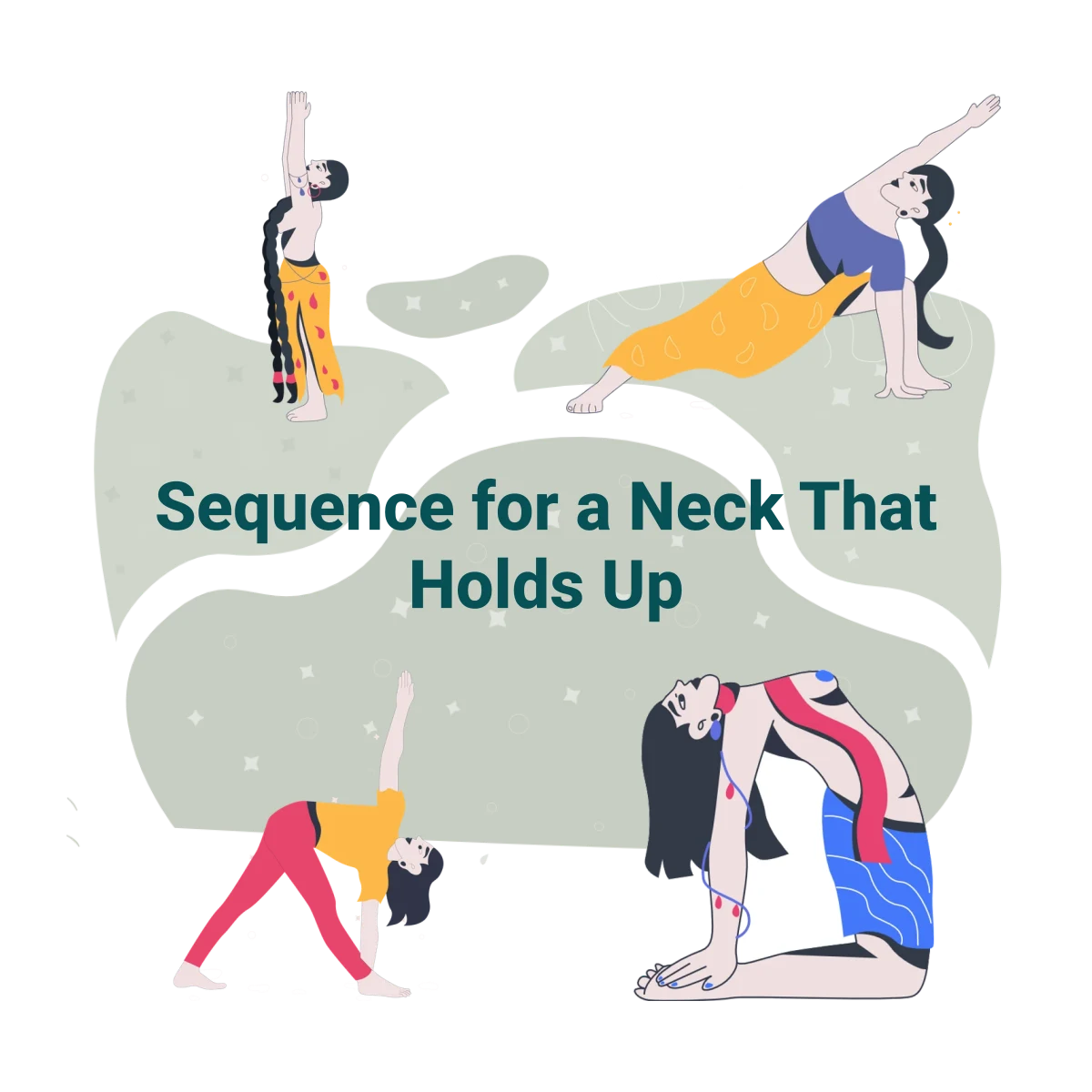
Standing Yoga for a Neck That Holds Up

45 min · Intermediate

Standing Yoga for a Neck That Holds Up

Forty-five minutes of rotation, balance and transitions for the last three weeks

The last phase is not about adding poses. It is about combining them. A neck that has been tight for a long time does not fail in a yoga pose, it fails when you reverse the car, carry a bag on one shoulder for twenty minutes, or work through an afternoon without noticing your position. So this practice rotates under load, balances, moves between shapes without resetting, and asks the shoulder girdle to hold up at the end of a long session rather than the start. By week nine the aim is not that nothing ever tightens. It is that you know what to do about it yourself.

Go to sequence →

Teaching a Chronic Neck and Upper Back Tension Class

Two things change how a class lands for someone whose neck has been tight for years. The first is the order of a twist. Cue the ribcage to turn and let the head arrive last, and say it every single time, because the habit of leading with the chin is deep and it is the habit that keeps the neck busy. The second is that the strengthening work is the point rather than the cool down. The strongest evidence in chronic neck pain is for resistance and motor control training, so arms at shoulder height held long enough to be work, overhead positions without shrugging, and Warrior I late in a class when the shoulder girdle is already tired. Offer a strap for Cow Face arms before anyone has to ask, and never cue the head back in a backbend.

Open the Sequence Builder →

Frequently Asked Questions

Does yoga actually help chronic neck pain?

Two nine week trials found less pain, less disability and better cervical range of motion against both self-care exercise and a home exercise programme. A meta-analysis of ten trials points the same way while noting that the interventions varied a lot. Against other good exercise, yoga performs comparably rather than better. The full list of studies is at the bottom of this page.

Why does the practice barely touch my neck?

Because that is how the interventions that worked were built. They go through the ribcage, the shoulder blades and the way the spine stacks under the head. Direct neck stretching feels productive and is not what shifted the outcomes.

Which poses should I avoid with neck tension?

Anything that puts weight through your head, so no headstand and no shoulder stand while this is an active problem. Beyond that it is less about which pose and more about how: never let the head drop back in a backbend, and never lead a twist with the chin.

Should I stretch or strengthen?

Both, and most people arrive doing only the first. A shoulder girdle that only ever gets stretched stays exactly as strong as it was, and by late afternoon it hands the work back to your neck. That is the pattern this guide is built to interrupt.

My neck is sore the day after. Did I overdo it?

Soreness between the shoulder blades after a session that asked more is expected and settles in a day or two. Temporary worsening was the most common side effect in the trials. Numbness, tingling or weakness in an arm or hand is a different thing entirely and belongs with a doctor.

Can I practise at my desk?

Some of it. Sitting on the front edge of a chair with both feet down, you can do the side bend, the seated twist and all of the arm work. Cat and Cow and Heart-Melting Pose need the floor. Doing the seated half twice a day beats doing nothing until the weekend.

The research

What the studies actually found

These are the studies the guide and the 9 week program are built on, including the ones that found less than you might hope. The short version: for chronic nonspecific neck pain, yoga has two clean nine week trials behind it and a meta-analysis that points the same way, on a small and varied evidence base. Against other good exercise it performs comparably rather than better. That is a real finding and worth more than a bigger claim.

PubMed2012

Iyengar yoga for chronic neck pain: a randomized controlled trial

77 adults, nine weeks, one 90 minute Iyengar class a week against a self-care exercise programme. The yoga group had less pain at rest, less pain on movement and less functional disability, plus improvements in pain-related apprehension and quality of life.

Read the source →
PubMed2013

Yoga versus home based exercise for chronic neck pain

51 adults, the same nine week format, compared directly against home exercise. Less pain (13.9 mm on a 100 mm scale), less disability, better cervical range of motion, better proprioceptive accuracy and a higher pressure pain threshold.

Read the source →
PubMed2019

Yoga for chronic non-specific neck pain: a meta-analysis

10 randomised trials, 686 participants. Improvements in neck pain, functional disability, cervical range of motion, quality of life and mood. The authors are explicit that the interventions were heterogeneous and the methods limited.

Read the source →
PubMed2024

Mind-body exercise for chronic neck pain: a network meta-analysis

18 studies with 1,442 participants, comparing yoga against Pilates, Qigong and Tai Chi. Yoga ranked among the more effective options for pain, disability and especially cervical mobility. The authors call for larger and longer trials.

Read the source →
PubMed2023

Exercise for chronic neck pain: resistance and motor control training

A systematic review of 68 studies. The strongest evidence in chronic neck pain is for resistance and motor control exercise, with higher frequency and longer interventions producing larger effects on pain. This is why the program builds strength rather than only stretching.

Read the source →
PubMed Central2016

Yoga for neck and shoulder muscle function: a review of the interventions

Describes what the interventions actually set out to do: lengthen and strengthen the neck and shoulder muscles and improve stability, alignment and mobility. Also the source of the adverse event list, including the migraine and vertigo reports.

Read the source →
PubMed Central2014

Iyengar yoga interventions for spinal and neck conditions

A systematic overview listing the poses actually used, among them Mountain Pose, Half Forward Bend, seated twists, Downward-Facing Dog, Triangle, Warrior II and Extended Side Angle. Most of the poses in this guide come from here.

Read the source →
PubMed Central2025

Documented Iyengar protocol for neck and shoulder work

A second documented protocol, adding arm and shoulder positions including Cow Face arms in standing, Warrior I, Pyramid Pose and Wide-Legged Forward Bend. The shoulder work is part of the mechanism and not decoration.

Read the source →
PubMed Central2022

Hatha and restorative yoga for military personnel with chronic pain

A feasibility study of a twelve week protocol, 49 participants with chronic back and neck pain. Worth reading for the honest footnote: participants with neck pain tended to show smaller improvements than those with back pain, and the protocol itself was adapted from a back pain programme.

Read the source →
PubMed Central2020

Individually tailored yoga for chronic neck pain

Twelve weeks, one supervised session a week plus about twenty minutes of daily home practice, with each participant given a personal selection of five simple poses. Evidence that a small, repeated home practice is a real format and not a compromise.

Read the source →