Strength and Functional Independence
Yoga for Staying Strong Enough to Do It Yourself
Nothing has gone wrong. You still do everything you did. It has just started to take a little more: the low sofa needs a plan, the shopping is heavier than it was, and getting up off the floor has become an event.
This guide is about four movements rather than about age: getting up, bending down, turning around and carrying something. What the research supports, why equivalent is a better word than superior, and an eight-week program with a test you run yourself.
Who this guide is for
Signs this guide was written for you
What causes Strength and Functional Independence
The most useful trial in this area concluded that yoga is as good as conventional strength training. Not better. As good.
Safety
When to practise and when to get it looked at
How to practise so it works
The asanas
The yoga poses that matter for Strength and Functional Independence
Getting up and carrying
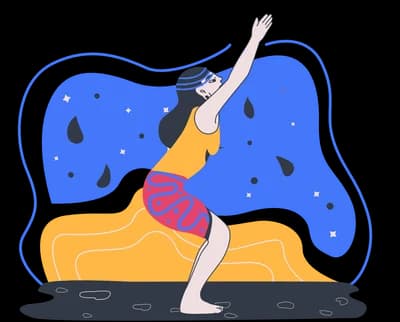
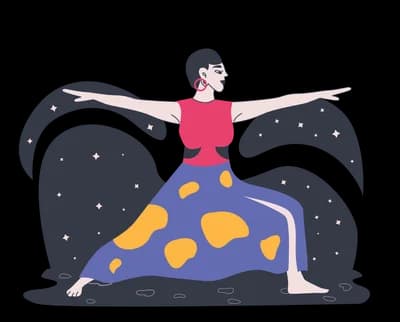
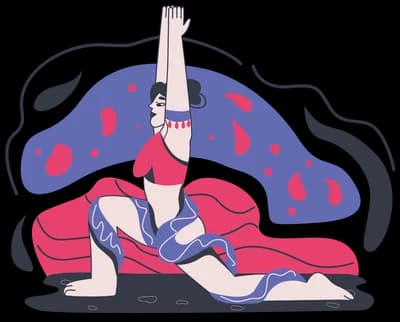

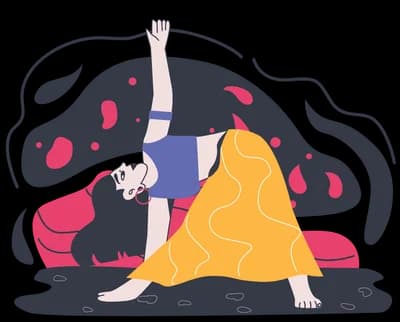
Bending, turning and reaching




On the floor, and getting back up
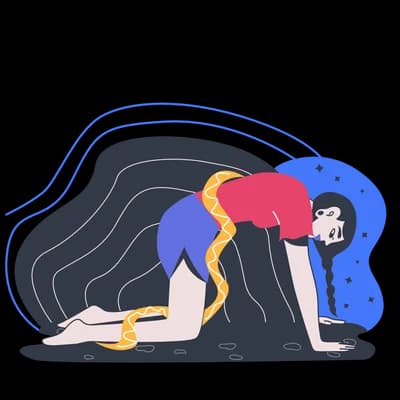



For yoga teachers
Teaching a class for Strength and Functional Independence
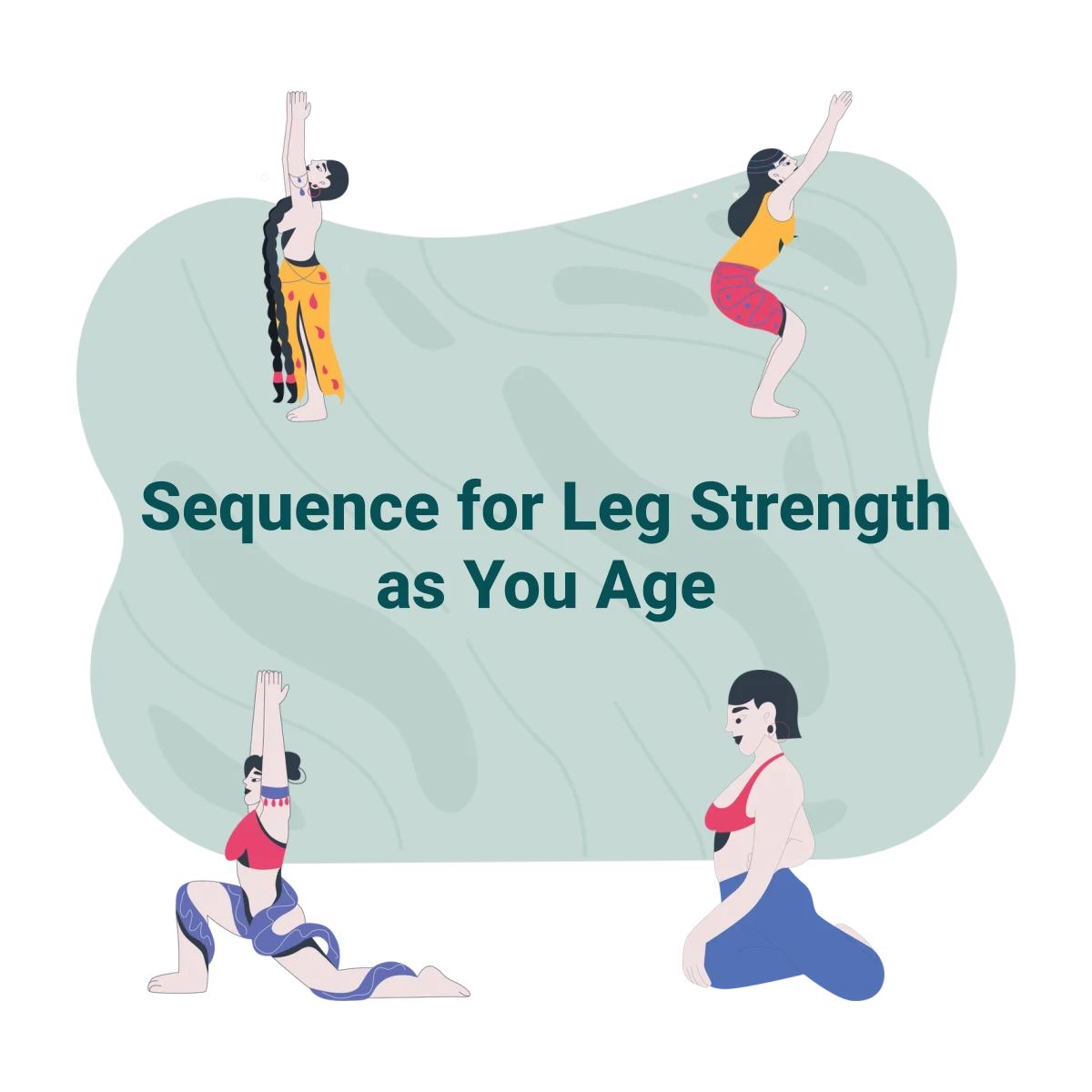
Hand made yoga sequences for Strength and Functional Independence
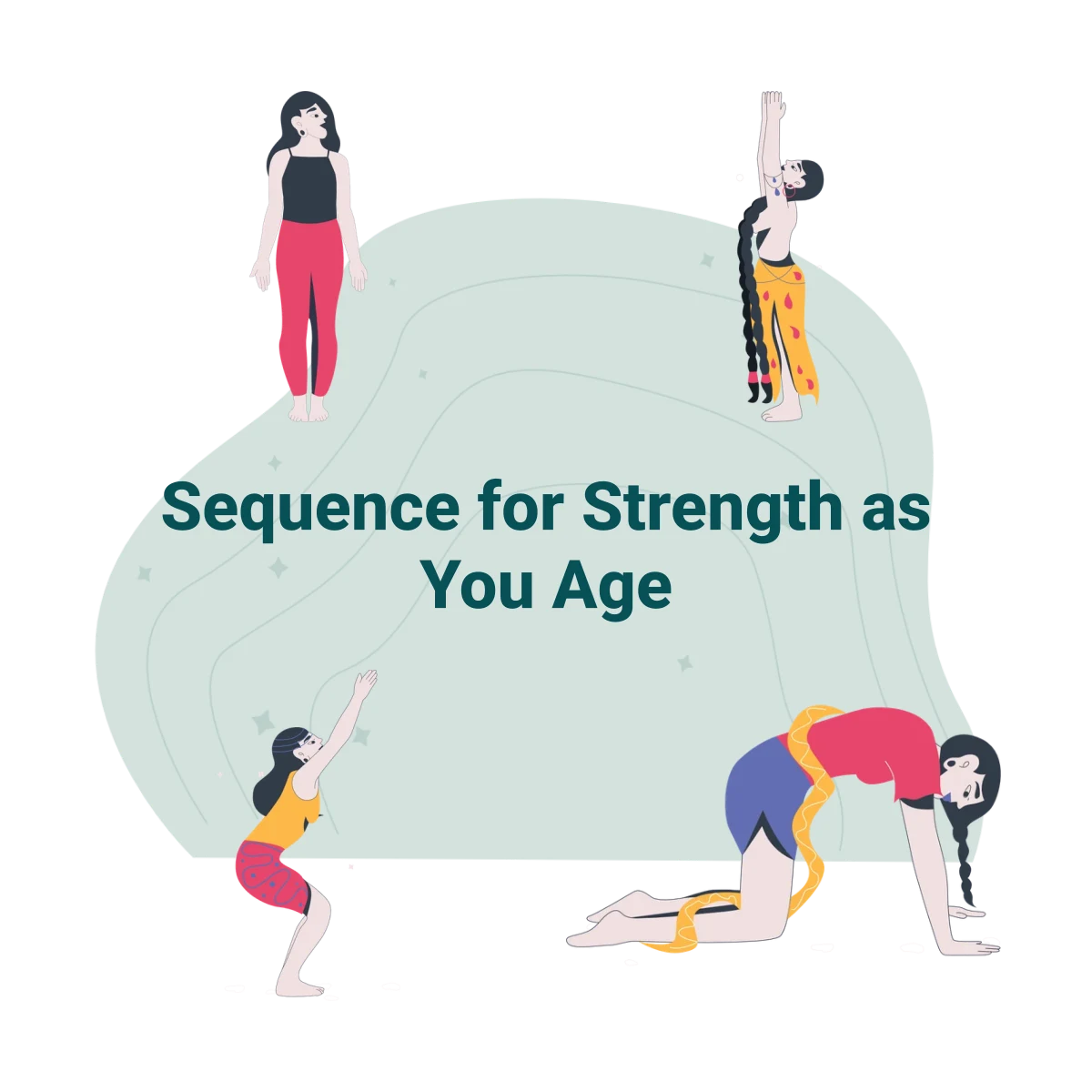
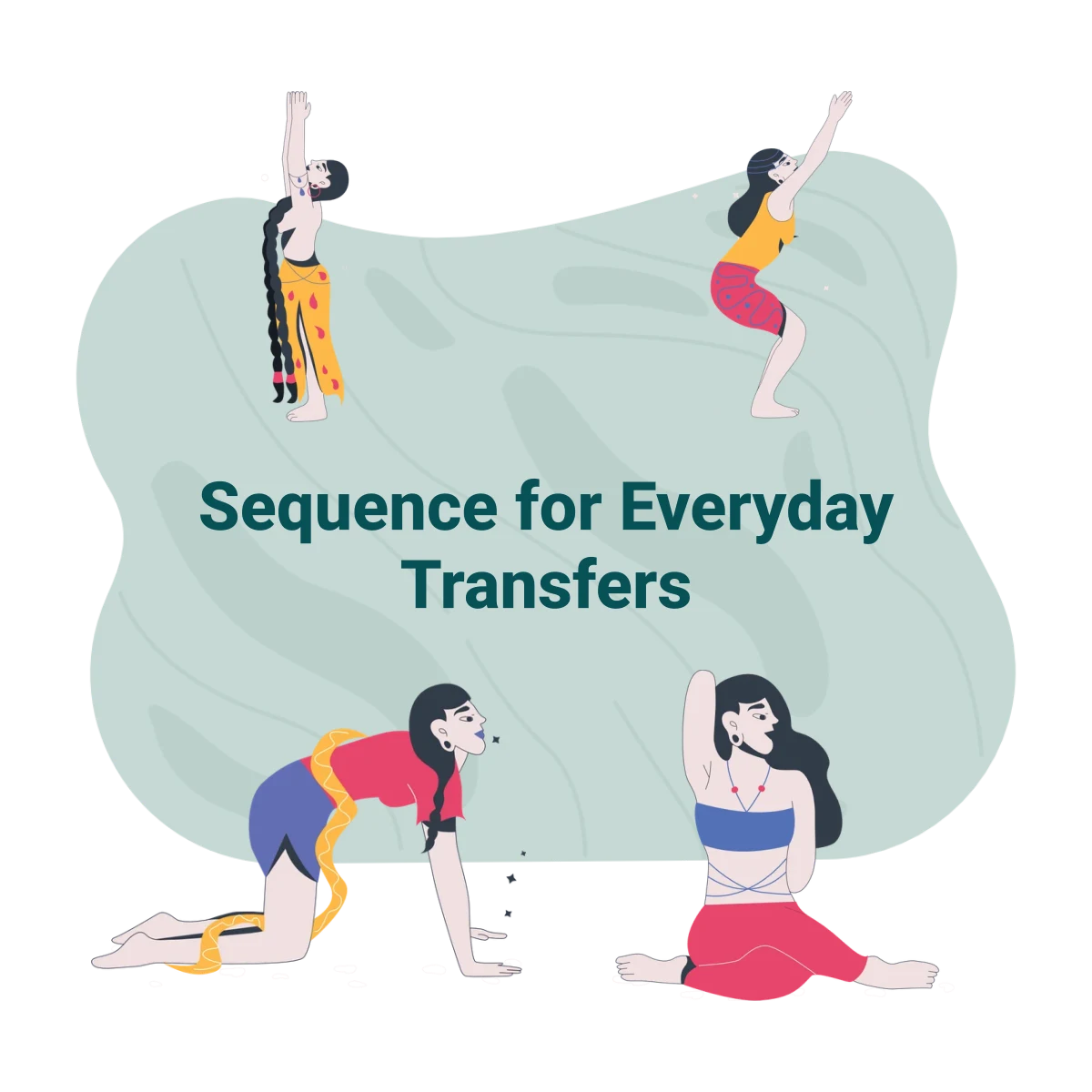
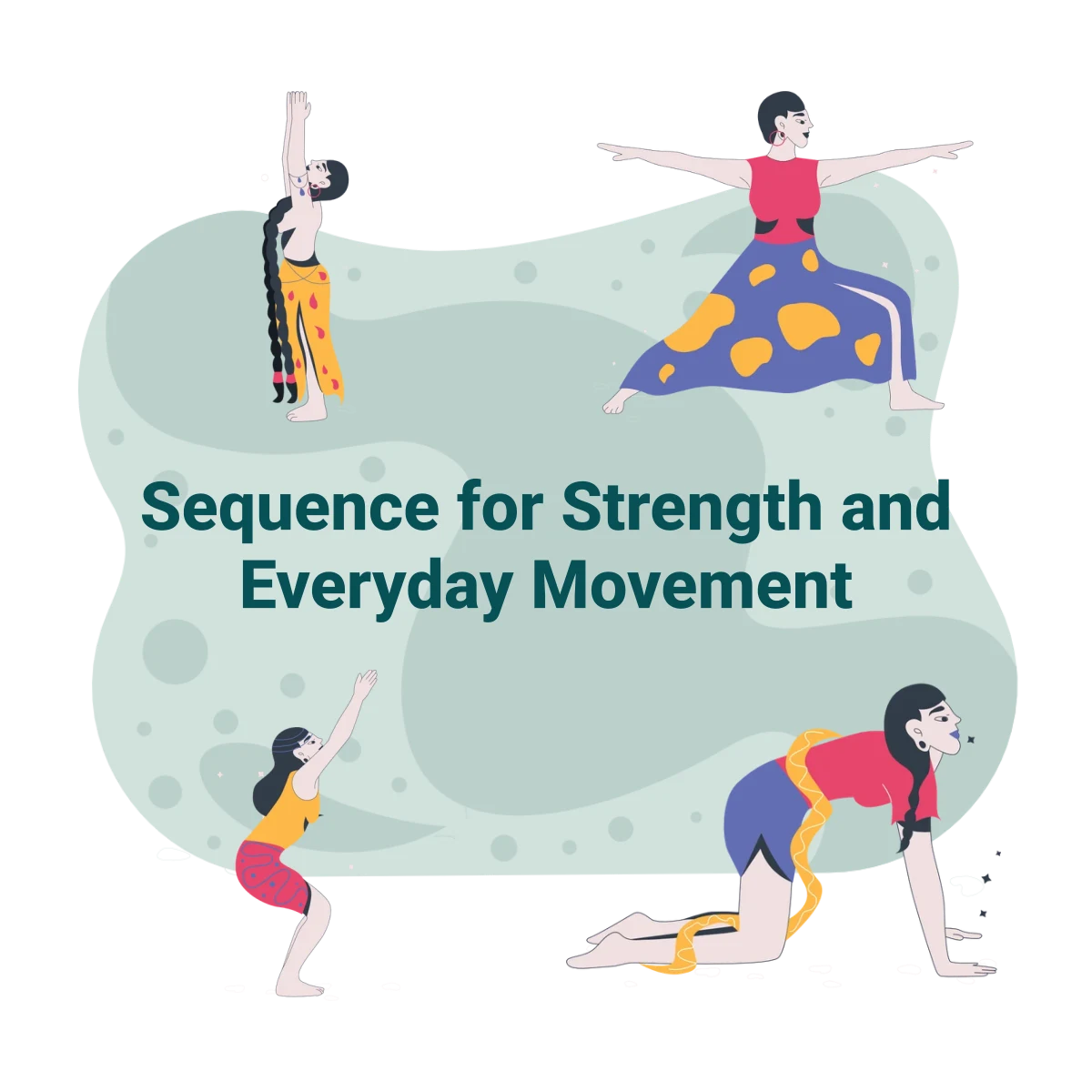
Full sequences you can teach or practise today
Build your own
Put together your own class for Strength and Functional Independence
The sequence builder gives you all 108 asanas and lets you arrange them yourself. While you build, it watches the shape of the class: whether the intensity rises and falls the way a practice should, whether every strong pose gets its counterpose, and whether the order makes anatomical sense.
Save what you build, come back to it, and teach it. It is the fastest way to turn what you just read into a class of your own.
The research
What the studies actually found
The evidence here is good, specific, and modest in exactly the right way. Yoga improves lower limb strength and lower body flexibility in older adults, and those two hold up even against other structured exercise. Balance, walking speed and general wellbeing improve against doing nothing. In the one head to head trial at this exact dose, it matched a conventional strength and stretching programme rather than beating it. Bone density does not change. That combination is what this program is built on.
Yoga Is as Good as Stretching-Strengthening Exercises in Improving Functional Fitness Outcomes: Results From a Randomized Controlled Trial
Read the source →The effects of yoga compared to active and inactive controls on physical function and health related quality of life in older adults
Read the source →Effect of Yoga on Frailty in Older Adults: A Systematic Review
Read the source →Yoga-based lifestyle intervention for healthy ageing in older adults: a randomized controlled trial
Read the source →Yoga to prevent mobility limitations in older adults: feasibility of a randomized controlled trial
Read the source →Effectiveness of Pilates and Yoga to improve bone density in adult women: A systematic review and meta-analysis
Read the source →