Anxiety and Worry
Yoga for Persistent Anxiety and Excessive Worry
The tiring thing about persistent worry is not any individual worry. It is that it runs in the background, so a good afternoon has something underneath it and a bad one has nowhere to go.
This guide is about what yoga can and cannot do here, and both halves are worth knowing. Which breathing techniques belong in this and which are best left out, why the practice ends up short rather than long, what the largest trial found, and where therapy is simply the better answer.
Who this guide is for
Signs this guide was written for you
What causes Anxiety and Worry
The aim is not a calm session. It is two or three things you can do while it is actually happening.
Safety
When to practise and when to get it looked at
How to practise so it works
The asanas
The yoga poses that matter for Anxiety and Worry
Where the practice starts

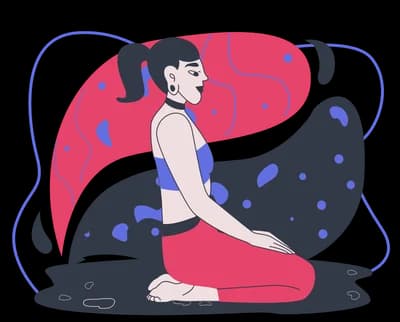
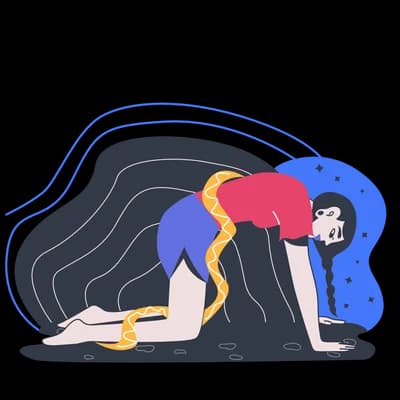
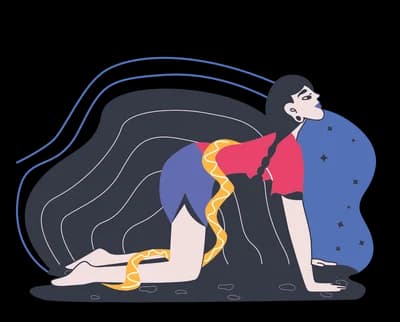

Poses that ask something of you
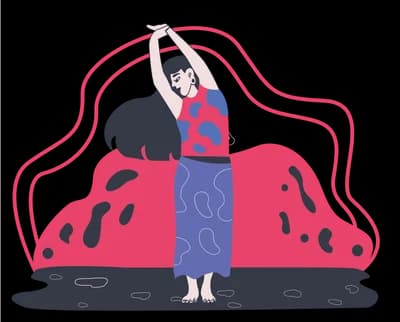
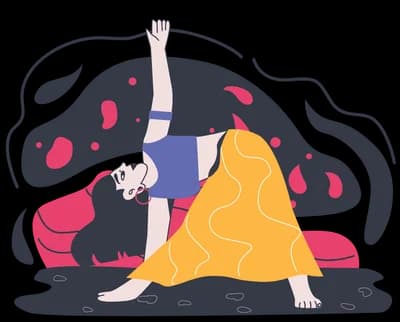



Where everything comes down

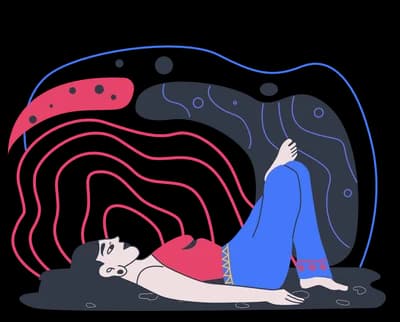
For yoga teachers
Teaching a class for Anxiety and Worry
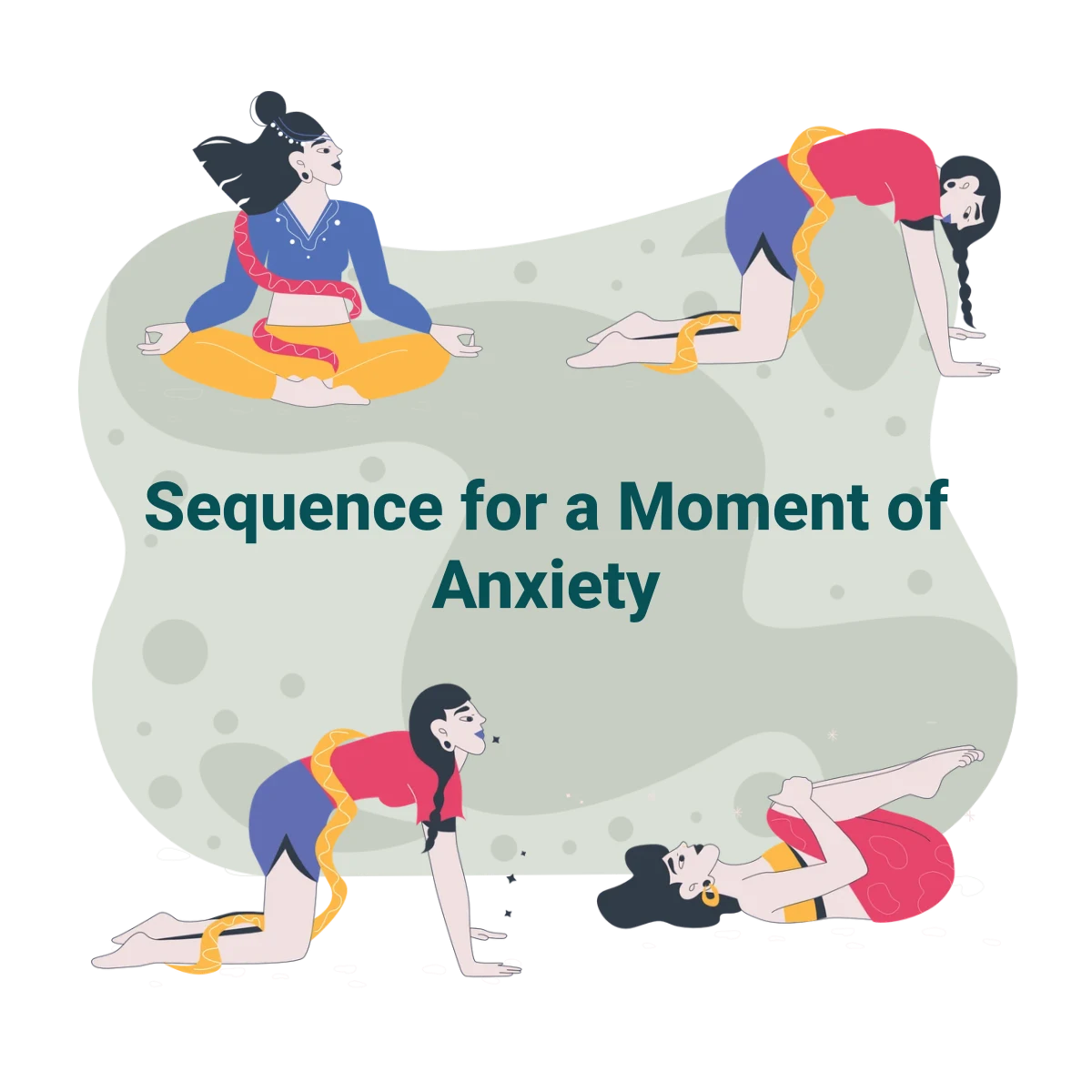
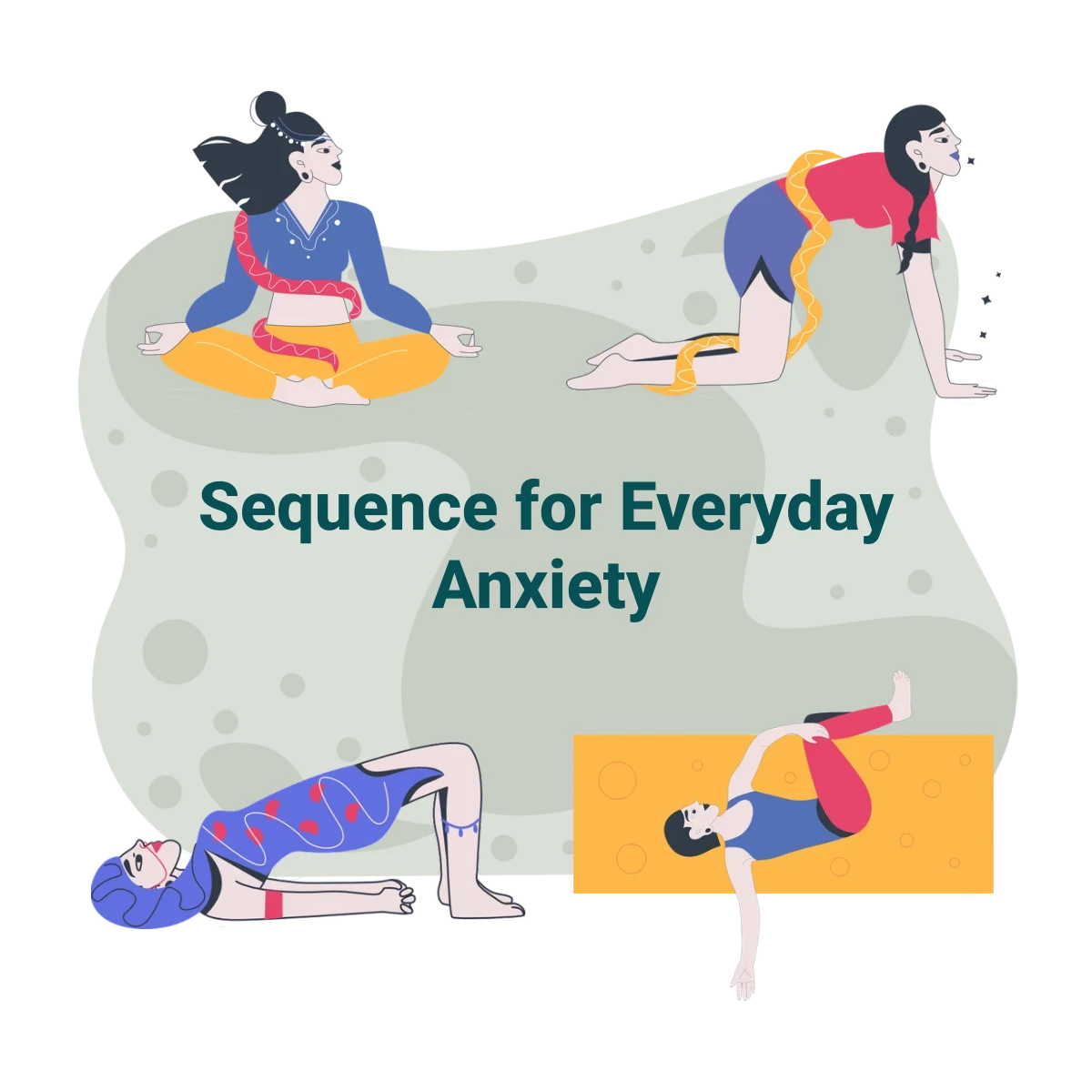
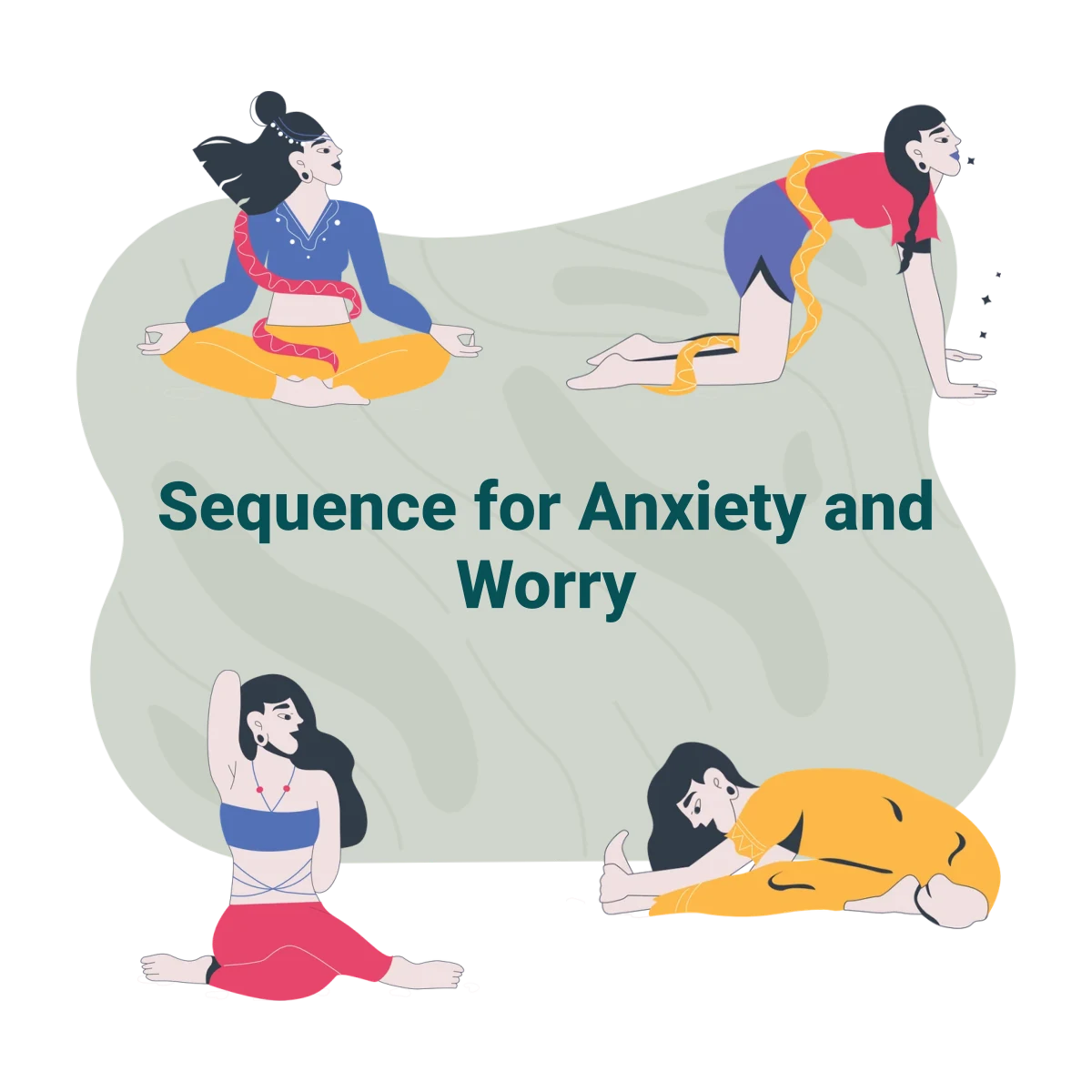
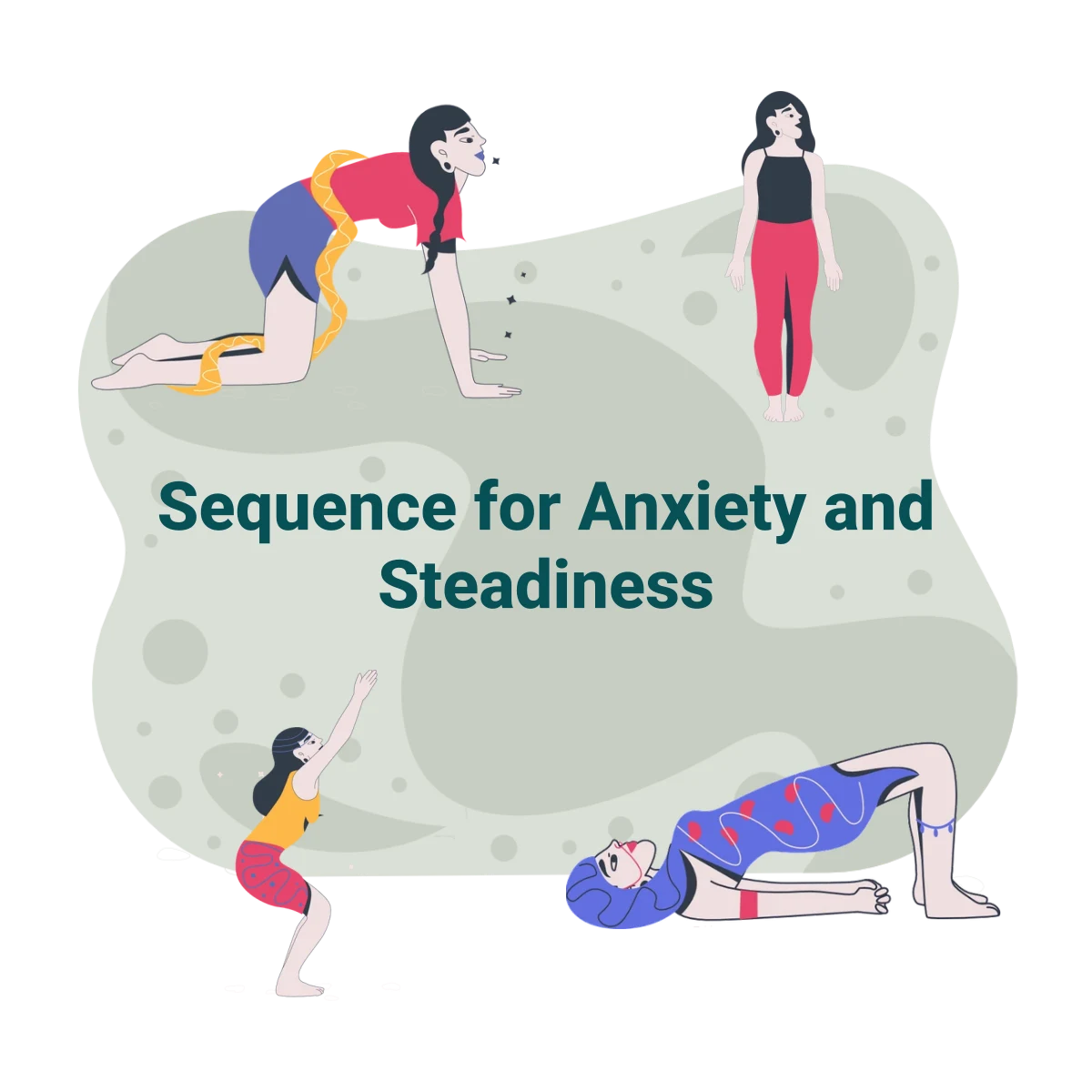
Hand made yoga sequences for Anxiety and Worry
Full sequences you can teach or practise today
Build your own
Put together your own class for Anxiety and Worry
The sequence builder gives you all 108 asanas and lets you arrange them yourself. While you build, it watches the shape of the class: whether the intensity rises and falls the way a practice should, whether every strong pose gets its counterpose, and whether the order makes anatomical sense.
Save what you build, come back to it, and teach it. It is the fastest way to turn what you just read into a class of your own.
The research
What the studies actually found
This is a field where the honest picture is also the more useful one. Across eight trials with 319 people, yoga reduced anxiety against no treatment. In the largest and most rigorous trial, 226 adults with generalised anxiety disorder, yoga clearly beat the control condition, and cognitive behavioural therapy clearly beat yoga and kept its advantage six months later. And in older adults with persistent worry rather than a formal disorder, gentle yoga matched structured telephone therapy on depression, anxiety and fatigue. Which is to say: real, worth doing, and second to therapy where therapy is available.
Yoga for anxiety: A systematic review and meta-analysis of randomized controlled trials
Read the source →Efficacy of Yoga vs Cognitive Behavioral Therapy vs Stress Education for the Treatment of Generalized Anxiety Disorder
Read the source →A Randomized Preference Trial Comparing Cognitive-Behavioral Therapy and Yoga for the Treatment of Late-Life Worry
Read the source →Effect of Integrated Yoga as an Adjuvant to Standard Care for Panic Disorder
Read the source →