Vinyasa Yoga: Verbinde Körper, Geist & Seele in Harmonie
Vinyasa Yoga: Verbinde Körper, Geist & Seele in Harmonie
Vinyasa Yoga is not simply a sequence of asanas. It is a living dialogue between you and the universe, carried by the rhythm of your breath. This practice is deeply rooted in vedic wisdom, which teaches that everything in life is connected: a continuous chain of cause and effect, of movement and stillness.
You will take away:
- The deep connection between Vinyasa Yoga and vedic philosophy, which enriches your practice both spiritually and scientifically.
- How Vinyasa Yoga serves as a daily companion to manage stress in urban hectic life and to create sacred spaces of peace.
- Strategies for integrating the four aims of life (Dharma, Artha, Kama, Moksha) through Vinyasa, which enable a holistic transformation.
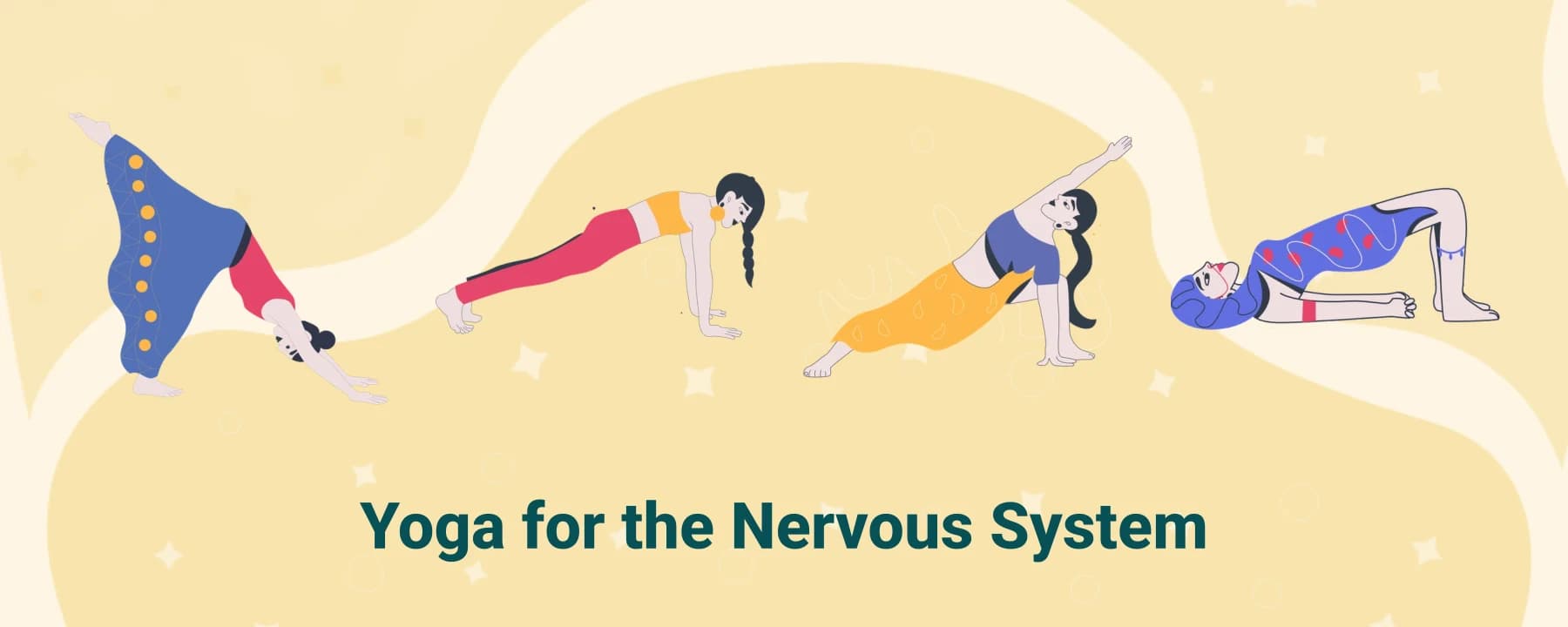
Seen through the lens of modern science, Vinyasa Yoga becomes a fascinating subject of study on the effects of synchronized movement and breath on the human body and mind. The sequential nature of Vinyasa promotes not only physical flexibility and strength but also mental clarity and emotional balance. Research shows that the conscious use of breath during movement calms the autonomic nervous system and reduces stress, while the continuous movement improves cardiovascular health.
In the union of breath and movement, the beauty of Vinyasa manifests as a meditative movement that helps you sink into the present moment. It is as if you were embarking on an inner journey, in which every asana is a discovery and every breath is a step deeper into your own consciousness.
2. The Alchemy of Flow: Biochemistry and Vedic Energy Teachings Endorphins and Prana: The Duality of Science and Life EnergyIn the world of Vinyasa Yoga, two seemingly different worlds merge into one: the concrete biochemistry of our body and the subtle energy teachings of the Vedas. When you practice Vinyasa, endorphins, your body's own happiness hormones, dance through your bloodstream and give you a feeling of euphoria and pain relief. This biochemical change is a direct result of the physical effort and the deep, rhythmic breathing that form the core of the Vinyasa practice.
Parallel to this, the vedic tradition speaks of prana, the life energy that flows through everything. Prana is strengthened through the practice of Pranayama (breathing exercises) and the dynamic flow of Vinyasa sequences. It is this subtle energy that animates you, nourishes you, and connects the subtle layers of your being. The synchronization of breath and movement in Vinyasa is therefore not just an exercise for the body, but also a method of cultivating and directing prana, which leads to deeper mental clarity and vitality.
Adrenaline in Balance: The Gunas in Modern Stress ResearchAdrenaline, a hormone released in stressful situations, can actually be invigorating in the right dose and increase your performance. In your Vinyasa practice, you learn to find this balance by taking on challenges without overexerting yourself. This principle is reflected in the teaching of the Gunas, the three fundamental qualities or energies (Sattva, Rajas and Tamas), described in vedic philosophy. A balanced life requires bringing these energies into harmony, and Vinyasa Yoga plays a key role in this.
Die moderne Stressforschung hat gezeigt, dass regelmäßige körperliche Betätigung, wie sie in der Vinyasa-Praxis zu finden ist, das Adrenalinlevel im Körper regulieren kann, was zu einer Reduzierung von Stress und Angst führt. Modern stress research has shown that regular physical activity, such as that found in Vinyasa practice, can regulate the adrenaline level in the body, which leads to a reduction of stress and anxiety. By integrating physical movement with conscious breathing, Vinyasa acts as a natural stress reliever, one that calms rajasic (restless) energy and promotes sattvic (balanced) energy.
Vinyasa Yoga is far more than just a sequence of physical exercises: it is a profound practice that teaches us how to use movement as a form of meditation. Already with the first sun salutation, a journey begins that uses the body as an instrument to dive deeper into your own consciousness. This integrative physical meditation fosters a mindfulness that allows you to fully experience the present moment and to recognize that body and mind are not separate, but parts of a greater whole.
In Vinyasa practice, every breath becomes an anchor that holds you in the here and now as you move from one pose to the next. This kind of attention cultivates an awareness that extends beyond the mat and flows into your everyday life, helping you meet stressful situations with greater calm and receive life with open arms.
For Every Level: Vinyasa Adapted to Individual Spiritual PathsOne of the most beautiful aspects of Vinyasa Yoga is its flexibility and its ability to adapt to the needs and abilities of each individual. Regardless of age, experience or physical condition, Vinyasa offers a point of access. It encourages you to explore your own unique spiritual path and to accept that every practice is as individual as the practitioner.
This versatility reflects the vedic view that there are many ways to attain unity and enlightenment. By practicing Vinyasa Yoga, you honor the diversity of spiritual paths and recognize that each of us undertakes a unique journey. It is this inclusive philosophy that makes Vinyasa such a powerful tool for personal and spiritual development.
At the heart of Vinyasa practice lies the idea that your physical wellbeing is inseparably connected to your mental and emotional health. Modern medicine is now beginning to recognize and confirm what vedic wisdom has taught for thousands of years: that a harmonious balance between body and mind is essential for a healthy life. Vinyasa Yoga, with its unique approach of synchronizing movement and breath, promotes this balance and contributes to the strengthening of Ojas, the essential energy that stands for vitality, clarity and immunity.
Regular practice of Vinyasa can improve metabolism, strengthen the cardiovascular system and support the immune system, all of which leads to a more robust Ojas. Beyond this, the mental focus and mindfulness fostered by Vinyasa help calm the mind and reduce stress, which in turn supports physical health.
Mental Clarity and Sattva: Vedic Perspectives on Mental HealthVedic philosophy speaks of Sattva, one of the three gunas, which symbolizes clarity, harmony and balance. Through the practice of Vinyasa Yoga, you strive to make your mind and your life more sattvic, which leads to increased mental clarity and a state of inner peace. This transformation is not only spiritual, it also has deep psychological and physiological effects, reducing anxiety and increasing overall life satisfaction.
The union of movement and breath in Vinyasa fosters a meditative state that helps you detach from the relentless stream of thoughts and reach a state of mental stillness. This practice not only supports your capacity for self reflection and growth, it also improves your emotional resilience by teaching you to meet challenges with grace and acceptance.
In this sense, you should remember that although the pursuit of Sattva is noble, we are all human, and sometimes we need chaos just as much as order. Perhaps it is the reminder that after a stressful day we try to master a complicated yoga pose, only to discover that our greatest spiritual breakthrough is simply letting go and landing on the sofa.
5. Vinyasa in the Urban Context: Tradition Meets Modernity Yoga Between Appointments: Vinyasa as a Daily CompanionIn the pulsing heart of the big city, between meetings and deadline jungles, Vinyasa Yoga finds its place as an anchor of calm and centering. The ability to practice a short sequence anytime and anywhere makes Vinyasa an ideal companion for urban life. This practice reminds us that we do not necessarily need to spend an hour in a studio to enjoy the benefits of yoga. A few minutes of conscious breathing and movement can be enough to ground us and reconnect us with ourselves.
The flexibility of Vinyasa allows you to create individual sequences tailored to the specific needs of the moment: a quick energy boost in the morning, stress relief after a long workday, or calming breathing exercises before bed. The constant movement and change of city life is mirrored in the flow of Vinyasa, which teaches us to move with the waves and to find grace and strength in every moment.
Vinyasa in the City: Creating Sacred Spaces in the Hustle of Everyday LifePracticing Vinyasa Yoga in an urban context also means creating sacred spaces amid everyday hustle. It is about finding a personal retreat where you can connect with your own practice and transform your urban surroundings into a place of calm and reflection. These sacred spaces do not need to be physically separate. They exist in the moments of stillness we give ourselves, in the conscious decision to shut out the outside world for a while and look within.
The challenge and beauty of urban Vinyasa lies in integrating this practice into our everyday life, so that Yoga and life are not separate but interwoven. By learning to see every moment as part of our practice, we transform even the busiest streets into paths of mindfulness and the loudest noises into invitations to presence.
Vinyasa Yoga teaches us that the practice goes far beyond the mat. It is an art of living that enables us to integrate the four aims of life (Dharma, Artha, Kama, Moksha) into our everyday life. Dharma, the fulfillment of our duties, Artha, the pursuit of prosperity, Kama, the enjoyment of life's pleasures, and Moksha, liberation, merge in the practice of Vinyasa into a harmonious whole. Vinyasa encourages us to see every moment as an opportunity to consciously shape our life and to bring our actions into alignment with these higher aims.
Through continuous practice, we develop a deep connection to our inner self and a clear alignment of our life goals. Vinyasa thus becomes a mirror that reflects our true wishes and aspirations and helps us make decisions that serve not only our individual well-being but also the well-being of the community.
The true beauty of Vinyasa lies in the stories of transformation it makes possible, stories inspired both by vedic wisdom and by scientific insight. These stories range from physical healing and increased vitality to deep emotional release and spiritual awakening. They tell of people who, through their practice, have found a deep inner calm despite the storms that life brings.
These transformations are living proof that Vinyasa is more than just an exercise. It is a philosophy that teaches us how, through the integration of body, mind and breath, we can immerse ourselves in the flow of life and actively shape our reality. It is an invitation to be brave, to cross boundaries and to explore the unknown, always with a touch of humor, because sometimes the greatest spiritual awakening is realizing that you have your yoga pants on backwards.
With that, we have reached the end of our Vinyasa Yoga guide. I hope this article was informative and inspiring for you. If you have questions or need further information, do not hesitate to contact me. Enjoy your practice.
Namaste

Note: Some of the links in this article may be affiliate links, which can bring us compensation at no cost to you if you decide to buy something. These are products we have personally used and stand behind. This website is not intended for financial advice but is meant purely for entertainment. You can read the disclosure of our partners in our privacy policy.
More articles from the category
The Meaning of the Svadhisthana Chakra
Learn the meaning of 108 in our learning tools.
What Is the Muladhara Chakra?
Learn the meaning of 108 in our learning tools.
What Is Ahimsa
Learn 5,000-year-old wisdom in fast forward. Here you find out what ahimsa is.