Sun Salutation and Moonlight: What Is Hatha Yoga Actually?
Sun Salutation and Moonlight: What Is Hatha Yoga Actually?
Hatha Yoga! You see it on the schedule in every studio! What is Hatha Yoga? Let's fly back in time now. We are at the birth of Hatha Yoga, which yogis like to call sun-moon yoga. Why? Because it brings our inner balance, like sun and moon, into perfect harmony.
What you'll take away:
- You dive deep into the Hatha Yoga vibes and learn what this ancient yoga style is all about, from its mythical roots to today's practices and benefits.
- You discover how you can build Hatha Yoga into your daily life, from your first steps on the yoga mat to creating your own home yoga refuge.
- You get a deep insight into the five pillars of Hatha Yoga and learn how they can help you strengthen your body, calm your mind, and fill your life with positivity and conscious intention
Our Yogasphere with more interesting topics on Yoga philosophy
At the heart of Hatha Yoga stand two central principles: stability (sthira) and comfort (sukha). It is about reaching a state of calm and wellbeing in the asanas, while at the same time cultivating our inner and outer strength and endurance. In this harmonious dance of effort and relaxation, we find the way to inner balance.
The Hatha Yoga Pradipika, a key text of Hatha Yoga written by Swami Swatmarama, teaches us exactly these values. This classical text contains detailed instructions for the practice of asanas, pranayama (breathing techniques), shatkarmas (cleansing practices), mudras (energetic seals), and meditation, all of which together form a comprehensive picture of yoga philosophy and practice.

Although Hatha Yoga is often perceived in the West as a purely physical practice, its essence goes far beyond the physical dimension. It is not merely a series of postures or asanas, but an integrated approach that connects body, breath, and mind.
Eine verbreitete Fehlinterpretation ist, dass Hatha Yoga nur sanft und leicht ist. Obwohl es durchaus sanfte Hatha-Yoga-Praktiken gibt, kann Hatha Yoga auch körperlich anspruchsvoll und intensiv sein. Die Intensität und der Schwierigkeitsgrad können stark variieren, abhängig von der individuellen Praxis.
Ein weiterer Irrtum ist die Idee, dass Hatha Yoga nur für Anfänger geeignet ist. In Wahrheit kann Hatha Yoga auf allen Ebenen der Praxis tiefgreifend sein, und selbst erfahrene Yogis können durch die sorgfältige und achtsame Praxis des Hatha Yoga weiter wachsen und sich entwickeln.
Das wahre Hatha Yoga, wie es in den vedischen Schriften dargestellt wird, betrachtet den Menschen als Ganzes und zielt darauf ab, ihn in seiner Gesamtheit zu harmonisieren und zu transformieren. Dabei spielen Asana (Körperhaltungen), Pranayama (Atemübungen) und Dhyana (Meditation) eine entscheidende Rolle, um eine Einheit von Körper, Geist und Seele zu erreichen.
Also interesting:Why do we "Om" after a yoga class? The meaning of Om explained
Hatha Yoga, Is it right for you? 2.1 What do you need for your yoga journey?Hatha Yoga is a path that is open to everyone, regardless of age, gender or physical condition. Its beauty lies in its accessibility and flexibility. The only requirement is the willingness to embark on this wonderful journey and to stay open to change.
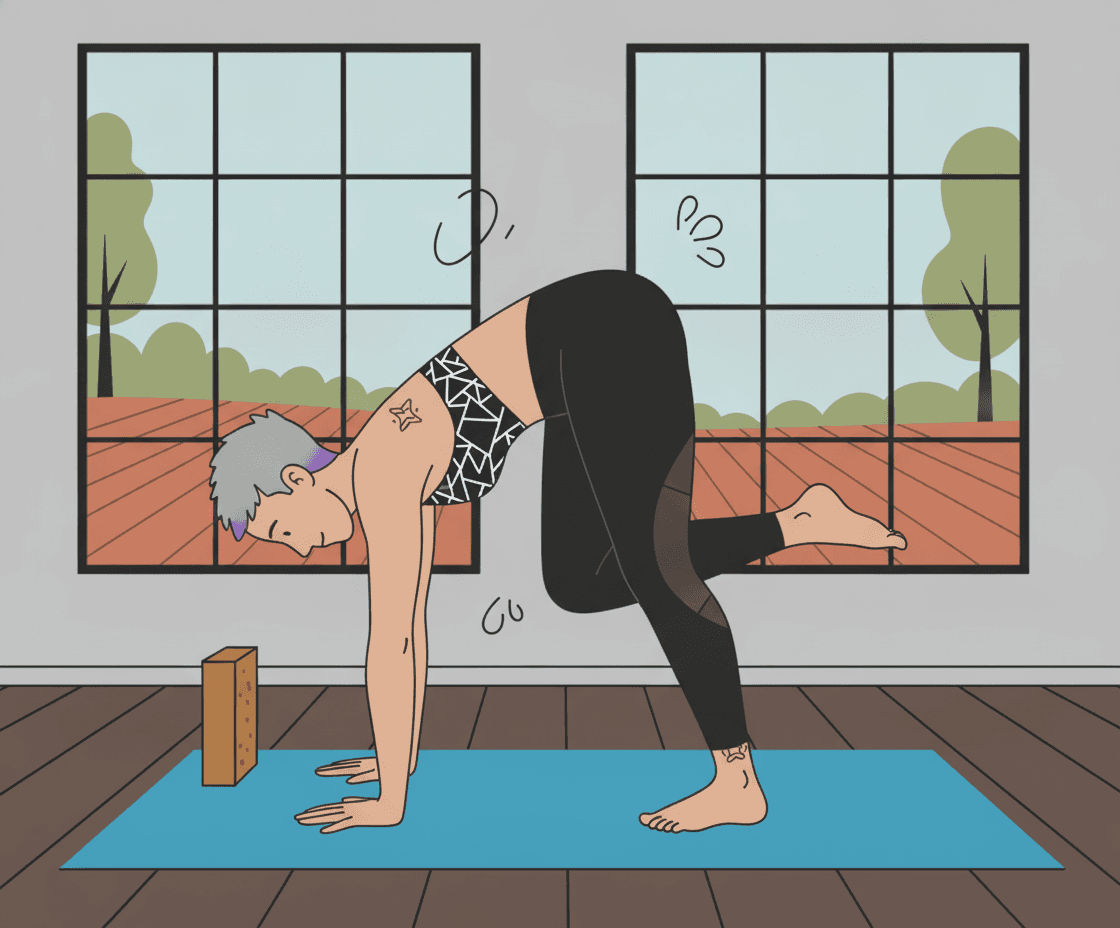
When it comes to equipment, there are a few basic things that are helpful for a safe and comfortable practice. A non-slip yoga mat is essential so you can perform the exercises on stable and secure ground. Yoga blocks and straps can help support your alignment in the asanas and adapt the poses to your individual needs and abilities. A yoga bolster can be helpful during the relaxation phase, supporting the body and helping it to relax.
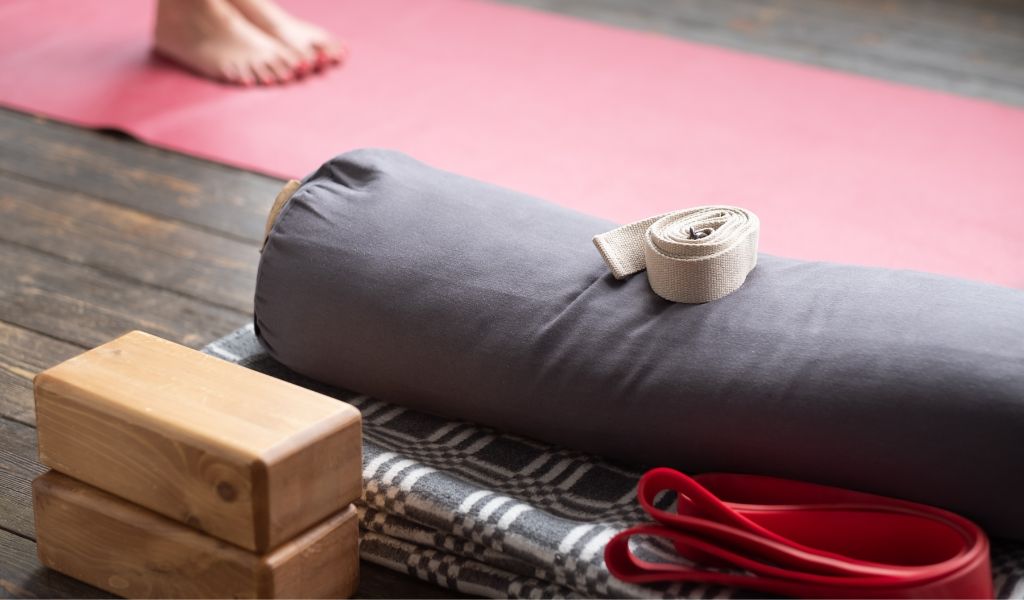
Your detailed guide, which yoga props do you really need
2.2 Pros and cons of Hatha YogaThe benefits of Hatha Yoga are varied and profound. On a physical level, it strengthens the muscles, increases flexibility and improves posture. It can help relieve conditions such as back pain, arthritis and sleep disorders, and it works preventively against stress related illnesses.
The therapeutic aspects of Hatha Yoga are deeply rooted. By focusing on the breath and consciously performing the asanas, we can reduce stress and improve our mental health. Hatha Yoga can help relieve symptoms of anxiety and depression, while also fostering a deeper sense of inner peace and self confidence.
One drawback could be that some people find the slow and meditative aspects of Hatha Yoga less appealing compared to more dynamic and strength focused forms of yoga. It also takes patience and perseverance, since the changes and progress in Hatha Yoga are subtle and often only become visible over a longer period of time. But this is actually a gift, because it teaches us to be present in the moment and to value the process instead of constantly chasing the result.
Diving into practice: Hatha Yoga session 3.1 General structure of a Hatha Yoga classA typical Hatha Yoga class follows a well defined structure that gently introduces the student to the practice and gradually leads them into deeper levels of awareness.
It usually begins with a settling in phase, in which the students center themselves and focus on the breath. Then follows the main part of the class, in which various asanas are practiced. The asanas are often combined with pranayama to harmonize and intensify the flow of energy in the body.
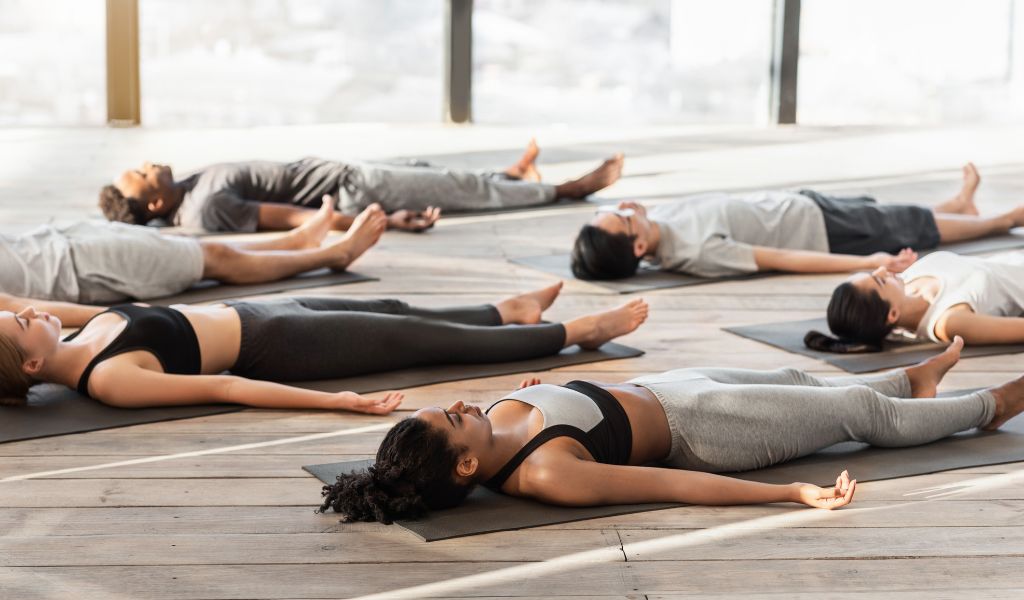
After the active parts of the class comes a deep relaxation phase, often through the Shavasana practice, in which the experiences are integrated and body and mind can come to rest.
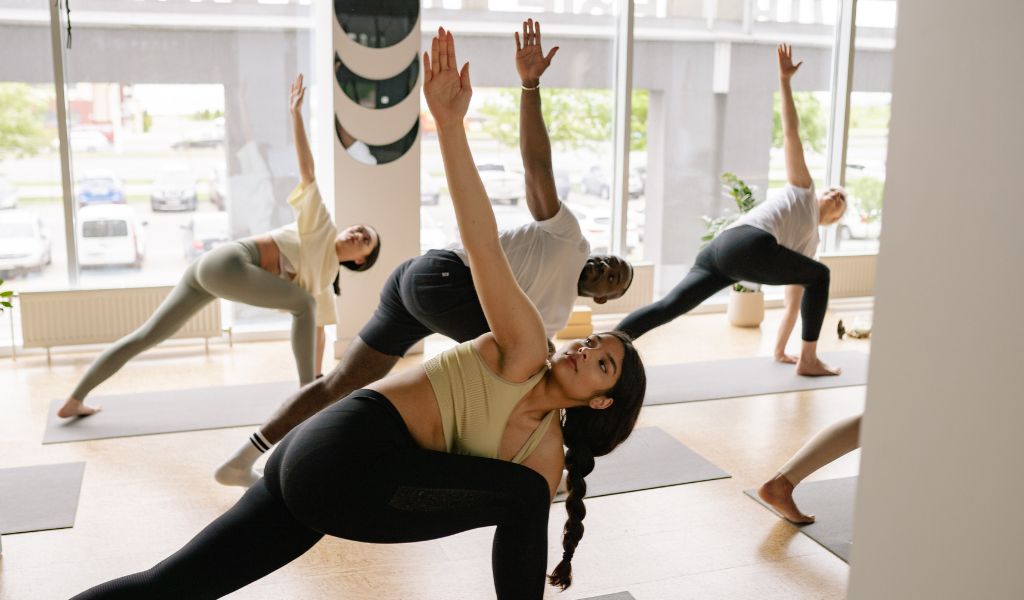
In Hatha Yoga, there is a wide variety of asanas that serve to strengthen, stretch and balance the body. Here are a few basic postures:
Tadasana (Mountain Pose)This basic posture serves as the foundation for many standing postures. It strengthens the legs, improves posture and balance, and helps develop a sense of grounding and stability.
More about Tadasana (Mountain Pose)
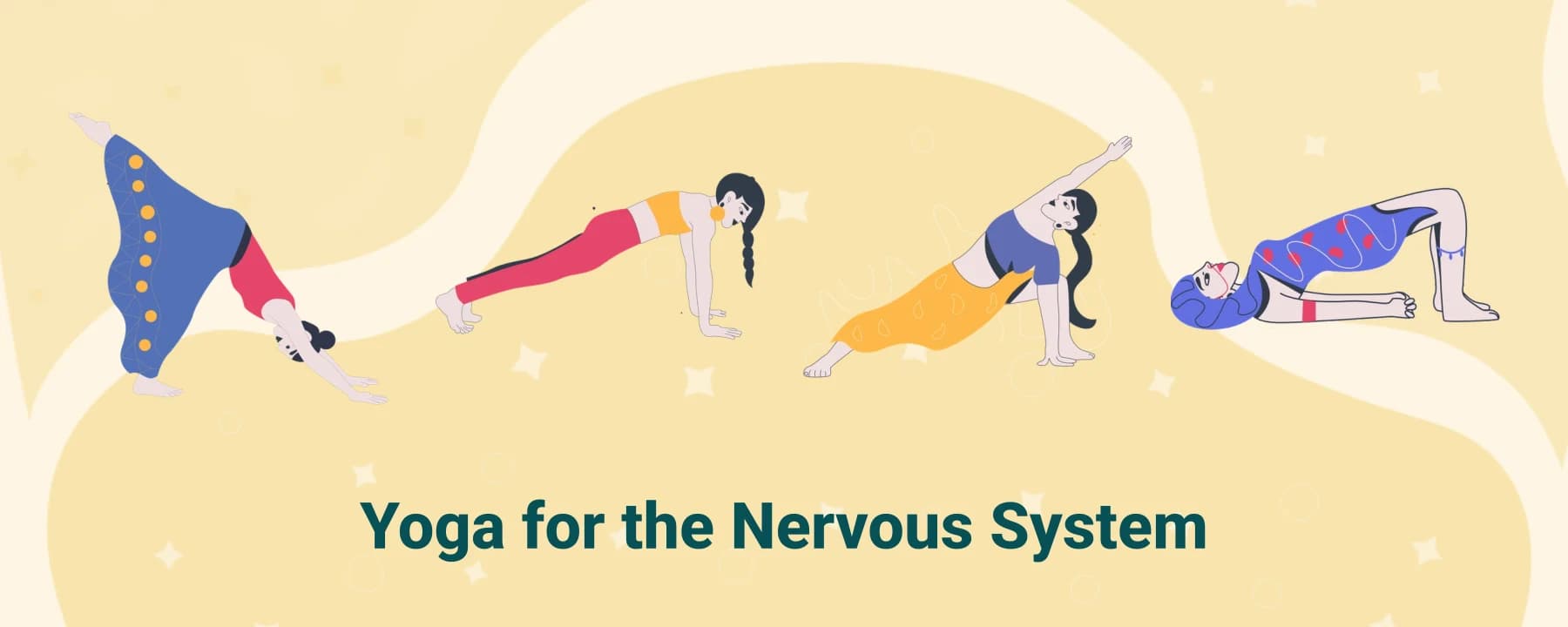
Adho Mukha Svanasana (Herabschauender Hund)Diese Haltung dehnt die Rückseite des Körpers, stärkt Arme und Beine und beruhigt das Nervensystem.
More about Adhomukha Shvanasana (Downward-Facing Dog)
Balasana (Kindeshaltung)This calm, grounding pose helps to reduce stress and tension and to regenerate the body.
More about Balasana (Child's Pose)
Bhujangasana (Kobra)This backbend strengthens the back muscles, stretches the chest and abdominal muscles, and stimulates the digestive system.
More about Bhujangasana (High Cobra Pose)
Every asana can have therapeutic and healing effects on the body and mind. It is important, though, to consider your individual needs and limits and to adapt your practice accordingly.
To the Asana LabTake a look at our Asana Lab and find more asanas
Hatha Yoga, characterized by holding poses over longer periods, strengthens the core muscles in particular. Regular practice improves strength, flexibility and balance. Some styles can even lead to aerobic conditioning.
In addition to improving physical fitness, Hatha Yoga can improve breathing, energy and vitality. It supports the maintenance of a balanced metabolism and can contribute to weight loss. Heart and circulatory health are promoted and athletic performance is improved. It also offers protection against injuries.
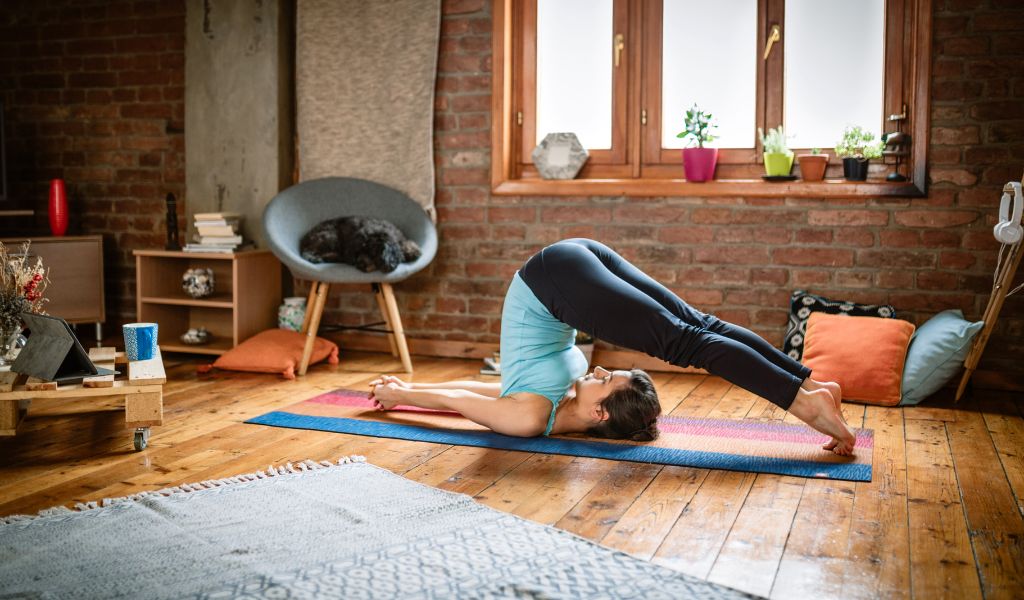
Hatha Yoga is more than just a physical practice. It is an effective tool for managing stress and depression. Through the focus on breathing techniques and meditation, which are essential components of a Hatha yoga practice, the mind is calmed and directed toward the present moment. This can lead to better sleep, improved symptoms of depression and better coping with stress.
4.3 Long-Term Feel-Good Effects: Your Sustainable Yoga LifestyleThe long-term benefits of Hatha Yoga extend beyond purely physical benefits. Conscious awareness and immersion in the present moment promote mindfulness, which improves stress management and increases overall well-being. Beyond that, yoga can help develop a stronger connection to ourselves and our environment, which leads to more self-acceptance, self-love and empathy.
The 5 Pillars of Your Hatha Yoga Temple 5.1 Asana: A Dance with Your BodyThe asanas, or physical exercises, serve as the foundation of the Yoga practice. These are geared to the specific needs, limits and strengths of the body and promote self-exploration and expansion of awareness. Regular movement can support both preventive well-being and a vibrant longevity. For example, in order to still be able to lift our arms in old age, we need to train these muscles today. Discipline, strength, expansion and liberation are fostered by incorporating a movement practice.
5.2 Soulfood: The Right Nutrition for Your Yoga FlowOur body is a temple, and nourishing it is one of our greatest responsibilities. It is not only about what we eat, but also how we eat. Slowing down, chewing, tasting and enjoying our meals are important aspects that are often forgotten in our busy lives. Satisfying our hunger and thirst, eating mindfully and choosing whole, local and organic foods whenever possible strengthen our physical and mental body.
5.3 Pranayama: Breathe Your Way into NirvanaPranayama, or mindful breathing, is a cornerstone of the observation practice and a tool for developing attention and awareness. The breath is a source of energy, relaxation and calm, and awareness of it can become an ever present anchor for the present moment and lead us to our deepest essence.
5.4 Power-Down: The Art of RelaxationIn today's society, being constantly busy is often seen as a status symbol. But we know that stress causes many chronic health problems. Savasana, the final resting position in the yoga practice, is often the most difficult pose for many people, but it is essential to take time for physical, mental and emotional relaxation. It is not a luxury, it is a necessity! It energizes, balances and revitalizes our entire being.
How do we show up in the world? What energy, intention and contribution do we bring to our work, our relationships, our family and our wider community? To approach and engage with life, we need the right intention. Clarity, kindness and authenticity allow us to enter a state of grace. We can love, speak and live with intention, and bring meaning and choice into every aspect of our lives.
To the Asana LabTake a look at our Asana Lab and find more asanas
The path of Hatha Yoga is older than we can imagine. It is rooted deep in the ancient Vedic teachings that arose thousands of years ago. We find the first mention of Hatha Yoga in the early Upanishads, the spiritual texts that form the foundation of yoga. Hatha Yoga was a method of preparing the body for long meditation sessions by building physical strength, endurance and flexibility.
Over the centuries, Hatha Yoga has gone through many developments and changes, giving rise to various schools and practices. In the West, Hatha Yoga became known mainly as a physical practice that emphasises body postures, or asanas. But in truth it is much more than that: it is a path of harmonising body, mind and soul.
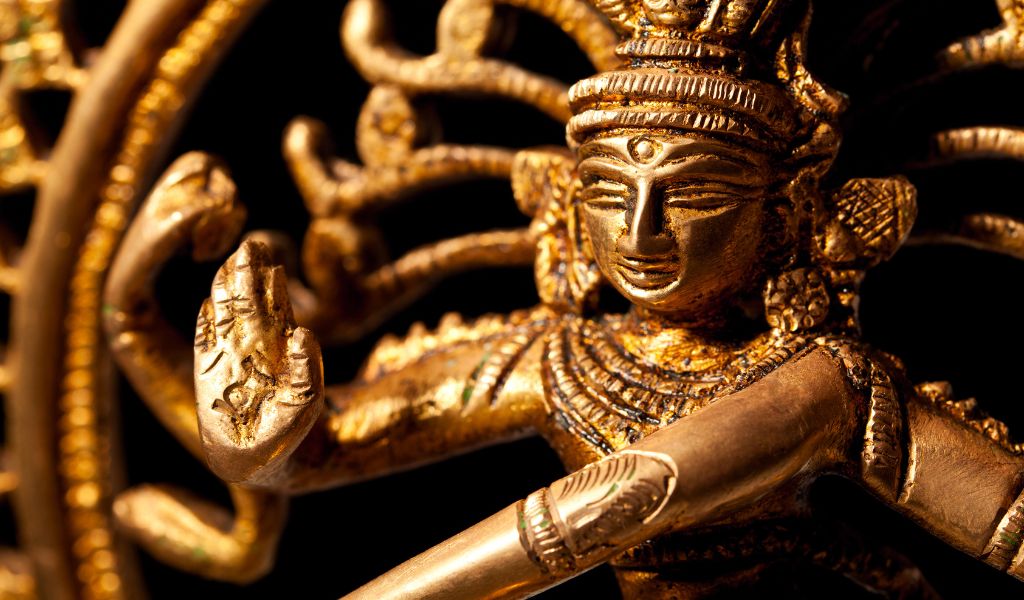
Patanjali, the author of the Yoga Sutra, had a profound influence on the understanding and practice of Hatha Yoga. Even though Patanjali is not the inventor of Hatha Yoga, his philosophical writings laid the foundation for many of the concepts and principles used in the practice of Hatha Yoga.
Patanjali's Yoga Sutra, written about 2000 years ago, consists of 196 aphorisms that set out the essence of yoga and the path to spiritual enlightenment. It includes concepts such as the eight limbs of yoga (Ashtanga), among them Yama, Niyama, Asana, Pranayama, Pratyahara, Dharana, Dhyana and Samadhi.
While asanas and pranayama have direct connections to Hatha Yoga, the deeper philosophical and moral teachings of Patanjali are also an essential part of Hatha Yoga practice. The pursuit of truth, non-violence, self-control and contentment are aspects of yoga philosophy that Hatha yogis bring into their practice.
Although Hatha Yoga and Patanjali's Yoga Sutra emphasise different aspects of yoga, they are deeply connected and complement one another, creating a holistic practice and way of life that strengthens the body, calms the mind and nourishes the soul.
Closing meditation: final thoughts on Hatha YogaHatha Yoga is a comprehensive practice that goes far beyond the physical exercises and asanas often known in the West simply as "yoga". The connection of body, mind and soul through asanas, pranayama, meditation and the observance of ethical principles is a way to lead a balanced and fulfilled life. By practising Hatha Yoga, we can experience not only physical benefits such as improved flexibility, strength and balance, but also improved emotional and mental health.
Hatha Yoga is suitable for people of all ages and fitness levels, since it is adaptable and inclusive. Whether you are new to yoga or already have an advanced practice, Hatha Yoga can make a valuable contribution to your wellbeing and your spiritual development.
In summary, it is important to emphasise that balancing pitta is achieved not only on a physical level, but also requires a holistic approach that includes diet, lifestyle, mental attitude and the use of healing herbs.
The authors and testers
Manish Rana is a Yoga teacher and founder of asanaverse.de. He writes about topics related to yoga, Ayurveda and meditation. Manish owes his deep connection to yoga to his Indian roots, through which he came into contact with this practice at an early age. He has completed numerous training courses and is an expert in his field.
He enjoys spending time in the kitchen, creating healthy, tasty dishes to keep body and mind in balance. As an active person, Manish also enjoys motorcycling, exploring new surroundings as an adventurer, and stays in top shape through fitness exercises.
More articles from the category
The Meaning of the Svadhisthana Chakra
Learn the meaning of 108 in our learning tools.
What Is the Muladhara Chakra?
Learn the meaning of 108 in our learning tools.
What Is Ahimsa
Learn 5,000-year-old wisdom in fast motion. Here you find out what ahimsa is.
Note: Some of the links in this article may be affiliate links, which can bring us compensation at no cost to you if you decide to buy something. These are products we have personally used and stand behind. This website is not intended for financial advice, it is for entertainment purposes only. You can read the disclosure of our partners in our privacy policy.