
Ashtanga Yoga für Anfänger: Eine Reise zu Kraft, Flexibilität und innerem Frieden
Ashtanga Yoga represents a particularly disciplined and structured form among the diverse yoga practices, deeply rooted in the Vedic tradition. This practice serves as a powerful tool for personal transformation and self-healing, for body, mind and soul. In this guide, you will learn everything you need to know about Ashtanga Yoga as a beginner.
Das nimmst du mit:
- A profound understanding of the structured and disciplined practice of Ashtanga Yoga, including its six series of asanas.
- Insight into the health benefits and spiritual enrichment that Ashtanga Yoga offers for body, mind and soul.
- Practical tips for integrating Ashtanga Yoga into everyday life, to foster lasting self-transformation and healing.
Das könnte dich interessieren: Der Ultimative Chakra Guide
Was ist Ashtanga Yoga?
Ashtanga Yoga is a methodical series of Asanas (yoga positions), performed in a specific order to improve physical, mental and spiritual health. This practice is distinguished by its focus on the Vinyasa method, the synchronisation of movement and breath, and the inclusion of Bandhas (energy locks) and Drishti (gaze focus). Ashtanga is known for its intensity, which fosters not only physical endurance and flexibility but also mental discipline and concentration.
Die Ursprünge und Geschichte von Ashtanga Yoga
The historical roots of Ashtanga Yoga can be traced back to the ancient Vedic scriptures of India. It was, however, popularised through the work of Sri K. Pattabhi Jois in the middle of the 20th century, who brought Ashtanga Yoga into the modern world. Jois' teaching emphasises the importance of regular practice ("practice and all is coming"). This suggests that the continuous application of these ancient techniques can lead to deep self-knowledge and healing.
Ashtanga Yoga als Weg der Selbsttransformation
Ashtanga Yoga offers not only physical benefits such as improved flexibility and strength, but also serves as a powerful instrument of self-transformation. Through consistent practice, practitioners are encouraged to grow beyond physical limits and to establish a deeper connection between body, mind and breath. This integration fosters improved self-awareness and increased inner calm, which in turn contributes to a more balanced and healthier lifestyle.
The practice of Ashtanga Yoga is therefore not merely a series of physical exercises, but a holistic discipline focused on the healing of the self. It challenges practitioners to meet themselves on a deeper level and offers a tool for overcoming physical as well as emotional blockages.
Die Praxis von Ashtanga Yoga
Ashtanga Yoga is a complex system, characterised by the precision and depth of its Asanas, organised into six series that each build on the previous one and challenge the practitioner both physically and mentally. The key to this practice lies in the perfect synchronisation of movement and breath, the Vinyasa Flow, complemented by the application of Bandhas and Drishti. Together, these not only increase physical strength and flexibility but also lead to inner clarity and mental calm.
Die sechs Serien von Asanas und ihre Bedeutung
Each series in Ashtanga Yoga builds on the previous one, beginning with the primary series, which detoxifies and aligns the body, continuing through the intermediate series, which cleanse and open the nervous system, and reaching the advanced series, which aim at strengthening and refining the body's grace. This methodical sequence allows the practitioner to grow into their practice gradually and safely, while a deeper physical and energetic cleansing takes place at the same time.
Der Vinyasa Flow: Synchronisation von Bewegung und Atem
The Vinyasa Flow is the heart of Ashtanga Yoga. This dynamic connection of movement and breath leads to a meditative state that guides practitioners through the series. Every movement is accompanied by a breath, creating a flowing rhythm that calms the mind and fosters concentration. This flow generates inner heat, which cleanses the body and improves circulation, leading to a feeling of lightness and energy.
Die Rolle von Bandhas und Drishti
Bandhas, or energy locks, are an essential part of the Ashtanga practice. They support the control of Prana (life energy) and help direct and stabilise the energy within the body. The three main bandhas, Mula Bandha, Uddiyana Bandha and Jalandhara Bandha, are activated during practice to generate powerful inner strength and to deepen concentration.
Drishti, der fokussierte Blick, ist ein weiteres Element, das zur mentalen Klarheit und Ausrichtung beiträgt. Durch die Konzentration auf einen festen Punkt während der Ausführung der Asanas wird die Praxis meditativer und die Ablenkungen des Geistes werden reduziert. Dies fördert eine tiefere Verbindung zwischen Körper und Geist und hilft, in den gegenwärtigen Moment einzutauchen.
Health benefits and spiritual aspects
Physical and psychological effects of Ashtanga Yoga
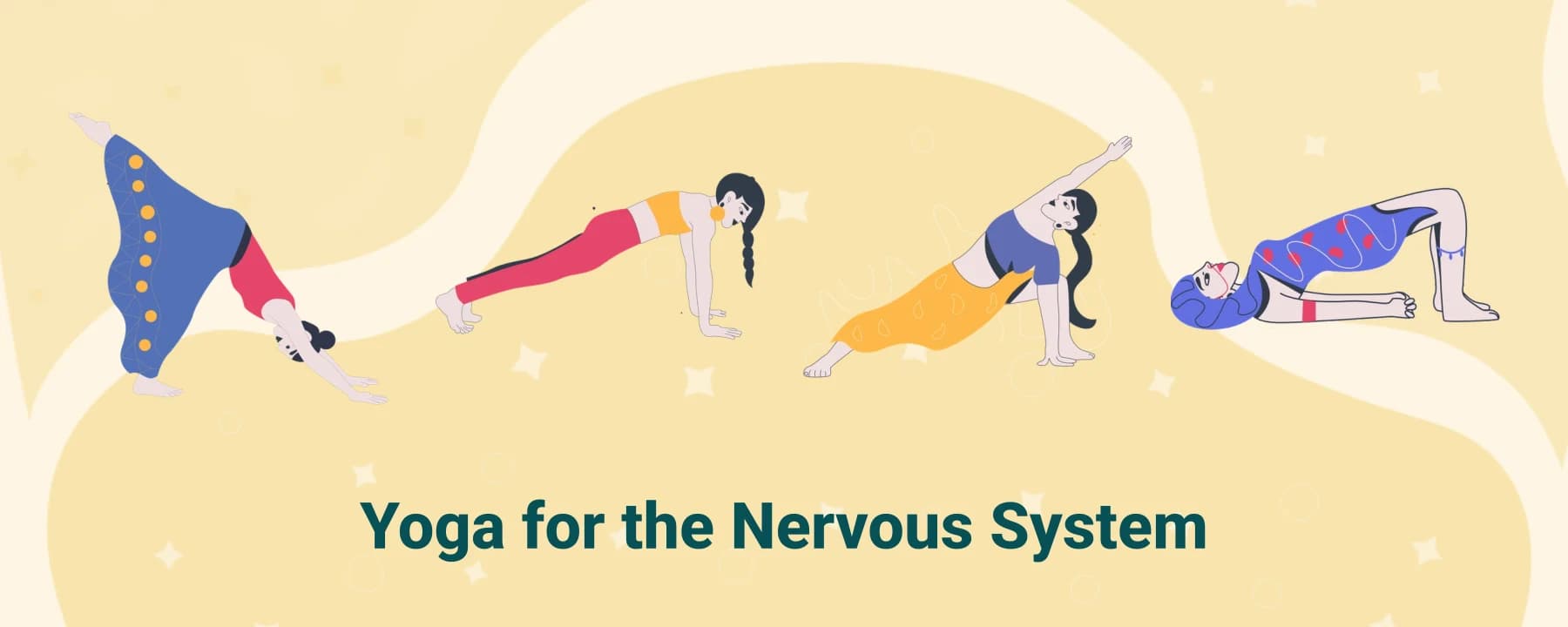
Regular practice of Ashtanga Yoga promotes physical health by improving flexibility, strength and endurance. The dynamic asanas stimulate the metabolism, promote the body's detoxification and improve the function of the cardiovascular system as well as the respiratory system. On a psychological level, Ashtanga Yoga helps reduce stress and anxiety by focusing on the present moment and the breath, which has a calming effect on the nervous system.
Ashtanga Yoga for promoting inner calm and concentration
The synchronisation of movement and breath in the vinyasa flow contributes significantly to the development of inner calm and increased concentration. This practice teaches you to tame the mind and let go of distracting thoughts, which allows for deeper meditative states. By focusing on asanas, breath and drishti, practitioners learn to direct their attention and achieve mental clarity.
How Ashtanga Yoga supports energetic balance
Ashtanga Yoga affects not only physical and psychological health, it also has a profound effect on the body's energetic balance. By activating the bandhas and aligning the chakras during practice, the flow of energy in the body is improved. This helps release blockages and allows prana to circulate freely through the body, leading to a feeling of vitality and wellbeing.
The health benefits and spiritual aspects of Ashtanga Yoga are extensive and profound. This practice offers a holistic system for the development of body, mind and soul that not only contributes to improving physical fitness, but also promotes emotional resilience and supports spiritual growth.
Preparation and equipment for Ashtanga Yoga
Choosing the right equipment and clothing
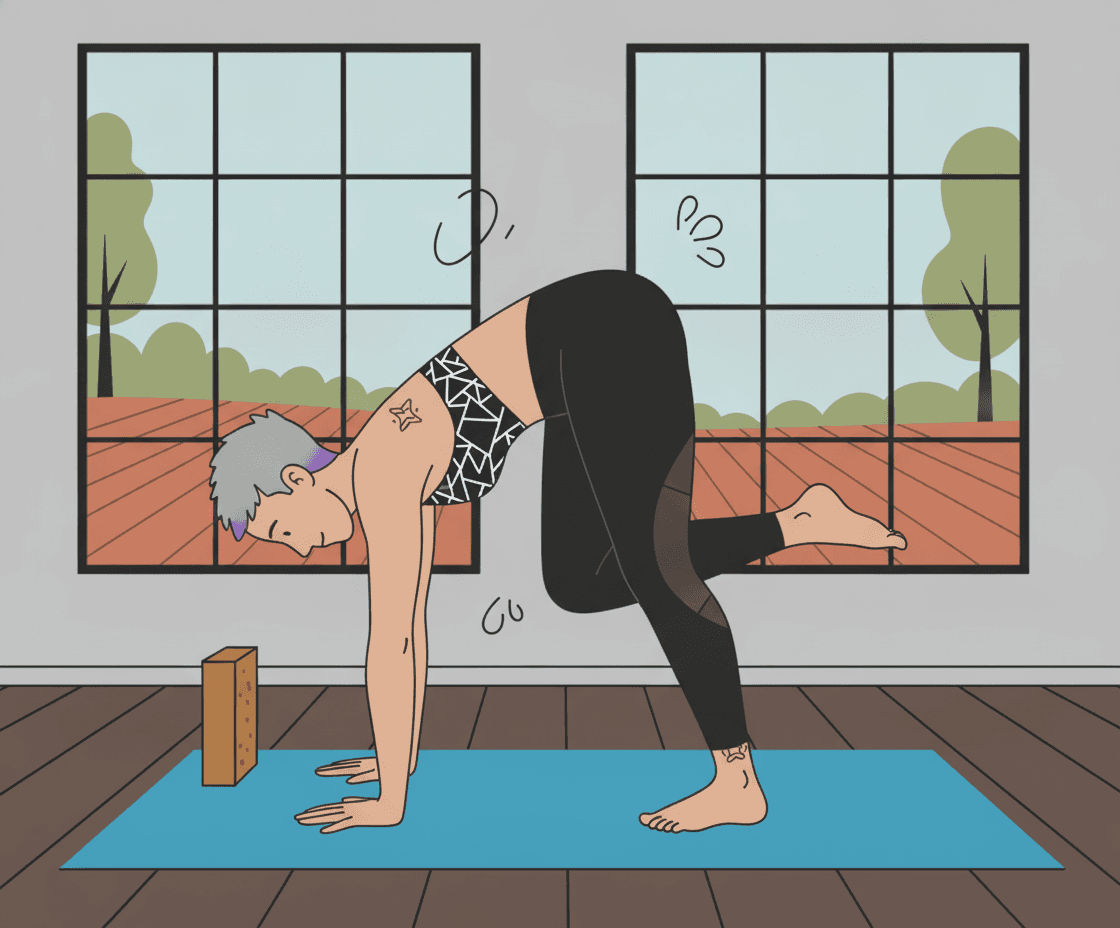
For Ashtanga practice, it is advisable to choose light, breathable clothing that offers freedom of movement and lets the body breathe. A high quality yoga mat with good slip resistance is equally important for staying stable during the dynamic sequences. In addition, using aids such as yoga blocks or straps can be particularly helpful for beginners, allowing them to perform the asanas correctly and gradually accustom the body to the positions.
The importance of consistency and routine
A regular practice is at the heart of Ashtanga Yoga. Developing a daily routine not only supports physical progress, it also promotes mental discipline and emotional balance. It is advisable to practise at a fixed time in order to attune body and mind to the yoga practice and to establish it as a fixed part of the daily routine.
Adjustments and variations for beginners
Ashtanga Yoga can seem challenging at first, so it is important for beginners to be patient with themselves and allow themselves to ease into the practice gradually. Using adjustments and variations of the asanas makes it possible to adapt the exercises to individual abilities and thus prevent injuries. An experienced teacher can help adapt the practice to personal needs and goals.
Ashtanga Yoga in everyday life
Integrating Ashtanga Yoga into your daily lifestyle offers a unique opportunity to carry the principles and benefits of this practice beyond the mat and into everyday life. This not only fosters a deeper connection to yoga, it also supports the development of a balanced, mindful and healthy lifestyle.
Integrating Ashtanga Yoga into your daily lifestyle
A daily Ashtanga practice in the morning can provide a calm and centred start to the day, while an evening practice can help you let go of the events of the day and prepare for a restful night. In addition, Ashtanga Yoga encourages you to integrate principles such as mindfulness, self care and the pursuit of balance into decisions regarding nutrition, rest and interpersonal relationships.
Tips for beginners: how and where to start
For beginners, it is advisable to start with an introductory class or workshop in order to understand the basics of the practice, the alignment of the asanas and the importance of the breath. An experienced teacher can offer valuable guidance and support to make sure the basics are learned correctly. It is important to be patient and build up the practice slowly, without overtaxing the body.
Dealing with Challenges and Common Complaints
Ashtanga Yoga can be physically and mentally challenging, especially in the early stages. It is normal to encounter challenges and occasional discomforts, such as sore muscles or difficulties with certain asanas. What matters is treating your own body mindfully, respecting your limits and adapting the practice accordingly. Continuous practice and the willingness to learn from these experiences lead to progress and a deeper connection to the practice.
Integrating Ashtanga Yoga into everyday life is a process that requires commitment and patience, but it also offers profound rewards in the form of physical health, emotional balance and spiritual insight.
Frequently Asked Questions
- What distinguishes Ashtanga Yoga from other yoga styles like Hatha or Vinyasa?
- Ashtanga Yoga follows a fixed series of asanas, which are always performed in the same order, resulting in a particularly dynamic and challenging practice. Hatha Yoga is often more flexible in its sequencing and places more emphasis on relaxation and meditation. Vinyasa Yoga shares with Ashtanga the emphasis on flow between asanas, but offers more variability in its sequences.
- Who is Ashtanga Yoga suitable for, and who should be cautious?
- Ashtanga Yoga is generally suitable for people of all ages and fitness levels who are willing to commit to a demanding and regular practice. However, people with health conditions or injuries should consult a doctor before starting and speak with their yoga teacher to discuss necessary adjustments.
- How often should I practice Ashtanga Yoga?
- Ideally, Ashtanga Yoga is practiced daily, with one rest day per week to give the body time to recover. Beginners can start with fewer days and gradually increase the frequency once body and mind have adjusted to the practice.
- Can Ashtanga Yoga help with anxiety or depression?
- Yes, many people report that regular practice of Ashtanga Yoga can help reduce anxiety and depressive symptoms. This is due to improved body awareness, conscious breathing techniques and the meditative aspects of the practice, which calm the nervous system and direct focus to the present moment.
With that, we have reached the end of our Ashtanga Yoga guide. If you have questions or need more information, do not hesitate to contact us. Enjoy your practice. Namaste.

Manish
Note: Some of the links in this article may be affiliate links, which can earn us compensation at no cost to you if you decide to buy something. These are products we have personally used and stand behind. This website is not intended for financial advice, but is meant for entertainment purposes only. You can read the disclosure of our partners in our privacy policy.