Chronic Stress
Yoga for Chronic Stress and Being Unable to Switch Off
Chronic stress is less a feeling than a setting. Nothing dramatic is happening, and yet the shoulders do not come down when you sit, the evening does not feel like an evening, and being told to relax has never once worked as an instruction.
This guide is about what actually got tested. Which kind of practice the strongest trials used, and why it is more active than you would expect. How often is enough. What the research is solid about and what it is not, because there is a popular claim here that does not hold up.
Who this guide is for
Signs this guide was written for you
What causes Chronic Stress
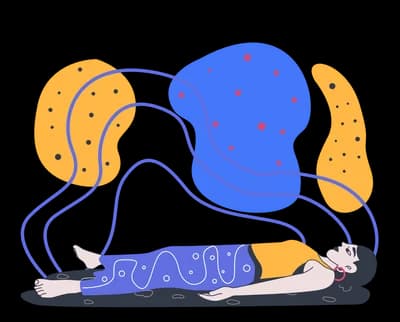
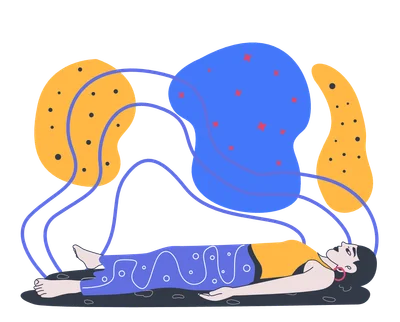
The practice that worked in the trials was more active than almost anyone expects, and it ended with fifteen minutes of lying completely still.
Safety
When to practise and when to get it looked at
How to practise so it works
The asanas
The yoga poses that matter for Chronic Stress
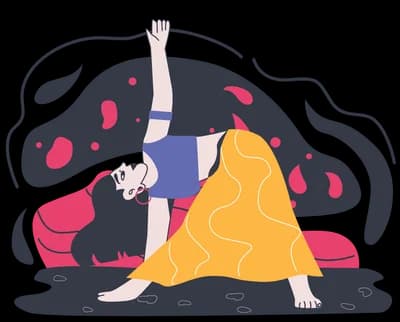
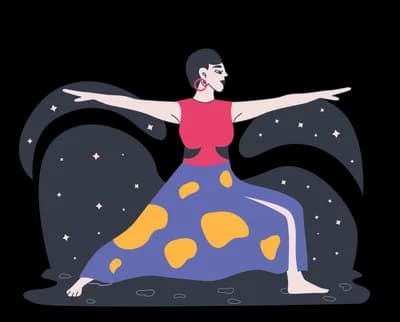
Standing poses, held long
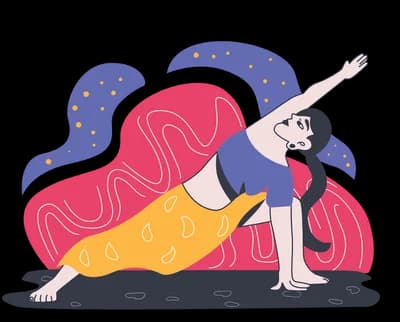
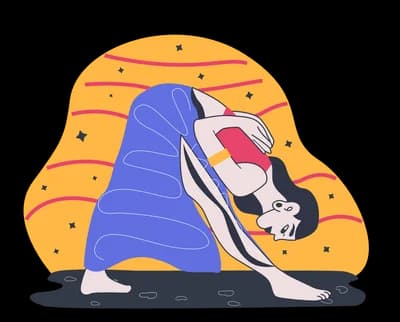
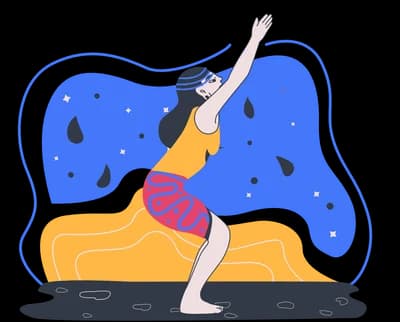
The ending, which is not the cool down
For yoga teachers
Teaching a class for Chronic Stress
Hand made yoga sequences for Chronic Stress
Full sequences you can teach or practise today
Build your own
Put together your own class for Chronic Stress
The sequence builder gives you all 108 asanas and lets you arrange them yourself. While you build, it watches the shape of the class: whether the intensity rises and falls the way a practice should, whether every strong pose gets its counterpose, and whether the order makes anatomical sense.
Save what you build, come back to it, and teach it. It is the fastest way to turn what you just read into a class of your own.
The research
What the studies actually found
Stress is one of the most studied questions in this whole field, and the picture is clear as long as you look at the right outcome. Across 13 trials with 1,026 people, perceived stress fell substantially and quality of life improved with a large effect. The trial with the clearest protocol brought perceived stress down significantly and also answered a practical question: twice a week was no better than once. A three armed trial found yoga and structured mindfulness equally effective, with the gains still large three months after the courses ended.
Effects of yoga on stress in stressed adults: a systematic review and meta-analysis
Read the source →Iyengar yoga for distressed women: a 3-armed randomized controlled trial
Read the source →Stress Reduction by Yoga versus Mindfulness Training in Adults Suffering from Distress
Read the source →Effectiveness of Workplace Yoga Interventions to Reduce Perceived Stress in Employees
Read the source →Restorative yoga and metabolic risk factors: the Practicing Restorative Yoga vs. Stretching study
Read the source →Frequently Asked Questions
Does yoga help with chronic stress?
With the stress you feel, clearly and consistently. Across 13 trials with 1,026 people, perceived stress fell substantially against control groups and quality of life improved with a large effect. The trials that reported on safety found no adverse events.
Does it lower cortisol?
That is a much shakier claim than it sounds. The physiological evidence is inconsistent, and in one trial restorative yoga actually produced a smaller drop in cortisol than plain stretching. Perceived stress and cortisol are two separate evidence bases and only the first one holds up.
How much do I need to do?
One longer session a week is enough. The trial that tested once against twice weekly found no difference, and the once weekly group attended more reliably. Short sessions in between are useful, but not because more is better.
Should a stress practice be gentle?
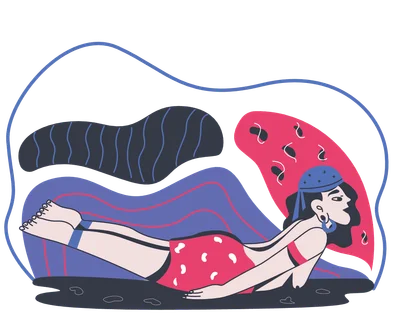
Less gentle than most people assume. The protocol with the clearest results was made of standing poses and back bends held for a long time, and it finished with fifteen minutes of complete stillness. It is the combination that was tested, not either half.
Is this better than meditation or mindfulness?
No. A three armed trial compared two kinds of yoga against a structured mindfulness course and found all three equally effective at reducing perceived stress, with no added benefit from combining yoga with mindfulness. The one you will actually do is the best one.
What if it is more than stress?
Persistent low mood, sleep that does not come back, losing interest in things you used to want, or any thought of harming yourself are reasons to talk to a doctor. This program is designed for a heavy load, not for a condition, and it belongs alongside care rather than instead of it.
Related Practices