MS Fatigue and Movement
Yoga for Fatigue and Movement With MS
The fatigue is not tiredness, and everyone who has tried to explain it knows how badly that word does. It arrives without being earned, it does not answer to sleep, and heat makes it worse. So does the exercise that is meant to help.
This guide leads with fatigue rather than balance, because that is the order the evidence runs in. What the research supports and what it plainly does not, why a cool room is part of the practice, and a twelve week program built around the days that go badly.
Who this guide is for
Signs this guide was written for you
What causes MS Fatigue and Movement
The strongest evidence here is for fatigue, and the weakest is for balance. The original title had that the other way round.
Safety
When to practise and when to get it looked at
How to practise so it works
The asanas
The yoga poses that matter for MS Fatigue and Movement
Where the fatigue work happens
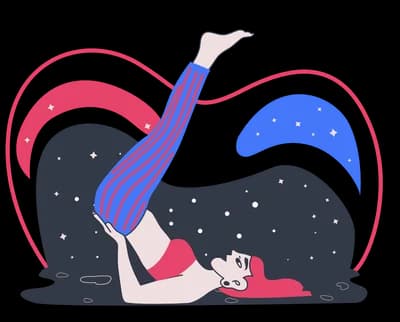



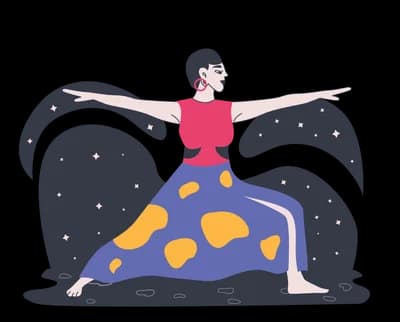
Standing, chair as the standard version




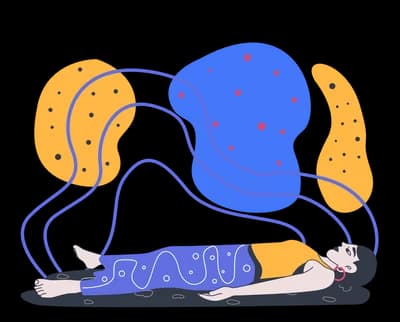
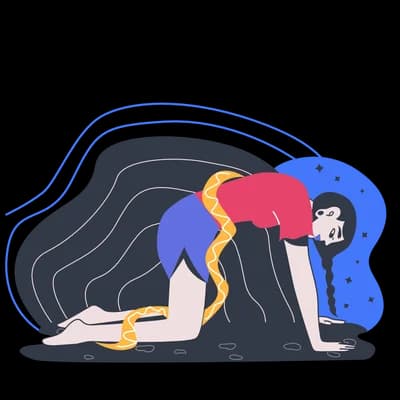
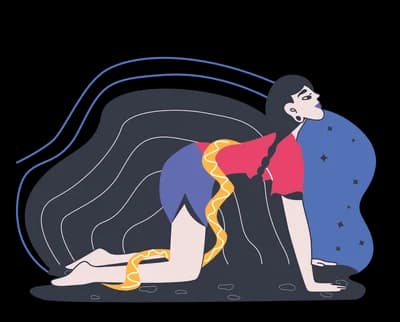
On the floor, dosed



For yoga teachers
Teaching a class for MS Fatigue and Movement
Hand made yoga sequences for MS Fatigue and Movement
Full sequences you can teach or practise today
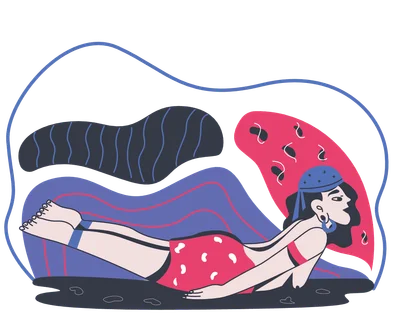

Build your own
Put together your own class for MS Fatigue and Movement
The sequence builder gives you all 108 asanas and lets you arrange them yourself. While you build, it watches the shape of the class: whether the intensity rises and falls the way a practice should, whether every strong pose gets its counterpose, and whether the order makes anatomical sense.
Save what you build, come back to it, and teach it. It is the fastest way to turn what you just read into a class of your own.
The research
What the studies actually found
This is a field where the evidence is honest about itself and the marketing usually is not. Fatigue improves, in the same range as general exercise training does. Mood improves. Quality of life domains improve. Balance and walking distance, measured directly in the cleanest controlled trial, did not differ from physiotherapy or from doing nothing. And the single largest effect in this literature comes from a humming breath practice done at home for four weeks, not from any posture. This program is built in that order.
Yoga for multiple sclerosis: a systematic review and meta-analysis
Read the source →Yoga vs Physical Therapy in Multiple Sclerosis: Results of Randomized Controlled Trial and the Training Protocol
Read the source →Exercise therapy for fatigue in multiple sclerosis
Read the source →The Effect of Breathing Yoga "Bhramary Pranayama" on Fatigue and Depression in Women with Relapsing Remitting Multiple Sclerosis
Read the source →Randomized controlled trial of yoga and exercise in multiple sclerosis
Read the source →The effect of yoga on the quality of life and fatigue in patients with multiple sclerosis: A systematic review and meta-analysis of randomized controlled trials
Read the source →Frequently Asked Questions
Does yoga help with multiple sclerosis?
For fatigue, yes. A meta-analysis of 7 trials with 670 people found it better than usual care for fatigue and mood. Compared with other forms of exercise it performed equivalently rather than better, and a Cochrane review of exercise therapy for MS fatigue found almost the same effect size. It is a good option, not a special one.
Does it improve balance or walking in MS?
The evidence does not support saying so. In the cleanest controlled trial, 56 people did twelve weeks of Iyengar yoga, physiotherapy, or nothing, and there was no significant difference between the groups on the Berg balance scale or the six minute walk. Quality of life domains improved in the yoga group, which is a different and still worthwhile result.
Why does heat matter so much with MS?
Because a rise in body temperature can temporarily worsen neurological symptoms in around three quarters of people with MS, whether the heat comes from the room or from the exertion. It typically settles within a day and it is not a relapse. Practising cool, moderately and with breaks is what makes a session sustainable.
What is the breathing practice with the big result?
Humming breath: in through the nose for about five seconds, out through the nose with a low hum for about fifteen, ten to twenty rounds. In a trial where women with relapsing remitting MS practised twenty minutes twice daily at home for four weeks, fatigue and depression both fell substantially while the control group did not change.
How do I avoid overdoing it?
Judge by the day after, not by the session. Fatigue that is worse for more than a day means the dose was too high. Halve the standing section, or do the ten minute version instead. Choosing a smaller dose is the skill this program is actually teaching.
When should I not use this?
During a relapse, if you need a wheelchair or cannot walk independently, if there are new neurological symptoms that have not been assessed, or if significant sensory loss makes it hard to tell where a limb is. The research base covers people who walk independently or with one stick, and it does not extend beyond that.
Related Practices