Prenatal Mobility and Comfort
Prenatal Yoga for the Second Trimester
The sickness has gone and something else has arrived. The lower back has opinions by the evening, the hips ache in bed, and underneath it is a low hum of worry that nobody has named. This is also the stretch with the most energy you are going to get.
This guide is for weeks fourteen to twenty-eight specifically. Which modifications matter and why, which claims about birth are worth ignoring, why the breathing is the part doing the work, and a six week program that fits inside the trimester.
Who this guide is for
Signs this guide was written for you
What causes Prenatal Mobility and Comfort
The breathing and the long rest are not the cool down. They are the part with the evidence behind them.
Safety
When to practise and when to get it looked at
How to practise so it works
The asanas
The yoga poses that matter for Prenatal Mobility and Comfort
Pelvis and hips
Standing, wider than usual
Breath, and rest on your side

For yoga teachers
Teaching a class for Prenatal Mobility and Comfort
Hand made yoga sequences for Prenatal Mobility and Comfort
Full sequences you can teach or practise today
Build your own
Put together your own class for Prenatal Mobility and Comfort
The sequence builder gives you all 108 asanas and lets you arrange them yourself. While you build, it watches the shape of the class: whether the intensity rises and falls the way a practice should, whether every strong pose gets its counterpose, and whether the order makes anatomical sense.
Save what you build, come back to it, and teach it. It is the fastest way to turn what you just read into a class of your own.
The research
What the studies actually found
Prenatal yoga is well studied and unevenly reported, so it is worth separating the two halves. The reliable half: anxiety, depression and perceived stress improve across a large body of trials, and the improvement is clearest when the practice includes breathing and deep relaxation rather than postures alone. The unreliable half: the striking numbers about labour duration and mode of birth, which carry GRADE ratings of low and very low, come from unblinded studies with a strong geographic concentration. This program is built entirely on the first half.
The characteristics and effectiveness of pregnancy yoga interventions: a systematic review and meta-analysis
Read the source →Yoga for prenatal depression: a systematic review and meta-analysis
Read the source →Effect of integrated yoga on stress and heart rate variability in pregnant women
Read the source →Prenatal Yoga for Back Pain, Balance, and Maternal Wellness: A Randomized, Controlled Pilot Study
Read the source →Effects of antenatal yoga on maternal anxiety and depression: a randomized controlled trial
Read the source →Frequently Asked Questions
Is prenatal yoga safe?
In uncomplicated pregnancies, the trials report no yoga-related adverse events. The safety comes from the modifications: no lying flat on your back for any length of time from about week 20, no closed twists, nothing on your front, no inversions, no heated rooms and no breath holding. High risk pregnancies are a different question, with almost no research behind it.
Which trimester is best for starting?
The second. No trial in this literature begins before week 12, the first trimester carries the highest risk of miscarriage regardless of what anyone does, and the third changes the biomechanics enough that a fixed six week plan stops fitting. Weeks 14 to 28 is the window this program is written for.
Does yoga reduce anxiety in pregnancy?
Yes, and it is the most consistent finding here. A review of 29 studies with 2,217 pregnant women found reductions in anxiety, depression and perceived stress. The GRADE ratings are low, which reflects the state of the field rather than the absence of an effect.
Does prenatal yoga make labour shorter?
The literature contains numbers suggesting it might, and their evidence quality is rated low and very low. None of the studies were blinded, and thirteen of the thirty-one came from a single country whose studies were far more likely to report positive results. It is a real open question and it is not something to build a promise on.
What helps most with pregnancy back pain?
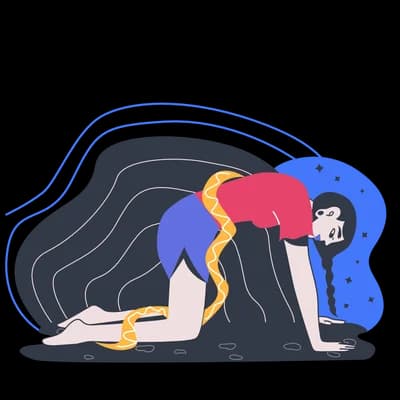
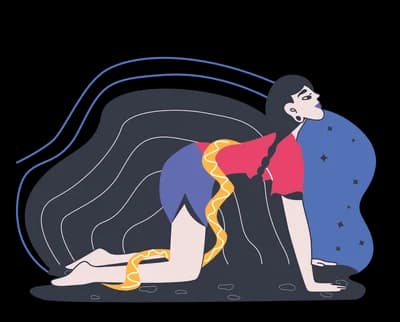
Time on hands and knees, honestly. It is the only common position where the weight of the bump comes off the lower back completely. Beyond that, wide standing poses that put the load into the legs, and side-lying rest with a cushion between the knees.
Why can I not lie on my back?
From around week 20 the growing uterus can compress the vena cava, the large vein returning blood to the heart, which can drop your blood pressure and make you feel faint. Resting on your left side with a cushion between the knees does the same job without that risk.
Related Practices