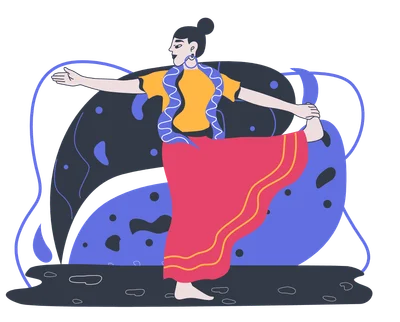
Parivrtta Hasta Padangusthasana
Revolved Hand-to-Big-Toe Pose
Step with us into the world of precision of our Parivrtta Hasta Padangusthasana Uncovered. Like an artist balancing on a rope above the rooftops of the city, this revolved hand-to-foot pose combines elegance with concentration.
Category: Twists
Twists are asanas in which you gently stretch muscles and joints. They promote suppleness and mobility. Breathing in Twists has a relaxing effect: you supply your muscles with oxygen and release tension.
VAYUS
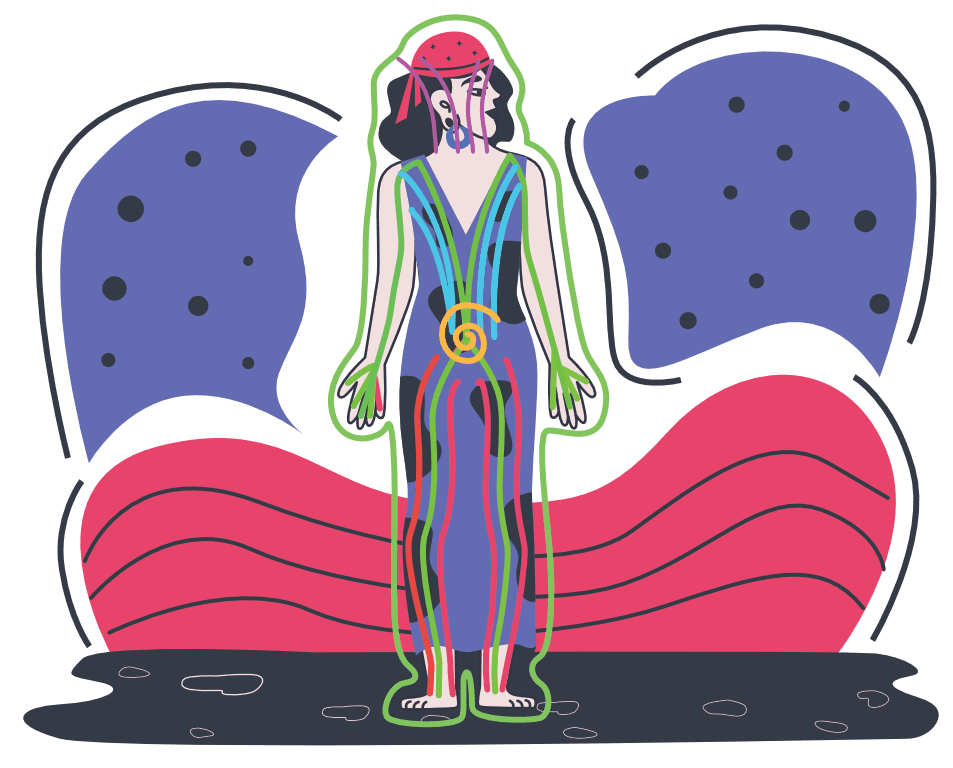
Each of the five Prana Vayus plays an essential role in our body and mind. They move and direct energy in specific directions, each with its own special area of influence and function. Revolved Hand-to-Big-Toe Pose has its own unique effects on these vayus.
Apana Vayu – The Grounding Force
▼
Rooted in the lower regions of the body, Apana Vayu takes care of elimination and the letting go of everything superfluous. Parivrtta Hasta Padangusthasana challenges Apana Vayu, as standing on one leg and the twist require a firm connection to the earth while at the same time massaging the internal organs, which supports the elimination function. Physically it fosters stability and lightness, while mentally it helps release emotional burdens.
Samana Vayu – Energetic Balance
▼
Centered around the navel area, Samana Vayu ensures an energetic balance in the body. The balance and the twisting movement in Parivrtta Hasta Padangusthasana stimulate Samana Vayu, which supports an even distribution of energy and contributes to strengthening the digestive fire. Physically this can optimize digestion and metabolism, while mentally it contributes to centering and emotional balance.
Prana Vayu – Life Force and Clarity
▼
Located at the chest, Prana Vayu is responsible for the reception and intake of life energy. Through the expansion of the ribcage in Parivrtta Hasta Padangusthasana, Prana Vayu is nourished, which enables deeper breathing and an improved oxygen supply. Physically it improves breathing capacity; mentally it fosters clarity and life-giving energy.
CHAKRAS
Muladhara Chakra (Root Chakra)
▼
In this pose, the Muladhara Chakra is activated, as the legs are firmly anchored on the floor and provide stability. This grounding fosters the feeling of safety and rootedness. The root chakra stands for our basic need for stability and safety, which is supported by the stable, grounded position of this asana. In everyday life, the activated Muladhara Chakra helps create a solid foundation and reduce fears by strengthening inner stability.
Swadhisthana Chakra (Sacral Chakra)
▼
While the hips are opened in the twisted position, the Svadhisthana Chakra is stimulated, which is responsible for creativity, emotions and the flow of life. The activation of the sacral chakra through this pose fosters emotional flexibility and makes it possible to respond to changes with ease and creativity. This energy supports the ability to go with the flow of life and adapt to challenges.
Vishuddha Chakra (Throat Chakra)
▼
Through the slight twist of the neck and the focus on the breath, the Vishuddha Chakra is activated. This chakra stands for communication and self-expression. In this pose, the throat area is stretched and opened, which supports the free flow of energy in the throat chakra. This strengthens the ability to communicate clearly and authentically and to express inner truths, both in everyday life and in interpersonal relationships.
KOSHAS
Annamaya Kosha (Physical Body)
▼
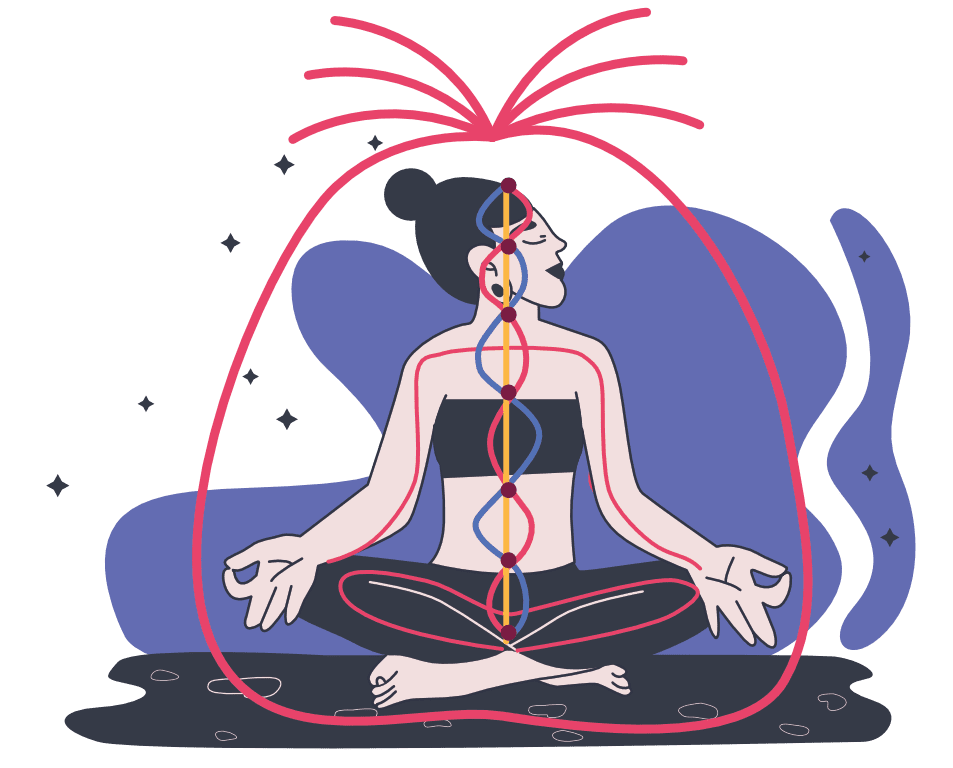
Annamaya Kosha concerns the physical aspect of our being. Parivrtta Hasta Padangusthasana, the standing leg raise with a twist, stretches the leg musculature, strengthens the balance and fosters the stability of the hip joints.
Pranamaya Kosha (Energy Body)
▼
Pranamaya Kosha comprises the life energy in the body. The posture fosters circulation and the flow of energy, especially in the legs and along the spine, through the balance and twist.
Manomaya Kosha (Mental Body)
▼
Manomaya Kosha is the mental and emotional layer. Parivrtta Hasta Padangusthasana requires concentration and mental presence, which can improve mental clarity.
Vijnanamaya Kosha (Intellectual Body)
▼
Vijnanamaya Kosha refers to higher consciousness and intuition. The complex alignment in Parivrtta Hasta Padangusthasana can deepen the perception and intuitive understanding of your own body.
Anandamaya Kosha (Spiritual Body)
▼
Anandamaya Kosha represents the layer of bliss. Through the mastery of Parivrtta Hasta Padangusthasana, a deep feeling of contentment and joy can arise.

DOSHAS
Vata
▼
This pose can calm the Vata dosha when performed with mindfulness and stability. The concentration and precision required can help reduce the fluttering qualities of Vata.
Pitta
▼
The complexity of Parivrtta Hasta Padangusthasana can help Pitta individuals channel their natural inclination toward challenges and perfectionism in a healthy way. At the same time, care must be taken not to overexert the pose in order to avoid Pitta overheating.
Kapha
▼
The standing balance and twist in Parivrtta Hasta Padangusthasana challenge the body, which can contribute to dissolving Kapha-related stiffness and sluggishness. The asana activates and warms the body, which reduces the heaviness of Kapha.

Key Information for Correct Execution
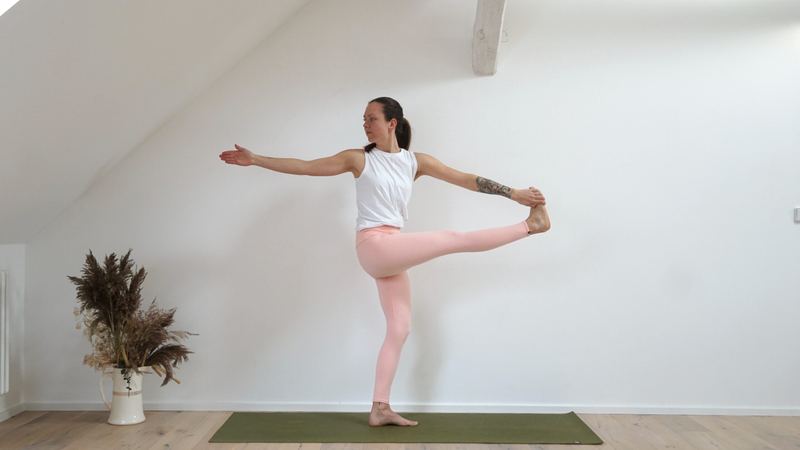
Meet Geraldine, a certified yoga teacher and psychology student who emphasizes mindfulness and alignment to inspire people toward a more peaceful life.
Common Mistakes
Make sure the upper body stays perpendicular over the hips and does not buckle forward.
Our Tip
The revolved hand-to-foot pose is demanding and requires patience and steady practice.
Variations
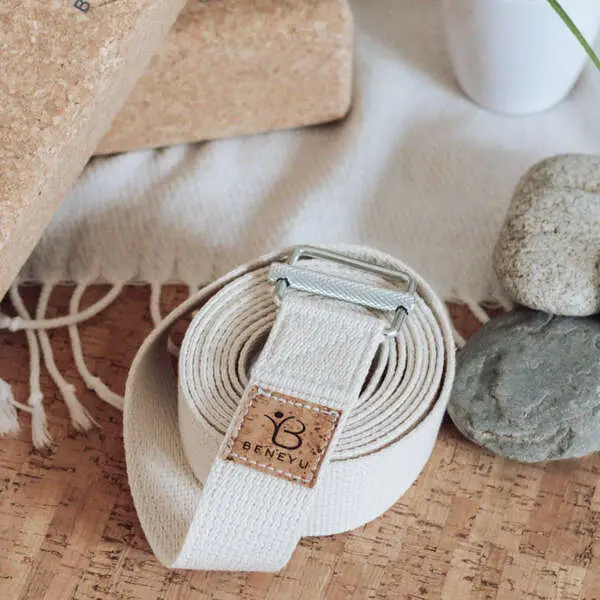
You can use a strap around the ball of the foot if the back of the leg feels too tight, to ensure the correct alignment.
Physical Effect
Joint Coordination
Parivrtta Hasta Padangusthasana, the revolved hand-to-foot position, fosters the coordination and interplay between different joints, especially the hip, knee and ankle joints. Balancing on one leg strengthens the proprioceptive abilities responsible for the fine-tuning of joint positions, which increases movement precision and the sense of balance.
Torso Rotation and Strengthening
The twist of the upper body in this pose intensely engages the oblique abdominal muscles and the deep core muscles. This activity is essential for the functional mobility and strengthening of the torso, supports the structural integrity of the spine and can help reduce the risk of back injuries.
Leg Flexors and Extensors
When lifting the leg in Parivrtta Hasta Padangusthasana, both the flexors and the extensors of the leg are engaged. The muscle groups, including the quadriceps and the hamstrings, experience intense work, which contributes to increasing their strength and flexibility. This can improve leg function and minimize the risk of muscle strains.
Effects on Psyche and Emotions
Emotional Agility
The twisting movement in this asana can help develop mental flexibility. This agility makes it possible to view emotional challenges from different angles and fosters adaptability in emotionally charged situations.
Mental Balance
Through balancing on one leg and the twist, Parivrtta Hasta Padangusthasana fosters not only physical but also mental balance. This posture helps cultivate a calm, centered state of mind that holds up even in stressful situations.
Strength of Concentration
Parivrtta Hasta Padangusthasana, also known as the revolved hand-to-foot pose, requires considerable mental concentration, which not only improves balance but also the mental ability to focus and block out distracting thoughts.
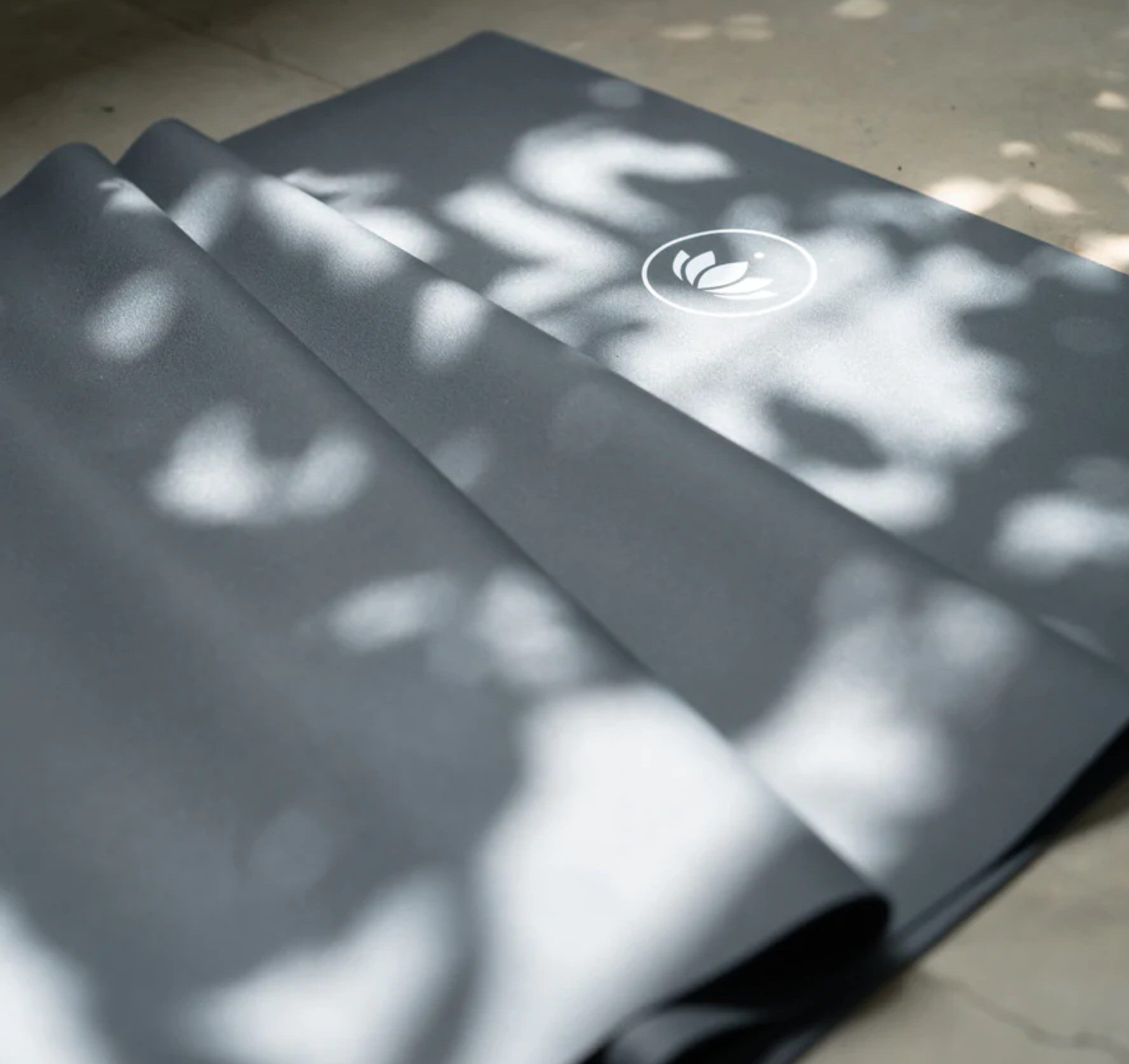
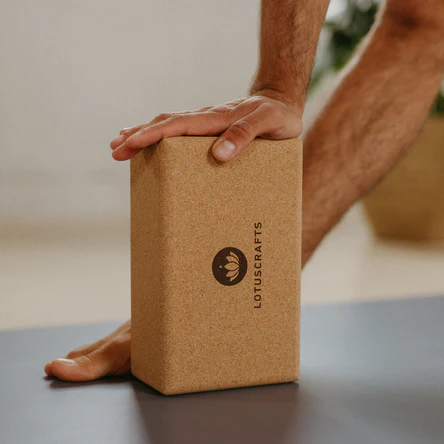
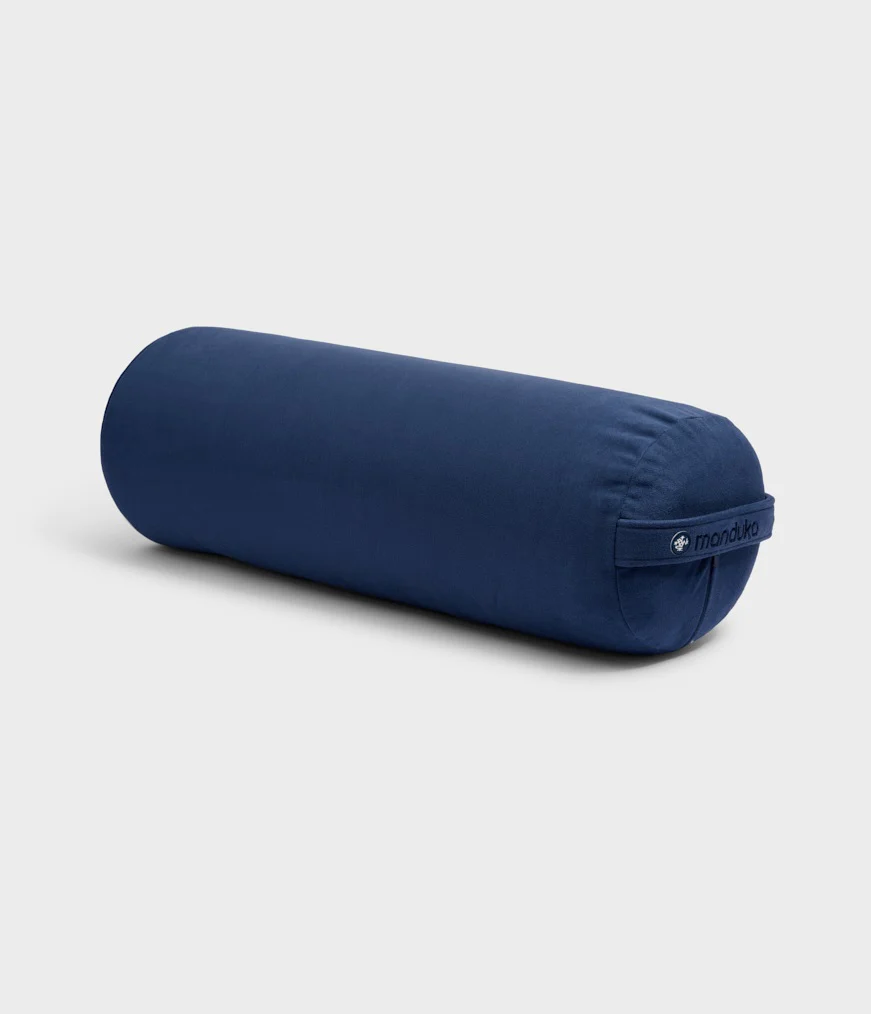
Props
Also interesting!
Author of this Asana
Manish Rana is a certified yoga teacher and founder of asanaverse.de. He writes about topics around yoga, ayurveda and meditation. Manish owes his deep connection to yoga to his Indian roots, through which he came into contact with this practice early on.
Learn more about our team here →DISCOVER MORE
More Twists
Get our free ebook with 108 asanas now!
With great care and passion, we have selected and described 108 of the most important asanas for you in detail!
Perfect for your practice and cues ;)
Thank you for being here!
Thank you for being here and being part of this ever-evolving platform! We strive to keep growing and improving.
Your feedback is invaluable. Namasté 🙏
Comments feature coming soon. 💬
Guide
Browse our guide now
Accessible Yoga Mobility: Chair Yoga and Inclusive Asanas for All Bodies
Ahimsa – Gewaltlosigkeit als Fundament des Yoga und Lebens
Yoga Sutras zusammengefasst – Kapitel 2 (Sadhana Pada): Pfad der Praxis
Meditation bei Überforderung und Angststörung: Achtsam bleiben in turbulenten Zeiten
12 Wege, das Sitzen in der Meditation zu erleichtern — Stabiler sitzen, tiefer meditieren
Brahmacharya: Quelle des Lebens für mehr Lebenskraft und Vitalität