Everyday Mobility as You Age
Yoga for the Movements That Have Become Work
You notice it in specific places. A low armchair takes a shove. Socks take a plan. The shoulder check when reversing turns into a whole body operation.
This guide is about five movements rather than about age: getting up, bending down, turning, reaching overhead and walking. What the research measures and what it refuses to support, why twice a week is the number that matters, and an eight week program with a test you run yourself.
Who this guide is for
Signs this guide was written for you
What causes Everyday Mobility as You Age
This research measures the same five things over and over, and none of them are how you feel.
Safety
When to practise and when to get it looked at
How to practise so it works
The asanas
The yoga poses that matter for Everyday Mobility as You Age
Getting up and walking
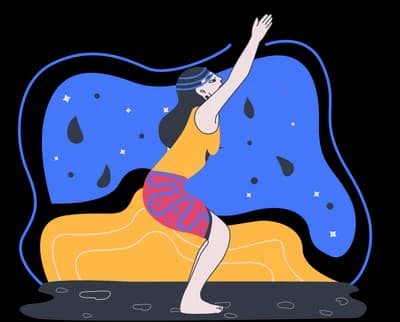
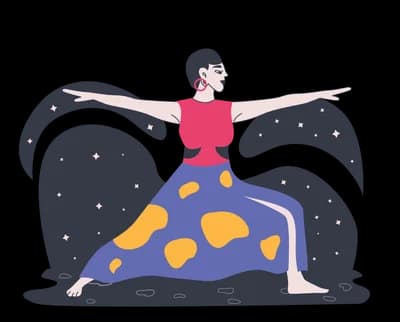
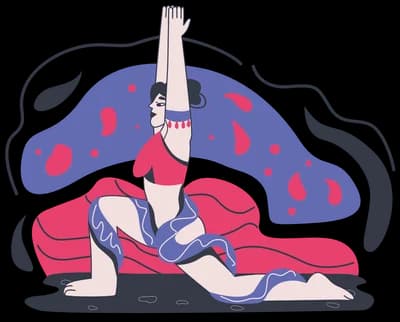
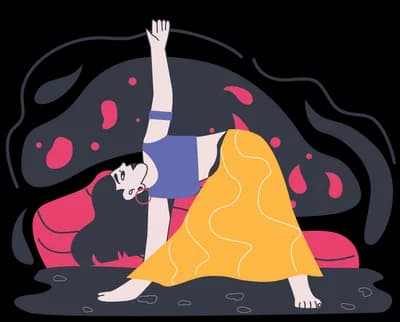
Bending, turning and reaching

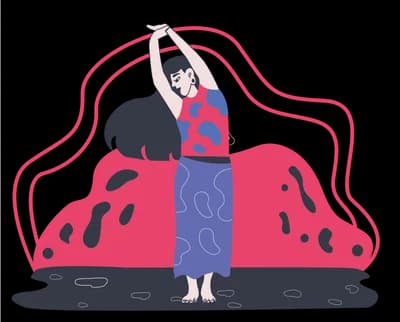


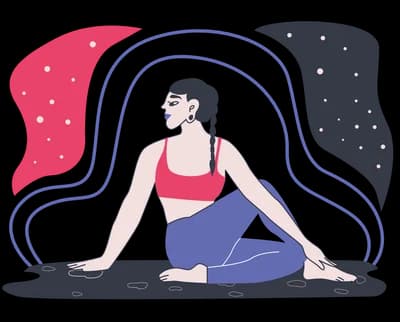
Balance, and the floor

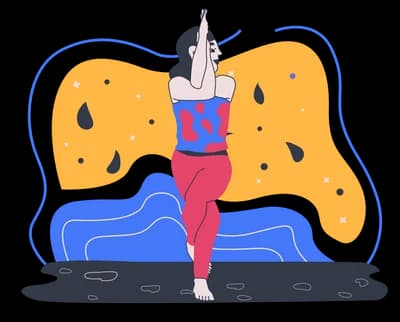
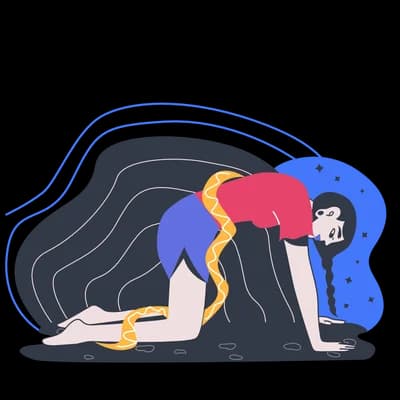
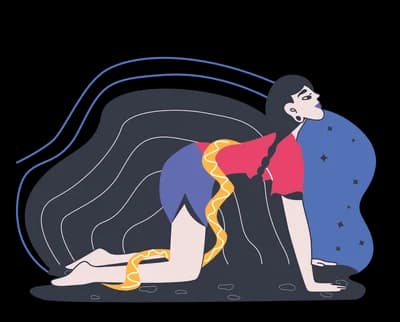

For yoga teachers
Teaching a class for Everyday Mobility as You Age
Hand made yoga sequences for Everyday Mobility as You Age
Full sequences you can teach or practise today


Build your own
Put together your own class for Everyday Mobility as You Age
The sequence builder gives you all 108 asanas and lets you arrange them yourself. While you build, it watches the shape of the class: whether the intensity rises and falls the way a practice should, whether every strong pose gets its counterpose, and whether the order makes anatomical sense.
Save what you build, come back to it, and teach it. It is the fastest way to turn what you just read into a class of your own.
The research
What the studies actually found
The picture here is good and specific rather than sweeping. Against doing nothing, yoga improves balance, lower body flexibility and lower limb strength in older adults. Against other structured exercise it holds its advantage on strength and flexibility and loses it on balance and walking speed. The dose matters more than the style: once a week in the largest trial produced nothing, twice a week in the trials with functional endpoints produced measurable gains. And on falls, the newest and largest trial found more of them in the yoga group, which is why this program is about everyday movement instead.
The effects of yoga compared to active and inactive controls on physical function and health related quality of life in older adults: systematic review and meta-analysis of randomised controlled trials
Read the source →The effect of an Iyengar yoga-based exercise programme versus a seated yoga relaxation programme on falls in people aged 60 years and older (SAGE): a pragmatic, two-arm, parallel randomised controlled trial
Read the source →A 12-week Iyengar yoga program improved balance and mobility in older community-dwelling people: a pilot randomized controlled trial
Read the source →Effectiveness and cost-effectiveness of offering a chair-based yoga programme in addition to usual care in older adults with multiple long-term conditions: the Gentle Years Yoga randomised controlled trial
Read the source →A Pilot Randomized Controlled Trial of the Effects of Chair Yoga on Pain and Physical Function Among Community-Dwelling Older Adults With Lower Extremity Osteoarthritis
Read the source →Effects of a Yoga Program Combined with a Mediterranean Diet on Nutritional Status and Functional Capacity in Community-Dwelling Older Adults
Read the source →Frequently Asked Questions
Does yoga improve mobility in older adults?
Against doing nothing, clearly: a meta-analysis of 22 trials found significant improvements in balance, lower body flexibility and lower limb strength. Against other structured exercise, only strength and flexibility remained ahead. The practical conclusion is that it works and is not magic.
Does yoga prevent falls?
No. In a trial of 700 adults over 60, twice weekly Iyengar yoga for a year produced more falls than the control programme, at 0.87 against 0.64 per person-year, and the authors recommend against it for fall prevention in that form. An earlier trial of 454 people found the same direction without reaching significance. Balance scores improving does not translate into fewer falls.
How often do I need to practise?
Twice a week. That is the frequency in every trial that produced measurable functional gains, and once a week is the frequency in the largest trial, which found nothing at its primary endpoint.
What will I actually notice?
Getting out of a chair, first and most reliably. In one trial the sit to stand test improved by three and a half seconds and a four metre walk by half a second over twelve weeks. Reaching overhead and bending usually follow. Walking speed is the least consistent of them across studies.
Is it safe with osteoporosis?
With two adjustments that this program applies throughout: fold from the hip crease with a long spine rather than rounding the back, and keep twists moderate. Deep spinal flexion and forced rotation are the movements associated with vertebral fracture risk when bone density is low.
Is eight weeks long enough?
It is long enough to change the sit to stand test, which is why the program measures it. It is at the short end of what has been studied: the trials with the clearest functional gains ran twelve weeks, and the most common length across the largest review is twenty-four.
Related Practices