Parsva Bakasana
Side Crow Pose
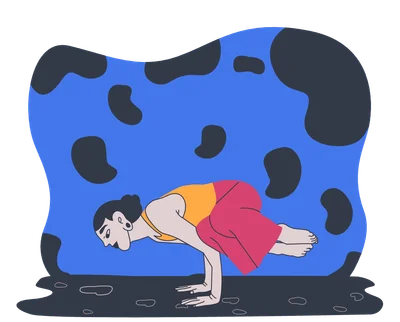
Turn with us in the Parsva Bakasana Uncovered. Like a skilled street artist using the architecture of the city for their performance, this side crow pose brings a mix of skill, strength and balance into your urban life. In this challenging arm-balance posture, in which you twist to the side and find the balance on the arms, discover the connection of focus and physical intelligence.
Category: Twists
Twists are asanas in which you gently stretch muscles and joints. They promote suppleness and mobility. Breathing in Twists has a relaxing effect: you supply your muscles with oxygen and release tension.
VAYUS
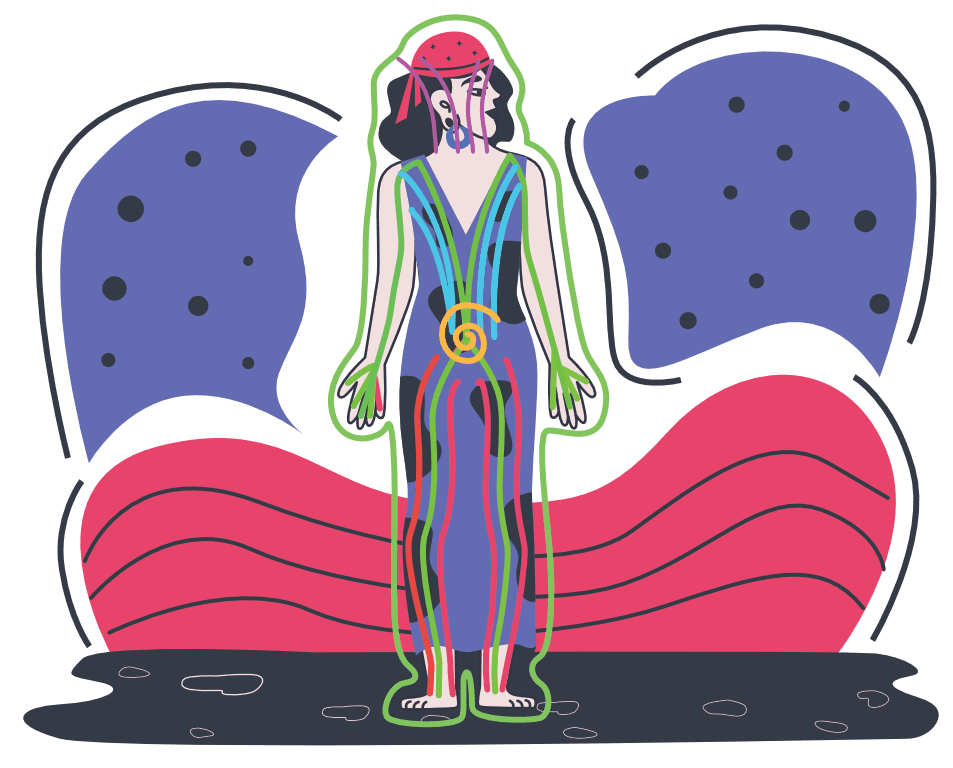
Each of the five Prana Vayus plays an essential role in our body and mind. They move and direct energy in specific directions, each with its own special area of influence and function. Side Crow Pose has its own unique effects on these vayus.
Apana Vayu – The Grounding Force
▼
This downward-flowing vayu finds its seat in the lower abdomen and the legs. Parsva Bakasana requires a strong foundation and an active engagement of this region to create stability. Physically, it supports the elimination processes, while mentally it fosters grounding and letting go. It is especially useful in times when we feel uprooted or indecisive.
Samana Vayu – The Balancing Force
▼
Located in the navel center, it is the vayu of balance and distribution. Through the twist of the torso in Parsva Bakasana, Samana Vayu is stimulated, which supports the digestion of food and experiences. It has a balancing effect on body and mind and is helpful when we feel overwhelmed or unbalanced.
Prana Vayu – Expansion of Consciousness
▼
This ascending vayu, located in the chest area, fosters the intake of life energy. Parsva Bakasana opens the ribcage, which leads to an improved breathing capacity and thus to an increased life force. On the mental level, it sharpens our receptivity and awareness. Ideal when we feel lethargic or uninspired.
CHAKRAS
Swadhisthana Chakra (Sacral Chakra)
▼
The Swadhisthana Chakra, located in the area of the lower abdomen and the hips, is the center for creativity, flow and emotional flexibility. In Parsva Bakasana, the sacral chakra is activated through the deep twist of the lower torso and the movement of the hips. This asana fosters flexibility, both physically and emotionally, and strengthens the ability to adapt to changes. As you take this posture, the Swadhisthana Chakra is stimulated, which can help you release emotional blockages and bring more lightness into your life.
Manipura Chakra (Solar Plexus Chakra)
▼
The Manipura Chakra, located in the navel area, is stimulated in Parsva Bakasana through the strong activation of the core. This asana requires immense willpower and balance, which strengthens self-confidence and personal power. When you stabilize yourself in this asana, the Manipura Chakra helps you develop inner strength and increase your determination. It helps to approach challenges with self-confidence and courage.
Ajna Chakra (Brow Chakra)
▼
Parsva Bakasana requires a high measure of concentration and balance, which strongly addresses the Ajna Chakra, the center for intuition and insight. This asana activates the third eye through the intense focusing and concentration needed to hold the balance. The practice of this pose can foster mental clarity and strengthen the trust in your inner wisdom, especially when it comes to making difficult decisions or solving complex problems.
KOSHAS
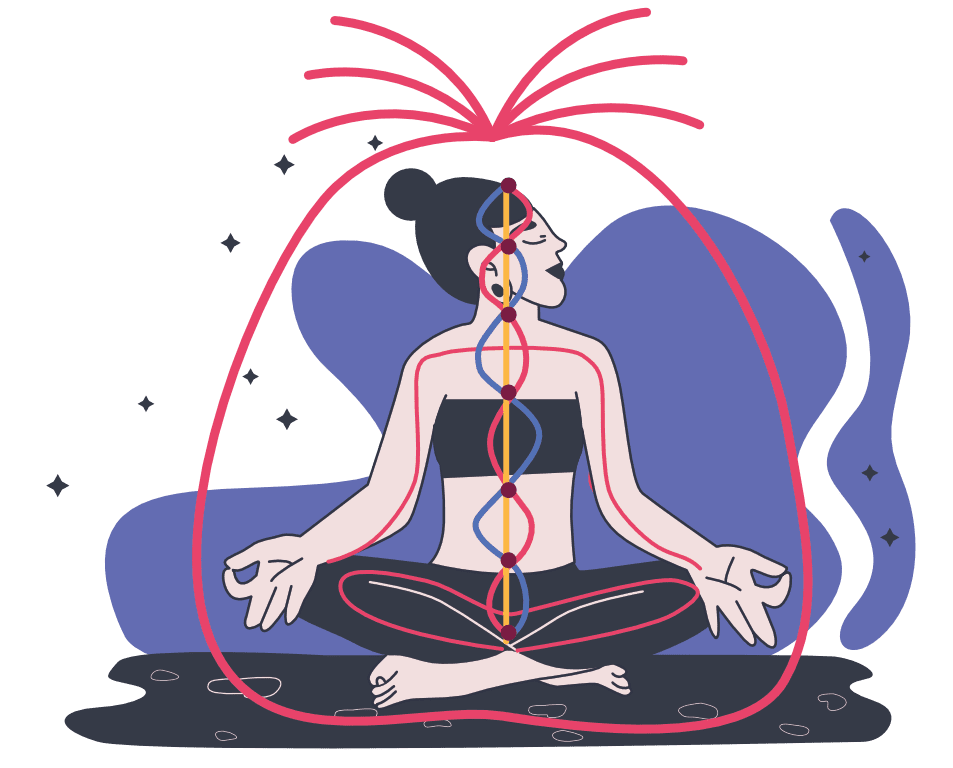
Annamaya Kosha (Physical Body)
▼
This layer refers to the physical body. Parsva Bakasana especially strengthens the arm musculature, the wrists and the abdominal muscles. The pose improves balance and body coordination. The twist of the torso fosters the flexibility of the spine and the digestive organs.
Pranamaya Kosha (Energy Body)
▼
This layer encompasses the life energy that circulates through breathing and energy channels. Parsva Bakasana fosters the flow of energy in the body, especially in the area of the solar plexus, and thus supports vitality and inner strength.
Manomaya Kosha (Mental Body)
▼
This layer contains the mind, emotions and thoughts. The concentration and mental strength that Parsva Bakasana requires help focus the mind and reduce stress. The pose fosters mental clarity and emotional balance.
Vijnanamaya Kosha (Intellectual Body)
▼
This body refers to intuition and higher consciousness. Parsva Bakasana challenges the practitioner to go beyond physical limits and thereby develop self-awareness and body awareness. The pose supports the development of intuition and inner wisdom.
Anandamaya Kosha (Spiritual Body)
▼
The most spiritual layer, connected with inner peace and happiness. Parsva Bakasana can foster a feeling of connectedness with the inner self and enable moments of stillness and inner peace.

DOSHAS
Vata
▼
This asana can both increase and calm Vata. On the one hand, Parsva Bakasana requires a calm concentration and precision that can calm Vata. On the other hand, the complexity of the pose and the necessity of balance can intensify Vata if it is not performed carefully.
Pitta
▼
Parsva Bakasana can increase the Pitta dosha, as it is an intense and challenging pose that requires a lot of discipline and willpower – qualities that are associated with Pitta. At the same time, the pose can help channel excess heat and aggression that can accumulate with Pitta.
Kapha
▼
Parsva Bakasana can reduce the Kapha dosha. The pose is energizing and warming, which balances the Kapha-typical heaviness and coldness. The demand on the core musculature and the arms fosters physical activity and can release stagnation in the body.

Key Information for Correct Execution
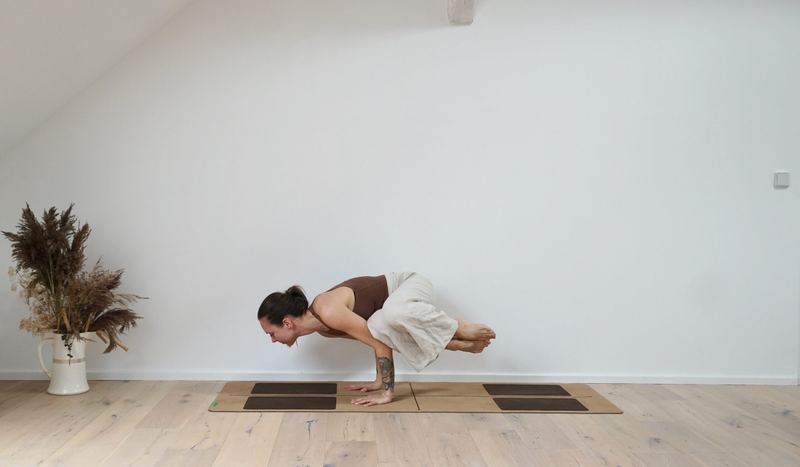
Meet Geraldine, a certified yoga teacher and psychology student who emphasizes mindfulness and alignment to inspire people toward a more peaceful life.
Common Mistakes
Common mistakes are that the gaze is not directed forward and the head drops.
Our Tip
A tip is, to relieve the hands, to come into the standing forward bend between the repetitions, where the palms are under the soles of the feet, to massage the hands.
Variations
It can be helpful to start the side crow from two blocks. If you are worried about falling on your head, it helps to place a blanket under the face as padding in arm balances.
Physical Effect
Strengthening the Center
Parsva Bakasana demands an intense activation of the core musculature, especially the transversus abdominis and the oblique abdominal muscles. This activation improves the stability and strength of the torso, which is essential for a good posture and spinal support. A strong core reduces the risk of back pain and supports the efficient performance of all physical activities.
Balance Masterpiece
The asana improves balance and body coordination, as it requires a precise alignment and an even distribution of weight. The pose trains the proprioceptive abilities – the awareness of the position of the body in space – and strengthens the small stabilizing muscles in arms, legs and torso that are essential for maintaining balance.
Arm and Shoulder Strength
Parsva Bakasana intensely engages the musculature of the arms and shoulders, especially the deltoid muscles, triceps and the muscles around the shoulder blades. This strengthening is important for the general upper-body strength and can improve posture. The pose also offers an opportunity to strengthen the wrists and improve their flexibility.
Effects on Psyche and Emotions
Trust & Courage
This challenging balancing posture requires and fosters a high measure of self-confidence and courage. Mastering Parsva Bakasana can strengthen self-confidence and increase the willingness to take on new challenges.
Stress Reduction & Focus
The concentration needed for Parsva Bakasana distracts the mind from everyday worries and acts as a natural stress reliever. This intense focusing can foster a meditative state in which worries and fears recede into the background.
Emotional Resilience
Holding a complex pose like Parsva Bakasana can help develop emotional resilience. The pose teaches to maintain calm in difficult positions and to keep going even with setbacks.
Props
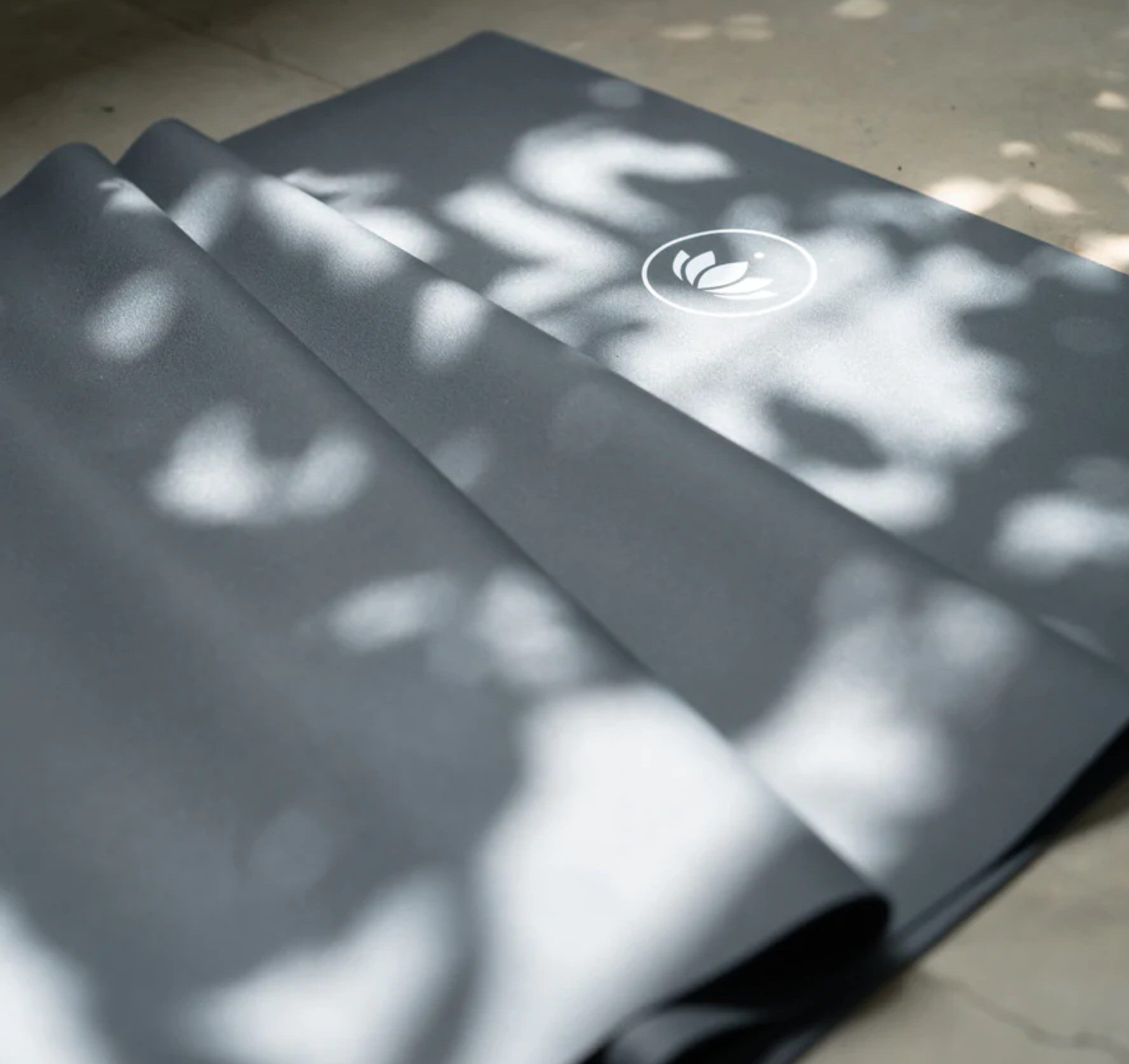
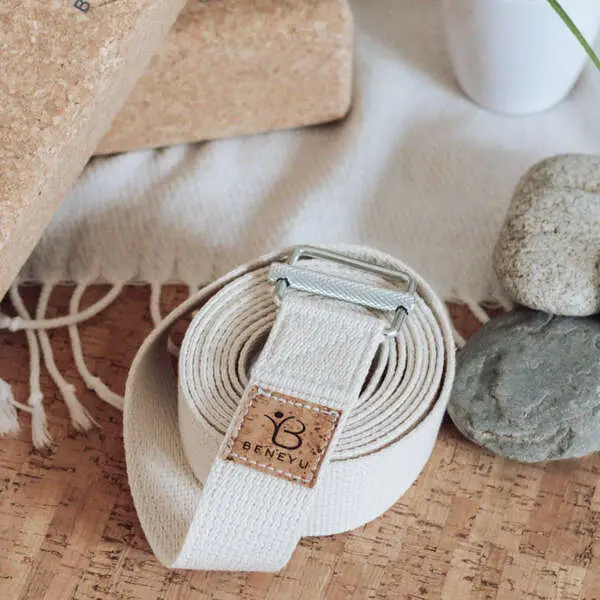
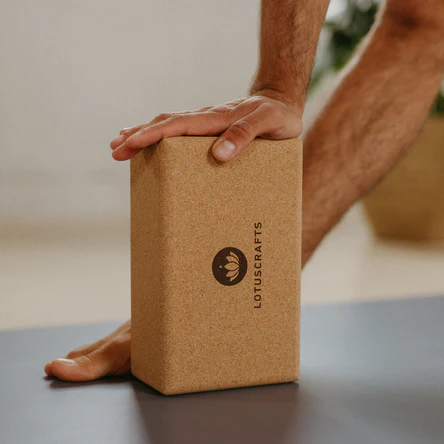
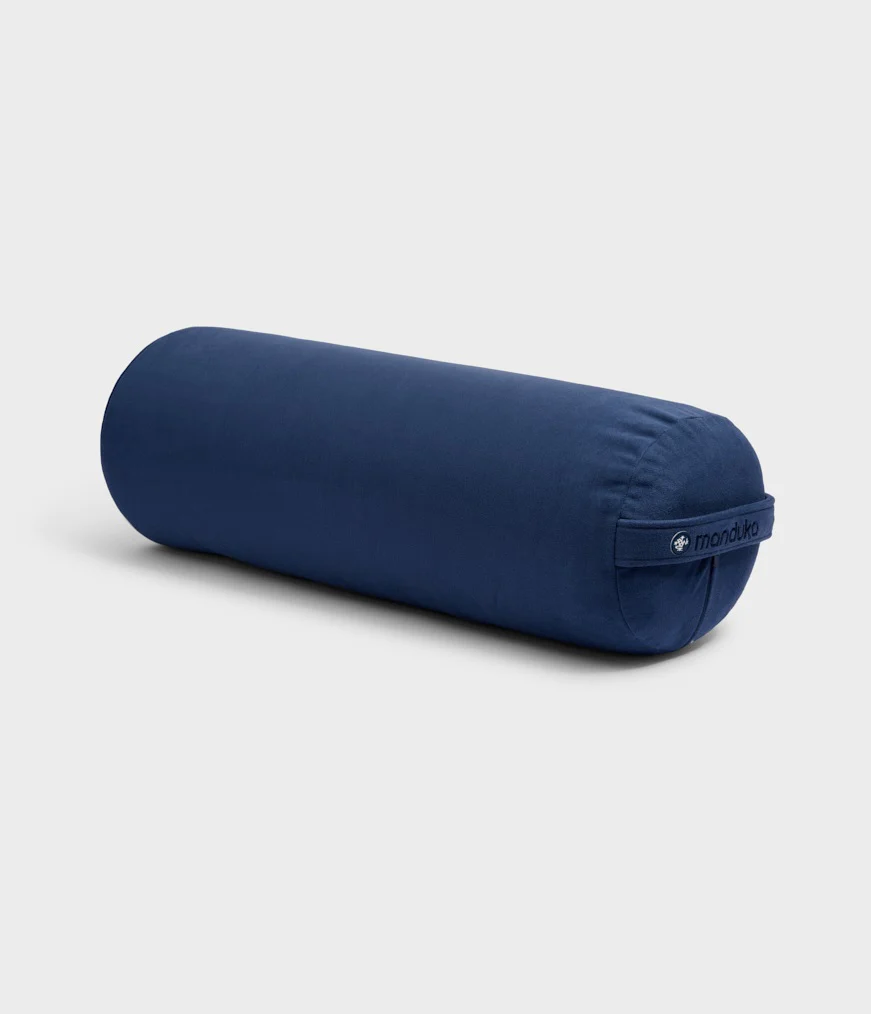
Also interesting!
Author of this Asana
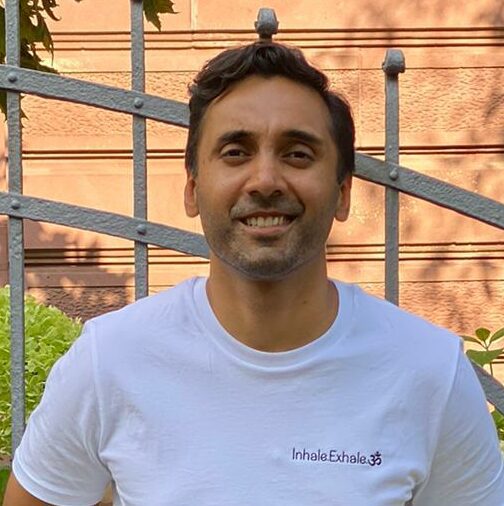
Manish Rana is a certified yoga teacher and founder of asanaverse.de. He writes about topics around yoga, ayurveda and meditation. Manish owes his deep connection to yoga to his Indian roots, through which he came into contact with this practice early on.
Learn more about our team here →DISCOVER MORE
More Twists
Get our free ebook with 108 asanas now!
With great care and passion, we have selected and described 108 of the most important asanas for you in detail!
Perfect for your practice and cues ;)
Thank you for being here!
Thank you for being here and being part of this ever-evolving platform! We strive to keep growing and improving.
Your feedback is invaluable. Namasté 🙏
Comments feature coming soon. 💬
Guide
Browse our guide now
Accessible Yoga Mobility: Chair Yoga and Inclusive Asanas for All Bodies
Ahimsa – Gewaltlosigkeit als Fundament des Yoga und Lebens
Yoga Sutras zusammengefasst – Kapitel 2 (Sadhana Pada): Pfad der Praxis
Meditation bei Überforderung und Angststörung: Achtsam bleiben in turbulenten Zeiten
12 Wege, das Sitzen in der Meditation zu erleichtern — Stabiler sitzen, tiefer meditieren
Brahmacharya: Quelle des Lebens für mehr Lebenskraft und Vitalität