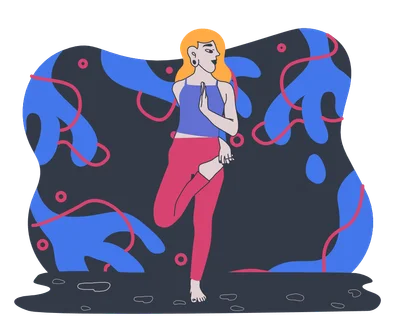
Vrkasana B
Tree Pose B
Rise with us into the graceful variation of Vrksasana B Uncovered. Like an elegant tree dancing in the wind, supplely adapting to the contours of the urban landscape, Tree Pose B brings a playful balance and harmony into your urban life.
Category: Extensions
Extensions are asanas in which you gently stretch muscles and joints. They promote suppleness and mobility. Breathing in Extensions has a relaxing effect: you supply your muscles with oxygen and release tension.
VAYUS
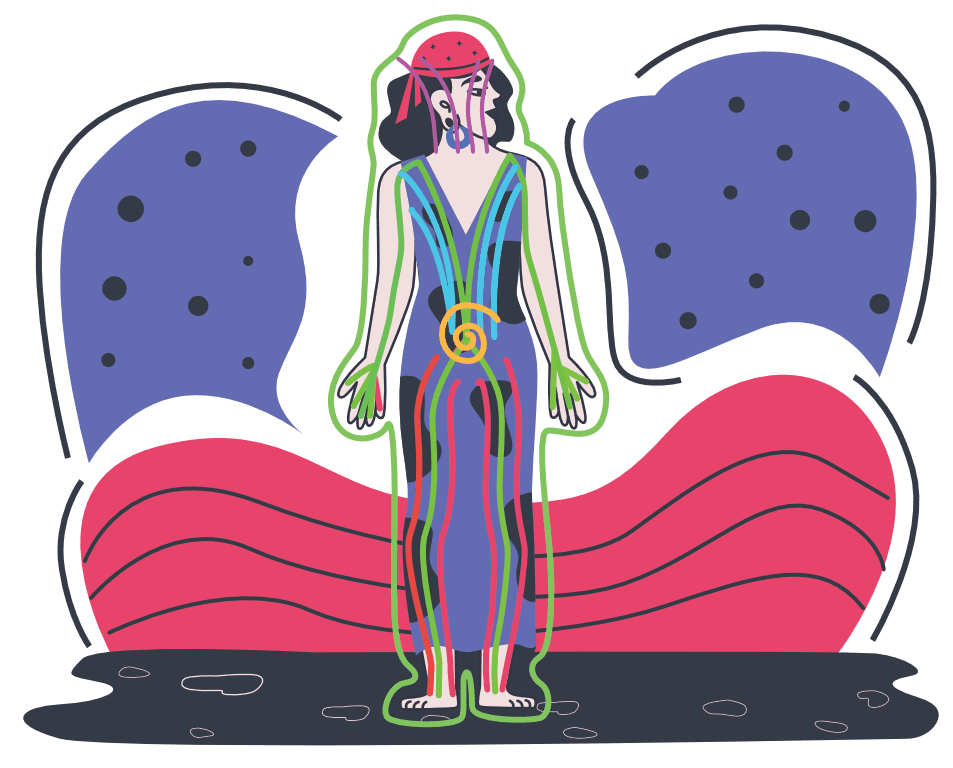
Each of the five Prana Vayus plays an essential role in our body and mind. They move and direct energy in specific directions, each with its own special area of influence and function. Tree Pose B has its own unique effects on these vayus.
Udana Vayu – Ascending Energy
▼
Vrksasana B, with the added challenge of the leg on the inner thigh or knee, strengthens Udana Vayu through the upright posture and the intense balance. The energy rises up through the spine and supports mental clarity and concentration. In this variation the ascending energy is especially palpable, as the entire body works actively against gravity and strives upward.
Vyana Vayu – Expansion and Connection
▼
The opened position of the pelvis and the spreading of the arms foster Vyana Vayu, which extends across the entire body. In Vrksasana B, the additional leg position strengthens the flow of energy between the upper and lower body areas, contributing to a feeling of wholeness and stability. Balancing on one leg additionally demands the harmonious distribution of energy in the body.
Prana Vayu – Vitality and Life Force
▼
The deep, conscious breathing in Vrksasana B activates Prana Vayu, the energy concentrated in the chest area. Through the upright and open posture, the life energy is integrated into the pose, supporting presence and vitality. The additional challenge of this variation in particular intensifies the focus and fosters inner stability.
CHAKRAS
Muladhara Chakra (Root Chakra)
▼
Vrksasana B strengthens the Muladhara Chakra through the conscious connection of the standing foot with the floor. The grounding that is crucial for holding the balance activates this energy center and fosters a feeling of stability, safety and rootedness. The pose helps strengthen trust in your own base and develop inner strength.
Swadhisthana Chakra (Sacral Chakra)
▼
The gentle hip opening and the conscious alignment of the body in Vrksasana B work on the Swadhisthana Chakra. It stimulates the flow of energy in the pelvic region and fosters creativity as well as emotional flexibility. The balance between firmness and mobility in this pose supports the ability to meet life's challenges with adaptability.
Ajna Chakra (Brow Chakra)
▼
The focus and concentration needed to hold the balance in Vrksasana B activate the Ajna Chakra. This chakra, which stands for intuition and mental clarity, is stimulated by centering the mind on a steady point (drishti). It helps create a deeper connection between body, mind and inner perception, turning the pose into a meditation in motion.
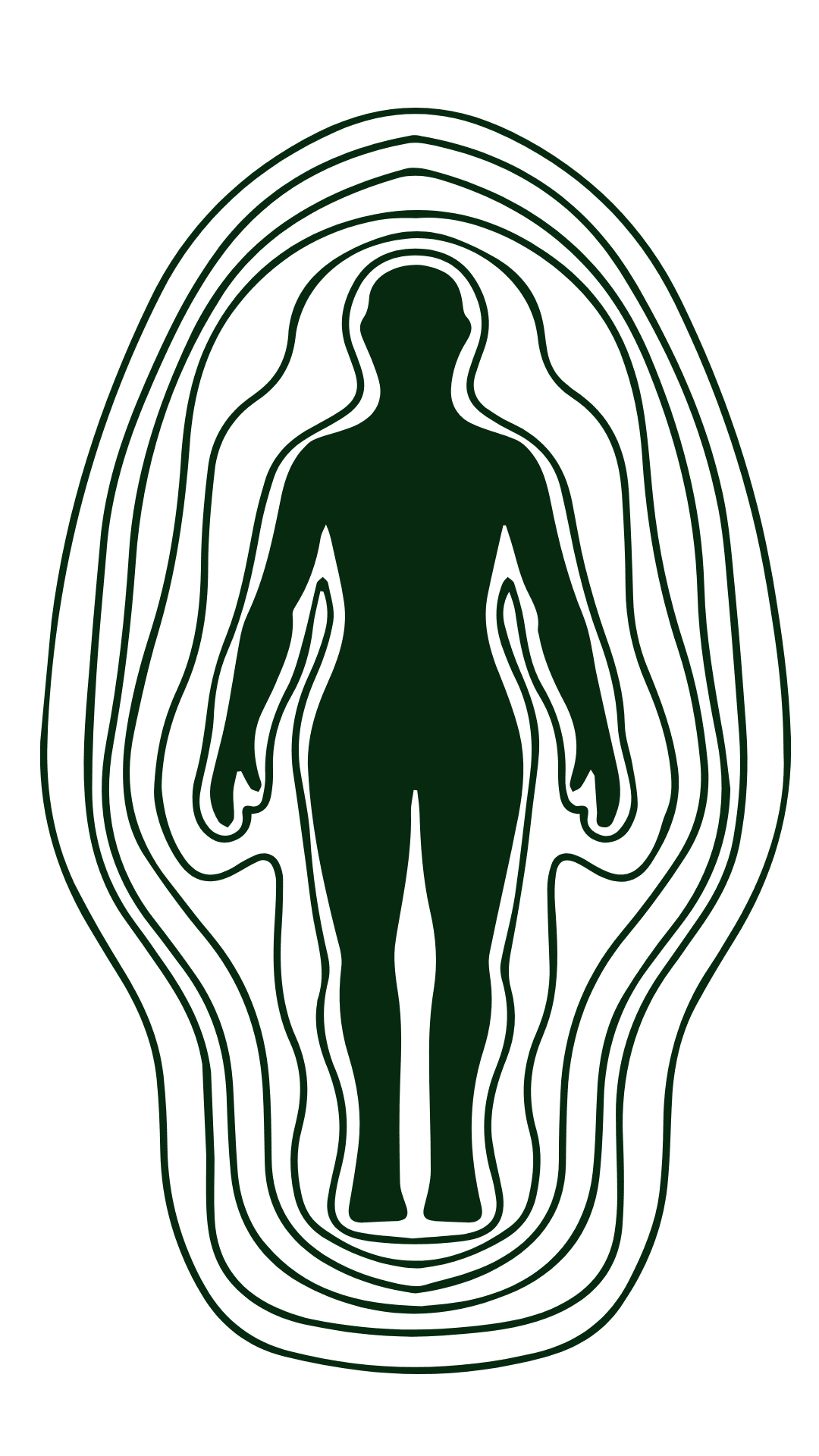
KOSHAS
Annamaya Kosha (Physical Body)
▼
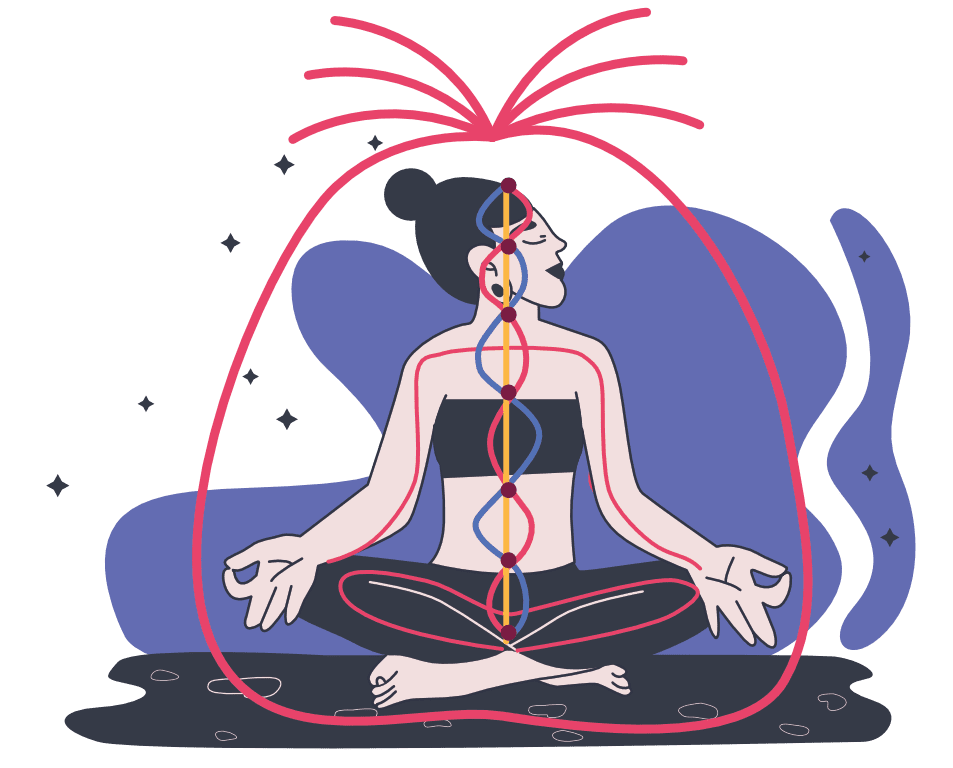
This is the material layer connected with the physical body. Vrksasana B strengthens and stabilizes the leg muscles, improves balance and fosters body awareness. Balancing on one leg promotes the structural integrity of the body, which is reflected in improved posture and physical presence in everyday life.
Pranamaya Kosha (Energy Body)
▼
This layer refers to the life energy that flows through breath and energy channels. Vrksasana B promotes circulation and regulates the energy flows in the body. The pose helps balance the nervous system and can lead to a feeling of vitality and energy.
Manomaya Kosha (Mental Body)
▼
This layer includes the mind, emotions and thoughts. Vrksasana B requires concentration and mental presence, which helps calm the mind and foster mental clarity. This asana can help reduce stress and anxiety and create a sense of inner peace.
Vijnanamaya Kosha (Intellectual Body)
▼
This layer refers to intuition, insight and higher levels of consciousness. Vrksasana B fosters inner balance and self-reflection, which can lead to a deeper understanding of your own thoughts and actions. The pose supports the development of intuition and wisdom.
Anandamaya Kosha (Spiritual Body)
▼
This is the spiritual layer connected with joy and deep peace. Vrksasana B can generate a feeling of connectedness with the self and the environment, which can lead to moments of bliss and spiritual insight. This asana can foster a deep sense of contentment and unity.
DOSHAS
Vata
▼
The precise and focused nature of the pose has a neutralizing effect on Vata. The balance and the conscious connection to the earth through the standing foot help stabilize the volatile energy of Vata. At the same time, the need for movement is met in a structured way, which calms Vata without overstimulating it.
Pitta
▼
Pitta also remains balanced, as the pose fosters neither inner heat nor ambition excessively. The posture makes it possible to stay focused and sharpen awareness without falling into overexertion or competitive thinking. Pitta types can develop more serenity and stability in thought and action through Vrksasana B.
Kapha
▼
This variation of the tree demands a stronger flow of energy through the increased balancing ability and the activity of the entire body, reducing Kapha dominance. The standing posture and the attention to stability counteract the Kapha-typical sluggishness and foster lightness and alertness. During the practice, Kapha types can experience a feeling of clarity and energetic alignment.

Key Information for Correct Execution
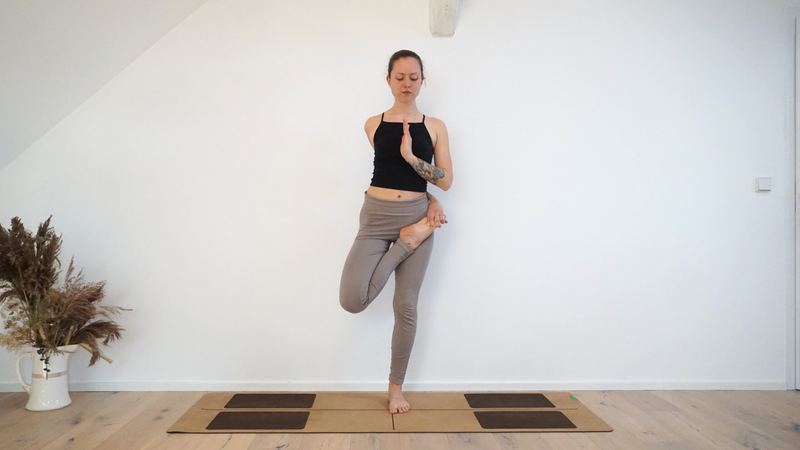
Meet Geraldine, a certified yoga teacher and psychology student who emphasizes mindfulness and alignment to inspire people toward a more peaceful life.
Common Mistakes
A common mistake is that the knee is not warmed up and you force yourself into the pose.
Our Tip
Keep your gaze fixed on a steady point (drishti) to hold your balance. Root the foot of your standing leg especially through the big toe and draw yourself energetically upward through the crown of the head toward the sky.
Variations
The normal Tree Pose
Physical Effect
Steadiness
This pose demands and fosters balance as well as stability. Balancing on one leg strengthens the muscles of the standing leg, especially the quadriceps, the calves and the foot muscles. This muscle activity is essential for strengthening the joints, especially the ankles, and can help reduce the risk of falls and injuries.
Proprioception Training
Vrksasana B improves the proprioceptive ability, that is, body awareness in space. This pose requires a high degree of concentration and body awareness to maintain balance, which fosters the neural connection between brain and muscles. This improved body awareness can be useful in all areas of life to make movements more efficient and safer.
Central Strength
Although the focus is on balance, Vrksasana B also requires a subtle but effective activation of the core muscles. Stabilizing the torso during the balance fosters the strength of the lower back and the abdominal muscles. This core strengthening is essential for good posture and can help avoid back pain.
Effects on Psyche and Emotions
Focus & Clarity
Yoga asanas require a high degree of concentration and presence, which causes the mind to detach from distractions and experience greater clarity. This focused practice can break through the mental fog that often arises from overstimulation and constant multitasking.
Emotional Equilibrium
Regularly practicing asanas can help strengthen emotional resilience. By learning to stay calm and composed even in challenging postures, this ability can be carried over into everyday life. This can lead to greater emotional stability, especially in stressful or unexpected situations. Example in practice: After a consistent yoga routine, some practitioners notice that they react less impulsively in conflict situations or to bad news and instead respond with deliberation and calm.
Self-Awareness & Acceptance
Yoga asanas offer a platform for self-observation and self-acceptance. Through regular practice you develop a deeper understanding of your own limits and strengths, which can lead to a healthier self-perception and increased self-worth. Example in practice: This can show up in personal life through setting and respecting your own boundaries or through the ability to accept yourself and your emotions without judgment, which is especially helpful with emotional blockages such as shame or low self-worth.
Props

Also interesting!
Author of this Asana
Manish Rana is a certified yoga teacher and founder of asanaverse.de. He writes about topics around yoga, ayurveda and meditation. Manish owes his deep connection to yoga to his Indian roots, through which he came into contact with this practice early on.
Learn more about our team here →DISCOVER MORE
More Extensions
Get our free ebook with 108 asanas now!
With great care and passion, we have selected and described 108 of the most important asanas for you in detail!
Perfect for your practice and cues ;)
Thank you for being here!
Thank you for being here and being part of this ever-evolving platform! We strive to keep growing and improving.
Your feedback is invaluable. Namasté 🙏
Comments feature coming soon. 💬
Guide
Browse our guide now
Accessible Yoga Mobility: Chair Yoga and Inclusive Asanas for All Bodies
Ahimsa – Gewaltlosigkeit als Fundament des Yoga und Lebens
Yoga Sutras zusammengefasst – Kapitel 2 (Sadhana Pada): Pfad der Praxis
Meditation bei Überforderung und Angststörung: Achtsam bleiben in turbulenten Zeiten
12 Wege, das Sitzen in der Meditation zu erleichtern — Stabiler sitzen, tiefer meditieren
Brahmacharya: Quelle des Lebens für mehr Lebenskraft und Vitalität