Urdhva Prasarita Padasana
Upward Extended Feet Pose
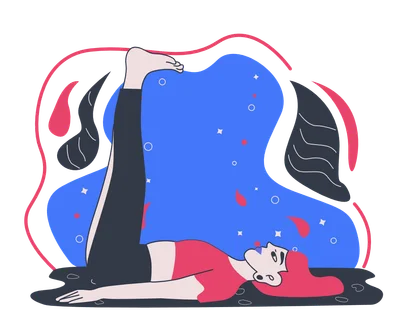
Extend your feet with us into the expanses of the Urdhva Prasarita Padasana Uncovered. Like stars twinkling in the nighttime city sky, this upward extended feet pose brings your mind to rest and enlivens the body.
Category: Extensions
Extensions are asanas in which you gently stretch muscles and joints. They promote suppleness and mobility. Breathing in Extensions has a relaxing effect: you supply your muscles with oxygen and release tension.
VAYUS
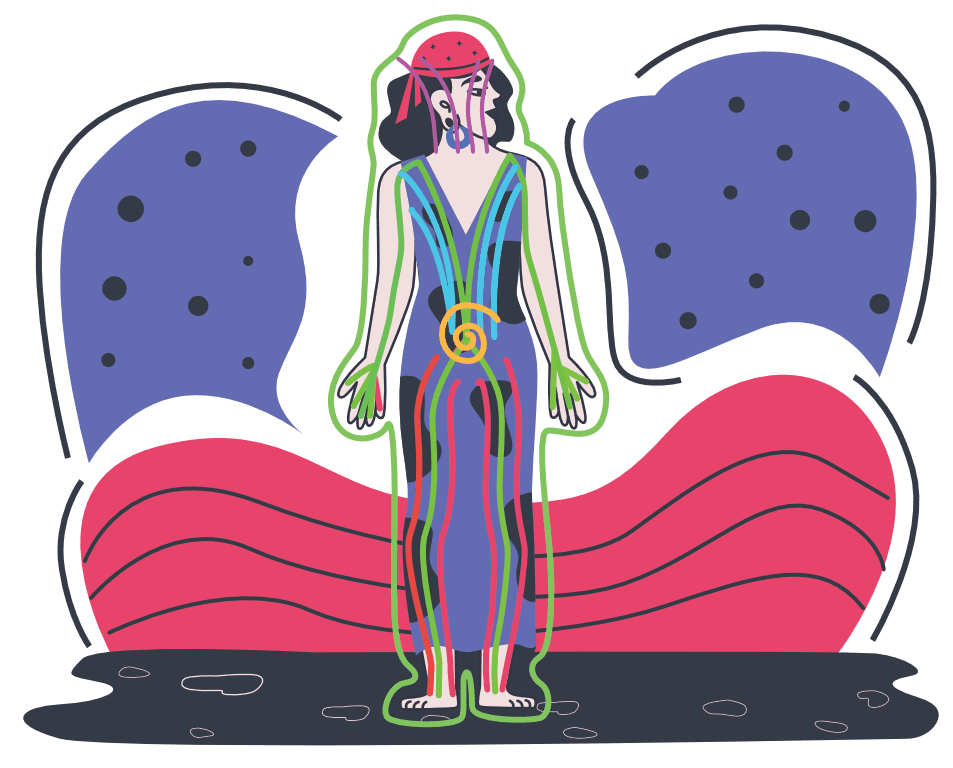
Each of the five Prana Vayus plays an essential role in our body and mind. They move and direct energy in specific directions, each with its own special area of influence and function. Upward Extended Feet Pose has its own unique effects on these vayus.
Udana Vayu – The Ascending Energy
▼
In Urdhva Prasarita Padasana, the legs are extended upward, which activates the Udana Vayu—the ascending energy that works in the throat and head area. This pose fosters the movement of energy from the lower body upward and strengthens functions of the throat, sensory organs and brain. Through the upward direction of the legs and the lengthening of the spine, Udana Vayu can be harmonized, which leads to increased clarity, expressiveness and mental alertness. If you are seeking more inspiration or a clear mind, this asana can help support the ascending energy and improve your concentration.
Prana Vayu – Expansion of Consciousness
▼
The deep breathing in Urdhva Prasarita Padasana activates the Prana Vayu, which is seated in the chest area and responsible for the intake of life energy. Through the opening of the ribcage and the conscious guidance of the breath, vitality is increased and the cardiopulmonary system is strengthened. This pose fosters the circulation of fresh prana in the body and can help release energy blockages.
Vyana Vayu – Expansion and Opening
▼
With extended legs and a stable core, Urdhva Prasarita Padasana fosters the Vyana Vayu, which is responsible for the distribution of energy throughout the whole body. The pose supports the free flow of prana to the extremities, improves circulation and creates a feeling of expansion and integration. If you feel separated or isolated, this asana can help strengthen the feeling of wholeness and connectedness by distributing the energy evenly in the body and fostering a harmonious energetic balance.
CHAKRAS
Manipura Chakra (Solar Plexus Chakra)
▼
Urdhva Prasarita Padasana intensely stimulates the Manipura Chakra, located in the area of the solar plexus. This chakra is the center for personal power, self-confidence and willpower. Through the lifting of the legs and the activation of the core, Manipura is strengthened, which fosters inner strength and self-confidence. The position helps embrace challenges and develop self-discipline, whereby transformation and personal growth are supported.
Anahata Chakra (Heart Chakra)
▼
In this posture, the Anahata Chakra in the chest area is also addressed, as the heart is opened through the upright posture. This activation of the heart chakra fosters love, compassion and emotional openness. As the chest stays directed upward, the energy of the heart is unfolded, which supports emotional healing and harmony. It fosters a feeling of balance between giving and receiving.
Vishuddha Chakra (Throat Chakra)
▼
Urdhva Prasarita Padasana also influences the Vishuddha Chakra, located in the throat area and connected with expression and communication. The upright posture and the lengthening of the spine support the flow of energy through the throat, whereby clarity and purity in expression are fostered. This pose can help strengthen the voice, recognize the inner truth and express it courageously and clearly.
KOSHAS
Annamaya Kosha (Physical Body)
▼
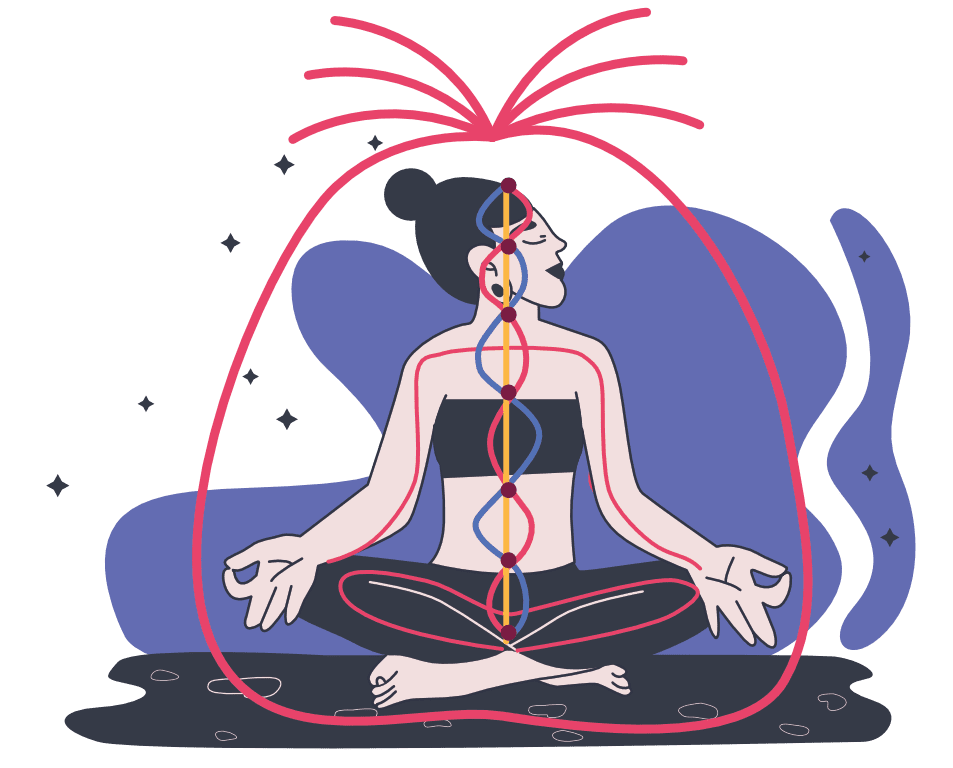
Annamaya Kosha is the physical dimension of our being. Urdhva Prasarita Padasana (extended legs upward) strengthens the abdominal muscles, improves the flexibility of the hip flexors and stabilizes the spine.
Pranamaya Kosha (Energy Body)
▼
Pranamaya Kosha is connected with our life energy. Urdhva Prasarita Padasana fosters the flow of energy in the area of the solar plexus and supports the balance in the energy body.
Manomaya Kosha (Mental Body)
▼
Manomaya Kosha refers to thoughts and emotions. The concentration needed in Urdhva Prasarita Padasana can contribute to the calming of the mind and foster emotional balance.
Vijnanamaya Kosha (Intellectual Body)
▼
Vijnanamaya Kosha encompasses our intuition and wisdom. Through the focus that Urdhva Prasarita Padasana requires, this layer can be sharpened, which supports the development of self-awareness and intuition.
Anandamaya Kosha (Spiritual Body)
▼
Anandamaya Kosha is the level of happiness and spiritual connection. Urdhva Prasarita Padasana can increase the feeling of joy and lightness, especially when one reaches a deep relaxation in the pose.

DOSHAS
Vata
▼
This asana has a neutral effect on the Vata dosha. Although the lifting of the legs could address the lightness of Vata, the simultaneous activation of the core and the conscious breathing provide balance and stability. The posture fosters neither restlessness nor increases the mobility of Vata, but supports a balanced energy.
Pitta
▼
Urdhva Prasarita Padasana has a neutral effect on the Pitta dosha. The pose requires concentration and control without intensifying the inner heat of Pitta. Through the focus on an even breathing and mindful movement, the Pitta dosha stays in balance without causing overexertion or overheating.
Kapha
▼
Urdhva Prasarita Padasana reduces the Kapha dosha by mobilizing the stagnant energy and stimulating the metabolism. The lifting of the legs activates the abdominal musculature and fosters circulation, which helps overcome the typical Kapha qualities of heaviness and sluggishness. This asana enlivens the body and supports detoxification, whereby a feeling of lightness arises.

Key Information for Correct Execution
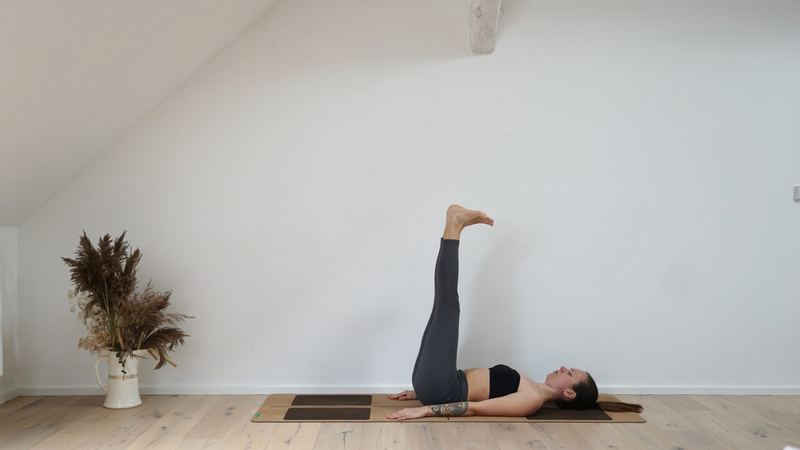
Meet Geraldine, a certified yoga teacher and psychology student who emphasizes mindfulness and alignment to inspire people toward a more peaceful life.
Common Mistakes
Common mistakes are an overextended neck or a chin held too far up, legs that are not at a 90-degree angle, and buckling into a hollow back.
Our Tip
Close the eyes and stay a little longer in this posture to feel the energetic and centering effect. Urdhva Prasarita Padasana has a calming effect on body and mind.
Variations
If you tend toward a hollow back or cannot fully extend your legs, place a folded blanket under your buttocks and still keep the feet at a 90-degree angle over the hips. This pose can have a calming effect when performed alternately with the knees-to-chest posture.
Physical Effect
Core Strengthening
Urdhva Prasarita Padasana requires an active engagement of the core musculature, especially the rectus abdominis and the oblique abdominal muscles. The contraction and holding of these muscles during the pose foster the strengthening of the core area. A strong core supports the spine, can prevent back pain and improve posture, especially in people who sit for long periods.
Venous Return
Lifting the legs against gravity can improve the venous return to the heart. This is therapeutically valuable, especially for people who suffer from swollen legs, varicose veins or poor blood circulation. The position can help reduce congestion in the lower extremities and ease the feeling of heavy legs.
Relief of the Spine
By elevating the legs and having the floor carry the weight of the lower torso, a gentle traction along the lumbar spine can be generated. This can ease tension and compression in the lower back area. People who suffer from disc problems or general back pain can benefit from this gentle relief of the spine and experience a feeling of space and relief in this area.
Effects on Psyche and Emotions
Clarity & Focus
Urdhva Prasarita Padasana requires a high measure of concentration and mental presence. Through the lifting and holding of the legs in an elevated position, the mind is forced to concentrate on the present moment and eliminate distractions.
Trust & Resilience
This asana demands physical endurance and mental strength. Holding the legs in the air, often against gravity, teaches us to stay steadfast despite difficulties. This translates into an increased self-confidence and an increased resilience in daily life.
Emotional Liberation
The vertical alignment of this pose fosters the flow of prana, especially in the area of the solar plexus, the center of our emotional power. This can help release emotional blockages and foster a feeling of freedom and lightness.
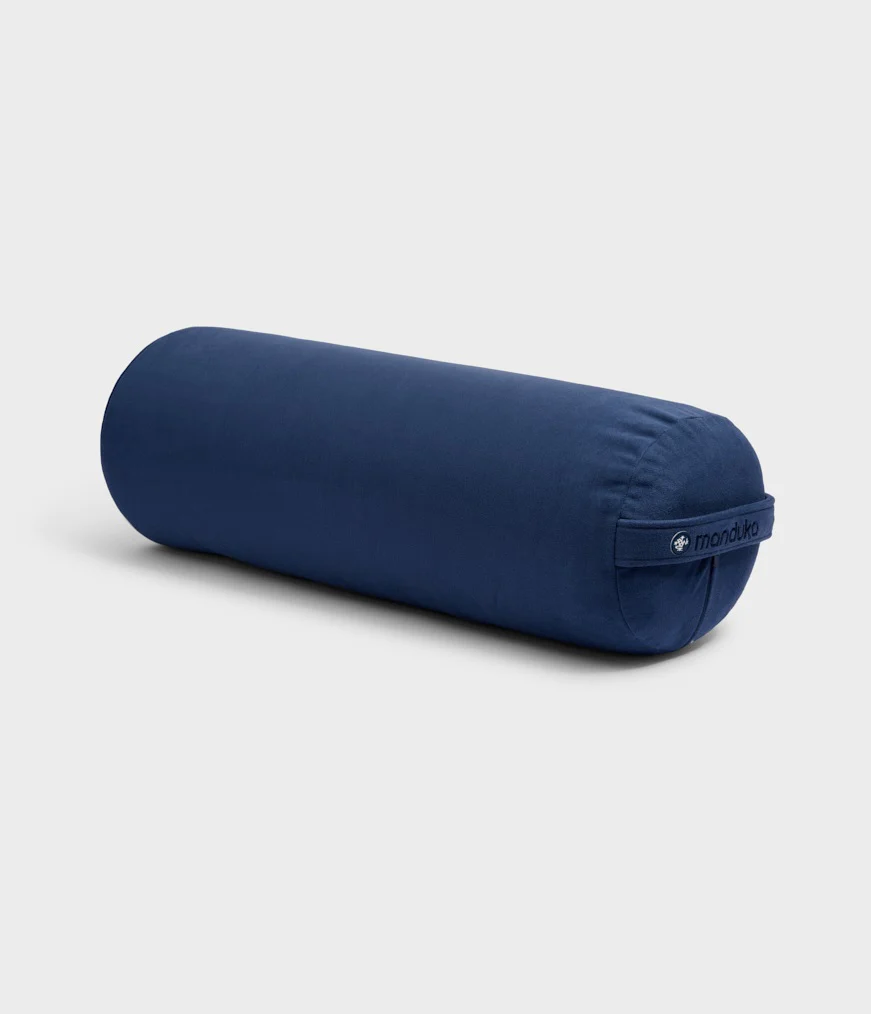
Props
Also interesting!
Author of this Asana
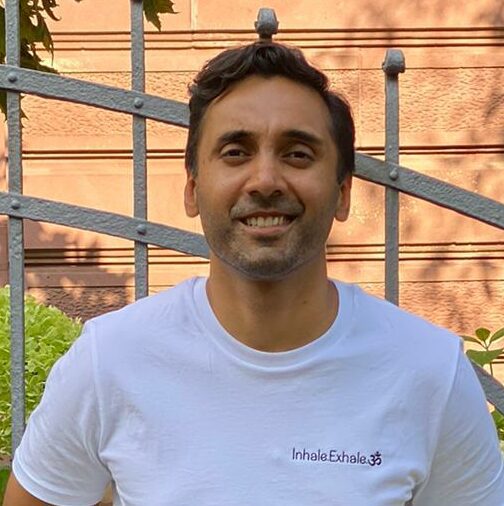
Manish Rana is a certified yoga teacher and founder of asanaverse.de. He writes about topics around yoga, ayurveda and meditation. Manish owes his deep connection to yoga to his Indian roots, through which he came into contact with this practice early on.
Learn more about our team here →DISCOVER MORE
More Extensions
Get our free ebook with 108 asanas now!
With great care and passion, we have selected and described 108 of the most important asanas for you in detail!
Perfect for your practice and cues ;)
Thank you for being here!
Thank you for being here and being part of this ever-evolving platform! We strive to keep growing and improving.
Your feedback is invaluable. Namasté 🙏
Comments feature coming soon. 💬
Guide
Browse our guide now
Accessible Yoga Mobility: Chair Yoga and Inclusive Asanas for All Bodies
Ahimsa – Gewaltlosigkeit als Fundament des Yoga und Lebens
Yoga Sutras zusammengefasst – Kapitel 2 (Sadhana Pada): Pfad der Praxis
Meditation bei Überforderung und Angststörung: Achtsam bleiben in turbulenten Zeiten
12 Wege, das Sitzen in der Meditation zu erleichtern — Stabiler sitzen, tiefer meditieren
Brahmacharya: Quelle des Lebens für mehr Lebenskraft und Vitalität