
Visvamitrasana
Visvamitra's Pose
Step onto the battlefield of our Visvamitrasana Uncovered with us. Like the legendary sage Visvamitra who breaks through the urban obstacles, this pose of Visvamitra brings strength and determination into your urban life.
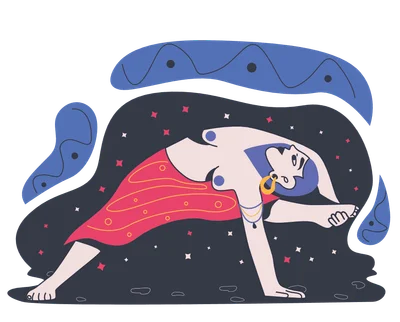
Category: Side Bends
Side Bends are asanas in which you gently stretch muscles and joints. They promote suppleness and mobility. Breathing in Side Bends has a relaxing effect: you supply your muscles with oxygen and release tension.
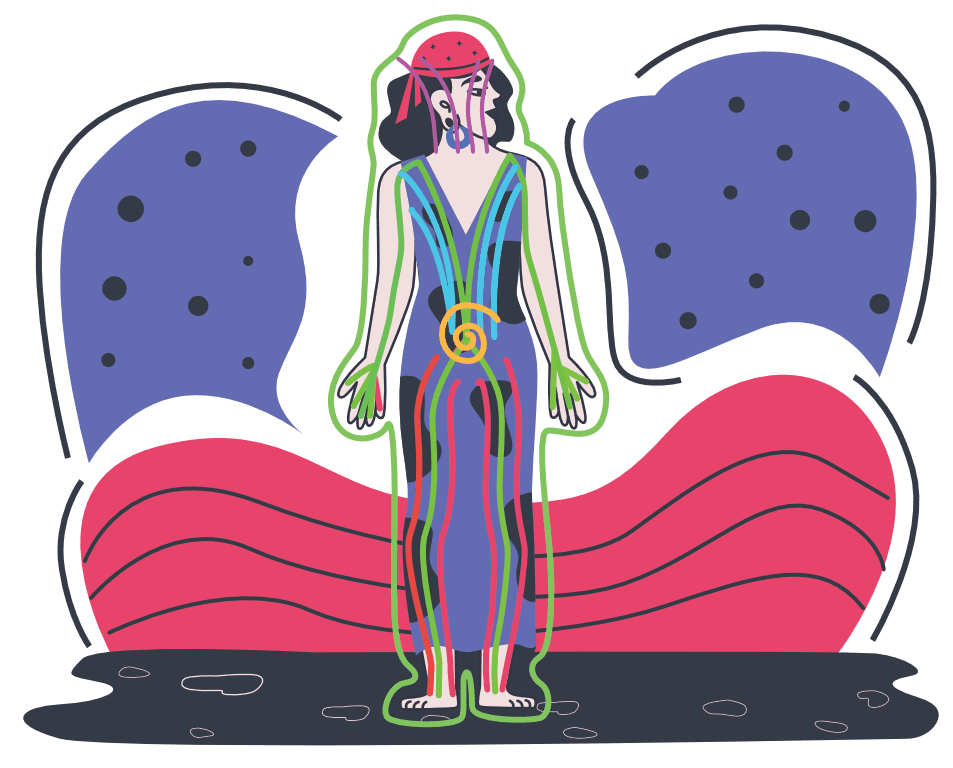
VAYUS
Each of the five Prana Vayus plays an essential role in our body and mind. They move and direct energy in specific directions, each with its own special area of influence and function. Visvamitra's Pose has its own unique effects on these vayus.
Vyana Vayu – Expansion and Opening
▼
In Visvamitrasana, Vyana Vayu is strongly activated through the full-body stretch and tension. This pose fosters the expansion and distribution of energy throughout the entire body, especially through the arms, legs and torso. Vyana Vayu helps synchronize the movements and create a feeling of wholeness and coherence in the body.
Prana Vayu – Expansion of Consciousness
▼
Prana Vayu, the ascending and incoming life energy, is activated in Visvamitrasana through the opening of the chest and deep breathing. The pose fosters the intake of prana through the lungs and strengthens the flow of energy in the chest area, which enlivens the energy system and increases vitality.
Udana Vayu – The Ascending Energy
▼
Udana Vayu, the ascending energy that works in the throat and head region, is stimulated in Visvamitrasana through the upright posture and the intense stretch of the body. This pose supports the upward flow of energy, fosters mental clarity and strengthens self-expression. Visvamitrasana helps direct the energy upward and expand awareness as well as expressive power.
CHAKRAS
Manipura Chakra (Solar Plexus Chakra)
▼
The core strength and determination required in Visvamitrasana stimulate the Manipura Chakra in the solar plexus. This chakra is the center of willpower, self-confidence and inner fire, which the pose ignites through effort and focus.
Anahata Chakra (Heart Chakra)
▼
The opening of the chest and the upward twist in Visvamitrasana address the Anahata Chakra, the heart chakra. This fosters a feeling of openness, courage and emotional expansion as the heart space widens.
Swadhisthana Chakra (Sacral Chakra)
▼
The deep hip opening and the lateral stretch in Visvamitrasana stimulate the Swadhisthana Chakra in the pelvic area. This chakra stands for creativity, flexibility and emotional flow, which are fostered by the mobility of this pose.
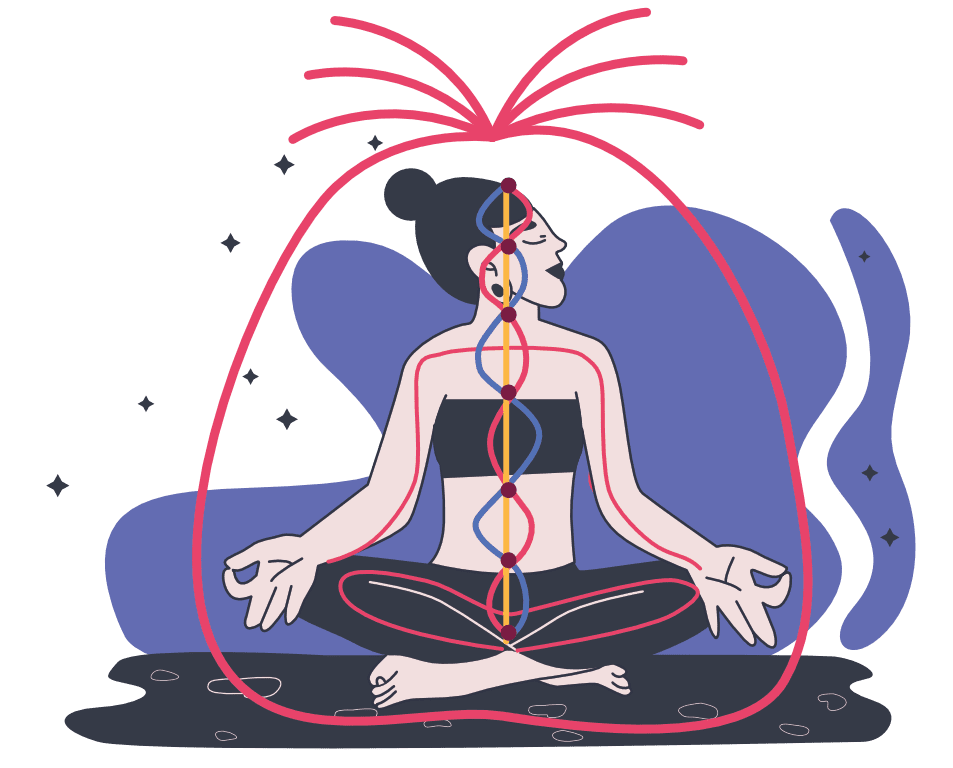
KOSHAS
Annamaya Kosha (Physical Body)
▼
Annamaya Kosha refers to our physical body. Visvamitrasana, through its physical intensity and complexity, directly addresses this aspect.
Pranamaya Kosha (Energy Body)
▼
Pranamaya Kosha refers to our energetic body, which is animated by prana or life energy. In Visvamitrasana, prana flows powerfully through the body, enlivening and refreshing the practitioner.
Manomaya Kosha (Mental Body)
▼
Manomaya Kosha concerns our thoughts and emotions. Visvamitrasana requires focus and mental strength, which influences this aspect.
Vijnanamaya Kosha (Intellectual Body)
▼
Vijnanamaya Kosha represents our intuitive self or higher consciousness. Visvamitrasana, with its demand for balance and harmony, can help foster this awareness.
Anandamaya Kosha (Spiritual Body)
▼
Anandamaya Kosha is the deepest layer, the level of pure bliss. Despite its physical demands, mastering Visvamitrasana can evoke a feeling of triumph and bliss.

DOSHAS
Vata
▼
Visvamitrasana can increase the Vata dosha, as the pose requires complex movements, flexibility and balance. The dynamic nature of this asana stimulates mental alertness and fosters mobility, which can strengthen the Vata energy. For people with a high Vata dosha, this pose should be practiced with caution and stability to avoid overstimulation.
Pitta
▼
Visvamitrasana can increase the Pitta dosha, as the pose requires discipline, endurance and physical effort. The intense nature of the asana fosters inner heat and focus, which can stimulate the Pitta fire. It is important to practice this pose mindfully to avoid overheating and keep the Pitta dosha in balance, especially for people who already have a high Pitta level.
Kapha
▼
Visvamitrasana is a dynamic and demanding asana that reduces the Kapha dosha. Through the intense stretch and the physical strength required, the pose activates the entire body, fosters circulation and dissolves stagnation. This asana helps overcome the feeling of sluggishness and heaviness often associated with Kapha and brings more energy and lightness into the body.

Key Information for Correct Execution
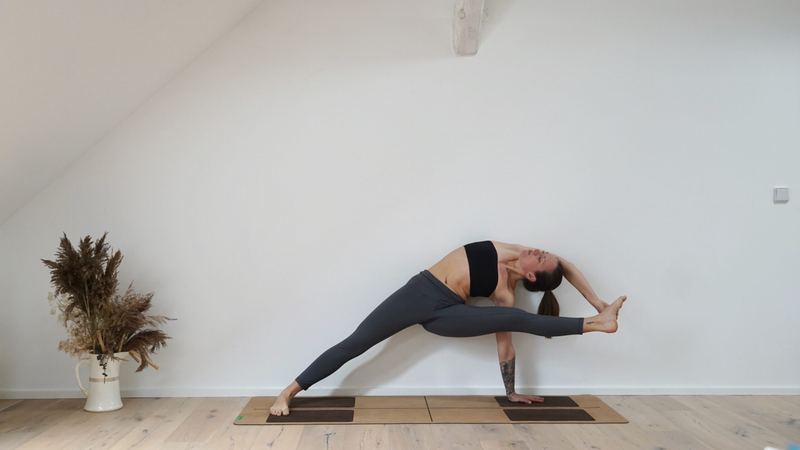
Meet Geraldine, a certified yoga teacher and psychology student who emphasizes mindfulness and alignment to inspire people toward a more peaceful life.
Common Mistakes
A common mistake in this pose is not being sufficiently warmed up. It is important to prepare your body beforehand, especially the shoulders, hips and inner thighs, to improve mobility and avoid injuries.
Our Tip
My tip for Visvamitrasana is to be patient with yourself and your body. This asana requires both mobility and arm strength. The path to the full expression of this pose can be a journey in which you improve step by step. Enjoy the process and be mindful with your body to avoid injuries.
Variations
One variation is the half Visvamitrasana pose (Ardha Visvamitrasana), which allows you to approach the demanding pose and build arm strength as well as flexibility. Here the knees are placed under the hips and the focus is on lifting the upper foot. Support with a strap is also possible.
Physical Effect
Balanced Posture
Visvamitrasana can also help improve posture. It helps correct muscular imbalances that can lead to poor posture. In particular, it can help ease the effects of a forward-leaning posture by strengthening and stretching the muscles of the upper back and neck (trapezius and rhomboids), which are often shortened and weakened by prolonged sitting and standing.
Flexibility Booster
Besides fostering strength, Visvamitrasana also improves flexibility. It stretches the muscles of the legs, hips and sides of the torso (iliopsoas, adductors and the lateral abdominal muscles). It also fosters the flexibility of the muscles around the shoulders and in the lower back area, which is especially beneficial for those who have a sedentary job and suffer from tension.
Strength Forge
Visvamitrasana is a true strength forge for the whole body. The asana strengthens the upper body and the torso in particular, including the arms, shoulders and abdominal muscles (rectus abdominis, obliquus externus and internus abdominis). When performed correctly, it also strengthens the lower extremities, especially the muscles of the thigh and hips (quadriceps, gluteus maximus and medius).
Effects on Psyche and Emotions
Self-Awareness
The asana can also improve self-awareness. Since it requires a high degree of body awareness, practicing Visvamitrasana can strengthen the connection between body and mind.
Emotional Stability
The complexity of this posture requires full mental concentration and emotional stability. Practicing Visvamitrasana can help reduce negative emotional states such as stress and anxiety.
Building Courage
Visvamitrasana is an advanced asana that builds courage and self-confidence. It can help overcome fears, especially the fear of the unknown or of failure. This can help in areas of life where you hesitate to take risks or accept challenges. This asana can foster a courageous attitude that encourages you to act outside your comfort zone.
Props

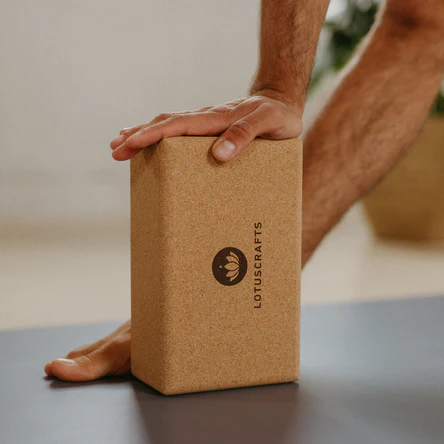
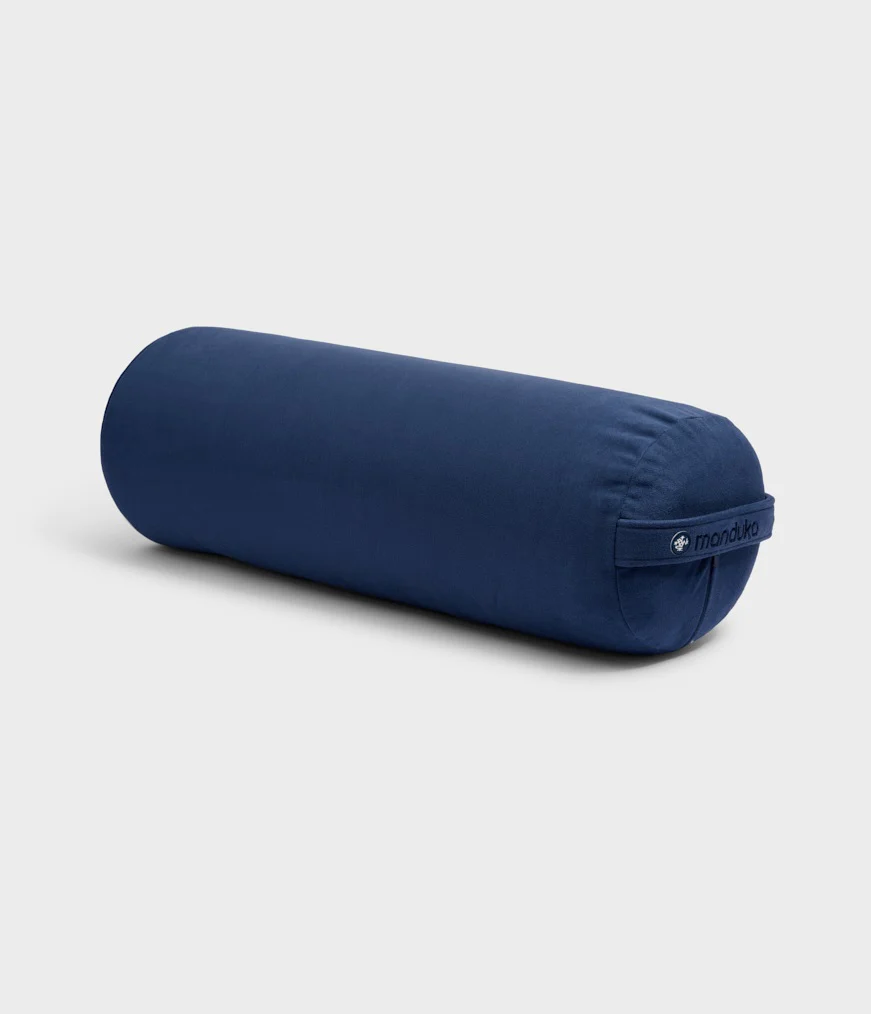
Also interesting!
Author of this Asana
Manish Rana is a certified yoga teacher and founder of asanaverse.de. He writes about topics around yoga, ayurveda and meditation. Manish owes his deep connection to yoga to his Indian roots, through which he came into contact with this practice early on.
Learn more about our team here →DISCOVER MORE
More Side Bends

Get our free ebook with 108 asanas now!
With great care and passion, we have selected and described 108 of the most important asanas for you in detail!
Perfect for your practice and cues ;)
Thank you for being here!
Thank you for being here and being part of this ever-evolving platform! We strive to keep growing and improving.
Your feedback is invaluable. Namasté 🙏
Comments feature coming soon. 💬
Guide
Browse our guide now
Accessible Yoga Mobility: Chair Yoga and Inclusive Asanas for All Bodies
Ahimsa – Gewaltlosigkeit als Fundament des Yoga und Lebens
Yoga Sutras zusammengefasst – Kapitel 2 (Sadhana Pada): Pfad der Praxis
Meditation bei Überforderung und Angststörung: Achtsam bleiben in turbulenten Zeiten
12 Wege, das Sitzen in der Meditation zu erleichtern — Stabiler sitzen, tiefer meditieren
Brahmacharya: Quelle des Lebens für mehr Lebenskraft und Vitalität