Utthan Pristhasana
Lizard Pose
Step with us into the deep discovery of Utthan Pristhasana Uncovered. Like a powerful lion stretching in the shadows of the big city, the lizard pose brings an intense opening and strengthening into your urban life.
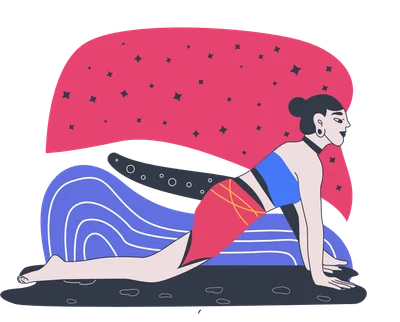
Category: Extensions
Extensions are asanas in which you gently stretch muscles and joints. They promote suppleness and mobility. Breathing in Extensions has a relaxing effect: you supply your muscles with oxygen and release tension.
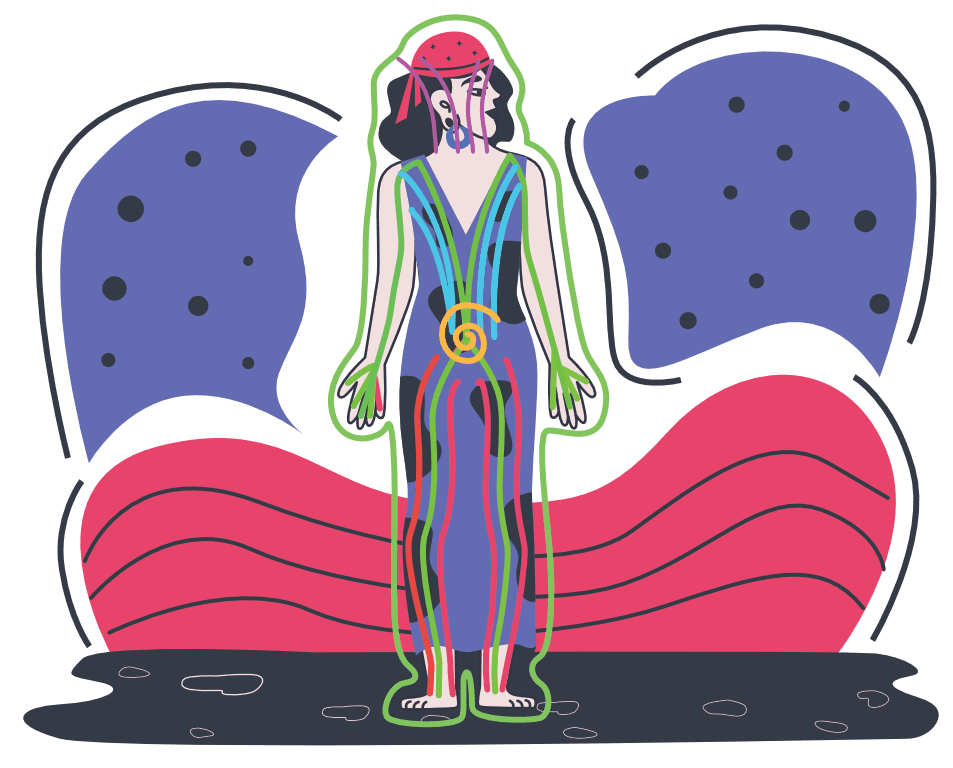
VAYUS
Each of the five Prana Vayus plays an essential role in our body and mind. They move and direct energy in specific directions, each with its own special area of influence and function. Lizard Pose has its own unique effects on these vayus.
Apana Vayu – The Grounding Force
▼
This downward-flowing energy finds a profound connection to the earth through Utthan Pristhasana. By bending and stretching deeply in this pose, we foster elimination and detoxification, which strengthens Apana Vayu. Physically it supports the digestion and reproductive organs, while mentally it provides grounding and stability. Ideal for moments when you want to feel grounded and centered.
Samana Vayu – The Balancing Force
▼
Utthan Pristhasana balances Samana Vayu, the energy that works in the center of the body and is responsible for the assimilation and distribution of nutrients. This pose fosters the harmonization of our inner center, supports digestion and strengthens the feeling of inner balance. Physically and mentally balancing, this asana is a blessing for all who strive for equilibrium and inner calm.
Prana Vayu – Expansion of Consciousness
▼
Activated in the heart region, Prana Vayu fosters the inflow of life energy through Utthan Pristhasana. This pose opens the chest area, improves breathing and fosters a deeper intake of oxygen. It enlivens the mind and fosters a feeling of lightness and openness. Recommended when you want to awaken your spirits and feel energized.
CHAKRAS
Swadhisthana Chakra (Sacral Chakra)
▼
This chakra is located in the pelvic area and stands for creativity, sexuality and emotional balance. Utthan Pristhasana works directly on this center, opening the hips and thereby fostering the fluidity of Svadhisthana.
Manipura Chakra (Solar Plexus Chakra)
▼
Located in the area of the solar plexus, this chakra is the energy center of our personal power and self-determination. Utthan Pristhasana challenges our core strength, which activates the energy of Manipura.
Anahata Chakra (Heart Chakra)
▼
Anahata lies in the center of the chest and represents love, compassion and acceptance. Through the expansion of the ribcage in Utthan Pristhasana, this chakra is strengthened and opened, which can lead to an increased ability to give and receive love.
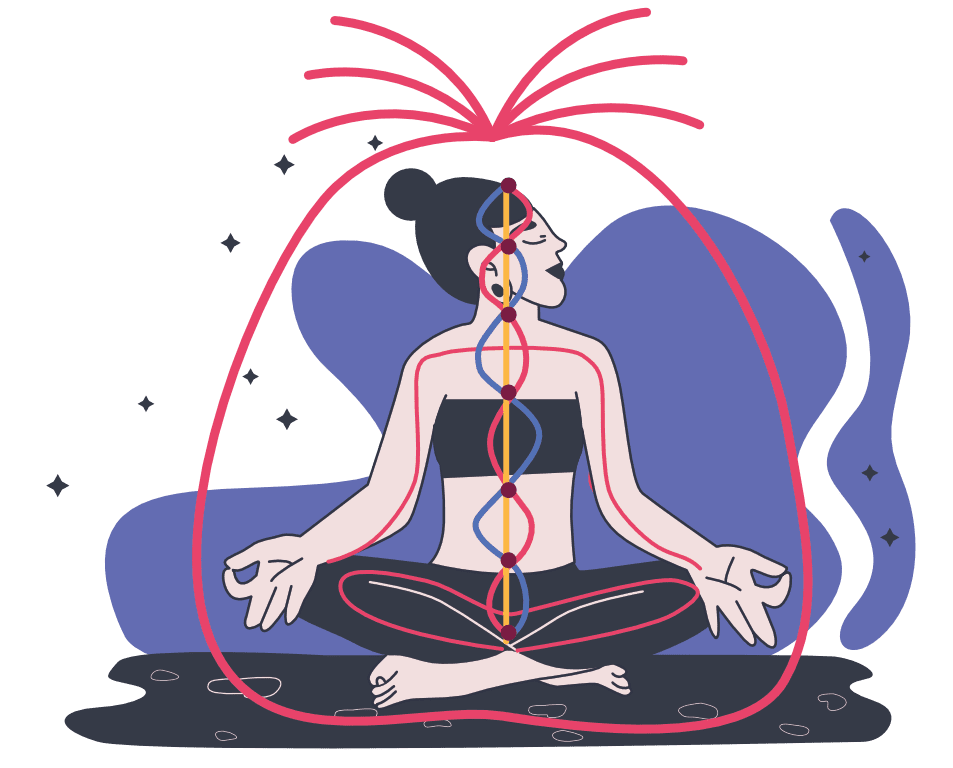
KOSHAS
Annamaya Kosha (Physical Body)
▼
This is the outer layer connected with the physical body and food. Utthan Pristhasana works intensively on Annamaya Kosha by stretching the muscles, fostering flexibility and improving physical strength. This asana affects the hip flexors, the psoas muscle and the leg musculature, leading to a stronger and more stable body feeling. In practice this can mean that a runner uses Utthan Pristhasana to stretch and relax the muscles after a long run.
Pranamaya Kosha (Energy Body)
▼
Pranamaya Kosha is connected with our life force, our breath and our energetic processes. Utthan Pristhasana stimulates the flow of prana in the body through the deep breathing and the opening of the hip area. This fosters improved energy circulation and vitality. In daily life this can mean that a person experiences an increased energy level and improved mood after practicing this asana.
Manomaya Kosha (Mental Body)
▼
Manomaya Kosha refers to our mind, emotions and thoughts. Utthan Pristhasana requires concentration and presence, which helps calm the mind and foster emotional stability. The pose can help break down stress and foster a calmer mental state. In life this can help a student relax after studying and gain mental clarity.
Vijnanamaya Kosha (Intellectual Body)
▼
Vijnanamaya Kosha is connected with intuition, insight and our inner knowledge. Utthan Pristhasana encourages inner reflection and self-awareness, which supports the development of Vijnanamaya Kosha. This practice can help make decisions with greater wisdom and connection to our true self. In everyday life this can mean that someone develops the ability to make more intuitive decisions through regular practice.
Anandamaya Kosha (Spiritual Body)
▼
Anandamaya Kosha is the innermost layer, connected with our true self and the state of bliss. Utthan Pristhasana, when practiced with awareness and devotion, can lead to a state of bliss and peace that goes beyond the physical experience.
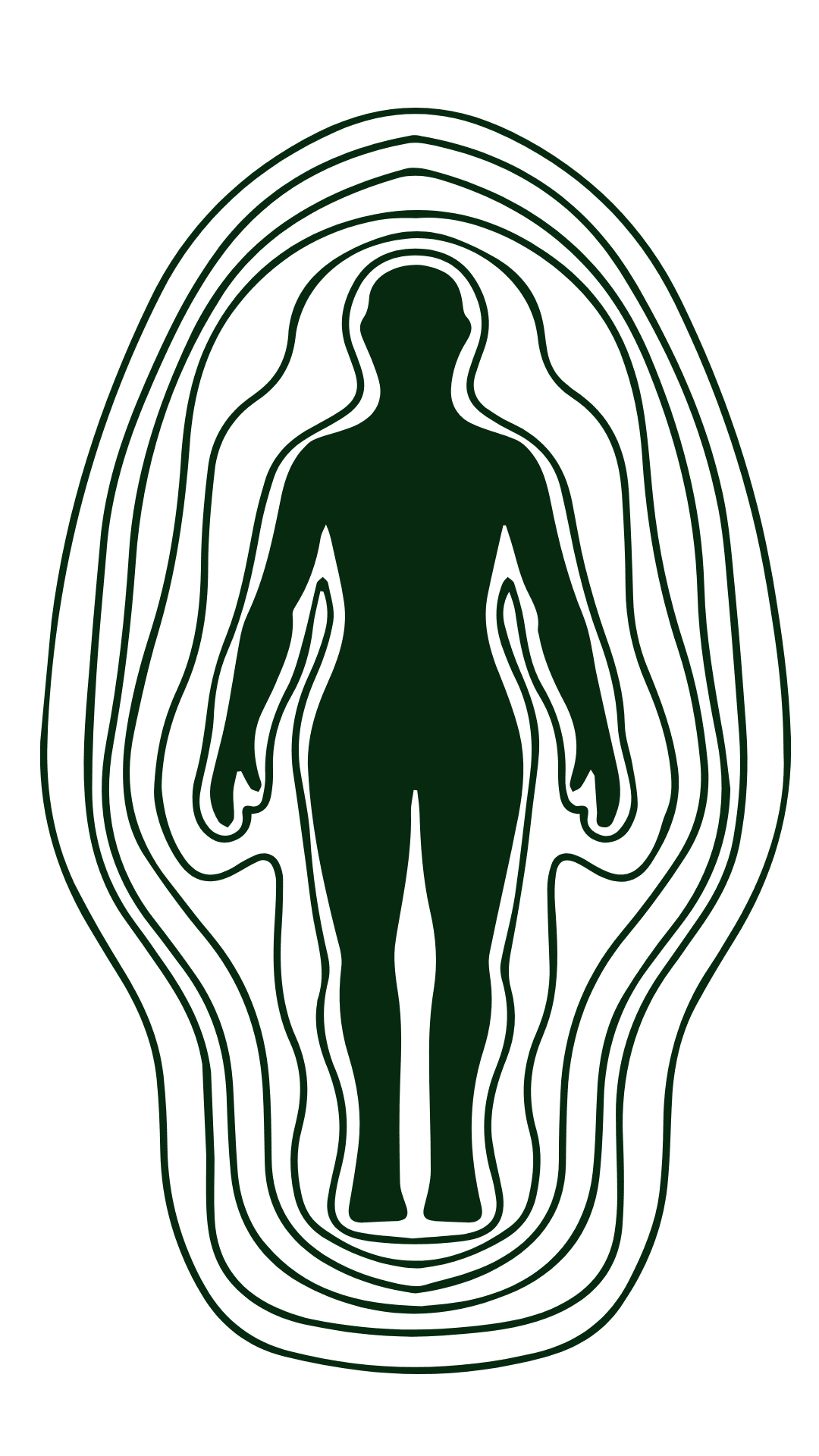
DOSHAS
Vata
▼
Utthan Pristhasana can potentially increase the Vata dosha, especially if it is practiced too intensely or without sufficient warm-up, since Vata stands for movement and activity. However, when performed slowly and with attention to the breath, the pose can help calm Vata by having a stabilizing and grounding effect.
Pitta
▼
Utthan Pristhasana can balance Pitta, as it offers a deep opening and relaxation of the body regions associated with Pitta, such as the liver and the pancreas. The pose fosters the release of heat and is helpful for those who tend toward Pitta excess, which can manifest as anger, frustration or excessive heat in the body.
Kapha
▼
Utthan Pristhasana can help reduce Kapha, as this intense hip opening fosters the elimination of congestion and heaviness that are typical of excess Kapha. The deep stretches stimulate circulation and metabolism, which strengthens the Kapha-reducing effect.

Key Information for Correct Execution
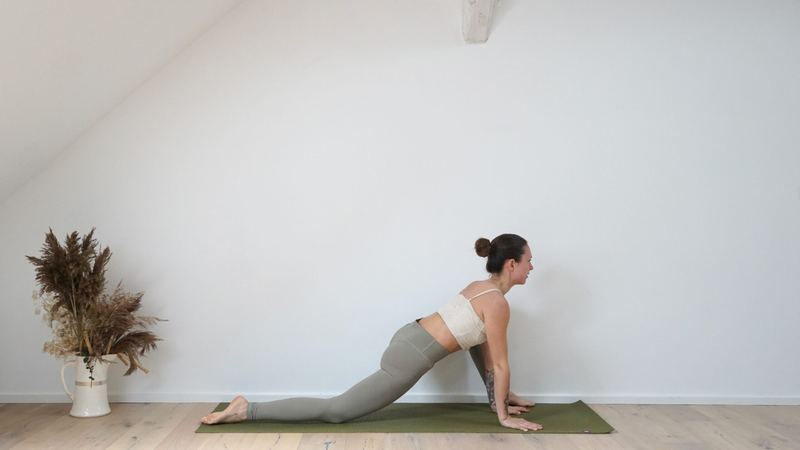
Meet Geraldine, a certified yoga teacher and psychology student who emphasizes mindfulness and alignment to inspire people toward a more peaceful life.
Common Mistakes
• Rounding of the back or leaning the upper body forward. • Overloading the wrist. • Difficulty placing the right knee.
Our Tip
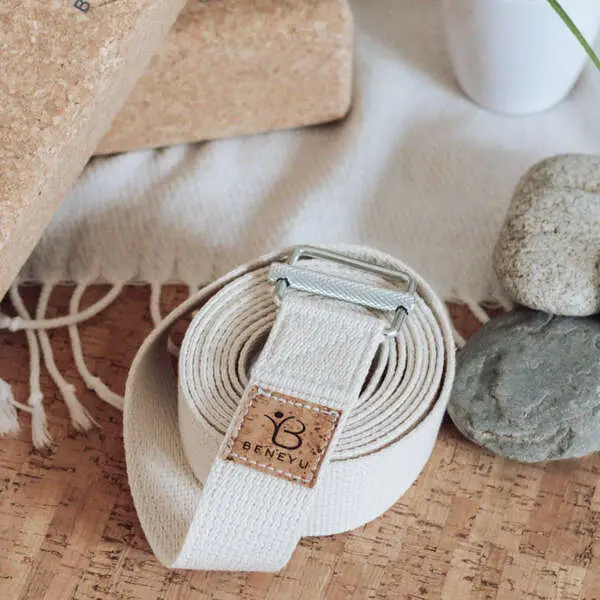
Utthan Pristhasana is a deep hip-opening posture that requires patience and flexibility. Start slowly and take care to respect your body. If you are not able to place your hands on the floor, use blocks or a raised surface to support the hands. Take care to lower your hips in this pose to maximize the stretch in the hip. You can adjust the posture to make it less or more intense, depending on your individual level and flexibility.
Physical Effect
Improving Hip Flexibility
Utthan Pristhasana is a deep hip opening that specifically stretches the flexors and the outer hip muscles (especially the iliopsoas and the glute musculature). This stretch can help release tension and improve mobility in the hip joints, which is especially important for people who spend long hours sitting or have limited mobility in the hips.
Strengthening the Core Musculature
While Utthan Pristhasana is primarily known as a hip opener, correct execution also requires an active involvement of the core musculature to ensure stability. Assuming and holding the pose strengthens the deep-lying stabilizers of the torso, including the transversus abdominis and the multifidus. This engagement strengthens the core, which is essential for good posture and the prevention of back pain. A strong core also supports everyday movements and can improve performance in other athletic disciplines.
Strengthening the Legs and Fostering Balance
The active work in Utthan Pristhasana engages not only the hip musculature but also the leg muscles, including the quadriceps, hamstrings and calf muscles. The standing leg, which must provide weight and stability, is especially strengthened, which leads to improved balance and coordination. This strengthening of the leg musculature is crucial for supporting the joints and can help avoid injuries.
Effects on Psyche and Emotions
Mental Clarity
Utthan Pristhasana forces the practitioner to focus on alignment and balance, which frees the mind of superfluous thoughts and leads to improved mental clarity. The concentration on the body and the breath distracts from everyday worries and can provide clarity in moments of restlessness or decision-making. An example could be that someone facing a difficult decision has a clearer idea of the next steps after practicing this asana.
Stress Relief
Through the focused practice and the deep breaths, Utthan Pristhasana can reduce stress and tension. The pose fosters the relaxation of the central nervous system, which leads to a state of deep relaxation. In professional life, this asana can be especially useful for relaxing after a hectic day and fostering mental well-being.
Emotional Freedom
Utthan Pristhasana allows the practitioner to focus on letting go and can thereby foster a feeling of freedom in an emotional sense. The physical letting go in the pose can also facilitate the release of stuck emotional patterns. An example of this could be that someone who feels trapped in a relationship or work situation experiences a new feeling of freedom and possibility for change.
Props
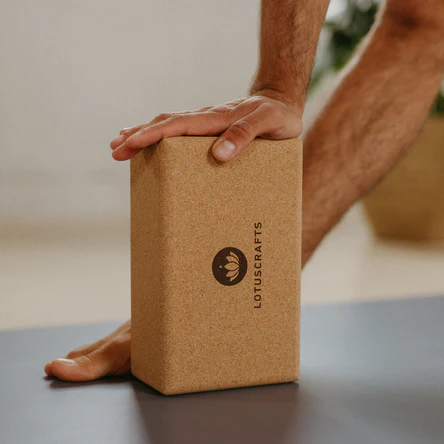
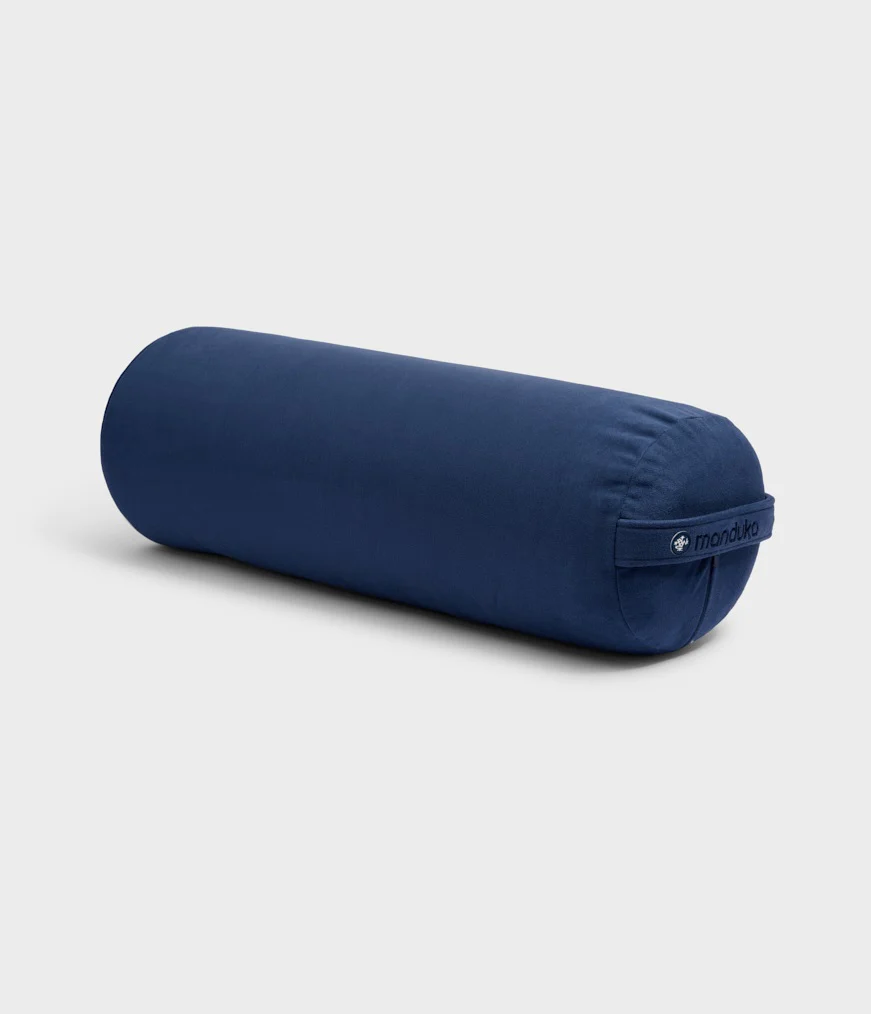
Also interesting!
Author of this Asana
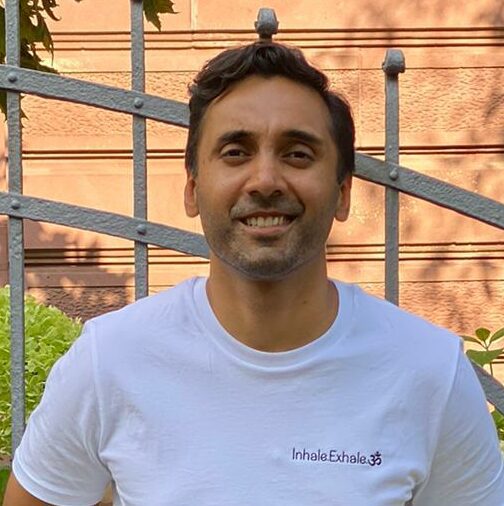
Manish Rana is a certified yoga teacher and founder of asanaverse.de. He writes about topics around yoga, ayurveda and meditation. Manish owes his deep connection to yoga to his Indian roots, through which he came into contact with this practice early on.
Learn more about our team here →DISCOVER MORE
More Extensions
Get our free ebook with 108 asanas now!
With great care and passion, we have selected and described 108 of the most important asanas for you in detail!
Perfect for your practice and cues ;)
Thank you for being here!
Thank you for being here and being part of this ever-evolving platform! We strive to keep growing and improving.
Your feedback is invaluable. Namasté 🙏
Comments feature coming soon. 💬
Guide
Browse our guide now
Accessible Yoga Mobility: Chair Yoga and Inclusive Asanas for All Bodies
Ahimsa – Gewaltlosigkeit als Fundament des Yoga und Lebens
Yoga Sutras zusammengefasst – Kapitel 2 (Sadhana Pada): Pfad der Praxis
Meditation bei Überforderung und Angststörung: Achtsam bleiben in turbulenten Zeiten
12 Wege, das Sitzen in der Meditation zu erleichtern — Stabiler sitzen, tiefer meditieren
Brahmacharya: Quelle des Lebens für mehr Lebenskraft und Vitalität