Eka Pada Utkatasana
One-Legged Chair Pose
Take on the challenge of our Eka Pada Utkatasana Uncovered. Like an acrobat balancing on a rope above the urban bustle, this one-legged chair pose brings a mix of strength, focus and balance into your urban life.
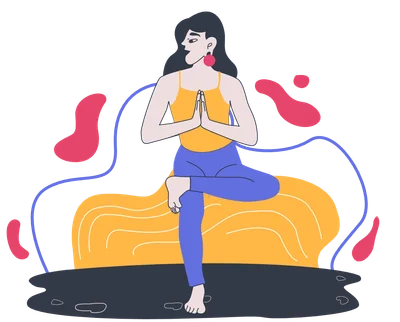
Category: Forward Bends
Forward Bends are asanas in which you gently stretch muscles and joints. They promote suppleness and mobility. Breathing in Forward Bends has a relaxing effect: you supply your muscles with oxygen and release tension.
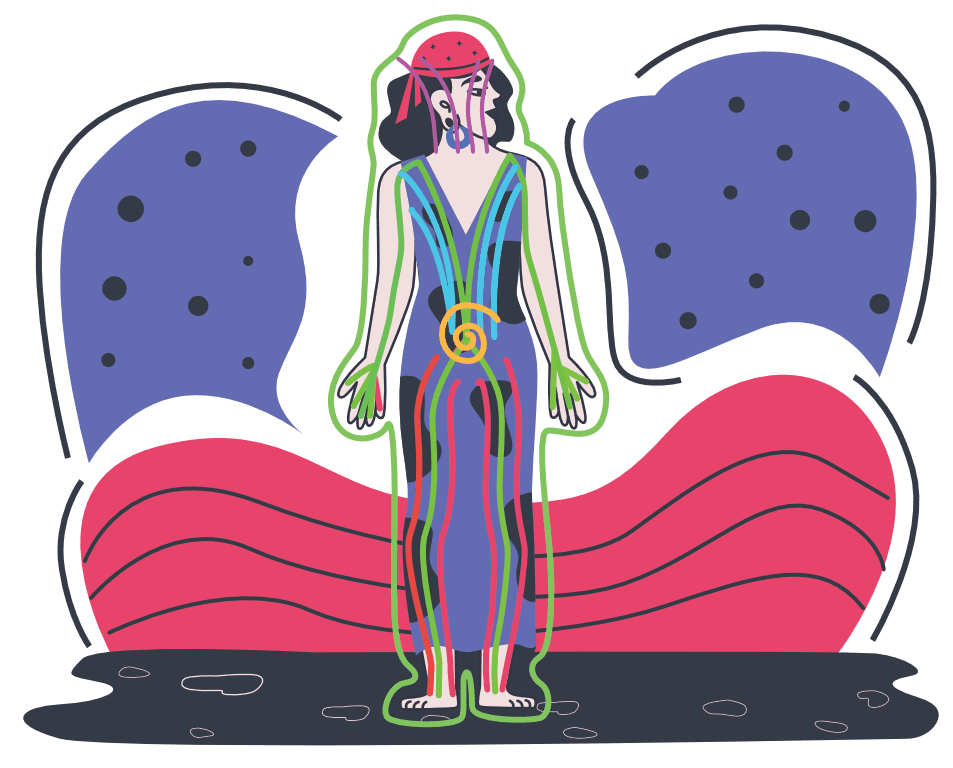
VAYUS
Each of the five Prana Vayus plays an essential role in our body and mind. They move and direct energy in specific directions, each with its own special area of influence and function. One-Legged Chair Pose has its own unique effects on these vayus.
Apana Vayu – The Grounding Force
▼
Residing in the lower pelvis, Apana Vayu regulates elimination and sexual energy. Eka Pada Utkatasana challenges this vayu, as balancing on one leg intensifies the connection to the earth. Physically it supports the stability of the pelvic organs and fosters the elimination functions, while mentally it contributes to grounding and emotional relief.
Samana Vayu – The Balancing Force
▼
Sitting centrally in the abdomen, responsible for digestion and balance, Samana Vayu is strengthened in Eka Pada Utkatasana through the one-legged balance and the core stability. The pose fosters digestive power and brings physical as well as mental balance.
Vyana Vayu – Expansion and Opening
▼
Vyana Vayu flows through the entire body and coordinates and integrates all movements and sensory perceptions. Eka Pada Utkatasana activates Vyana Vayu through the balance work and the expansion necessary to hold the pose. Physically it improves coordination and strengthens the nervous system; mentally it fosters awareness of the whole body.
CHAKRAS
Muladhara Chakra (Root Chakra)
▼
In Eka Pada Utkatasana, the Muladhara Chakra is activated as the pose fosters grounding and stability. Standing on one leg requires balance and a strong connection to the floor, which strengthens the feeling of safety and rootedness. When you feel insecure, this asana can help harmonize your root chakra and find inner support.
Swadhisthana Chakra (Sacral Chakra)
▼
The one-legged chair pose addresses the Svadhisthana Chakra, as it requires flexibility and movement in the pelvic area. Through the slight bending of the standing leg and the activation of the hip musculature, the flow of energy in the sacral chakra is fostered, which supports creativity and emotional balance. If you want to release creative blockages, this pose can stimulate your creative energy.
Ajna Chakra (Brow Chakra)
▼
Eka Pada Utkatasana stimulates the Ajna Chakra by demanding concentration and inner focus. Holding the balance on one leg requires mental clarity and presence, which activates the third eye. If you want to strengthen your intuition, this asana helps foster mental clarity and sharpen your awareness.
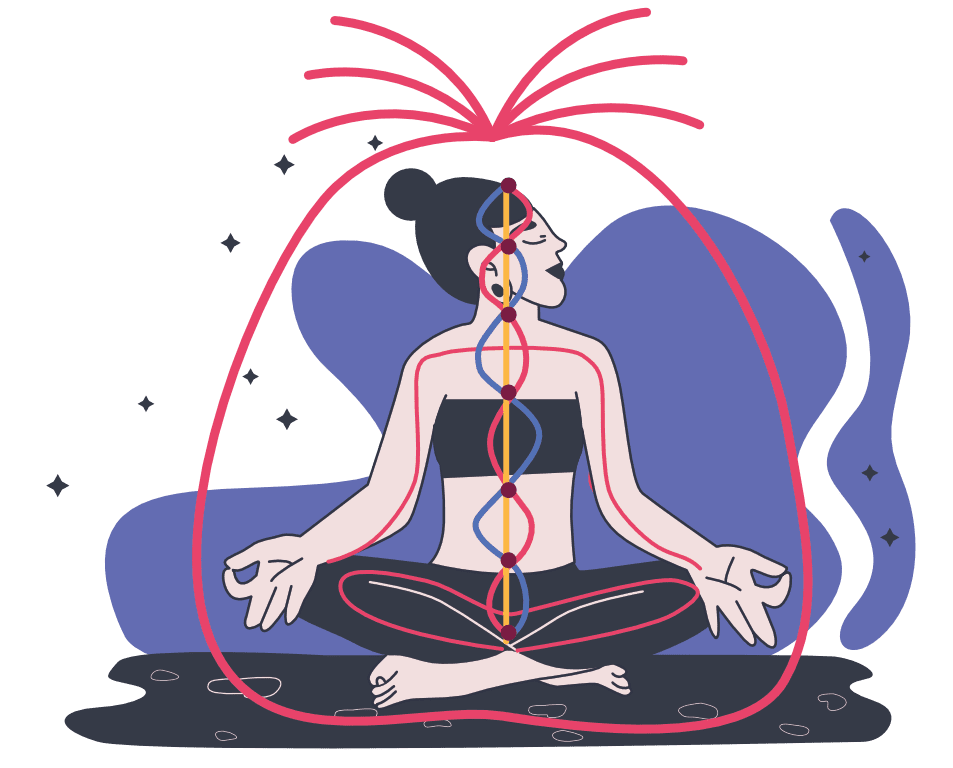
KOSHAS
Annamaya Kosha (Physical Body)
▼
Annamaya Kosha concerns the physical body. Eka Pada Utkatasana, the one-legged chair pose, strengthens the muscles of the standing leg, including the quadriceps and the gluteus, and increases the stability of the ankles.
Pranamaya Kosha (Energy Body)
▼
Pranamaya Kosha is the layer connected with the life energy. Eka Pada Utkatasana activates the root chakra and supports the grounding and centering of the prana flow.
Manomaya Kosha (Mental Body)
▼
Manomaya Kosha comprises the mental and emotional realm. The concentration required for Eka Pada Utkatasana fosters mental clarity and can help calm emotional turbulence.
Vijnanamaya Kosha (Intellectual Body)
▼
Vijnanamaya Kosha refers to the layer of intuition and awareness. Eka Pada Utkatasana challenges the practitioner to sharpen body awareness and the understanding of balance and alignment.
Anandamaya Kosha (Spiritual Body)
▼
Anandamaya Kosha is the layer of happiness and spiritual well-being. The challenge and mastery of Eka Pada Utkatasana can lead to a feeling of contentment and inner peace.
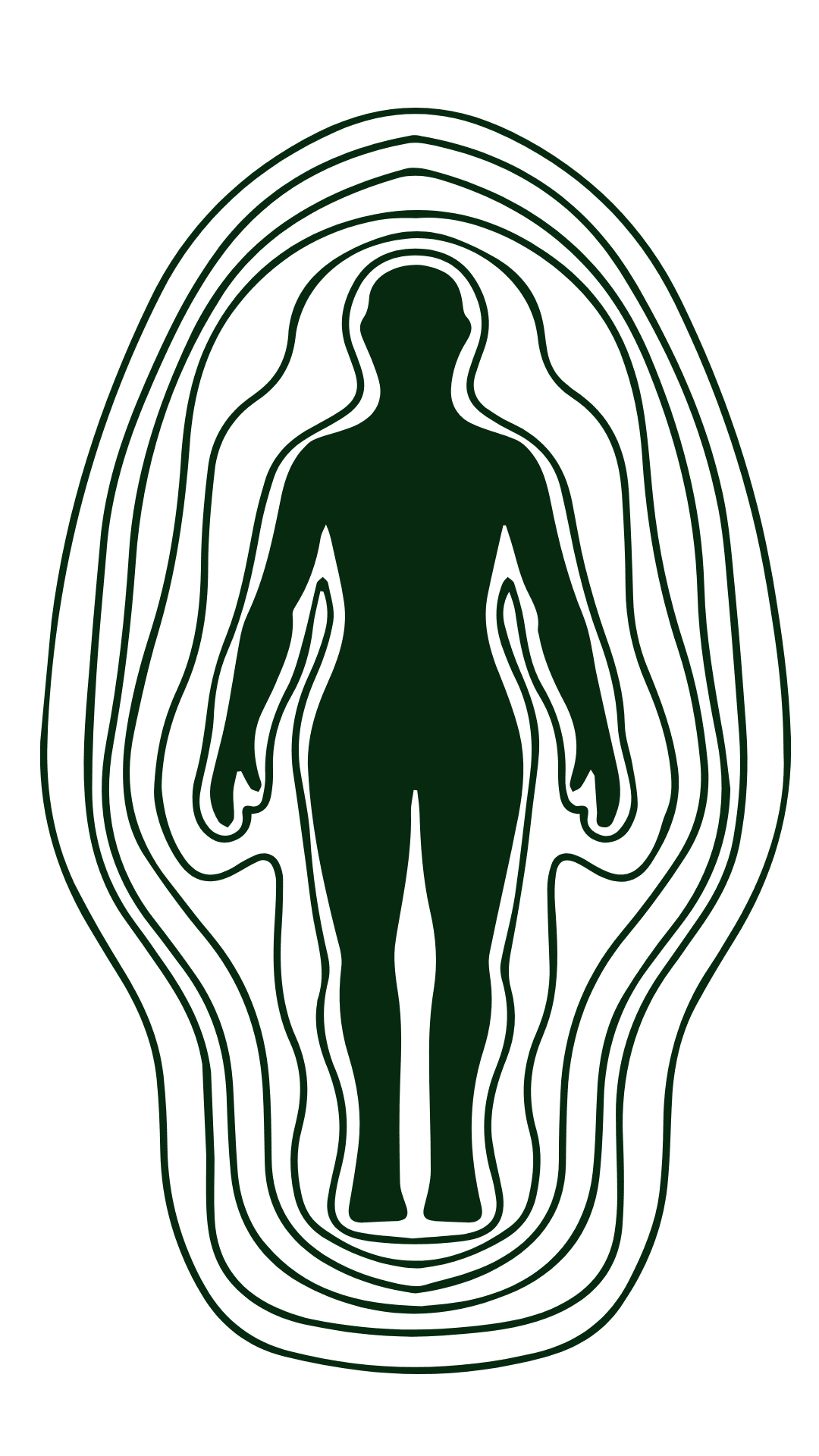
DOSHAS
Vata
▼
Eka Pada Utkatasana reduces the Vata dosha by fostering grounding and stability. Holding the balance on one leg requires concentration and a strong connection to the floor, which calms the restless nature of Vata. Through the focus on the body and conscious breathing, the mind is centered, which eases nervousness and restlessness. This posture helps Vata types develop a feeling of inner calm and steadiness.
Pitta
▼
This asana has a cooling effect on the Pitta dosha, as it requires patience and mindfulness. The one-legged chair pose fosters concentration on the moment, which helps soothe the fiery energy of Pitta. Through the controlled execution and conscious breathing, inner heat is reduced while serenity and balance are strengthened. Pitta types benefit from this pose by learning to rein in their intensity and find inner calm.
Kapha
▼
Eka Pada Utkatasana increases the Kapha dosha by strengthening the qualities of grounding, stability and endurance. The posture strengthens the leg musculature and fosters physical strength and steadfastness, which supports the natural qualities of Kapha. Through the deep connection to the earth and the physical activation, Kapha types can use their inner strength and deepen a feeling of safety and rootedness.

Key Information for Correct Execution
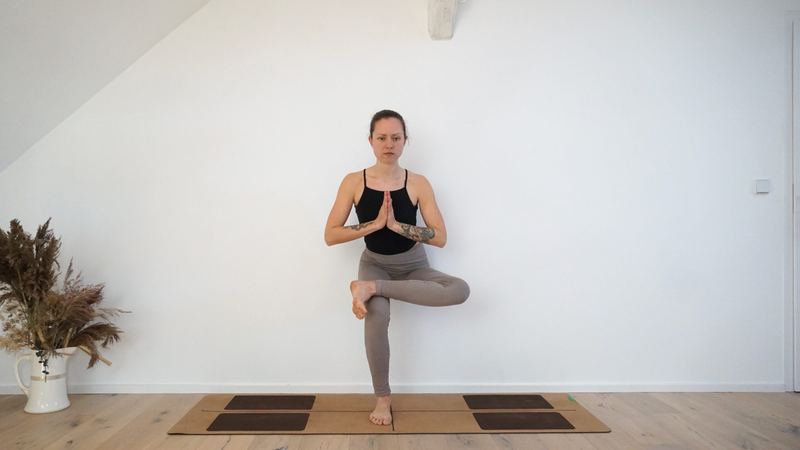
Meet Geraldine, a certified yoga teacher and psychology student who emphasizes mindfulness and alignment to inspire people toward a more peaceful life.
Common Mistakes
• The upper foot is not active. • The hips are not aligned parallel to the front.
Our Tip
To find the right sweet spot in the posture, you can experiment a little with the angle of the knee on the thigh. Find out which position is comfortable and stable for you.
Variations
• You can position yourself near a wall or a railing to train your balance. • As an advanced variation, you can bring your upper foot into half lotus, move into a forward fold and grip your foot behind your back.
Physical Effect
Hip Stabilization
Eka Pada Utkatasana forces the muscles of the supporting leg, especially the gluteus maximus and the adductors, into action to maintain balance. This activation helps strengthen the hip stabilizers and protect the joints. The pose also fosters the symmetrical alignment of the pelvis by correcting imbalances, which can be crucial for the relief and prevention of hip and back complaints.
Core Strength
Balancing on one leg in Eka Pada Utkatasana demands considerable work from the core musculature, including the rectus abdominis, the obliquus externus and internus as well as the deeper-lying transversus abdominis. These core muscles work together to stabilize the spine and improve posture, which in turn supports internal organ health and breathing function.
Leg Musculature
The one-legged posture in Eka Pada Utkatasana puts the musculature of the standing leg under tension, engaging especially the quadriceps, the calf muscles and the muscles of the lower leg. This leads to improved muscle strength and endurance, which is crucial for supporting the knee joints and improving overall leg mobility. The increased muscle activity can also foster circulation and support lymphatic drainage, which in turn contributes to the overall health of the lower extremities.
Effects on Psyche and Emotions
Balanced Strength
Eka Pada Utkatasana, the one-legged chair pose, strengthens not only the muscles but also mental steadiness. This pose demands deep engagement and fosters mental endurance, as it requires a high degree of concentration and physical control.
Centered Determination
Through the requirement to balance on one leg, Eka Pada Utkatasana centers the mind and sharpens determination. This pose fosters a focused presence and helps block out the noise of everyday life and concentrate on the essential.
Heightened Self-Awareness
Eka Pada Utkatasana invites you to increase your self-awareness. The intense physical demand makes the practitioner more mindful of their own physical and mental states, thereby fostering self-knowledge.
Props
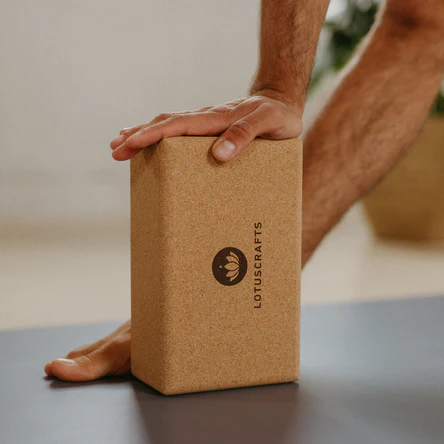
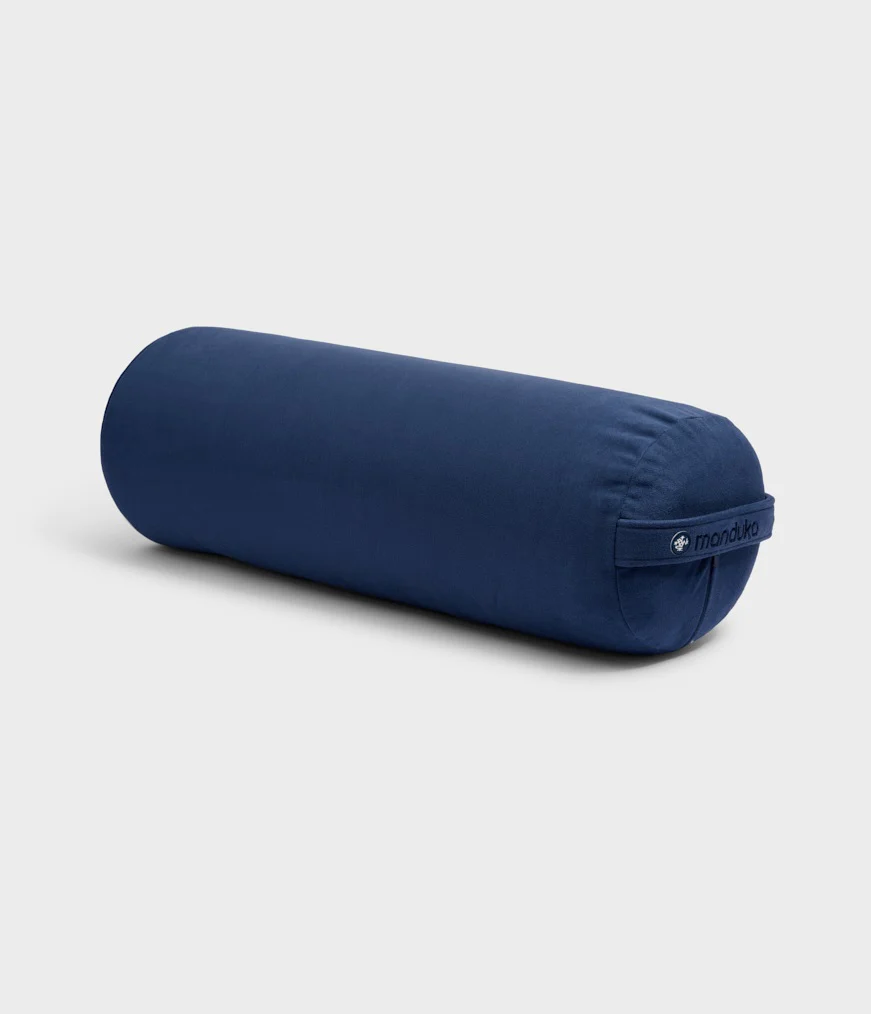
Also interesting!
Author of this Asana
Manish Rana is a certified yoga teacher and founder of asanaverse.de. He writes about topics around yoga, ayurveda and meditation. Manish owes his deep connection to yoga to his Indian roots, through which he came into contact with this practice early on.
Learn more about our team here →DISCOVER MORE
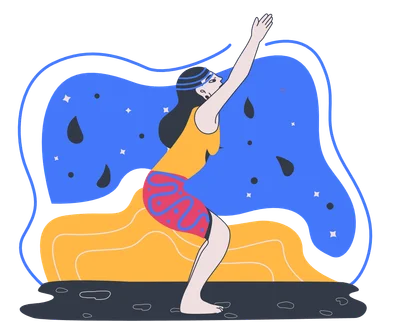
More Forward Bends
Get our free ebook with 108 asanas now!
With great care and passion, we have selected and described 108 of the most important asanas for you in detail!
Perfect for your practice and cues ;)
Thank you for being here!
Thank you for being here and being part of this ever-evolving platform! We strive to keep growing and improving.
Your feedback is invaluable. Namasté 🙏
Comments feature coming soon. 💬
Guide
Browse our guide now
Accessible Yoga Mobility: Chair Yoga and Inclusive Asanas for All Bodies
Ahimsa – Gewaltlosigkeit als Fundament des Yoga und Lebens
Yoga Sutras zusammengefasst – Kapitel 2 (Sadhana Pada): Pfad der Praxis
Meditation bei Überforderung und Angststörung: Achtsam bleiben in turbulenten Zeiten
12 Wege, das Sitzen in der Meditation zu erleichtern — Stabiler sitzen, tiefer meditieren
Brahmacharya: Quelle des Lebens für mehr Lebenskraft und Vitalität