
Malasana
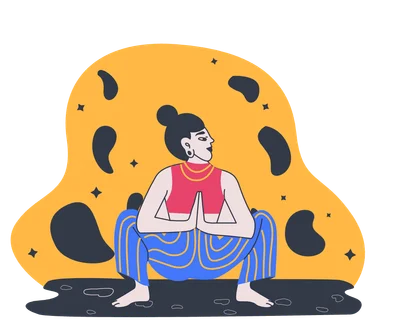
Garland Pose
Set foot with us on the sacred earth of our Malasana Uncovered. Like a quiet courtyard in the midst of the urban labyrinth, this garland pose offers a connection to the heart of the earth and to the depth of your being.
Category: Forward Bends
Forward Bends are asanas in which you gently stretch muscles and joints. They promote suppleness and mobility. Breathing in Forward Bends has a relaxing effect: you supply your muscles with oxygen and release tension.
VAYUS
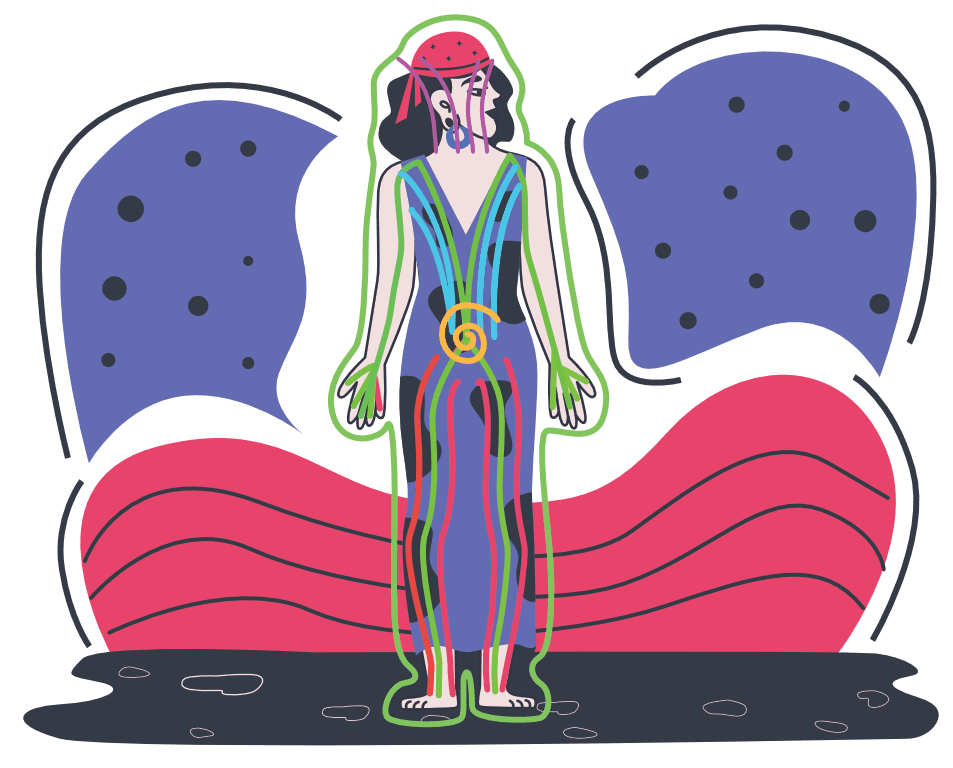
Each of the five Prana Vayus plays an essential role in our body and mind. They move and direct energy in specific directions, each with its own special area of influence and function. Garland Pose has its own unique effects on these vayus.
Apana Vayu – The Grounding Force
▼
In Malasana, the feet are deeply rooted in the earth and the body gently inclines downward, whereby Apana Vayu, the downward-directed energy, is most strongly stimulated. This connection with the earth conveys a feeling of stability, grounding and connectedness. For all who feel overwhelmed by the world, this is the ideal pose to center and ground yourself again.
Samana Vayu – The Balancing Force
▼
Through the deep-seated posture and the slight activation of the abdominal area, Samana Vayu, the centering energy in the navel, is awakened. This helps activate the digestive system and creates a balance between body and mind. Anyone who longs for inner harmony and a harmonious flow in the body finds in Malasana a true friend.
Prana Vayu – Expansion of Consciousness
▼
Despite the deep squatting position, Malasana enables an expansion of the ribcage, which stimulates Prana Vayu, the enlivening energy of the heart. This fosters the breathing and helps us open ourselves to emotions and sensations. If you feel closed off or emotionally withdrawn, Malasana can give you the space to breathe more deeply and open yourself fully to life again.
CHAKRAS
Muladhara Chakra (Root Chakra)
▼
Malasana, also known as the deep squat, strengthens our direct connection to the earth. The Muladhara Chakra at the lower end of the spine embodies this base, our foundation and our connection to the physical world. It symbolizes our roots, safety and survival instincts. In times when you feel uprooted or insecure, Malasana can help you feel grounded and centered.
Swadhisthana Chakra (Sacral Chakra)
▼
The opening and stretching of the hips in Malasana influences the Swadhisthana Chakra, which sits in the lower abdominal area. It stands for our creativity, emotions and sexual energy. This chakra reminds us of the fluidity of water. If you feel blocked or inhibited in your creative expression, Malasana can help bring this energy back into flow.
Manipura Chakra (Solar Plexus Chakra)
▼
While Malasana is an earth-connected posture, the Manipura Chakra, located in the navel area, is also activated. It stands for our self-worth, our determination and our will. If you face a challenge or feel weakened in your willpower, practicing Malasana can remind you to draw on your inner strength.
KOSHAS
Annamaya Kosha (Physical Body)
▼
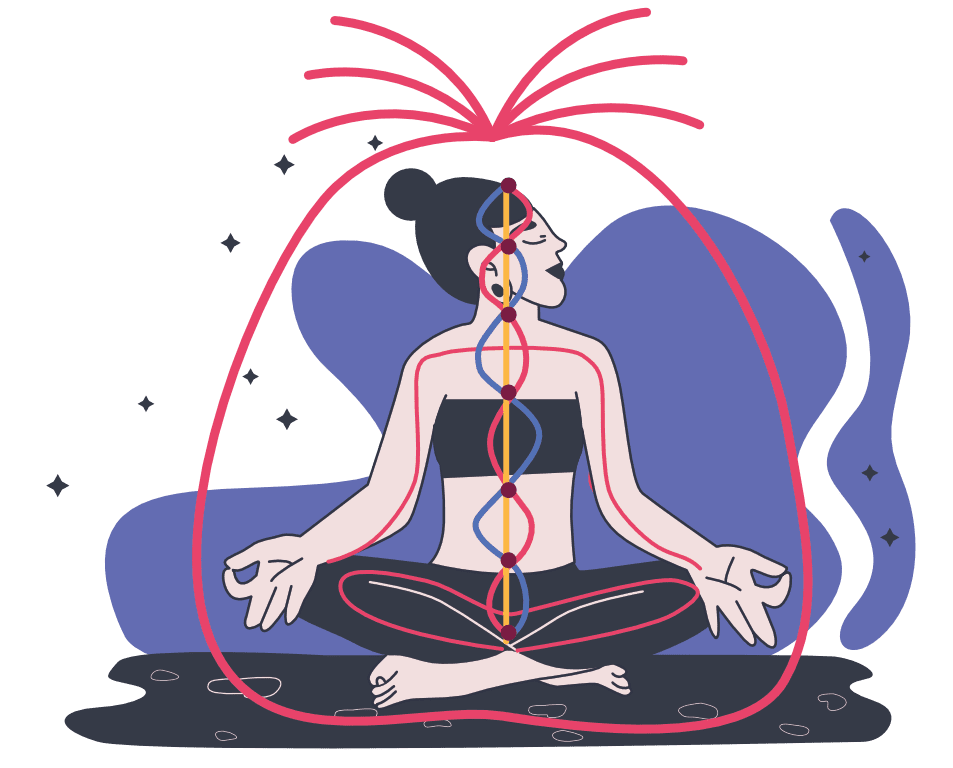
Annamaya Kosha represents our physical existence. Malasana stretches the ankles, thighs and the lower back, while strengthening and opening the hip joints.
Pranamaya Kosha (Energy Body)
▼
Pranamaya Kosha is the sheath of our life energy. Malasana stimulates the flow of prana, the life energy, in the pelvic area and in the lower back.
Manomaya Kosha (Mental Body)
▼
Manomaya Kosha reflects our mental state. The deep squatting in Malasana requires attention and grounding, which leads to a clearer and more focused mind.
Vijnanamaya Kosha (Intellectual Body)
▼
Vijnanamaya Kosha revolves around our deeper insights. Through Malasana, we can feel a stronger connection to our inner self and our intuition.
Anandamaya Kosha (Spiritual Body)
▼
Anandamaya Kosha is our innermost being, connected with pure joy. In Malasana, especially when practiced with deep, conscious breathing, we can experience moments of inner stillness and bliss.
DOSHAS
Vata
▼
Malasana can calm the Vata dosha by giving the body grounding and stability. The deep squat brings the energy downward and helps reduce the typical Vata qualities such as restlessness and nervousness. This pose grounds the mind and offers a safe anchor for Vata-dominant people, who are often plagued by racing thoughts and a flighty mind.
Pitta
▼
Although Malasana can stimulate the abdominal area, it has an overall cooling effect on the Pitta dosha. The posture supports the harmonization of the digestive fire (Agni) and helps break down excess heat and inner tension. For Pitta-characterized people, Malasana offers a way to calm down and gently regulate the inner heat.
Kapha
▼
Malasana, the deep squatting position, is a posture that strengthens and increases the Kapha dosha. Through the close connection with the floor, this asana fosters the grounding and stability that are typical for Kapha. The position supports digestion and brings calm and balance into the body, which stabilizes Kapha-characterized people energetically and mentally.

Key Information for Correct Execution
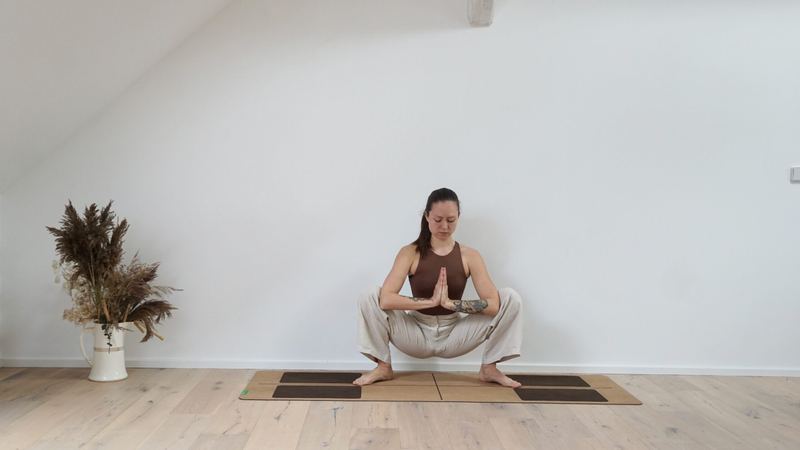
Meet Geraldine, a certified yoga teacher and psychology student who emphasizes mindfulness and alignment to inspire people toward a more peaceful life.
Common Mistakes
Important mistakes that should be avoided are an upper body falling backward, a non-upright back and the lifting of the heels off the floor.
Our Tip
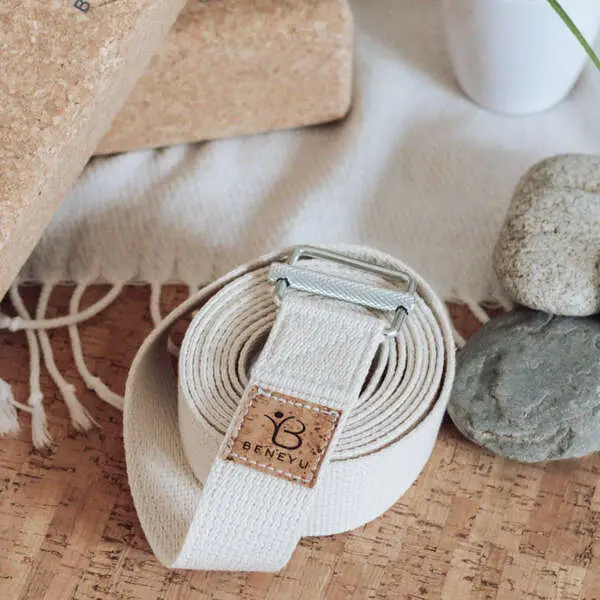
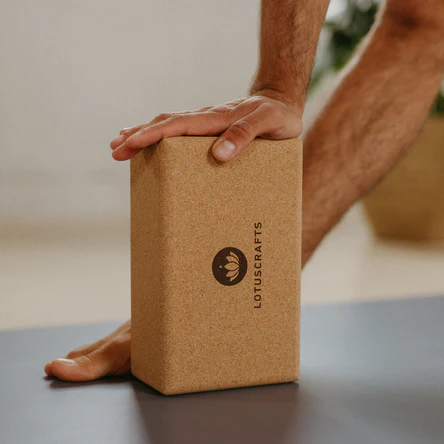
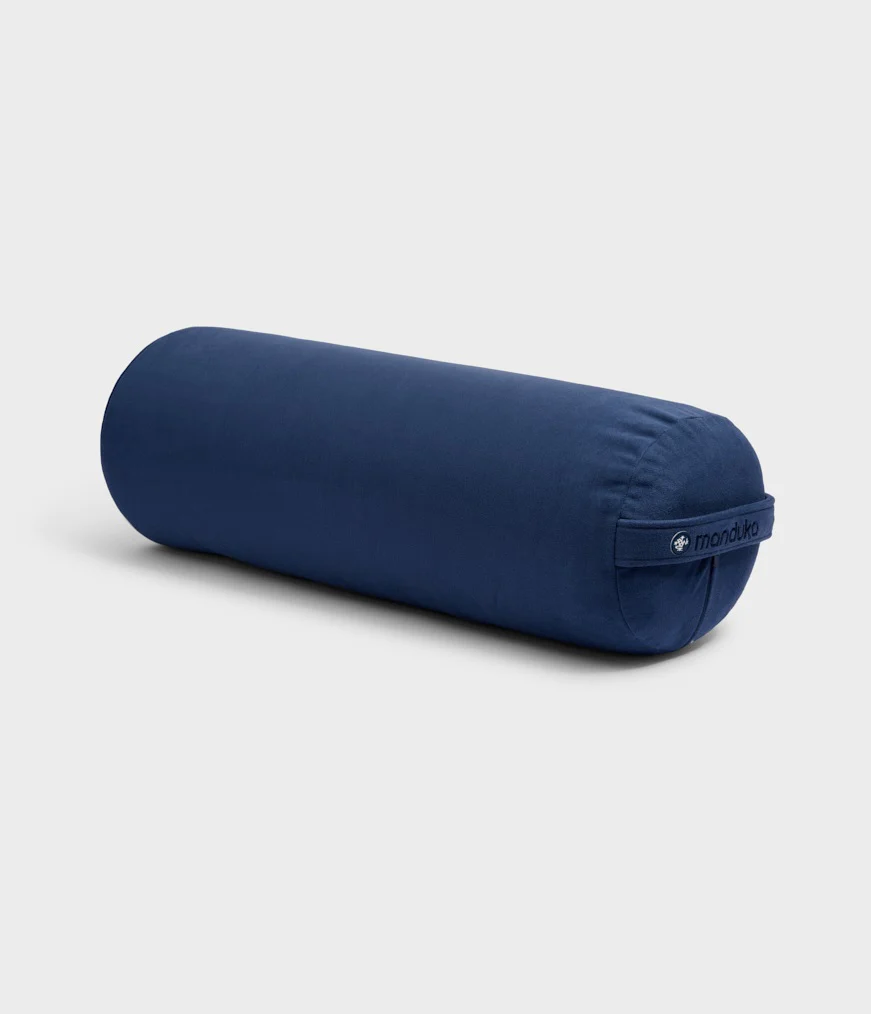
A tip for this posture is to work on the length of the spine and the opening of the hips. After a few breaths, however, it can also feel good to let the upper body round between the legs and bring the hands to the floor to relax. As many people are not used to sitting on the floor and have shortened hips and calves, it can be helpful to place a folded blanket under the heels as support or slide a block under the buttocks.
Variations
Another variation is the squat with one extended leg, which additionally stretches the inner leg.
Physical Effect
Deep Hip Opening
Malasana is especially effective for opening the hips. It directly targets the inner hip musculature and especially stretches the adductors. For people who spend a lot of time sitting, this can offer relief from tension and stiffness in the hips and foster the general hip mobility.
Strengthening the Foot and Leg Musculature
Through holding the body weight in this deep squatting position, the soles of the feet, calves and thigh musculature are activated and strengthened. This can support the arches of the feet and help prevent foot problems. In addition, it fosters the circulation of the legs and can help reduce swelling and congestion in the lower legs.
Digestion Support
Anatomically, Malasana positions the organs of the lower abdomen – especially the intestines – in a way that can foster digestion. The pressure on the lower abdomen can stimulate the bowel activity, which can help with occasional constipation or sluggish digestion. It is important, however, not to perform the asana immediately after a meal.
Effects on Psyche and Emotions
Grounded Presence
The deep squatting posture of Malasana connects us directly with the earth and fosters a feeling of stability and grounding. This pose reminds us to pause and center ourselves again and again despite the restlessness and speed of daily life.
Opening and Letting Go
Malasana fosters the opening of the hips – an area where many people store emotional tension. The conscious taking of this pose can help release emotional blockages and foster a feeling of letting go.
Connection and Community
Traditionally, Malasana is a posture that is taken in many cultures during social interactions or when lingering. It symbolizes community and connection. This pose reminds us of the importance of togetherness and exchange.
Props
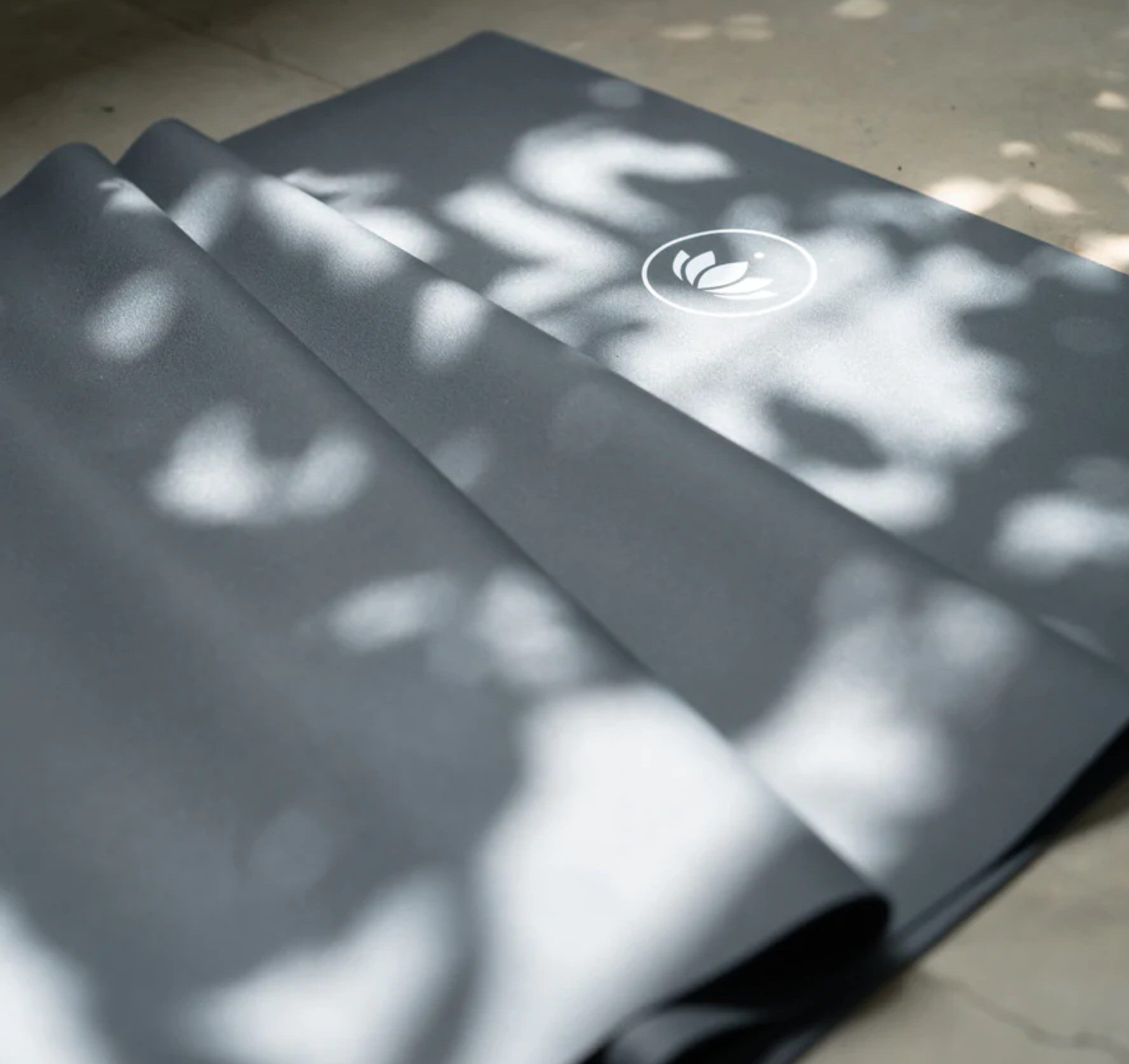
Also interesting!
Author of this Asana
Manish Rana is a certified yoga teacher and founder of asanaverse.de. He writes about topics around yoga, ayurveda and meditation. Manish owes his deep connection to yoga to his Indian roots, through which he came into contact with this practice early on.
Learn more about our team here →DISCOVER MORE
More Forward Bends
Get our free ebook with 108 asanas now!
With great care and passion, we have selected and described 108 of the most important asanas for you in detail!
Perfect for your practice and cues ;)
Thank you for being here!
Thank you for being here and being part of this ever-evolving platform! We strive to keep growing and improving.
Your feedback is invaluable. Namasté 🙏
Comments feature coming soon. 💬
Guide
Browse our guide now
Accessible Yoga Mobility: Chair Yoga and Inclusive Asanas for All Bodies
Ahimsa – Gewaltlosigkeit als Fundament des Yoga und Lebens
Yoga Sutras zusammengefasst – Kapitel 2 (Sadhana Pada): Pfad der Praxis
Meditation bei Überforderung und Angststörung: Achtsam bleiben in turbulenten Zeiten
12 Wege, das Sitzen in der Meditation zu erleichtern — Stabiler sitzen, tiefer meditieren
Brahmacharya: Quelle des Lebens für mehr Lebenskraft und Vitalität