Vajrasana
Thunderbolt Pose
Sit with us on the energized seat of our Vajrasana Uncovered. Like a lightning tower amid the big-city landscape, this thunderbolt pose grounds your energy and sharpens your concentration.
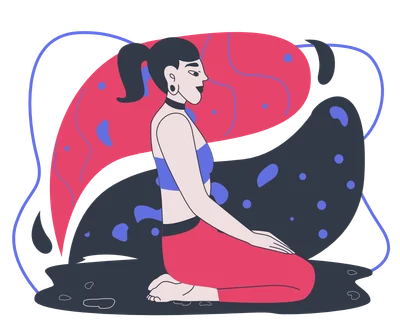
Category: Extensions
Extensions are asanas in which you gently stretch muscles and joints. They promote suppleness and mobility. Breathing in Extensions has a relaxing effect: you supply your muscles with oxygen and release tension.
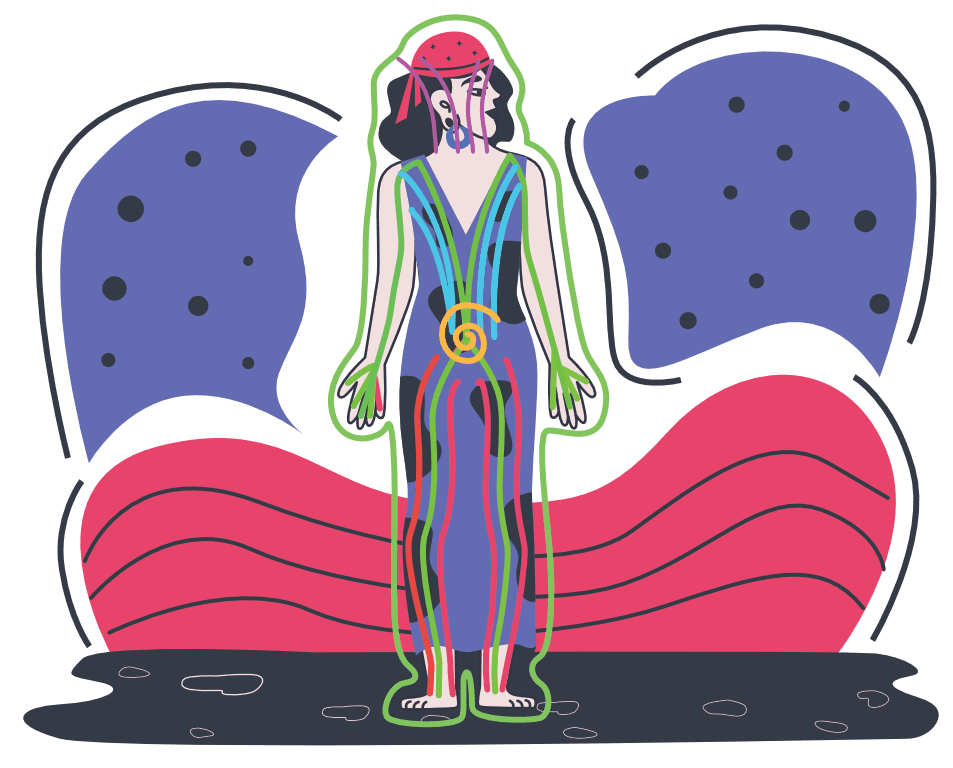
VAYUS
Each of the five Prana Vayus plays an essential role in our body and mind. They move and direct energy in specific directions, each with its own special area of influence and function. Thunderbolt Pose has its own unique effects on these vayus.
Udana Vayu – The Ascending Energy
▼
In Vajrasana, Udana Vayu is activated, the ascending energy that works in the throat and head area. Through the upright seated posture and the upward lengthening of the spine, this asana fosters the free flow of Udana Vayu. This supports mental clarity, improves communication and strengthens the expression of thoughts and feelings. If you seek mental clarity or a better self-expression, Vajrasana can help harmonize and strengthen Udana Vayu.
Prana Vayu – Expansion of Consciousness
▼
Vajrasana stimulates Prana Vayu, the energy in the chest area responsible for the intake of life energy. Through conscious breathing and the opening of the ribcage in this posture, the intake of prana (life energy) is maximized. The asana fosters vitality, strengthens the heart and improves breathing function. If you want to increase your life energy or deepen your breathing practice, Vajrasana supports the harmonization of Prana Vayu.
Vyana Vayu – Expansion and Opening
▼
In Vajrasana, Vyana Vayu fosters the distribution of energy throughout the entire body. Through the symmetrical and stable posture, the pose allows prana to reach every cell evenly. This improves circulation, supports the nervous system and fosters a feeling of wholeness and integration. If you seek a deeper feeling of connectedness with your entire being, Vajrasana helps harmonize Vyana Vayu and optimize the flow of energy.
CHAKRAS
Muladhara Chakra (Root Chakra)
▼
In Vajrasana, the Muladhara Chakra is intensely activated, as the posture fosters a strong connection to the earth. The buttocks rest on the heels, while the shins and tops of the feet lie flat on the floor, which creates a stable base. This grounding strengthens the feeling of safety and stability, fundamental aspects of the root chakra. Through the conscious alignment and holding of the pose, Vajrasana helps reduce fears and develop a deep trust in your own base. The pose fosters rootedness and supports finding inner stability and steadiness in everyday life.
Swadhisthana Chakra (Sacral Chakra)
▼
Vajrasana influences the Swadhisthana Chakra, located in the pelvic area and standing for creativity, emotions and sensual perception. The upright posture and the gentle alignment of the pelvis in this pose foster the flow of energy in the sacral chakra. By sitting on the heels, the pelvic floor is slightly activated, which helps release tension in the lower back and pelvic area. This supports the harmonization of emotions and fosters the ability to express joy and creativity. Vajrasana can help break down emotional blockages and restore inner balance.
Ajna Chakra (Brow Chakra)
▼
Although Vajrasana is a simple seated posture, it enables a deep meditative practice that addresses the Ajna Chakra between the eyebrows. The upright spine and the relaxed but attentive posture foster concentration and inner stillness. By softly lowering the gaze or closing the eyes, attention is directed inward, which supports the activation of the brow chakra. This focus strengthens intuition, mental clarity and awareness of inner processes. Vajrasana thus creates space for deeper meditation and fosters the connection to inner wisdom.
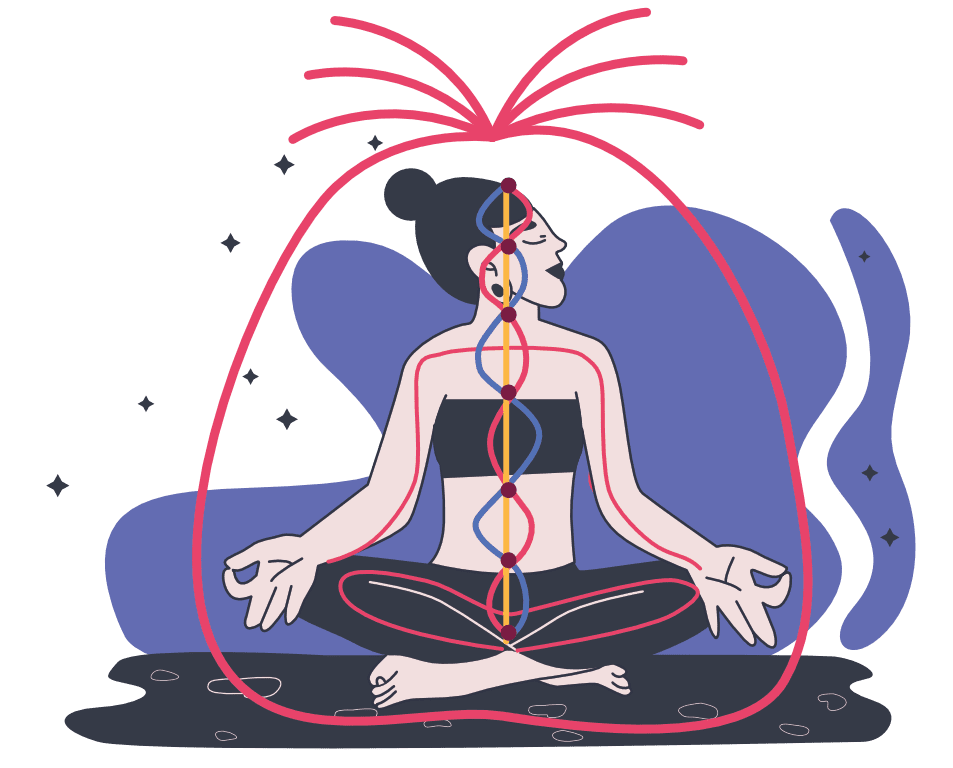
KOSHAS
Annamaya Kosha (Physical Body)
▼
Annamaya Kosha is the outermost layer, which deals with physical health and structure. Vajrasana supports this layer by reducing the circulation in the lower extremities and fostering digestion after meals, which can lead to improved function of the gastrointestinal tract.
Pranamaya Kosha (Energy Body)
▼
Pranamaya Kosha refers to the energy body, which is connected with the life energy, prana. Vajrasana helps regulate the Pranamaya Kosha by calming the flow of energy in the navel area and supporting the distribution of energy after eating.
Manomaya Kosha (Mental Body)
▼
Manomaya Kosha comprises emotions and the mind. Vajrasana fosters concentration and mental clarity. The upright and stable seated position can help calm an overactive mind, which contributes to mental relaxation.
Vijnanamaya Kosha (Intellectual Body)
▼
Vijnanamaya Kosha is the layer of intuition and awareness. Vajrasana can influence this layer by creating an environment for inner learning and insight. Sitting quietly fosters self-reflection and a deep understanding of personal processes.
Anandamaya Kosha (Spiritual Body)
▼
Anandamaya Kosha is the inner layer connected with joy and spiritual well-being. Vajrasana supports this layer by serving as a meditative posture that calms the mind and can foster a feeling of inner contentment and peace.

DOSHAS
Vata
▼
Vajrasana has a neutralizing effect on the Vata dosha by fostering grounding and inner calm. The stable seated posture calms the restless Vata mind and helps ease nervousness and scatteredness. The connection of the feet and legs with the floor as well as the upright posture support a feeling of stability and safety without significantly affecting the Vata dosha.
Pitta
▼
Although Vajrasana stimulates the digestive fire, it neutralizes the Pitta dosha by fostering a calm and meditative posture. The pose makes it possible to calm the mind and reduce stress without intensifying the inner heat of Pitta. Through the focus on an even breath and holding the upright position, serenity is supported, which helps ease Pitta-related irritability and overheating.
Kapha
▼
Vajrasana reduces the Kapha dosha by stimulating digestion and generating inner warmth. The posture fosters the activation of the digestive fire (Agni), which helps reduce the typical Kapha heaviness and sluggishness. By sitting on the heels, the pressure on the lower abdomen is increased, which stimulates the digestive organs and releases energy blockages.

Key Information for Correct Execution
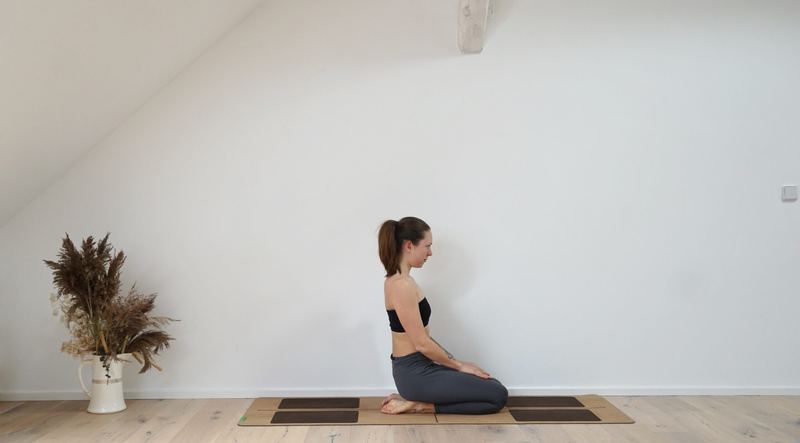
Meet Geraldine, a certified yoga teacher and psychology student who emphasizes mindfulness and alignment to inspire people toward a more peaceful life.
Common Mistakes
Common mistakes are not sitting upright, having a hollow back or not keeping the neck extended.
Our Tip
The heel seat is especially well suited for pranayama (breathing exercises) such as deep Ujjayi breathing, Kapalabhati or Nadi Shodhana.
Variations
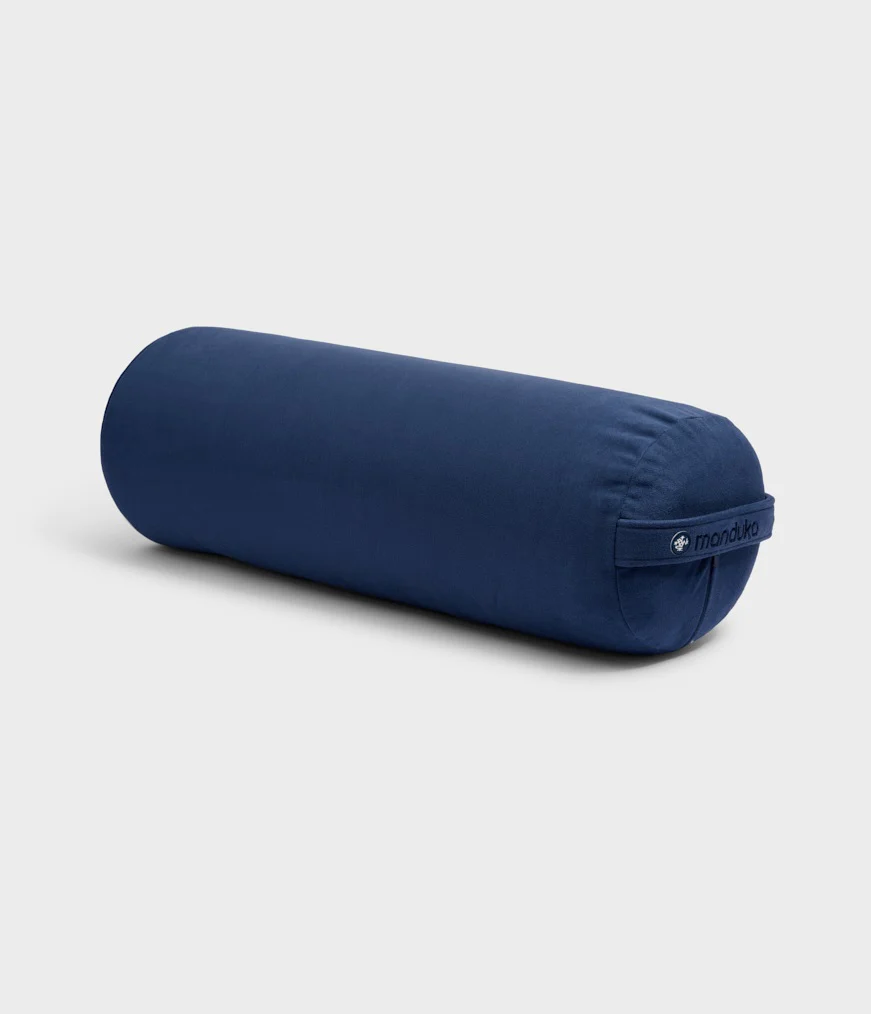
With complaints, a block or a folded blanket can be slid under the buttocks to reduce the pressure on the knees. Men should possibly place a blanket between buttocks and feet, as this pose is often challenging for the knees, especially with shortened thigh musculature.
Physical Effect
Digestive Support
Vajrasana is traditionally practiced after meals to support digestion. Sitting in this position fosters circulation in the pelvic and abdominal area, which in turn stimulates the digestive organs and favors efficient breakdown and absorption of food.
Leg and Ankle Strengthening
Sitting on the heels in Vajrasana stretches and strengthens the muscles and ligaments of the ankles and the arch of the foot. This can help ease problems such as flat feet and offers a gentle stretch for the knees. In addition, it can serve as a therapeutic exercise for people with foot or ankle injuries, provided there is no acute inflammation.
Posture Correction
Vajrasana fosters an upright spinal position, which activates the deep back muscles and the core stabilizers. This not only supports a healthy back posture but also relieves the spine of unnecessary pressure and tension. Regular practice can help correct or prevent postural damage and related complaints.
Effects on Psyche and Emotions
Grounding Clarity
Vajrasana, the diamond or thunderbolt pose, helps clear the mind and ground the body. This fosters not only mental clarity but also the ability to focus on the here and now.
Strengthening the Will
The position requires an active engagement of the lower leg musculature and can thereby strengthen perseverance and will. Consciously sitting in Vajrasana, even if it may be uncomfortable at first, cultivates persistence.
Centering and Calm
Vajrasana supports centering through its grounding nature. The pose encourages you to breathe deeply and slow down, which calms both the central nervous system and the emotional system.
Props
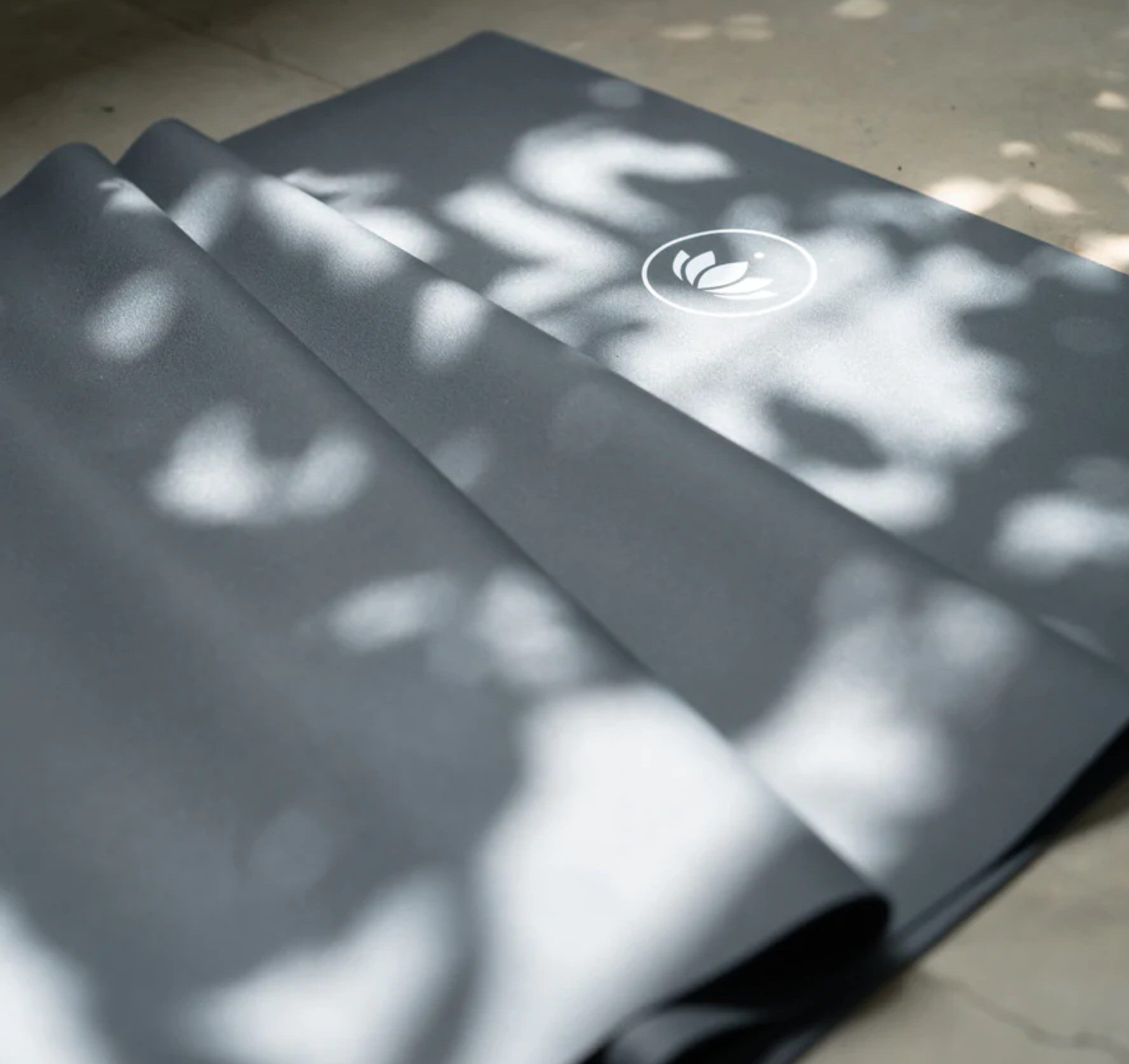
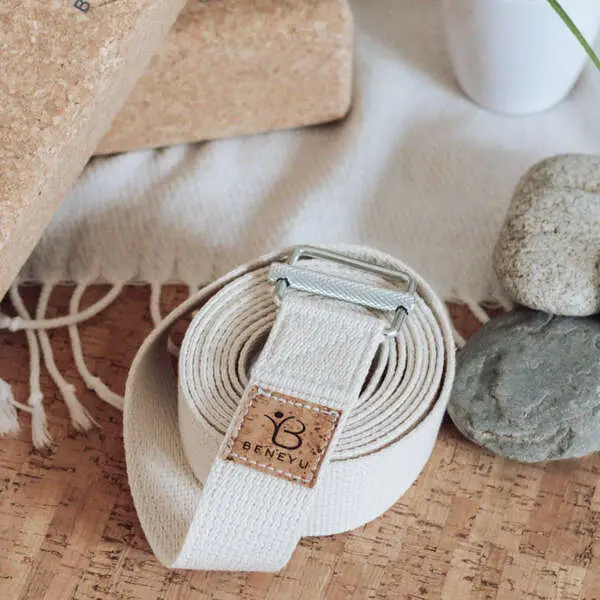
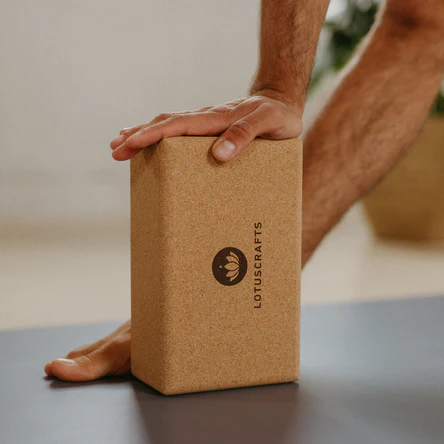
Also interesting!
Author of this Asana

Manish Rana is a certified yoga teacher and founder of asanaverse.de. He writes about topics around yoga, ayurveda and meditation. Manish owes his deep connection to yoga to his Indian roots, through which he came into contact with this practice early on.
Learn more about our team here →DISCOVER MORE
More Extensions
Get our free ebook with 108 asanas now!
With great care and passion, we have selected and described 108 of the most important asanas for you in detail!
Perfect for your practice and cues ;)
Thank you for being here!
Thank you for being here and being part of this ever-evolving platform! We strive to keep growing and improving.
Your feedback is invaluable. Namasté 🙏
Comments feature coming soon. 💬
Guide
Browse our guide now
Accessible Yoga Mobility: Chair Yoga and Inclusive Asanas for All Bodies
Ahimsa – Gewaltlosigkeit als Fundament des Yoga und Lebens
Yoga Sutras zusammengefasst – Kapitel 2 (Sadhana Pada): Pfad der Praxis
Meditation bei Überforderung und Angststörung: Achtsam bleiben in turbulenten Zeiten
12 Wege, das Sitzen in der Meditation zu erleichtern — Stabiler sitzen, tiefer meditieren
Brahmacharya: Quelle des Lebens für mehr Lebenskraft und Vitalität