Parivrtta Janu Sirsasana
Revolved Head-to-Knee Pose
Turn with us into the glowing labyrinth of our Parivrtta Janu Sirsasana Uncovered. Like a windmill turning amid the urban structures, this revolved head-to-knee pose brings movement and dynamism into your urban existence.
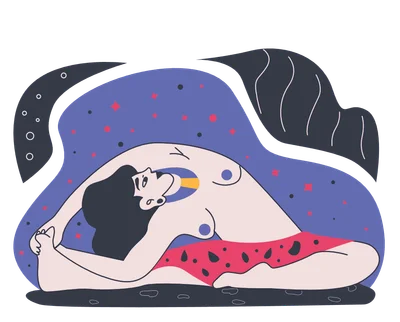
Category: Side Bends
Side Bends are asanas in which you gently stretch muscles and joints. They promote suppleness and mobility. Breathing in Side Bends has a relaxing effect: you supply your muscles with oxygen and release tension.
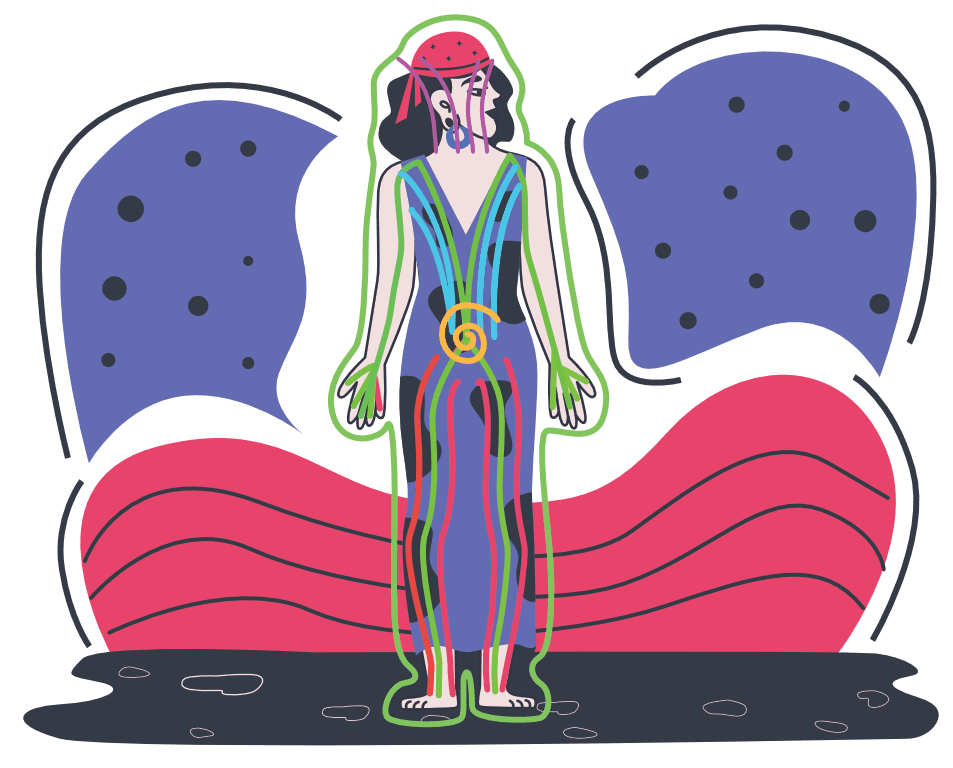
VAYUS
Each of the five Prana Vayus plays an essential role in our body and mind. They move and direct energy in specific directions, each with its own special area of influence and function. Revolved Head-to-Knee Pose has its own unique effects on these vayus.
Apana Vayu – The Grounding Force
▼
Embedded in the groin area, Apana Vayu is the administrator of our elimination and cleansing processes. In Parivrtta Janu Sirsasana, the twisting of the upper body and the movement of the legs encourage the downward flow of Apana, help with letting go and ground us.
Samana Vayu – The Balancing Force
▼
At home in the center of our belly, Samana Vayu balances the incoming and outgoing energy. Parivrtta Janu Sirsasana, through the lateral extension and twist, stimulates Samana and helps strengthen and stabilize the center.
Prana Vayu – Expansion of Consciousness
▼
Prana Vayu, located in the heart area, steers the flow of energy inward and upward. Parivrtta Janu Sirsasana, through its chest-opening action, fosters the flow of Prana Vayu and helps awaken and expand the heart energy.
CHAKRAS
Swadhisthana Chakra (Sacral Chakra)
▼
Svadhisthana, also known as the sacral chakra, is located in the area of the sacrum. Its function is connected with the element water, which represents flow and adaptability. Parivrtta Janu Sirsasana can help stimulate this chakra through its supple twisting and stretching movement, which increases the energetic flow and releases emotional blockages.
Manipura Chakra (Solar Plexus Chakra)
▼
The Manipura Chakra is located in the navel area and is connected with the fire element, which symbolizes power and transformation. Parivrtta Janu Sirsasana, through its twisting movement and the engagement of the abdominal musculature, can help activate the Manipura Chakra, which improves self-confidence and the ability to transform energy into action.
Vishuddha Chakra (Throat Chakra)
▼
The Vishuddha Chakra, also called the throat chakra, is located in the throat region. It is connected with the ether element and symbolizes communication and expression. Parivrtta Janu Sirsasana, through the opening of the throat area, can help stimulate the Vishuddha Chakra, which improves the ability for verbal communication and self-expression.
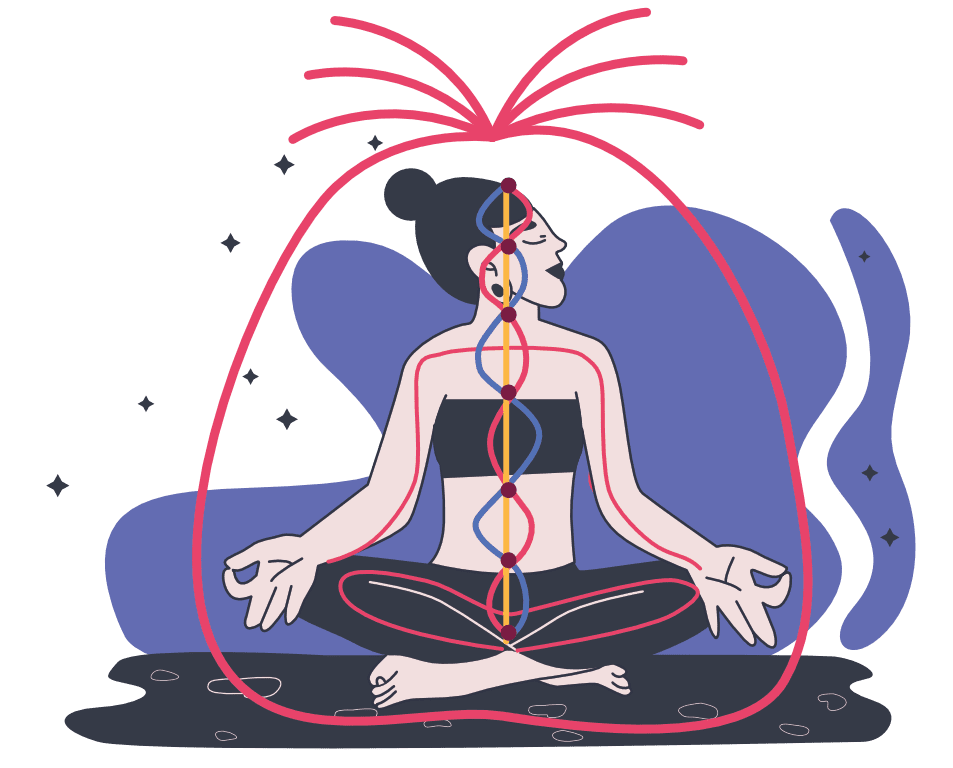
KOSHAS
Annamaya Kosha (Physical Body)
▼
Annamaya Kosha is the outer sheath, which represents the physical body. Parivrtta Janu Sirsasana has a positive effect on this layer by strengthening and stretching the musculature of the entire body, improving posture and fostering flexibility.
Pranamaya Kosha (Energy Body)
▼
Pranamaya Kosha denotes the energy body and is connected with breathing and the distribution of energy. Through the deep breathing in Parivrtta Janu Sirsasana, prana, the life energy, is distributed, which leads to a feeling of freshness and vitality.
Manomaya Kosha (Mental Body)
▼
Manomaya Kosha is the mental sheath connected with our thoughts and emotions. Parivrtta Janu Sirsasana can help calm the mind and release emotional blockages.
Vijnanamaya Kosha (Intellectual Body)
▼
Vijnanamaya Kosha represents the intellectual or wise body. By performing Parivrtta Janu Sirsasana, the awareness of your own body and the breath movement can strengthen this sheath, which leads to increased mindfulness and clarity.
Anandamaya Kosha (Spiritual Body)
▼
Anandamaya Kosha is the deepest sheath, connected with joy and universal love. Parivrtta Janu Sirsasana can lead to a feeling of joy and fulfillment through the physical challenge and the connection with the inner self.

DOSHAS
Vata
▼
Vata stands for movement and change. Parivrtta Janu Sirsasana helps calm and ground Vata, as the twisted posture fosters inner calm and soothes the nerves. This can be especially helpful when you feel restless or anxious, as this asana helps you center yourself and calm your mind.
Pitta
▼
Pitta represents fire and transformation. Parivrtta Janu Sirsasana can help balance Pitta, as the extended and open position helps dissipate heat and cool body and mind. This is especially beneficial when you feel overheated or irritated, as this asana helps you dissipate this heat and clear your thoughts.
Kapha
▼
Kapha stands for stability and endurance. Parivrtta Janu Sirsasana can increase Kapha, as the effort and engagement required for this position enliven and strengthen body and mind. This can be especially useful when you feel lethargic or sluggish, as this asana can help you build energy and endurance.

Key Information for Correct Execution
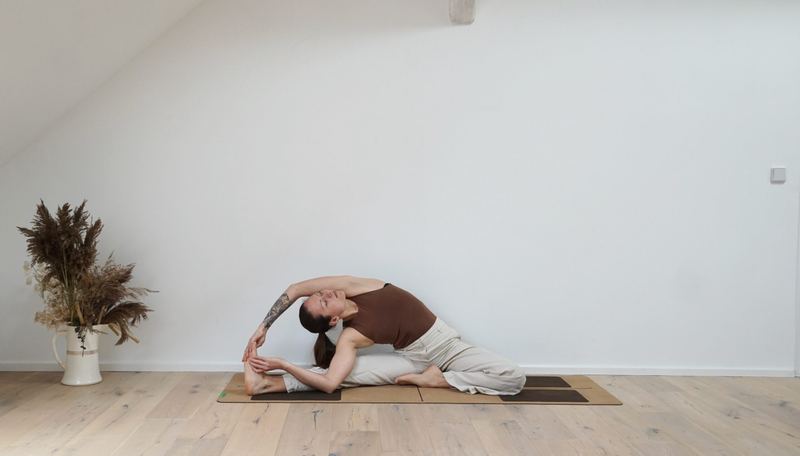
Meet Geraldine, a certified yoga teacher and psychology student who emphasizes mindfulness and alignment to inspire people toward a more peaceful life.
Common Mistakes
Common mistakes in this pose are the upper body collapsing forward and the buttocks lifting off the floor.
Our Tip
A tip for improving the pose is to focus on expanding the flanks wide and staying as long as possible in the upper body. The goal of this posture is not necessarily to bring both hands to the foot, but to feel and enjoy the lateral stretch. Breathe consciously and take care to maintain a stable base through the anchored leg.
Variations
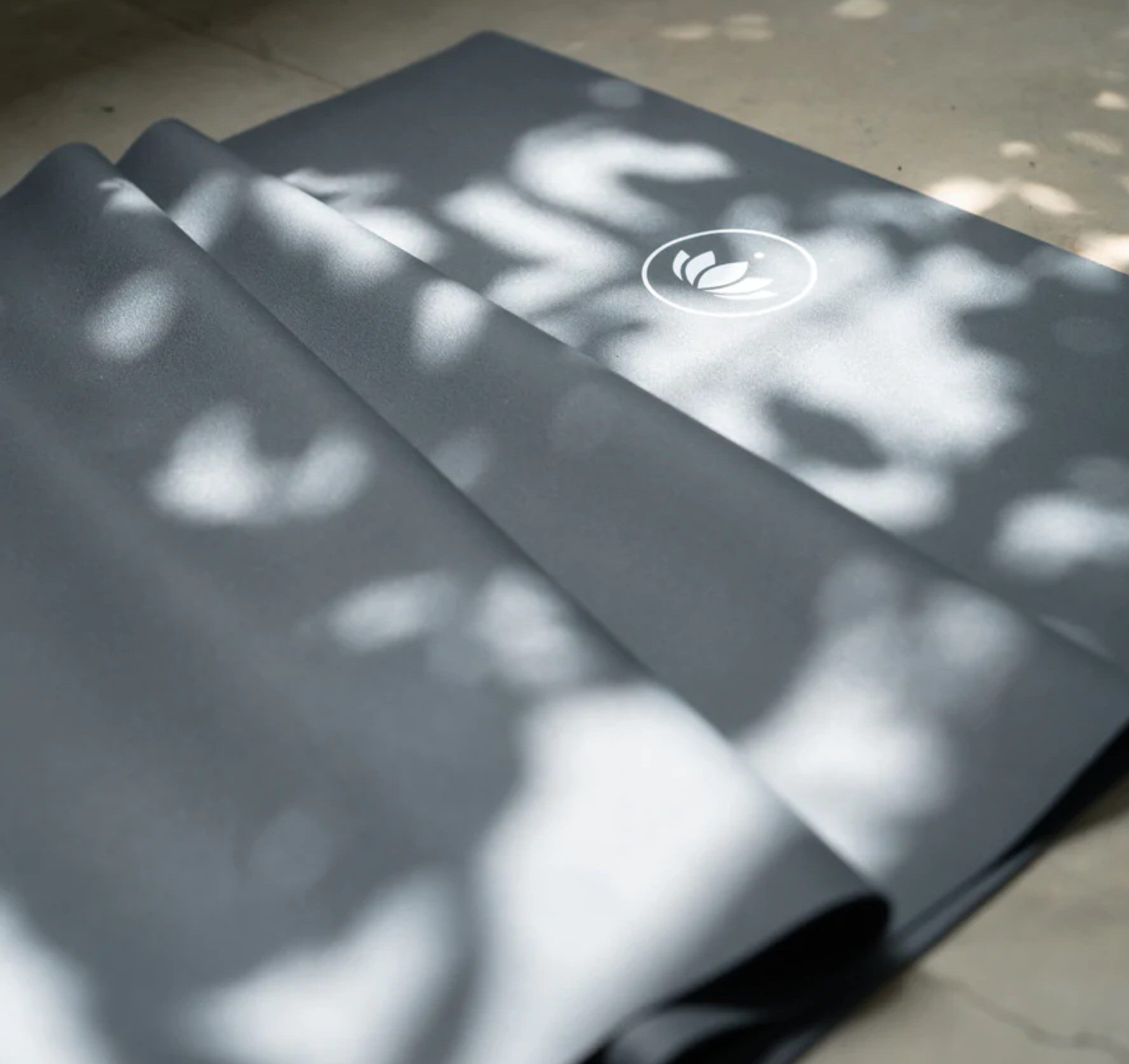
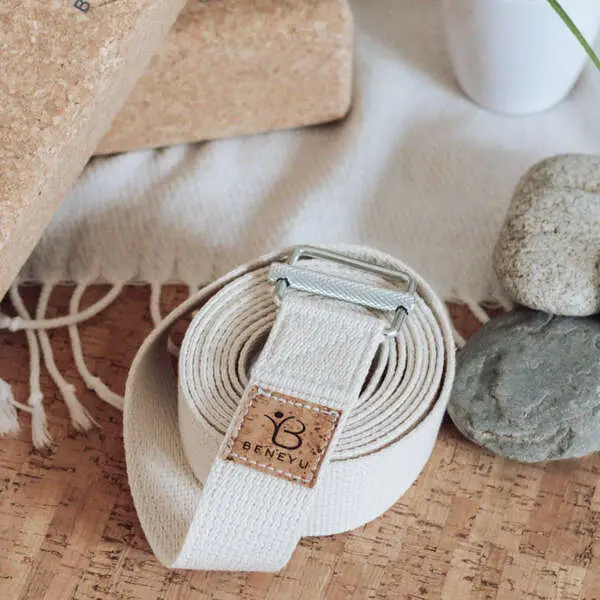
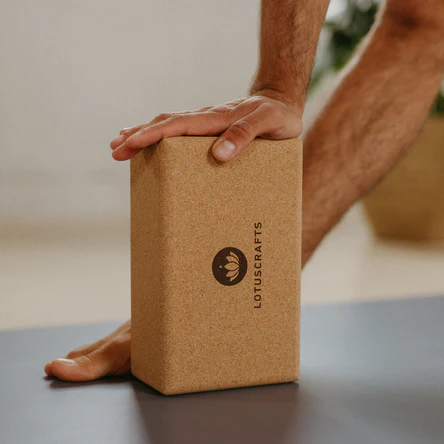
You can use a strap around the foot or place a block or a blanket under your forearm to provide support.
Physical Effect
Digestion-Promoting
The twisting aspect of the pose has a positive effect on the internal organs, especially the digestive organs. Through the twist, the digestive system is massaged, which improves the function of the liver, the pancreas and bowel activity. This can help ease digestive complaints such as constipation or bloating.
Spinal Revitalization
This asana is an excellent twisting and side-bending exercise that mobilizes the spine from the base to the throat area. The movement works like a gentle massage for the spinal musculature and the nervous system, which improves blood circulation and supports the health of the intervertebral discs. This can be especially helpful if you spend a lot of time sitting or have back problems.
Hip Joint Flexibility
Parivrtta Janu Sirsasana works intensively on the hip opening. It stretches the musculature of the hip joint, especially the adductors and the hip flexors. This stretch can help improve mobility and ease problems such as hip stiffness or hip arthritis.
Effects on Psyche and Emotions
Stillness in the Storm
While you rest in Parivrtta Janu Sirsasana, you find stability in the challenge and learn to find calm in the middle of the storm.
Heart Opening
The twisting movement in Parivrtta Janu Sirsasana literally opens your heart. This physical action can foster emotional opening.
Awakening Heroism
Staying in Parivrtta Janu Sirsasana requires courage and perseverance. When we face this challenge and expand our limits, we learn to show courage in other aspects of our life. Maybe you feel trapped in a situation and are afraid to make a change. The asana reminds you that you have what it takes to make bold decisions.
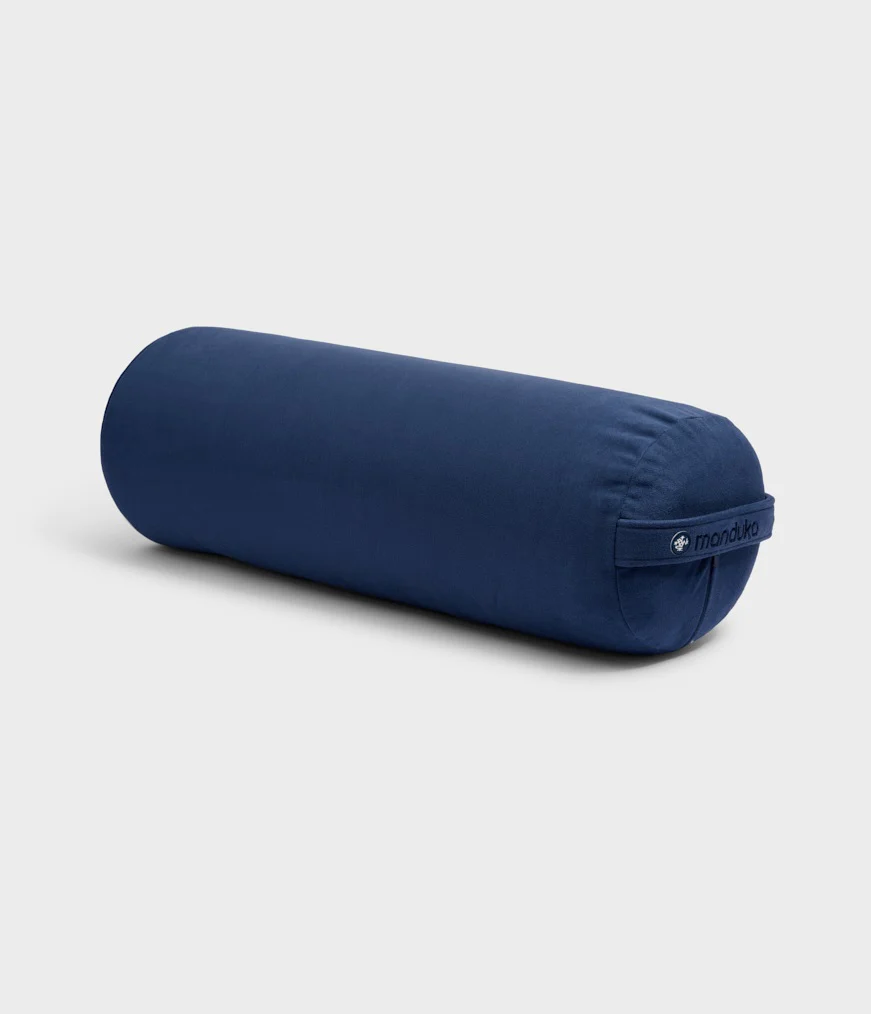
Props
Also interesting!
Author of this Asana

Manish Rana is a certified yoga teacher and founder of asanaverse.de. He writes about topics around yoga, ayurveda and meditation. Manish owes his deep connection to yoga to his Indian roots, through which he came into contact with this practice early on.
Learn more about our team here →DISCOVER MORE
More Side Bends
Get our free ebook with 108 asanas now!
With great care and passion, we have selected and described 108 of the most important asanas for you in detail!
Perfect for your practice and cues ;)
Thank you for being here!
Thank you for being here and being part of this ever-evolving platform! We strive to keep growing and improving.
Your feedback is invaluable. Namasté 🙏
Comments feature coming soon. 💬
Guide
Browse our guide now
Accessible Yoga Mobility: Chair Yoga and Inclusive Asanas for All Bodies
Ahimsa – Gewaltlosigkeit als Fundament des Yoga und Lebens
Yoga Sutras zusammengefasst – Kapitel 2 (Sadhana Pada): Pfad der Praxis
Meditation bei Überforderung und Angststörung: Achtsam bleiben in turbulenten Zeiten
12 Wege, das Sitzen in der Meditation zu erleichtern — Stabiler sitzen, tiefer meditieren
Brahmacharya: Quelle des Lebens für mehr Lebenskraft und Vitalität