Sury Yantrasana
Compass Pose
Orient yourself with us into the infinite expanses of our Surya Yantrasana Uncovered. Like a compass pointing the way through the urban labyrinth, this sundial pose brings orientation and wisdom into your urban life.
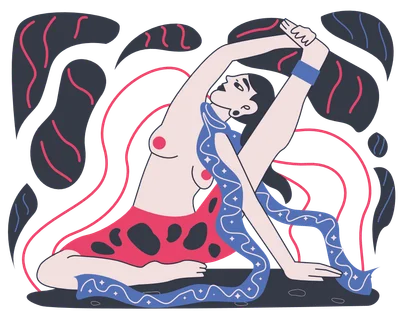
Category: Side Bends
Side Bends are asanas in which you gently stretch muscles and joints. They promote suppleness and mobility. Breathing in Side Bends has a relaxing effect: you supply your muscles with oxygen and release tension.
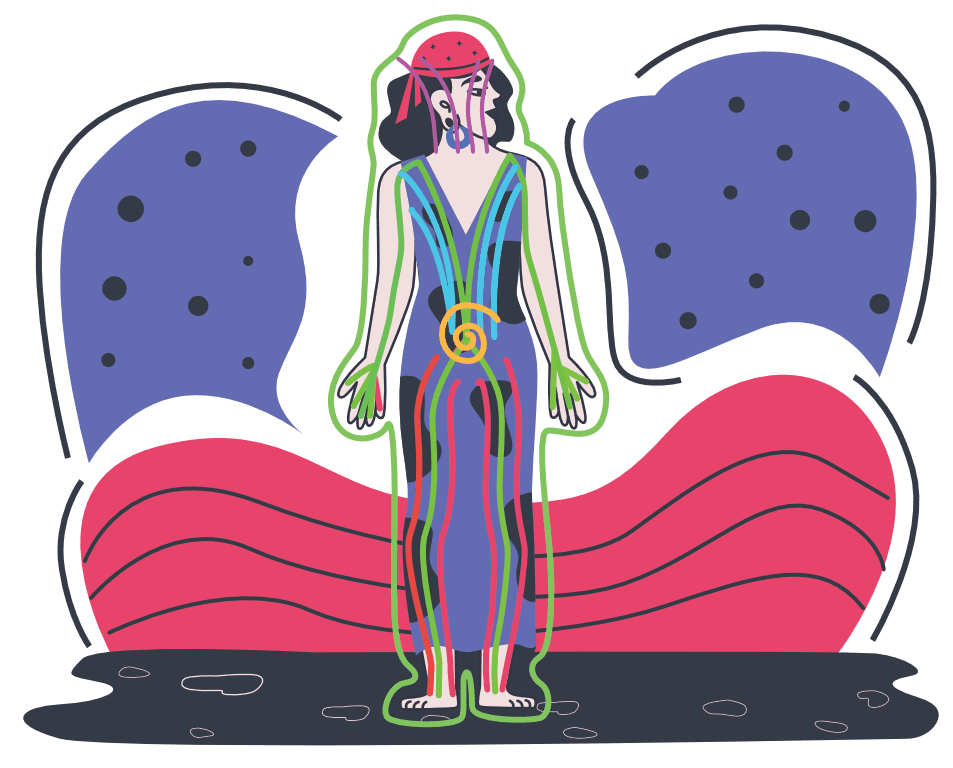
VAYUS
Each of the five Prana Vayus plays an essential role in our body and mind. They move and direct energy in specific directions, each with its own special area of influence and function. Compass Pose has its own unique effects on these vayus.
Samana Vayu – The Balancing Force
▼
The practice of Surya Yantrasana requires and fosters a balance between strength and flexibility. This is where Samana Vayu comes into play, which works in the center of the body and provides balance. This can help both on a physical level to find the balance in the asana, and on an emotional level, by helping to balance our moods.
Udana Vayu – The Ascending Energy
▼
Although Surya Yantrasana grounds us, it is also an asana that allows us to open and expand, and therefore influences Udana Vayu, the upward-directed energy. This can help increase self-confidence and the power of self-expression, which can be especially useful in yoga therapy for people with low self-worth or difficulties in the area of self-assertion.
Vyana Vayu – Expansion and Opening
▼
Surya Yantrasana encourages us to expand in all directions – forward, back and to the sides. This addresses Vyana Vayu, the expanding energy that works everywhere in the body. This asana can foster and support integration and connection on all levels – physical, energetic and mental.
CHAKRAS
Manipura Chakra (Solar Plexus Chakra)
▼
The Manipura Chakra, located in the navel area, represents the element fire and is responsible for digestion and transformation. It is about willpower, self-worth and self-confidence. Surya Yantrasana, with its opening and expansion, can stimulate this chakra and thus help strengthen these qualities. A fitting affirmation could be: “I radiate strength and courage.” In practice, this could mean that a student struggling with self-doubt could gain more self-confidence through the regular practice of this asana.
Swadhisthana Chakra (Sacral Chakra)
▼
The Swadhisthana Chakra, located in the sacral area, is connected with the element water and regulates our emotions, sexuality and creativity. Surya Yantrasana, with its flowing and opening movement, can activate this chakra and thus foster the emotional flow and the creative energy.
Muladhara Chakra (Root Chakra)
▼
The Muladhara Chakra, located at the lower end of the spine, is connected with the element earth and our physical existence, survival and grounding. Surya Yantrasana, with its strong connection to the floor, can strengthen this chakra and thus contribute to a feeling of stability and safety.
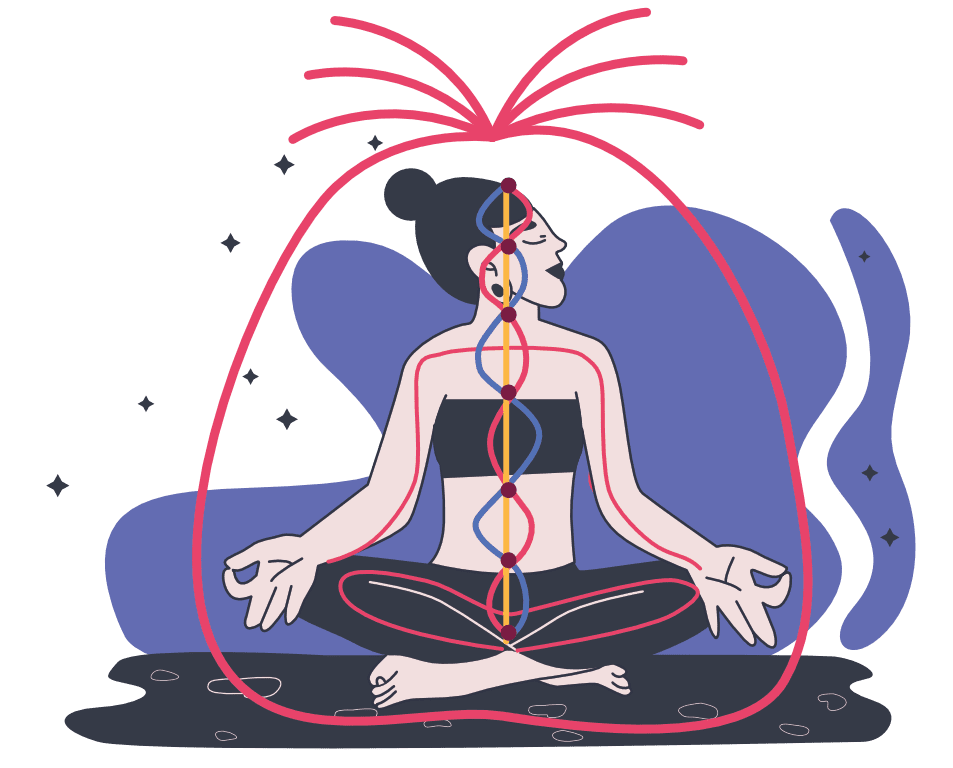
KOSHAS
Annamaya Kosha (Physical Body)
▼
Annamaya Kosha is the sheath of the physical body, the vessel in which we live. Through practicing Surya Yantrasana, we can increase the flexibility and strength of our physical body. This asana targets the stretching of the hip flexors, thighs and the lower back, which can lead to an improved posture and pain relief.
Pranamaya Kosha (Energy Body)
▼
Pranamaya Kosha is the energetic sheath that permeates and enlivens our physical body. Surya Yantrasana can help improve the flow of energy in this kosha. Through the deep hip opening and the extension of the spine, prana, the life force, is better distributed, which can lead to a feeling of vitality and well-being.
Manomaya Kosha (Mental Body)
▼
Manomaya Kosha is the level of the mind and the emotions. Through practicing Surya Yantrasana, we can become aware of a meditative stillness that helps calm the mind and release emotional blockages. This asana can help foster a feeling of calm and serenity.
Vijnanamaya Kosha (Intellectual Body)
▼
Vijnanamaya Kosha is the level of deep wisdom and intuition. Surya Yantrasana, by helping us deepen our awareness, can give us access to this level of wisdom and understanding. It can help attain a deeper awareness and a greater insight into our body and our mind.
Anandamaya Kosha (Spiritual Body)
▼
Anandamaya Kosha is the sheath of bliss, the deepest level of our being. Through practicing Surya Yantrasana, we can reach a state of deep relaxation and joy that gives us access to this sheath of bliss.

DOSHAS
Vata
▼
Surya Yantrasana can increase the Vata dosha, as the pose requires a deep stretch and flexibility, which stimulates the movement energy of Vata. The demanding nature of this pose fosters mental alertness and creativity, the typical Vata qualities. While this asana has a stimulating and enlivening effect, it should be practiced with care with an already high Vata level to avoid overstimulation.
Pitta
▼
Surya Yantrasana can increase the Pitta dosha, as the intense stretch and the focus on the hip opening stimulate the inner fire and the metabolism. The pose fosters concentration and determination, which can intensify the fiery qualities of Pitta. This asana can help increase determination and inner drive, but should be practiced carefully with an excess of Pitta to avoid overheating.
Kapha
▼
Surya Yantrasana can help reduce the Kapha dosha. This dosha is connected with earth and water and can lead to sluggishness and inactivity. The activating and energizing aspects of Surya Yantrasana can help balance the Kapha dosha. For someone who has difficulty motivating themselves or often feels sluggish, this asana could be a welcome energy boost.

Key Information for Correct Execution
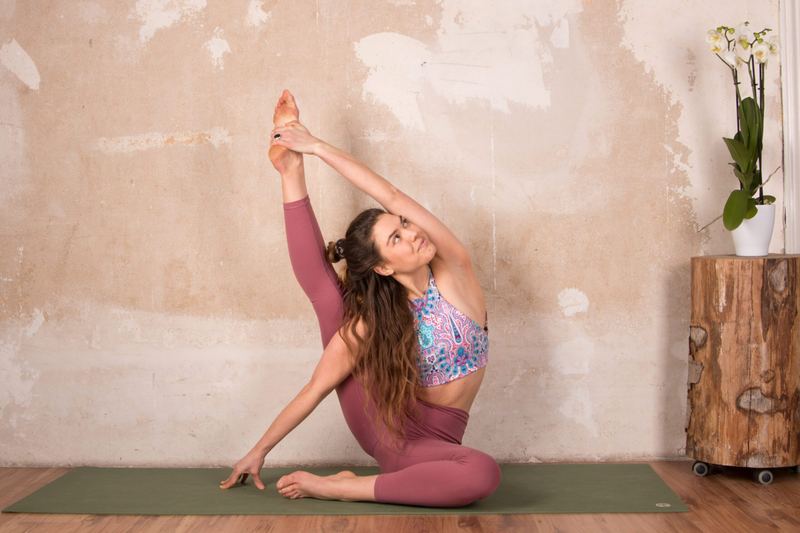
Meet Geraldine, a certified yoga teacher and psychology student who emphasizes mindfulness and alignment to inspire people toward a more peaceful life.
Common Mistakes
A common mistake in this pose is that the lower hand is not placed far enough outward. Make sure you press the hand powerfully into the mat and stabilize the leg position.
Our Tip
A tip for the compass pose is to be patient with yourself and first approach the pose with a strap. It is also important to warm up the inner legs well, for example with lighter side bends such as the side angle or the triangle.
Variations
• If it is difficult for you to grip your foot, you can use a strap as an aid and loop it over the upper foot to draw it closer to you. • A more advanced variation is to flex the upper foot and grip the outer edge of the left foot to make the lateral stretch more intense.
Physical Effect
Lean Strength
Surya Yantrasana strengthens and tones the whole body, especially the musculature of the legs, hips and torso. The activation of the muscles in legs and hips can improve the musculature of the quadriceps, hip flexors and gluteal muscles, which enables an improved posture and mobility.
Supple Flow
The stretching of the hip joints and the opening of the ribcage can help improve circulation in these areas. An improved circulation can help release tension and stiffness in the fascia and musculature of these regions, whereby an improved freedom of movement and flexibility is attained.
Core Stabilization
The activation and strengthening of the core musculature is an important aspect of Surya Yantrasana. Through the activation of the deep abdominal musculature, especially the transversus abdominis, this asana can improve the stability of the spine, which can lead to a better posture and a reduced strain on the lower back.
Effects on Psyche and Emotions
Sunny Determination
Surya Yantrasana fosters determination and focus. The breath is brought in harmony with the movement, which contributes to the calming of the mind. This can be especially helpful when you feel scattered or overwhelmed and need a clear head and an open heart to master challenges.
Warmth of Heart
The hip opening in Surya Yantrasana can release deep-seated emotions. The hips are often seen as a storage place for emotional blockages, so this asana can help bring hidden or suppressed feelings to light.
Light in Darkness
Surya Yantrasana, also called the sunbeam asana, brings light and warmth into the body and mind. It can help dispel dark thoughts and negative energy, fostering a feeling of optimism and positivity.
Props
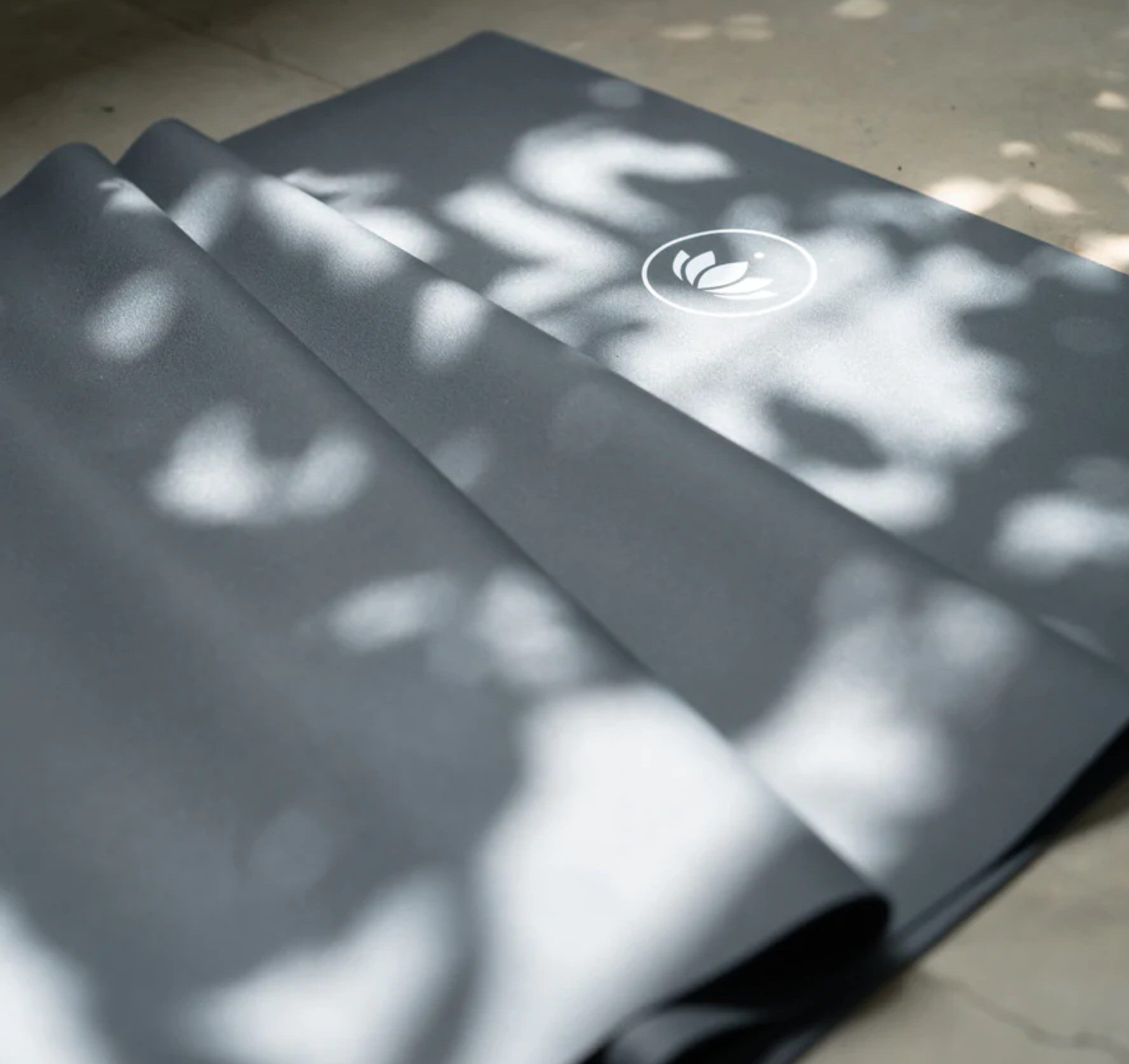

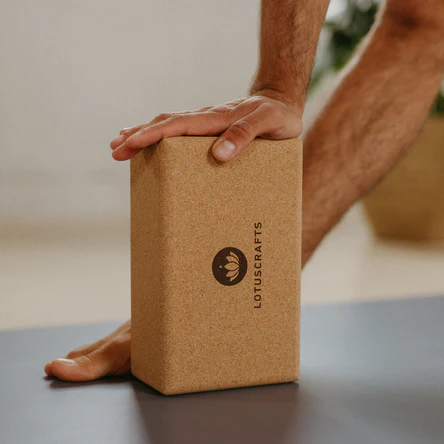
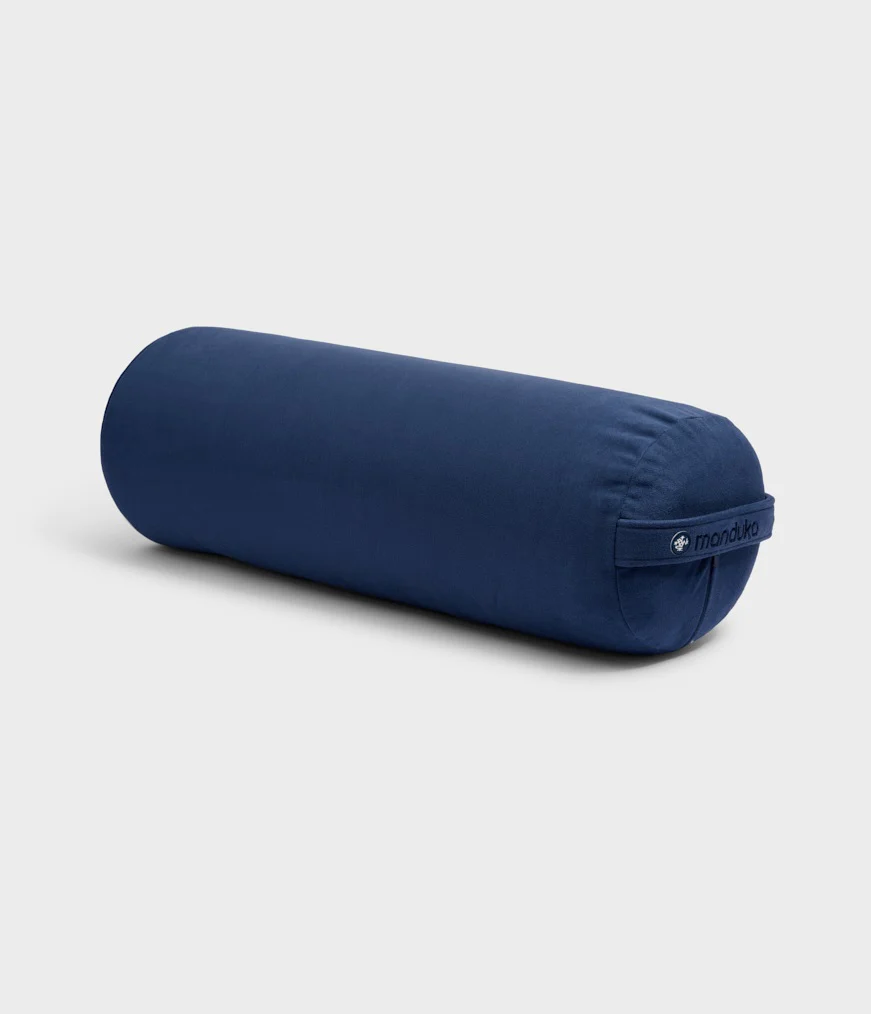
Also interesting!
Author of this Asana

Manish Rana is a certified yoga teacher and founder of asanaverse.de. He writes about topics around yoga, ayurveda and meditation. Manish owes his deep connection to yoga to his Indian roots, through which he came into contact with this practice early on.
Learn more about our team here →DISCOVER MORE
More Side Bends
Get our free ebook with 108 asanas now!
With great care and passion, we have selected and described 108 of the most important asanas for you in detail!
Perfect for your practice and cues ;)
Thank you for being here!
Thank you for being here and being part of this ever-evolving platform! We strive to keep growing and improving.
Your feedback is invaluable. Namasté 🙏
Comments feature coming soon. 💬
Guide
Browse our guide now
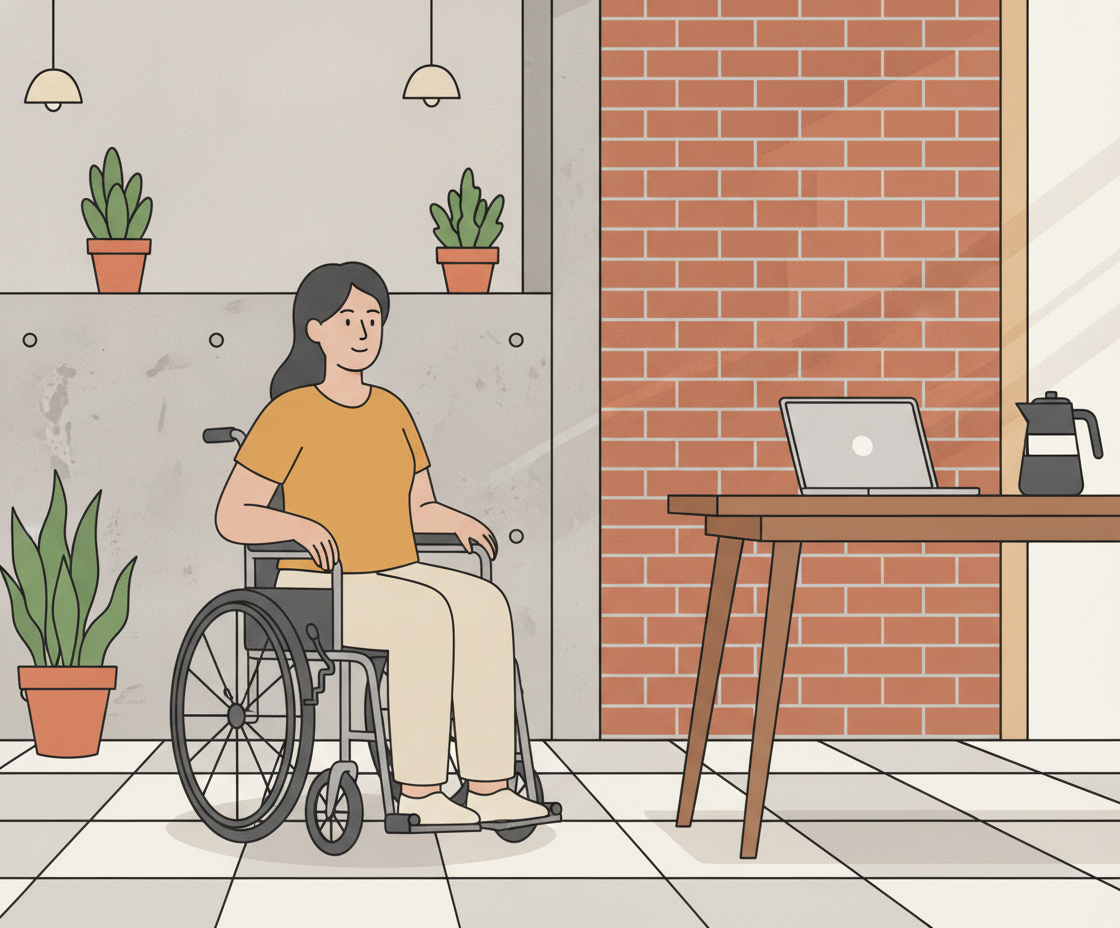
Accessible Yoga Mobility: Chair Yoga and Inclusive Asanas for All Bodies
Ahimsa – Gewaltlosigkeit als Fundament des Yoga und Lebens
Yoga Sutras zusammengefasst – Kapitel 2 (Sadhana Pada): Pfad der Praxis
Meditation bei Überforderung und Angststörung: Achtsam bleiben in turbulenten Zeiten
12 Wege, das Sitzen in der Meditation zu erleichtern — Stabiler sitzen, tiefer meditieren
Brahmacharya: Quelle des Lebens für mehr Lebenskraft und Vitalität