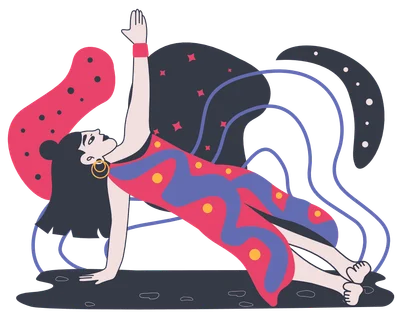
Vasisthasana
Side Plank Pose
Climb with us to the summit of our Vasisthasana Uncovered. Like a lone sage meditating on a summit amid the urban noise, this side plank brings balance and insight into your urban existence.
Category: Side Bends
Side Bends are asanas in which you gently stretch muscles and joints. They promote suppleness and mobility. Breathing in Side Bends has a relaxing effect: you supply your muscles with oxygen and release tension.
VAYUS
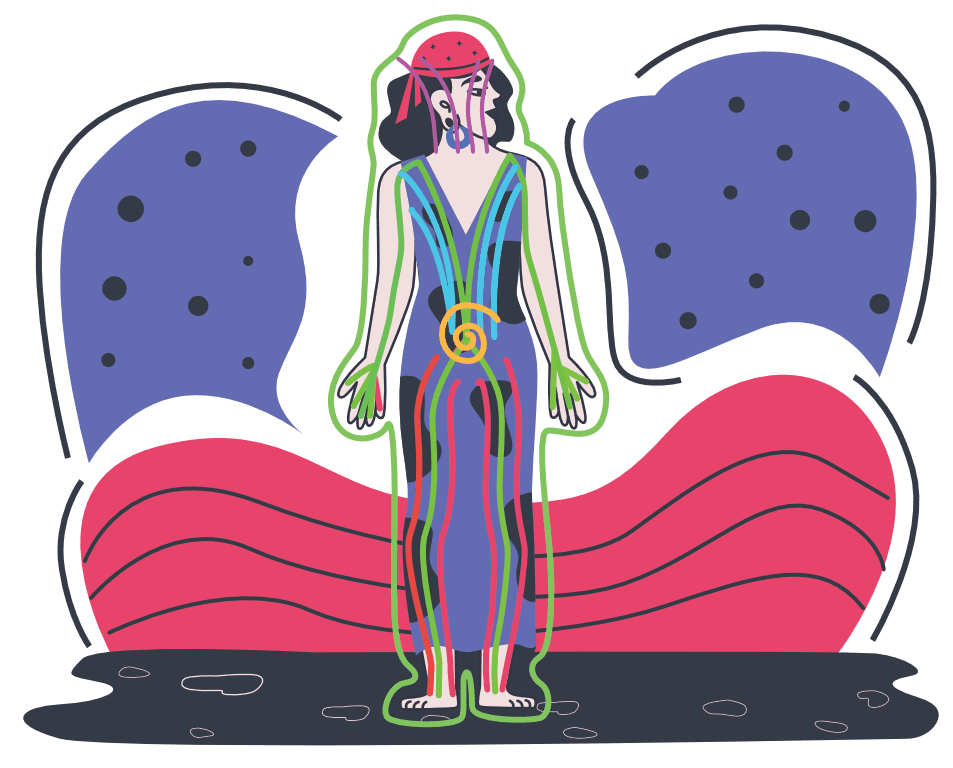
Each of the five Prana Vayus plays an essential role in our body and mind. They move and direct energy in specific directions, each with its own special area of influence and function. Side Plank Pose has its own unique effects on these vayus.
Samana Vayu – The Balancing Force
▼
This is the realm of Samana Vayu, located in the solar plexus. Vasisthasana activates this center of balance and harmony, which helps us feel more balanced and centered. If you feel that your life has gotten out of balance, Vasisthasana could help bring you back into balance.
Vyana Vayu – Expansion and Opening
▼
This is how Vyana Vayu works, it spreads our energy throughout the whole body. Vasisthasana, with its lateral opening and expansion, supports this vayu. If you feel energetically sluggish or limited, Vasisthasana could help you let your energy flow again.
Udana Vayu – The Ascending Energy
▼
This is Udana Vayu at work, it directs the upward-directed energy. Vasisthasana, through its verticality, fosters Udana Vayu, which helps us feel clearer and more focused. If you feel distracted or confused, Vasisthasana could support you in clearing your thoughts.
CHAKRAS
Manipura Chakra (Solar Plexus Chakra)
▼
In Vasisthasana, the Manipura Chakra, located in the solar plexus area, is strongly activated. This asana challenges and strengthens the center of power, self-confidence and willpower. Through the holding of balance and the strength needed in this pose, the inner fire (Agni) in the Manipura Chakra is kindled. This pose helps increase self-confidence and activate the inner strength.
Anahata Chakra (Heart Chakra)
▼
The position of the arms in Vasisthasana opens and stretches the ribcage, which activates the Anahata Chakra. This heart chakra, the center of love and compassion, is strengthened through the posture by fostering the heart opening and the emotional expansion. The asana helps open the heart and strengthen the ability to love and feel compassion.
Swadhisthana Chakra (Sacral Chakra)
▼
Vasisthasana also activates the Swadhisthana Chakra, located in the lower abdominal area and the center of creativity, sexuality and emotional fluidity. The lateral stability and balance in this pose foster the energies of the sacral chakra, which supports creativity and emotional expressiveness. This asana helps kindle creativity and strengthen the emotional balance.
KOSHAS
Annamaya Kosha (Physical Body)
▼
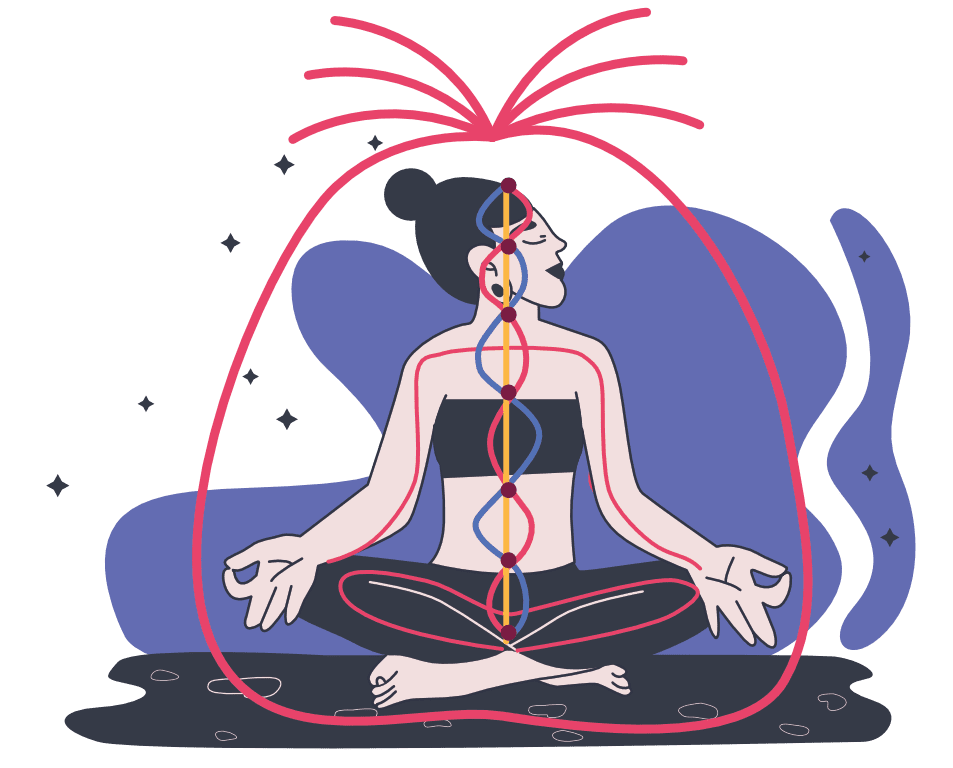
Annamaya Kosha is the physical sheath, made of the elements of the earth. Vasisthasana fosters the strengthening and flexibility of your musculature, especially the arm, abdominal and leg musculature. If one day you feel heavy and sluggish, practice Vasisthasana and you will notice how your physical body is energized and refreshed.
Pranamaya Kosha (Energy Body)
▼
Pranamaya Kosha is the sheath of our life energy that streams through the subtle energy channels. Vasisthasana works directly on prana by opening the airways and improving the flow of breath. With nervous restlessness or stressful situations, this asana can help you ground yourself and come back into balance.
Manomaya Kosha (Mental Body)
▼
The Manomaya Kosha is the mental sheath, connected with our thoughts and emotions. Vasisthasana improves the balance and concentration and can help calm the mind. If you feel overwhelmed or distracted, performing Vasisthasana can help center and clear your mind.
Vijnanamaya Kosha (Intellectual Body)
▼
Vijnanamaya Kosha is the wisdom layer, connected with our deeper awareness. Vasisthasana requires a deep inner attention and fosters self-perception. If you face a difficult decision, this asana can help you look deep within yourself and find clarity.
Anandamaya Kosha (Spiritual Body)
▼
Anandamaya Kosha is the sheath of joy and happiness. The asana can evoke a feeling of joy and contentment, especially when it has been fully mastered.

DOSHAS
Vata
▼
Vasisthasana can increase the Vata dosha, as the pose requires movement and balance, which stimulates mental alertness and flexibility. This asana fosters dynamic stability and can strengthen the feeling of lightness and mobility. It is a stimulating pose that fosters the Vata qualities such as creativity and liveliness, but should be practiced with care with a high Vata level.
Pitta
▼
Vasisthasana can increase the Pitta dosha, as the pose stimulates the inner heat and the metabolism. The powerful nature of the asana fosters determination and focus, which can intensify the inner fire and the energy. If you feel cold or sluggish, Vasisthasana can help rekindle your inner fire, but should be practiced with care to avoid overheating.
Kapha
▼
Vasisthasana is excellent for reducing the Kapha dosha, as the pose energizes the body and overcomes sluggishness. The demanding nature of this asana fosters circulation and activates the musculature, which helps break down heaviness and lethargy. If you feel sluggish or unmotivated, Vasisthasana can help increase your energy and balance Kapha.

Key Information for Correct Execution
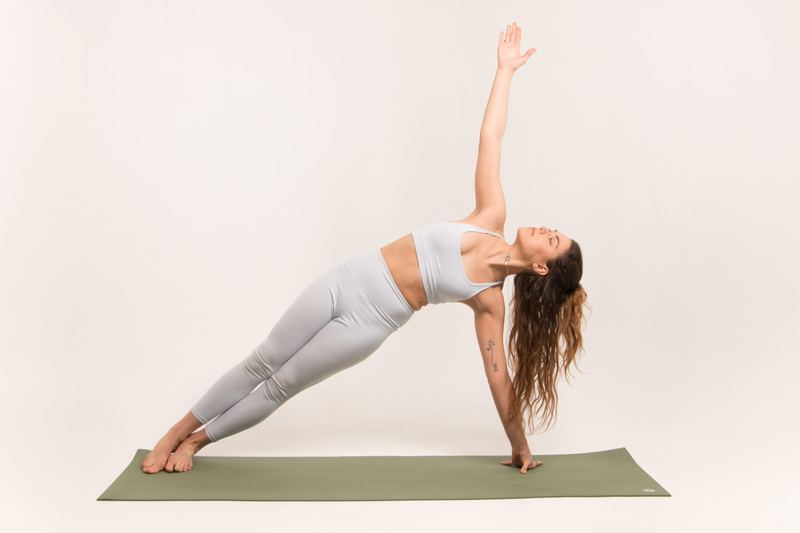
Meet Geraldine, a certified yoga teacher and psychology student who emphasizes mindfulness and alignment to inspire people toward a more peaceful life.
Common Mistakes
A common mistake in this pose is not maintaining the full-body tension and not aligning the lower wrist directly under the shoulder. Make sure you actively press your thighs together and that your lower hand is placed exactly under the shoulder.
Our Tip
A tip for Vasisthasana is to actively press the thighs together and pay special attention that the lower hand is placed directly under the shoulder. At the beginning, you can also practice with the somewhat gentler variations of the pose.
Variations
Variation: Practice with your foot placed at a 90-degree angle in front of you for a less intense variation. An advanced variation is the tree variation with the foot on the inner side of the thigh. To additionally intensify the side bend, you can also extend the arm over the head.
Physical Effect
Stability Anchor
Vasisthasana strengthens the arms, wrists and shoulders, which fosters the stability and strength in the upper body. The activation of the serratus anterior, the deltoid and the biceps brachii during this asana contributes to the formation of stronger and more stable joints.
Abdominal Trainer
This asana is a real abdominal-muscle trainer! It specifically targets the lateral abdominal muscles (the so-called obliquus externus abdominis), which leads to the formation of a strong, supporting core musculature. If you are looking for a workout that strengthens your core and at the same time fosters your balance, then Vasisthasana is exactly the right thing for you!
Leg Strengthener
Not to be forgotten are the legs! Vasisthasana trains the adductors and abductors, which leads to stronger and firmer thighs. At the same time, the asana fosters the flexibility and the circulation in the legs, which is especially important if you spend a lot of time sitting or feel that your legs need more love and attention.
Effects on Psyche and Emotions
Balance Magic
Vasisthasana fosters an inner balance that also affects our emotions and our mental well-being. If you find yourself in an emotional storm, this asana can help find firm ground under your feet again.
Concentration Booster
Through the fostering of balance and the demand for concentration on the body and the breath, Vasisthasana can help improve the mental clarity.
Courage Giver
Vasisthasana is an asana that fosters courage and self-confidence. It challenges you to grow beyond yourself and overcome your fears. If you face a difficult decision or find yourself in a phase of change, practicing this asana can help you discover your inner strength and find the courage to take the next step.
Props
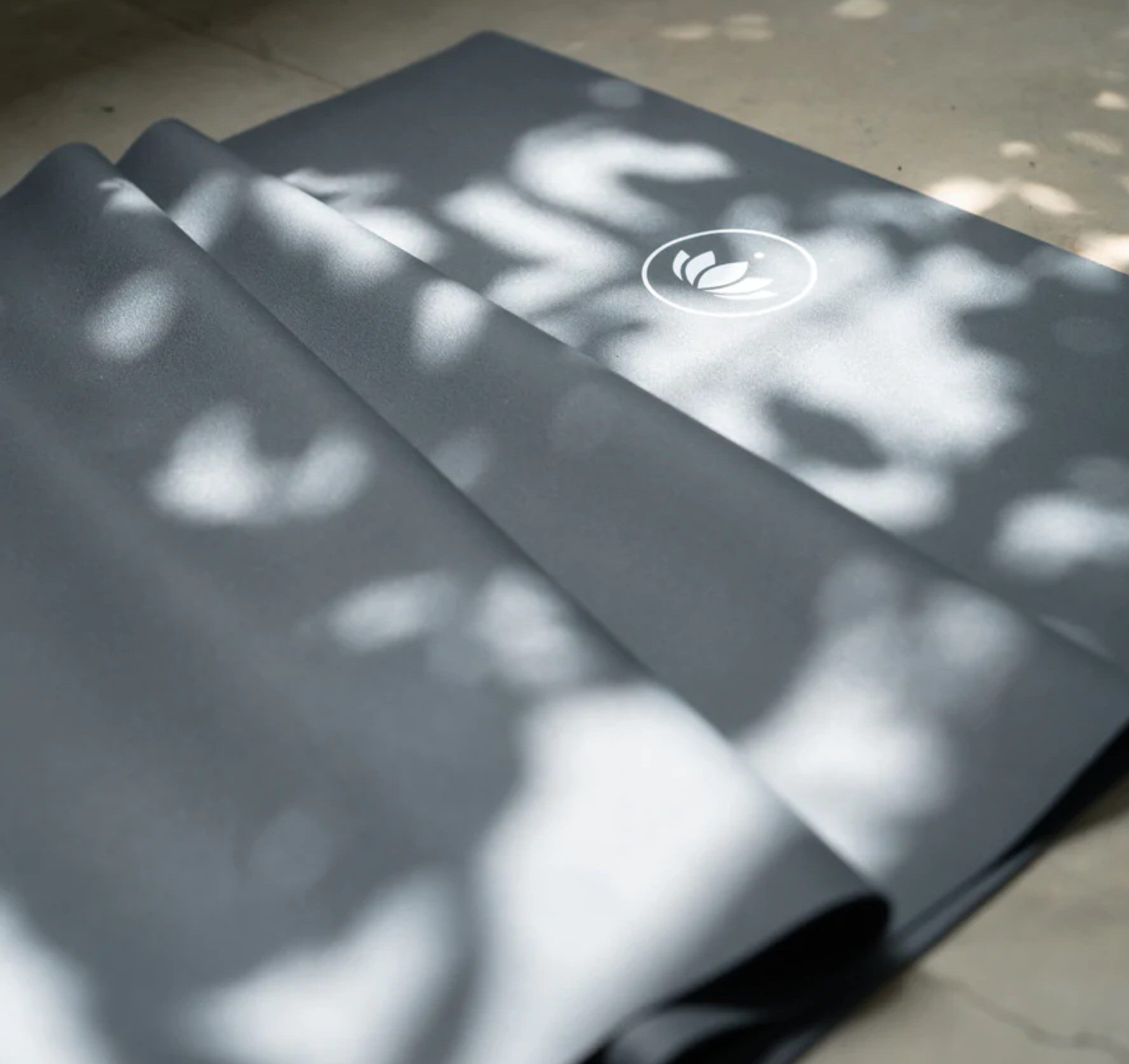
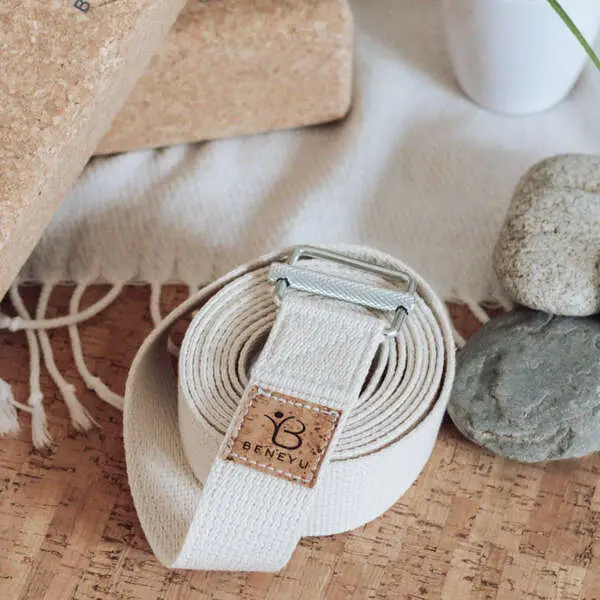
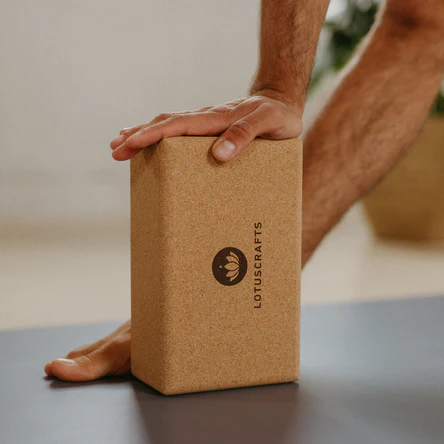
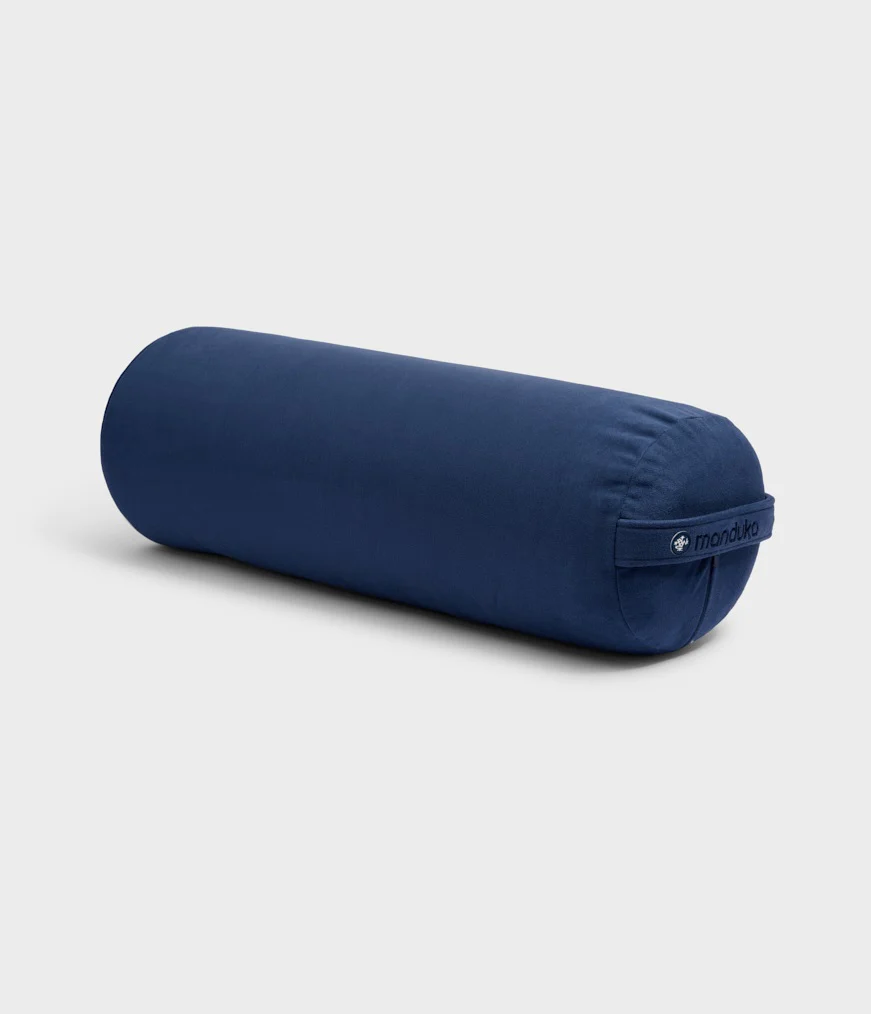
Also interesting!
Author of this Asana
Manish Rana is a certified yoga teacher and founder of asanaverse.de. He writes about topics around yoga, ayurveda and meditation. Manish owes his deep connection to yoga to his Indian roots, through which he came into contact with this practice early on.
Learn more about our team here →DISCOVER MORE
More Side Bends
Get our free ebook with 108 asanas now!
With great care and passion, we have selected and described 108 of the most important asanas for you in detail!
Perfect for your practice and cues ;)
Thank you for being here!
Thank you for being here and being part of this ever-evolving platform! We strive to keep growing and improving.
Your feedback is invaluable. Namasté 🙏
Comments feature coming soon. 💬
Guide
Browse our guide now
Accessible Yoga Mobility: Chair Yoga and Inclusive Asanas for All Bodies
Ahimsa – Gewaltlosigkeit als Fundament des Yoga und Lebens
Yoga Sutras zusammengefasst – Kapitel 2 (Sadhana Pada): Pfad der Praxis
Meditation bei Überforderung und Angststörung: Achtsam bleiben in turbulenten Zeiten
12 Wege, das Sitzen in der Meditation zu erleichtern — Stabiler sitzen, tiefer meditieren
Brahmacharya: Quelle des Lebens für mehr Lebenskraft und Vitalität