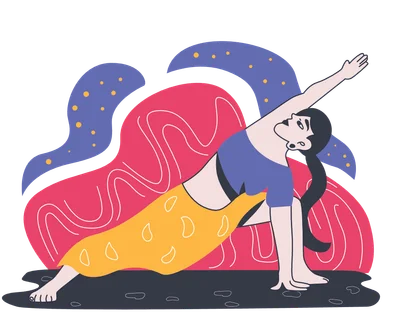
Utthita Parsvakonasana
Extended Side Angle Pose
Extend with us into the distant horizons of our Utthita Parsvakonasana Uncovered. Like a lighthouse steadfastly penetrating the urban coastline, this extended side angle posture brings expansion and determination into your urban life.
Category: Side Bends
Side Bends are asanas in which you gently stretch muscles and joints. They promote suppleness and mobility. Breathing in Side Bends has a relaxing effect: you supply your muscles with oxygen and release tension.
VAYUS
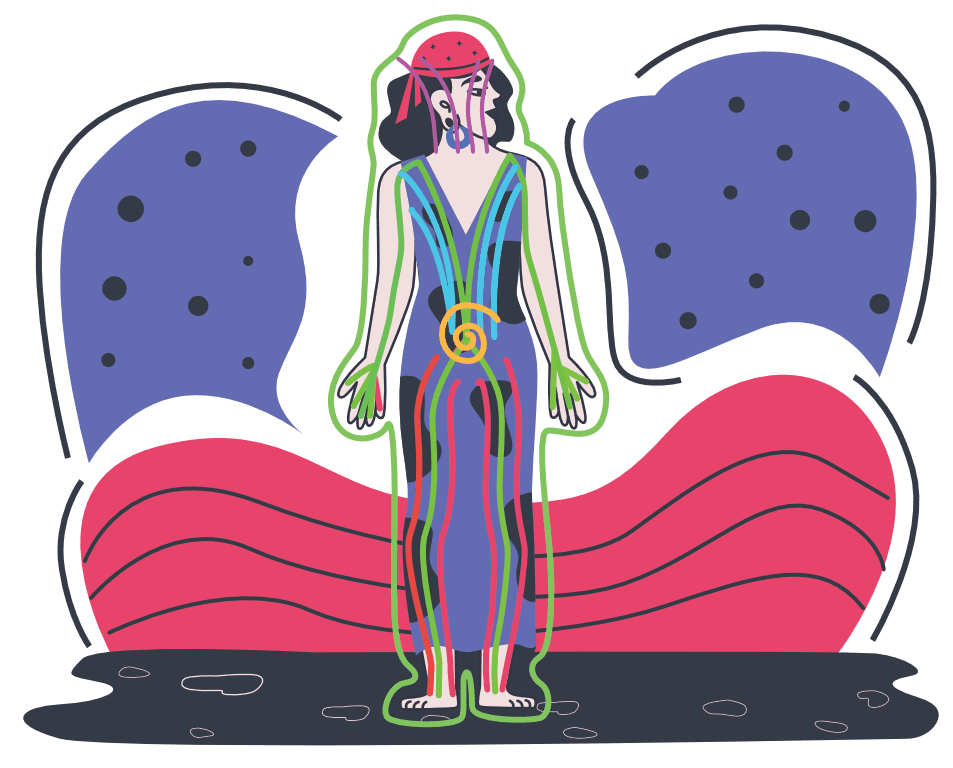
Each of the five Prana Vayus plays an essential role in our body and mind. They move and direct energy in specific directions, each with its own special area of influence and function. Extended Side Angle Pose has its own unique effects on these vayus.
Samana Vayu – The Balancing Force
▼
Now we float to the solar plexus, where Samana Vayu blows and regulates our digestive processes. With the deep side stretch in Utthita Parsvakonasana, this area is massaged, which improves the function of Samana Vayu. Through the harmonization of the digestive system, this asana can help ease complaints such as bloating or constipation.
Prana Vayu – Expansion of Consciousness
▼
Let us come to the chest region, where the wind of Prana Vayu blows and is responsible for the supply of oxygen and life energy. Through the opening of the ribcage in Utthita Parsvakonasana, this vayu is stimulated, which deepens the breathing and increases the oxygen supply. This asana can be helpful for people who often feel drained or low on energy.
Vyana Vayu – Expansion and Opening
▼
And finally to the entire body, where Vyana Vayu blows, the integrating wind that ensures that energy is distributed evenly throughout the whole body. Through the complex alignment and stretch in Utthita Parsvakonasana, Vyana Vayu is strengthened and harmonized, which leads to a feeling of wholeness and unity. This can be especially valuable for people who often feel unbalanced or scattered.
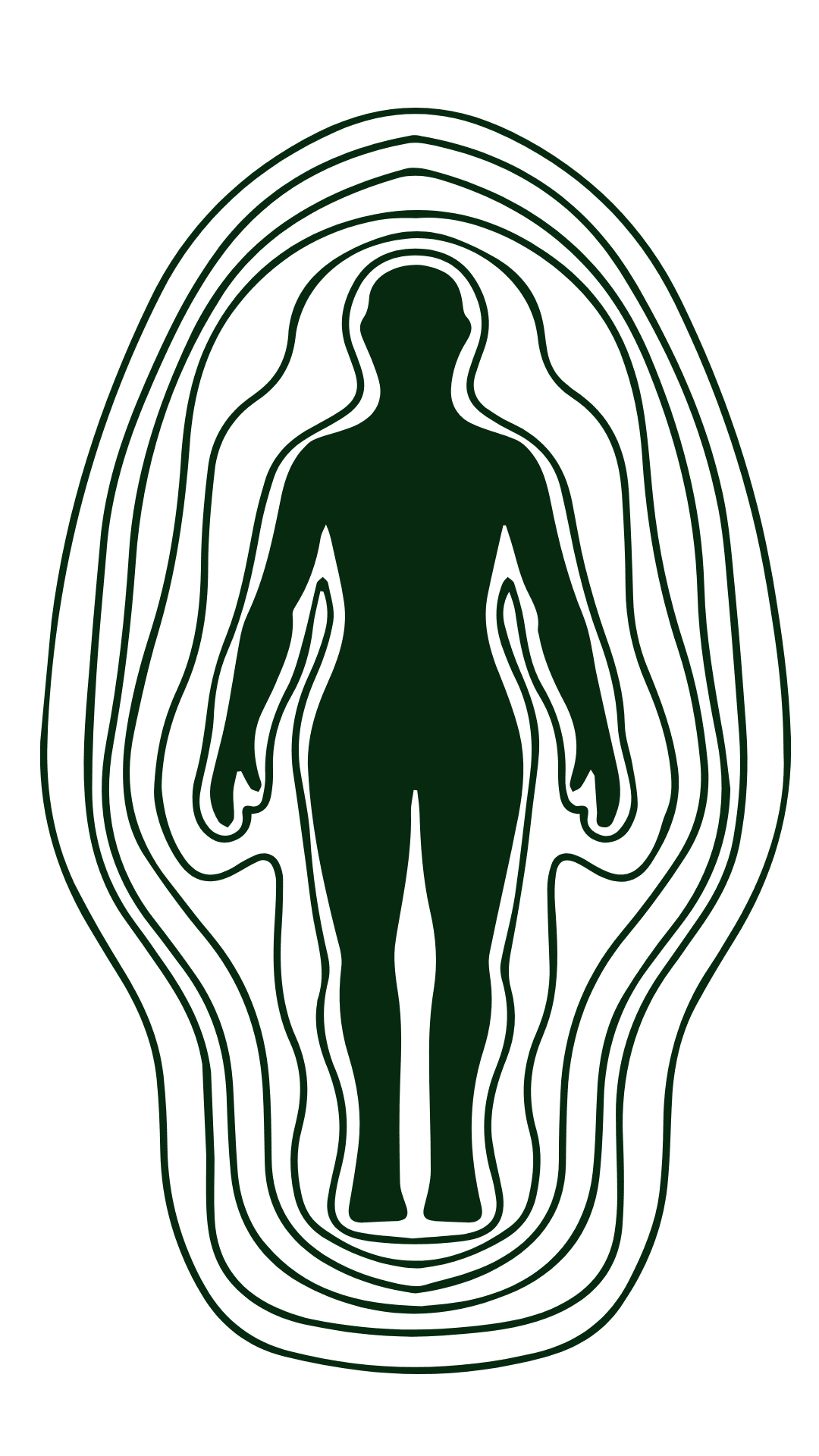
CHAKRAS
Manipura Chakra (Solar Plexus Chakra)
▼
The Manipura Chakra, your radiant jewel, sits in your solar plexus, exactly where your ribs divide. It is the seat of your personal power and control, your fire and your passion. When you are in Utthita Parsvakonasana, you activate this powerful center through the intense twist and stretch in the abdominal area.
Anahata Chakra (Heart Chakra)
▼
The Anahata Chakra, your inner song, is located in your heart space. It is the seat of love, compassion and connection. In Utthita Parsvakonasana, you open your chest and your heart, and thus activate this loving center.
Muladhara Chakra (Root Chakra)
▼
The Muladhara Chakra, your earthly connection, lies at the base of your spine. It represents our roots, our connection to the earth, our stability. Utthita Parsvakonasana grounds and stabilizes, activating this fundamental chakra.
KOSHAS
Annamaya Kosha (Physical Body)
▼
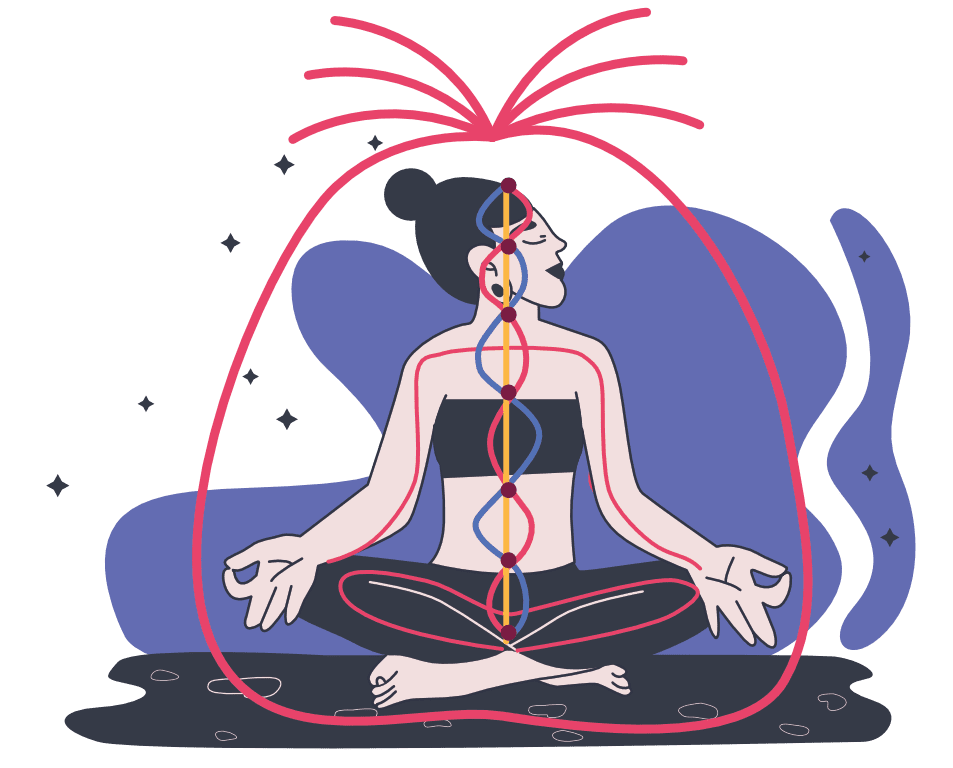
Annamaya Kosha is the physical layer of our being, the material body that is maintained through nourishment. Utthita Parsvakonasana has a strong effect on this level by strengthening the musculature, especially legs, hips, abdominal muscles and back. The balance improves and the entire posture can be corrected.
Pranamaya Kosha (Energy Body)
▼
Pranamaya Kosha is the energetic layer of our being, the breath or life force (prana). Utthita Parsvakonasana encourages deep and conscious breathing, which contributes to improving and harmonizing the flow of energy in the body.
Manomaya Kosha (Mental Body)
▼
Manomaya Kosha is the mental level of our being, connected with thoughts and emotions. Utthita Parsvakonasana requires and fosters concentration, which can lead to an improvement of mental clarity.
Vijnanamaya Kosha (Intellectual Body)
▼
Vijnanamaya Kosha is the wisdom level of our being, connected with intuition and deeper knowledge. Utthita Parsvakonasana is a demanding asana that fosters the awareness of one's own body and one's own limits, which leads to a deeper self-understanding.
Anandamaya Kosha (Spiritual Body)
▼
Anandamaya Kosha is the level of bliss in our being. It is the deepest layer, connected with universal love and bliss. Utthita Parsvakonasana, although physically challenging, can evoke a feeling of contentment and joy through regular practice.
DOSHAS
Vata
▼
Utthita Parsvakonasana can increase the Vata dosha, as the pose requires a dynamic stretch and balance, which stimulates the movement energy of Vata. The asana fosters flexibility and mental alertness, which can lead to an increase of the Vata qualities such as creativity and liveliness. Vata-dominant people should make sure to practice the pose with stability and grounding to avoid overstimulation.
Pitta
▼
Utthita Parsvakonasana can increase the Pitta dosha, as the pose generates warmth and physical strength in the body. The intense stretch and alignment of the pose foster the inner fire and determination, which can intensify the Pitta energy. However, when the asana is practiced with mindfulness and without excessive ambition, it can help channel and control the energy effectively, especially for people with a high Pitta dosha.
Kapha
▼
Utthita Parsvakonasana is an enlivening asana that reduces the Kapha dosha by fostering agility and mobility. The pose activates the entire body, increases circulation and dissolves stagnation. For people with a predominant Kapha dosha who tend toward sluggishness or lethargy, this asana can help increase energy and foster a feeling of lightness and vitality.

Key Information for Correct Execution
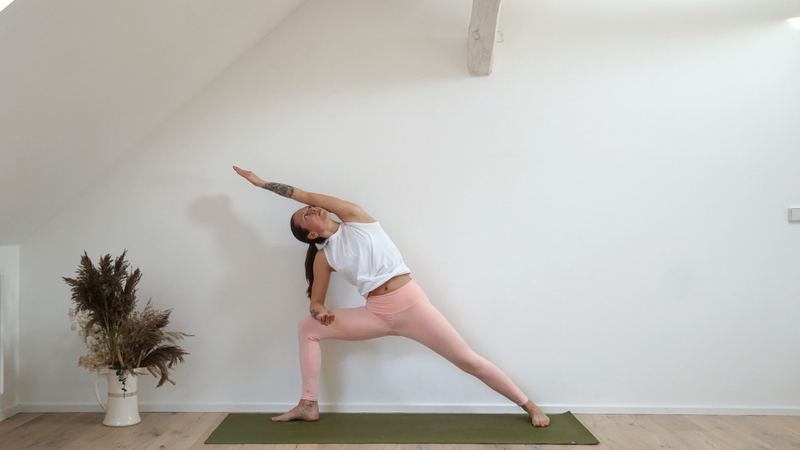
Meet Geraldine, a certified yoga teacher and psychology student who emphasizes mindfulness and alignment to inspire people toward a more peaceful life.
Common Mistakes
Common mistakes in this pose are too much weight on the elbow or the lower hand, collapsing in the upper body, buttocks stretched back, a hollow back and a buckling of the front knee inward.
Our Tip
A tip for Utthita Parsvakonasana is to imagine that an energetic line runs from the outer edge of your back foot to your fingertips. This helps you feel even more length in the side of your body and align the pose optimally.
Variations
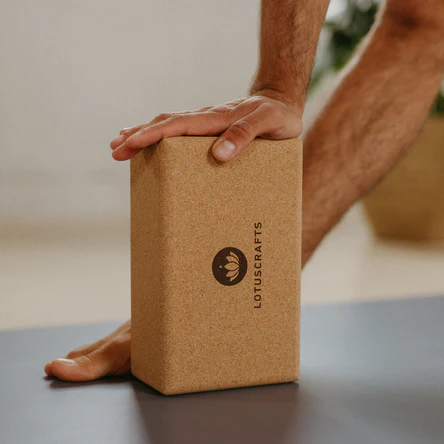
• You can work with a block to reach the floor, or bring your hand into a bind. • With neck tension, it is not necessary to turn the head up. The gaze can stay directed straight ahead.
Physical Effect
Digestion Promotion
This asana exerts a gentle pressure on the abdominal organs, which fosters circulation and metabolism in this region. This can help with digestive problems by stimulating the bowel movements and thus contributing to the improvement of digestive disorders.
Skeletal Alignment
Through the activation and opening of the hips, the extension of the spine and the alignment of the shoulders, Utthita Parsvakonasana fosters a good posture and skeletal alignment. It can help correct muscular imbalances that can lead to poor postures and pain, and supports a healthy, upright posture.
Muscle Power
Utthita Parsvakonasana strengthens and stretches a variety of muscles. The intense lateral stretch expands the intercostal muscles and improves the breathing capacity. Your thigh musculature, especially the quadriceps and the adductors, are strengthened, while the iliopsoas musculature is actively stretched. This asana thus helps correct muscular imbalances and fosters a healthy movement pattern.
Effects on Psyche and Emotions
Self-Confidence Booster
Mastering a challenging asana like Utthita Parsvakonasana can strengthen self-confidence. If, for example, you doubt yourself or feel insecure in your body, practicing and improving in this asana can help you gain more trust in your physical abilities and your inner strength.
Emotional Grounding
The alignment and earth connection required in Utthita Parsvakonasana can help create a feeling of stability and grounding.
Mental Strength
Utthita Parsvakonasana demands balance and concentration, which helps build mental strength and endurance. If, for example, you find yourself in a phase of your life in which you have to master many challenges, the practice of this asana can help improve your ability to master difficult situations with calm and determination.
Props

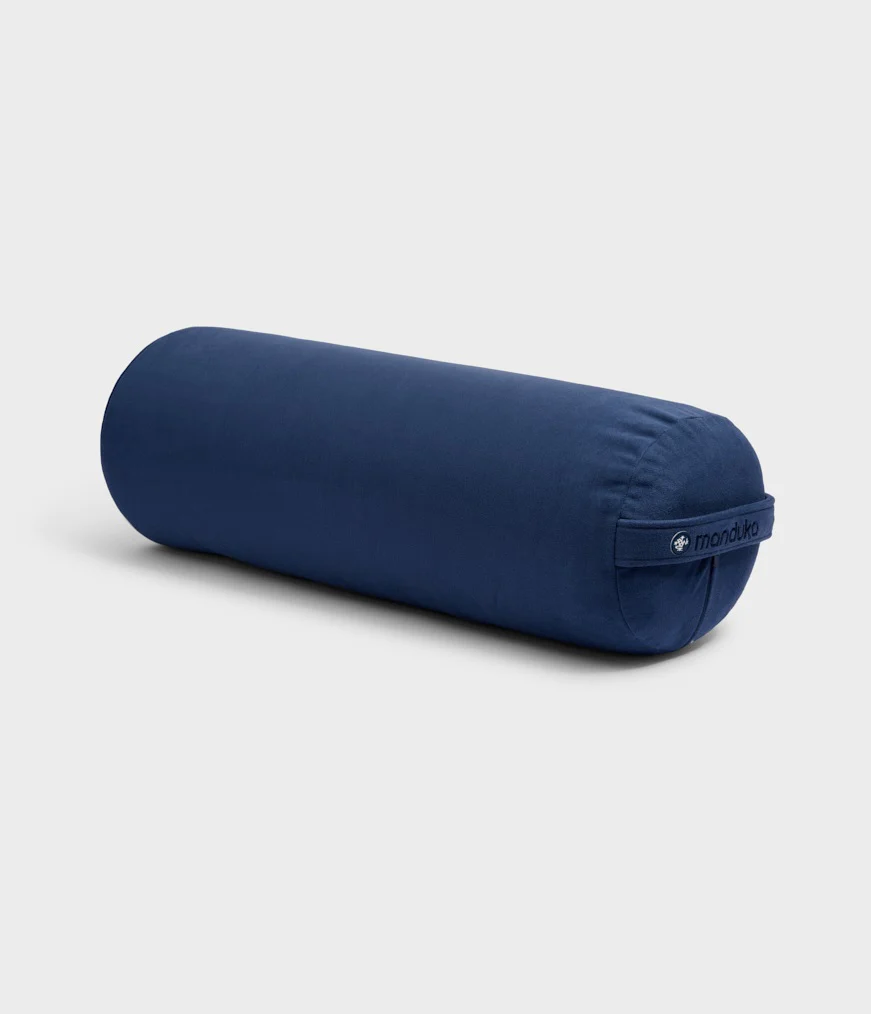
Also interesting!
Author of this Asana
Manish Rana is a certified yoga teacher and founder of asanaverse.de. He writes about topics around yoga, ayurveda and meditation. Manish owes his deep connection to yoga to his Indian roots, through which he came into contact with this practice early on.
Learn more about our team here →DISCOVER MORE
More Side Bends
Get our free ebook with 108 asanas now!
With great care and passion, we have selected and described 108 of the most important asanas for you in detail!
Perfect for your practice and cues ;)
Thank you for being here!
Thank you for being here and being part of this ever-evolving platform! We strive to keep growing and improving.
Your feedback is invaluable. Namasté 🙏
Comments feature coming soon. 💬
Guide
Browse our guide now
Accessible Yoga Mobility: Chair Yoga and Inclusive Asanas for All Bodies
Ahimsa – Gewaltlosigkeit als Fundament des Yoga und Lebens
Yoga Sutras zusammengefasst – Kapitel 2 (Sadhana Pada): Pfad der Praxis
Meditation bei Überforderung und Angststörung: Achtsam bleiben in turbulenten Zeiten
12 Wege, das Sitzen in der Meditation zu erleichtern — Stabiler sitzen, tiefer meditieren
Brahmacharya: Quelle des Lebens für mehr Lebenskraft und Vitalität