Parighasana
Gate Pose
Shine with us into the glittering sky of our Parighasana Uncovered. Like the sun breaking through the urban smog, this gate pose brings light and clarity into your urban life.
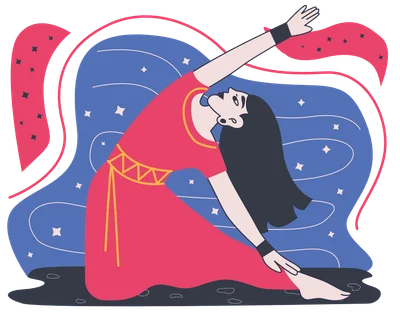
Category: Side Bends
Side Bends are asanas in which you gently stretch muscles and joints. They promote suppleness and mobility. Breathing in Side Bends has a relaxing effect: you supply your muscles with oxygen and release tension.
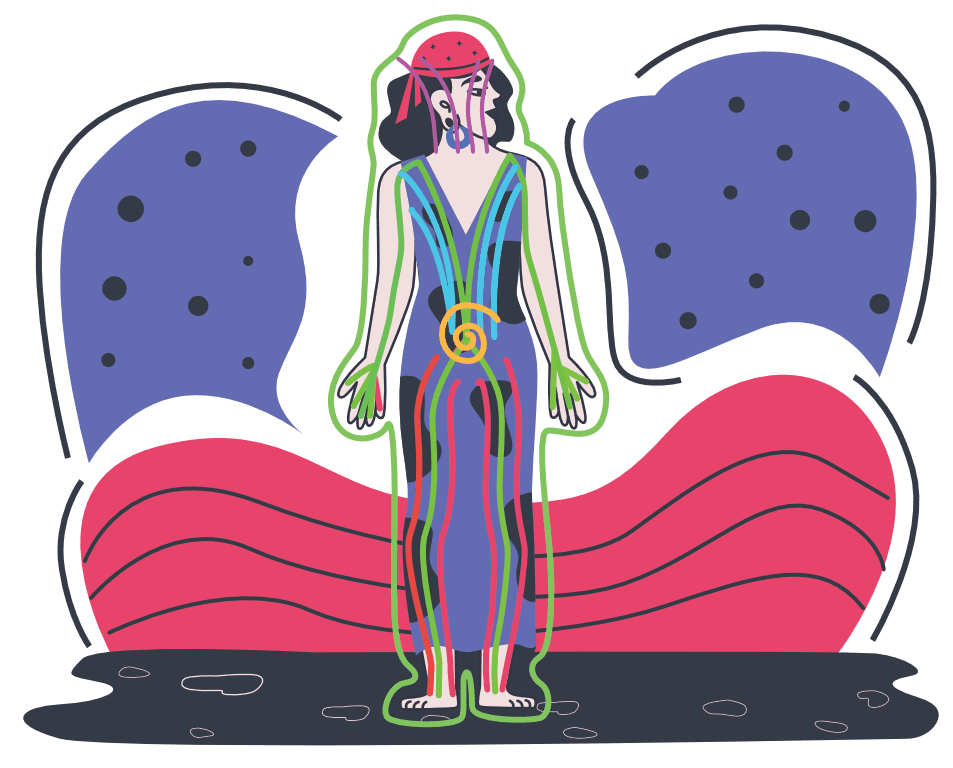
VAYUS
Each of the five Prana Vayus plays an essential role in our body and mind. They move and direct energy in specific directions, each with its own special area of influence and function. Gate Pose has its own unique effects on these vayus.
Vyana Vayu – Expanding Energy
▼
In Parighasana, Vyana Vayu is strongly activated through the lateral inclination and stretch of the body. This pose fosters the spreading of energy throughout the entire body, especially through the flanks and the spine, which improves the coordination and integration of the movements. The expansion in Parighasana helps create a feeling of expanse and freedom in the body by optimally activating Vyana Vayu.
Udana Vayu – The Ascending Energy
▼
Parighasana also works on Udana Vayu, the ascending energy that works in the throat and head region. The upright posture and the extension of the upper body in this asana foster the flow of energy upward, which strengthens the mental clarity and expressiveness. Parighasana helps direct the energy upward and expand the awareness.
Prana Vayu – Expansion of Consciousness
▼
Prana Vayu, the inflowing life energy, is activated in Parighasana through the deep breathing and the opening of the ribcage. This pose supports the intake of prana through the lungs and strengthens the flow of energy in the chest area. Parighasana enlivens the energy system and fosters the feeling of liveliness and vitality.
CHAKRAS
Manipura Chakra (Solar Plexus Chakra)
▼
The Manipura Chakra, located at the navel point, bubbles with the energy of power and transformation. Parighasana, with its emphasis on the activation of the core and the strengthening of the body center, helps awaken this energy center. With the qualities of self-worth and self-empowerment, the activation of the Manipura Chakra through Parighasana can lead to you feeling energized and grounded in your own strength.
Swadhisthana Chakra (Sacral Chakra)
▼
The Swadhisthana Chakra, located in the area of the sacrum, is the center of emotions, creativity and mobility. Parighasana, with its lateral bend and twist, stimulates this chakra and supports the emotional release and creative expressiveness. The qualities of Swadhisthana include flow, flexibility and pleasure.
Muladhara Chakra (Root Chakra)
▼
The Muladhara Chakra, located at the base of the spine, is our base and root center. Parighasana, with its lateral inclination and the activation of the leg musculature, supports the strengthening and stabilization of this chakra. The qualities of Muladhara encompass stability, safety and grounding.
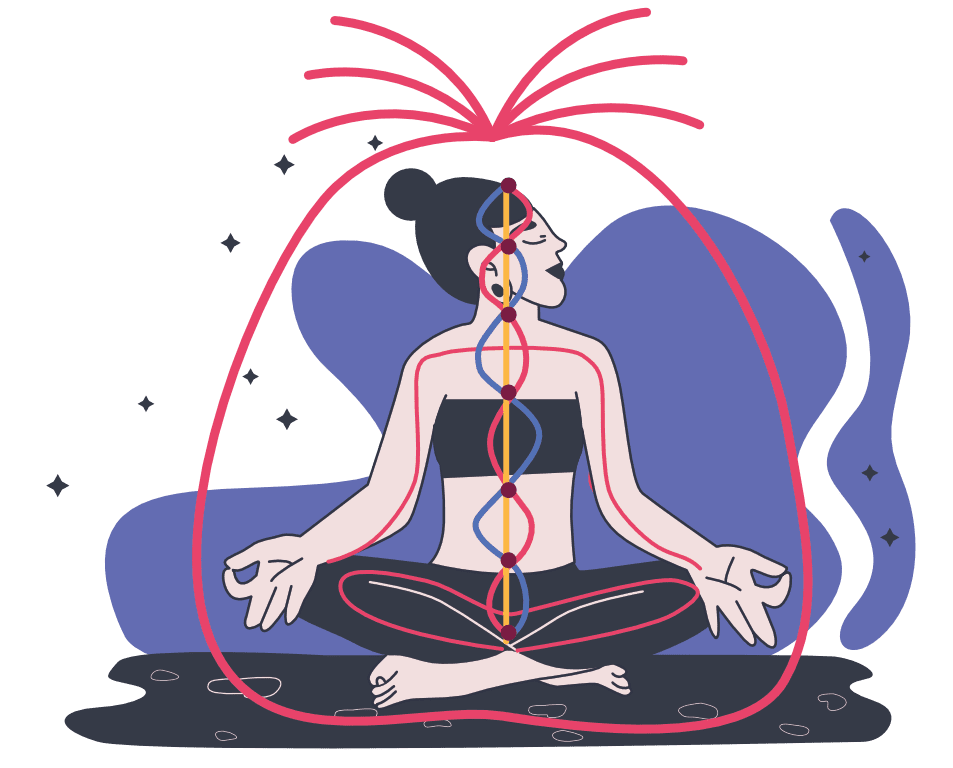
KOSHAS
Annamaya Kosha (Physical Body)
▼
Annamaya Kosha is the physical sheath that represents our body. Parighasana works deeply in this sheath, as it stretches and strengthens the lateral muscles and the spine. This leads to a better posture, muscle tone and improved balance. Through the mobility of the body, one becomes more aware of one's physical presence, which is helpful in the perception of the physical body.
Pranamaya Kosha (Energy Body)
▼
The Pranamaya Kosha represents the energy system of our body, our life force. Parighasana helps improve the flow of energy in the body, as the lateral bend helps stimulate the flow of energy throughout the entire body. This can lead to an increased vitality and life force.
Manomaya Kosha (Mental Body)
▼
Manomaya Kosha is the psychic sheath that represents our thoughts and emotions. Parighasana helps clear and calm this sheath, as the concentration and awareness needed during the posture distract the thoughts and foster the mental balance.
Vijnanamaya Kosha (Intellectual Body)
▼
Vijnanamaya Kosha represents our intuition and our deep knowledge. Through the practice of Parighasana, one can establish a deeper connection to this sheath, as the posture requires a deep inner concentration and mindfulness. This can help improve our intuitive perception and our inner knowledge. A practice example would be someone who has difficulty listening to their inner voice or intuition, and through the practice of Parighasana they can learn to strengthen this deep inner connection.
Anandamaya Kosha (Spiritual Body)
▼
The Anandamaya Kosha is the sheath of bliss, represents our deepest state of peace and joy. Parighasana, through its gentle stretch and breathing, can help foster a feeling of inner peace and contentment.

DOSHAS
Vata
▼
Parighasana can help reduce the Vata dosha, as the calm and centered nature of this posture can help soothe the fast and fleeting element of Vata. People with high Vata could use the practice to calm their often hectic mind and find grounding.
Pitta
▼
Pitta dosha can benefit from Parighasana, as the lateral stretch can help ease excess heat and intensity that is typical for Pitta. Someone with an overheated Pitta could use this asana to find cooling and a gentle energy alignment.
Kapha
▼
For the Kapha dosha, Parighasana can have an enlivening effect. The stretch and opening that take place in this asana can help overcome stagnation and sluggishness, which are often associated with Kapha. People with a Kapha dominance could use this asana to bring energy and movement into their body.

Key Information for Correct Execution
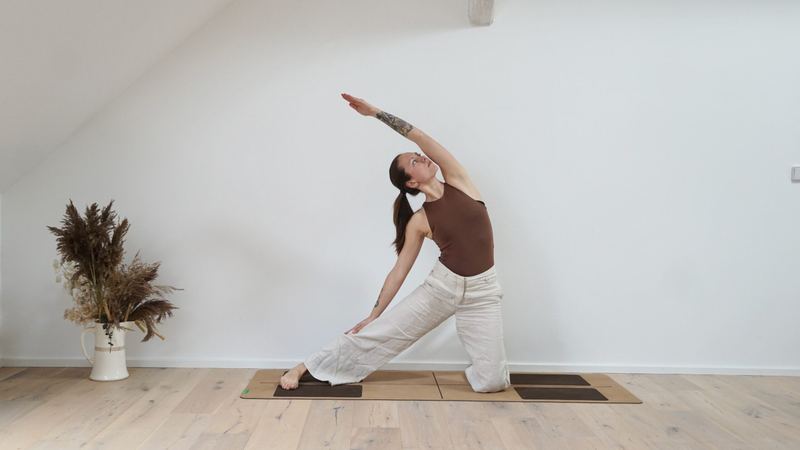
Meet Geraldine, a certified yoga teacher and psychology student who emphasizes mindfulness and alignment to inspire people toward a more peaceful life.
Common Mistakes
• Upper body buckles forward. • Shoulder is too close to the ears. • The outer edge of the foot is not active on the floor. • Too much pressure on the lower hand.
Our Tip
Imagine two imaginary panes of glass between which you expand to the side. At the same time, seek uprightness and length in the side.
Variations
• With neck tension, the gaze can be directed straight ahead. • With knee problems, a blanket can be placed underneath. • As a variation, you can also practice the side bend to the opposite side by placing the hand on the floor and extending the arm far over the head. • You can additionally activate the center by lifting the lower foot off the floor.
Physical Effect
Fascia Flexibility
Parighasana, known as the “gate pose”, is an excellent lateral stretch that improves the flexibility of the fascial tissue that envelops our muscles. The fascia in the area of the flanks and the back are especially addressed, which increases the freedom of movement and supports an optimal alignment.
Core Strength
This posture also strengthens the abdominal musculature, especially the oblique abdominal muscle and the straight abdominal muscle. The consistent performance of Parighasana can lead to an improvement of core strength, which improves the posture and general physical stability. It can also have a positive effect on the digestive organs by gently massaging them.
Lung Expansion
On a respiratory level, Parighasana opens the chest and thus supports a deeper breathing. This can increase the lung volume and improve the gas exchange. At the same time, this action can help release tension and blockages in the chest musculature. This could be especially useful when struggling with breathing problems or stress.
Effects on Psyche and Emotions
Mental Clarity
The lateral stretch in Parighasana can open the mind and help foster mental clarity. This can be especially useful when struggling with decision difficulties or cognitive overload.
Emotional Balance
Parighasana also fosters emotional balance. The gentle opening and stretch that take place in this posture can help release emotional tension and foster a feeling of inner peace and balance.
Self-Perception
Finally, Parighasana can help increase self-perception. It challenges us to be attentive and present while we align and balance the body in a complex position. This improved self-perception can radiate beyond the mat into other areas of life, e.g. by learning to listen to the needs of our body and respond to our emotions.
Props
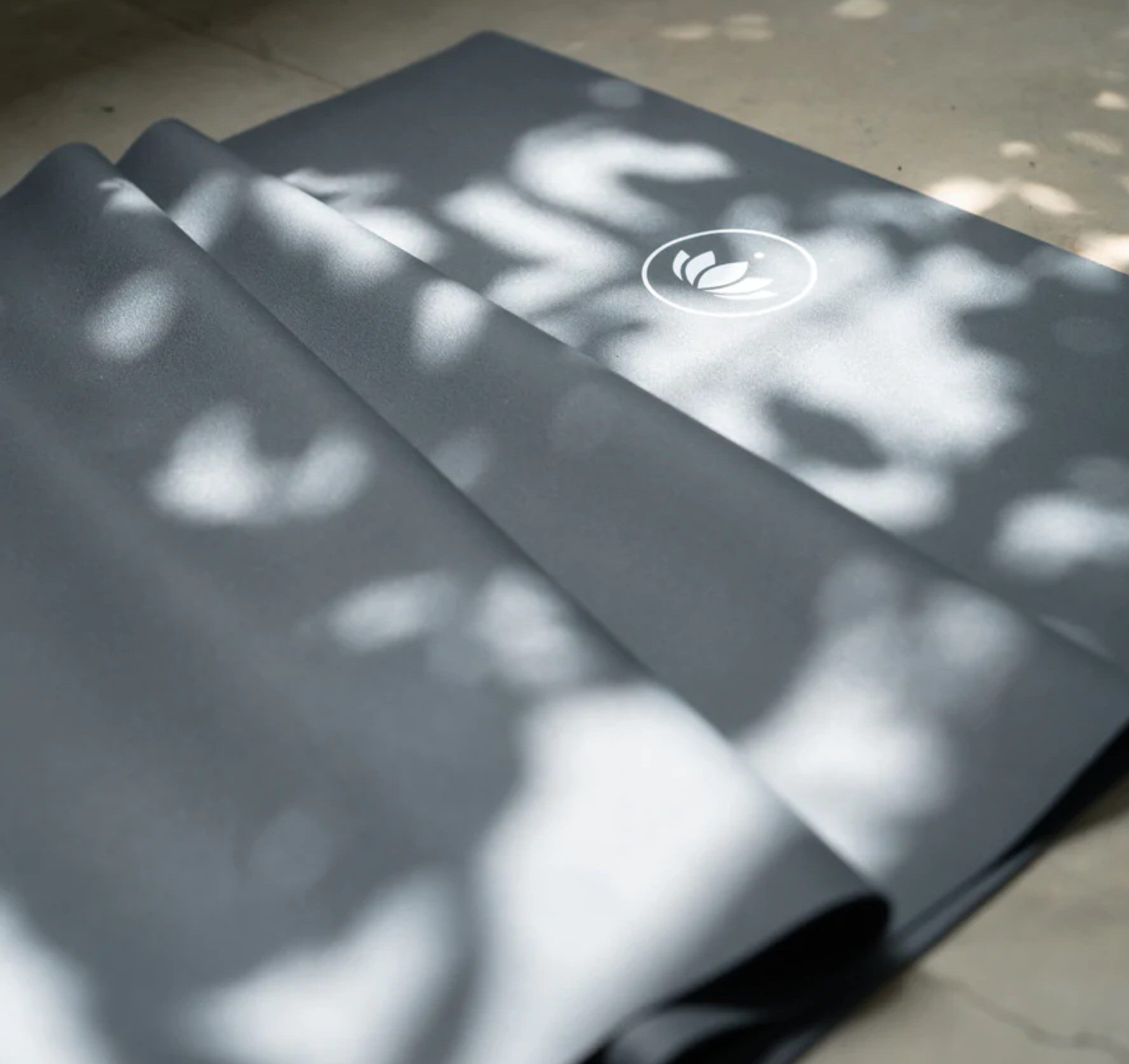
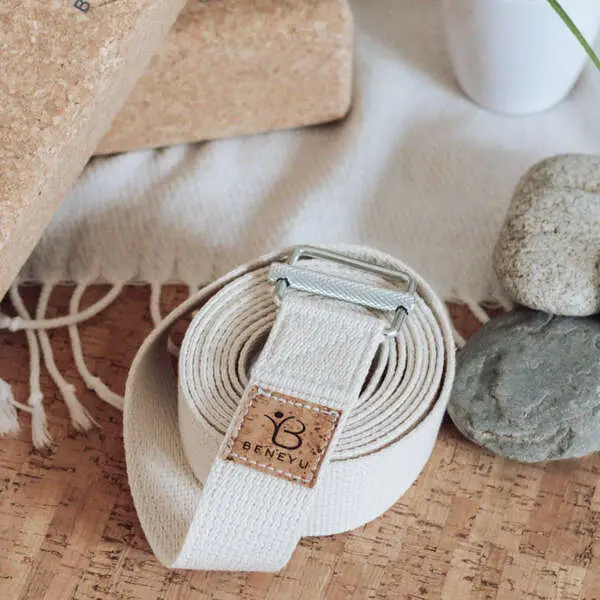
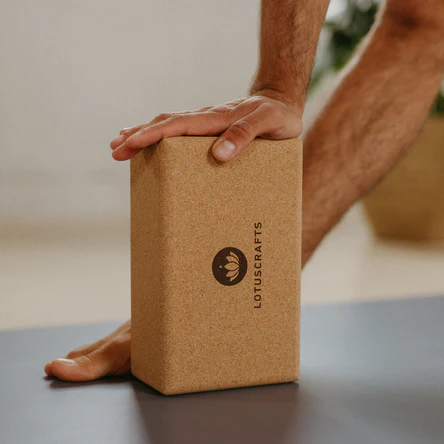
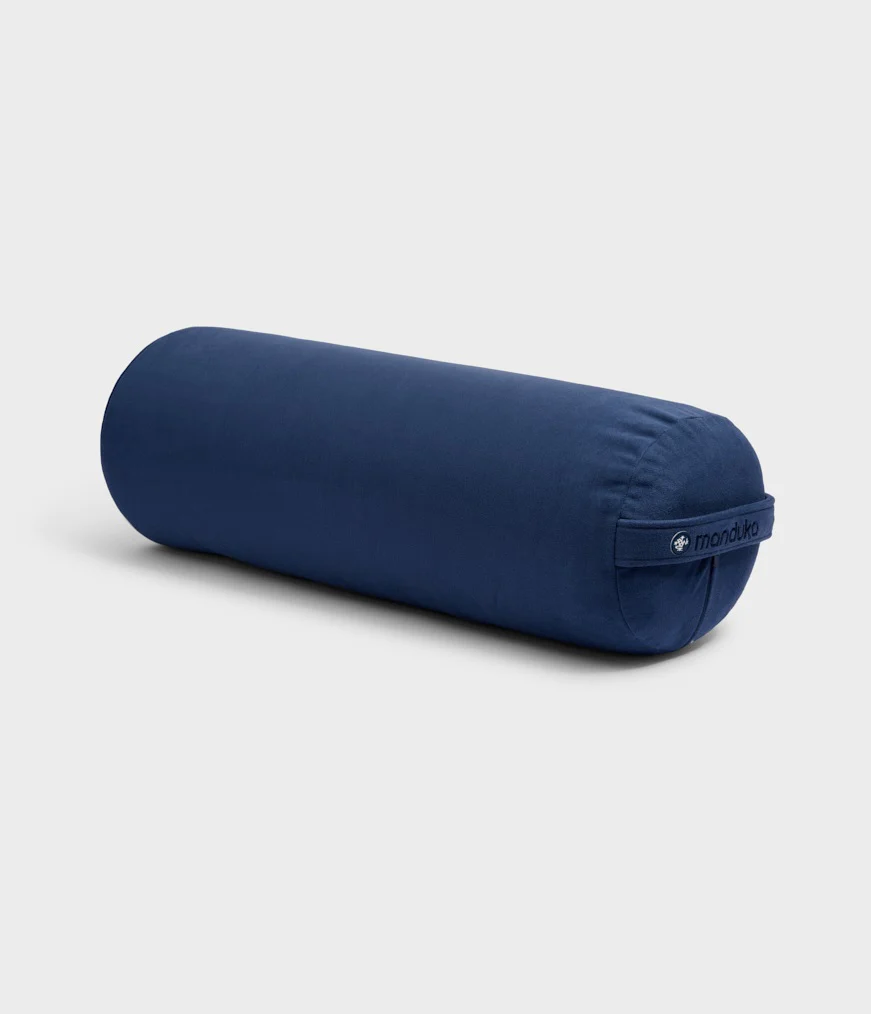
Also interesting!
Author of this Asana
Manish Rana is a certified yoga teacher and founder of asanaverse.de. He writes about topics around yoga, ayurveda and meditation. Manish owes his deep connection to yoga to his Indian roots, through which he came into contact with this practice early on.
Learn more about our team here →DISCOVER MORE
More Side Bends
Get our free ebook with 108 asanas now!
With great care and passion, we have selected and described 108 of the most important asanas for you in detail!
Perfect for your practice and cues ;)
Thank you for being here!
Thank you for being here and being part of this ever-evolving platform! We strive to keep growing and improving.
Your feedback is invaluable. Namasté 🙏
Comments feature coming soon. 💬
Guide
Browse our guide now
Accessible Yoga Mobility: Chair Yoga and Inclusive Asanas for All Bodies
Ahimsa – Gewaltlosigkeit als Fundament des Yoga und Lebens
Yoga Sutras zusammengefasst – Kapitel 2 (Sadhana Pada): Pfad der Praxis
Meditation bei Überforderung und Angststörung: Achtsam bleiben in turbulenten Zeiten
12 Wege, das Sitzen in der Meditation zu erleichtern — Stabiler sitzen, tiefer meditieren
Brahmacharya: Quelle des Lebens für mehr Lebenskraft und Vitalität