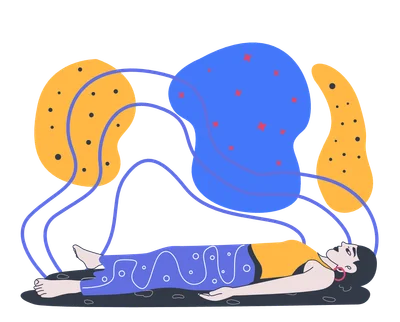
Savasana
Corpse Pose
Lose yourself with us in the boundless sky of the Savasana Uncovered. Like a calm body of water in the midst of the urban bustle, the corpse pose offers a deep refuge for mind and soul.
Category: Extensions
Extensions are asanas in which you gently stretch muscles and joints. They promote suppleness and mobility. Breathing in Extensions has a relaxing effect: you supply your muscles with oxygen and release tension.
VAYUS
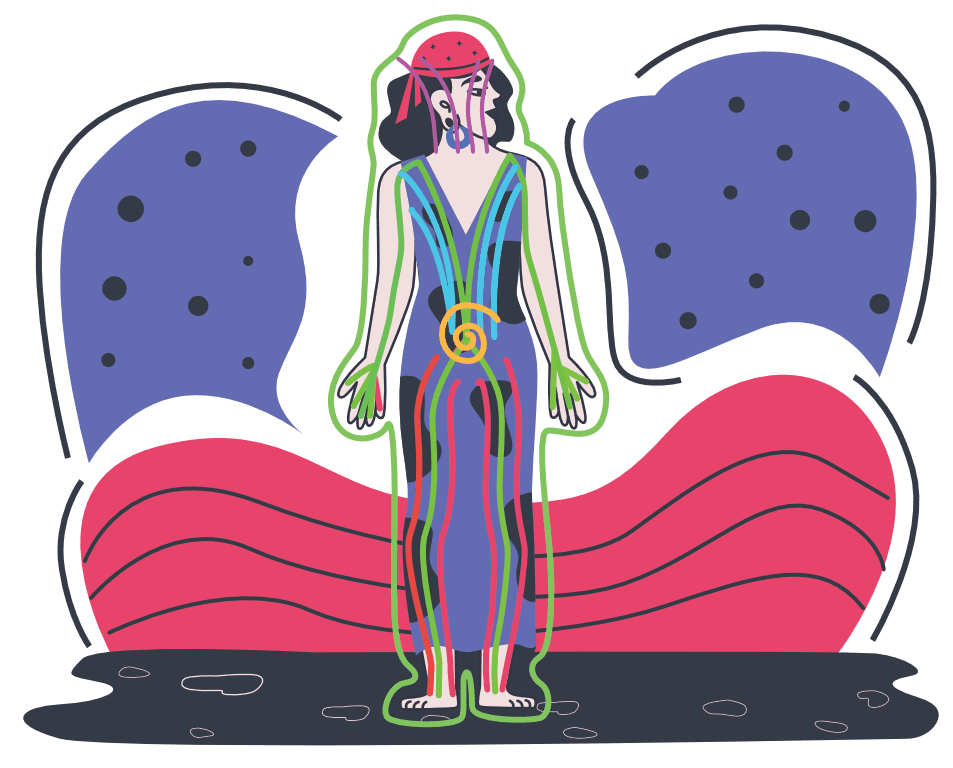
Each of the five Prana Vayus plays an essential role in our body and mind. They move and direct energy in specific directions, each with its own special area of influence and function. Corpse Pose has its own unique effects on these vayus.
Udana Vayu – The Ascending Energy
▼
In Savasana, Udana Vayu works subtly by directing the flow of energy from the heart and throat area upward. Although the pose is outwardly still, Udana Vayu allows the mental clarity and the connection with higher levels of consciousness to unfold. As you linger in the calm of the pose, the upward-directed energy can support you in gaining inner insights and raising the mind.
Prana Vayu – Expansion of Consciousness
▼
Savasana is an opportunity for the Prana Vayu to move freely and effortlessly throughout the entire body. In the relaxation, the breath energy can deeply nourish and revitalize the cells and organs. Even in complete stillness, Prana Vayu continues to flow to enliven the body on a deep level and permeate it with fresh life energy.
Vyana Vayu – Expansion and Opening
▼
Vyana Vayu spreads in Savasana throughout the entire body and fosters the flow of energy in the outermost areas. From the fingertips to the toes, Vyana Vayu supports the harmonization and integration of all energy streams. This asana allows the body to relax in the expanse of its own energy and thus experience a feeling of wholeness and balance.
CHAKRAS
Muladhara Chakra (Root Chakra)
▼
In Savasana, the Muladhara Chakra, the root chakra, is addressed as the body rests completely on the floor and establishes a deep connection to the earth. This posture fosters a feeling of grounding, safety and stability, as all muscle tension is released. Through the conscious relaxation in Savasana, blockages in the root chakra can be released, which helps break down fears and create a solid foundation for inner calm. The connection to the earth in this pose strengthens the trust and the feeling of being rooted in life.
Manipura Chakra (Solar Plexus Chakra)
▼
Savasana works on the Manipura Chakra, located in the area of the solar plexus and standing for personal power, self-confidence and inner strength. During the deep relaxation in this pose, tension in the abdominal and diaphragm area can be released. The calm and the even flow of breath harmonize the energy in the Manipura Chakra, which helps balance the inner fire and strengthen self-confidence as well as willpower. This makes it possible to respond to challenges with more serenity and clarity.
Vishuddha Chakra (Throat Chakra)
▼
The Vishuddha Chakra, the throat chakra, is addressed in Savasana through the relaxation of the throat and neck area. By letting the breath flow freely and keeping the jaw loose, the flow of energy in the throat chakra is harmonized. This fosters the ability for clear communication and authentic self-expression. Through the release of tension in this area, blockages that often arise through unspoken feelings can be released. Savasana thus supports the development of an open and honest exchange with oneself and others.
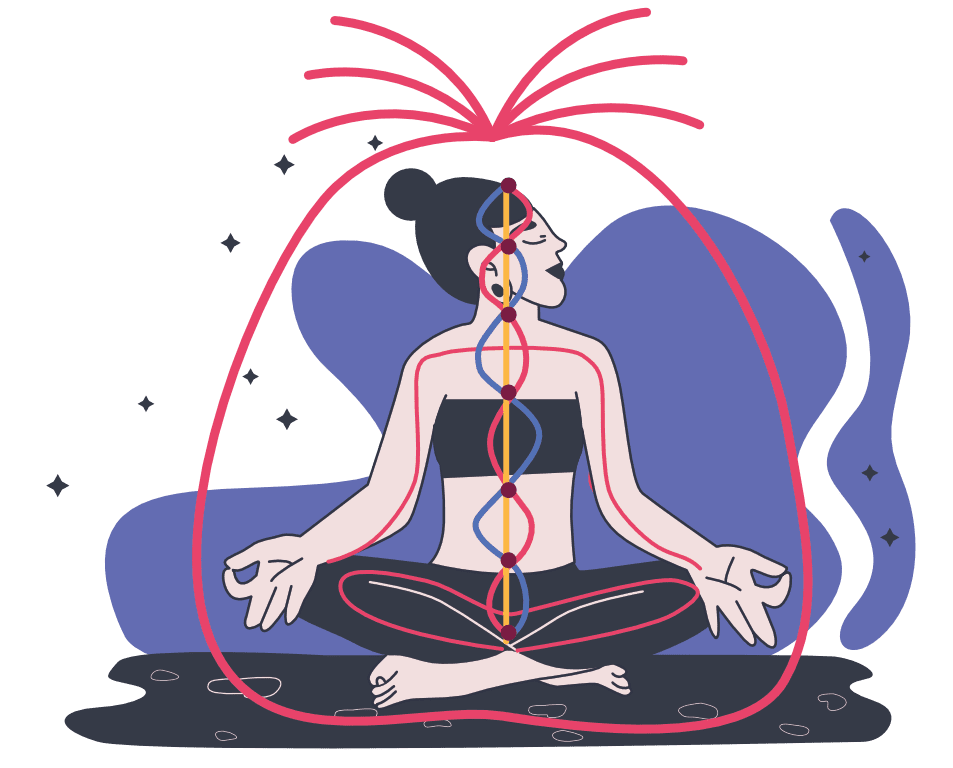
KOSHAS
Annamaya Kosha (Physical Body)
▼
Annamaya Kosha represents the physical body. In Savasana, the entire body is relaxed and released. This enables a deep regeneration of muscles and joints.
Pranamaya Kosha (Energy Body)
▼
Pranamaya Kosha symbolizes the flow of energy. Savasana enables a harmonious distribution of prana (life energy) throughout the entire body. The breathing becomes deep and even.
Manomaya Kosha (Mental Body)
▼
Manomaya Kosha stands for our mind and our thoughts. In Savasana, the mind is calmed; thoughts can come and go without clinging to them.
Vijnanamaya Kosha (Intellectual Body)
▼
Vijnanamaya Kosha refers to intuition and understanding. While lying in Savasana, one can become more aware of one's inner wisdom and gain deeper insights.
Anandamaya Kosha (Spiritual Body)
▼
Anandamaya Kosha represents our deepest joy and our true self. Through the deep relaxation in Savasana, one can reach a state of bliss and inner peace.
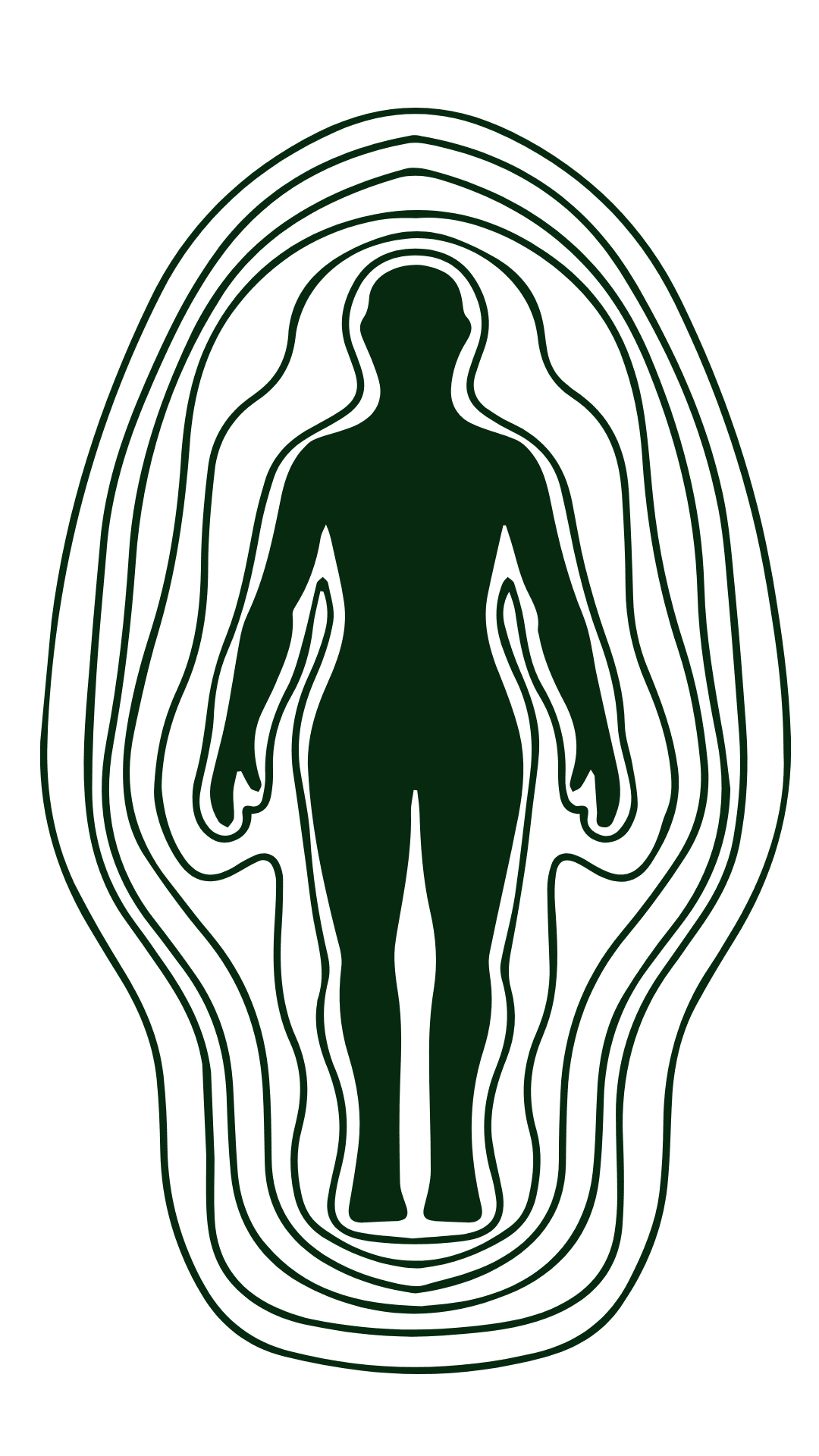
DOSHAS
Vata
▼
Savasana neutralizes the Vata dosha by fostering deep grounding and inner stillness. The complete calm in this pose soothes the often restless Vata mind and helps ease nervousness and states of anxiety. Through the conscious feeling of the body and the connecting with the breath, a state of deep relaxation is reached.
Pitta
▼
Savasana has a neutralizing effect on the Pitta dosha by reducing inner heat and fostering serenity. The pose makes it possible to let go of tension and calm the mind, which soothes the fiery nature of Pitta. Through the passive lying and the concentration on the breath, excess heat can be dissipated.
Kapha
▼
Savasana helps reduce the Kapha dosha by decreasing the feeling of heaviness and sluggishness. Through the conscious relaxation and the letting go of physical and mental tension, stagnant energy can be released. The pose fosters lightness and clarity, which supports Kapha types in coming out of feelings of tiredness or lack of drive.

Key Information for Correct Execution
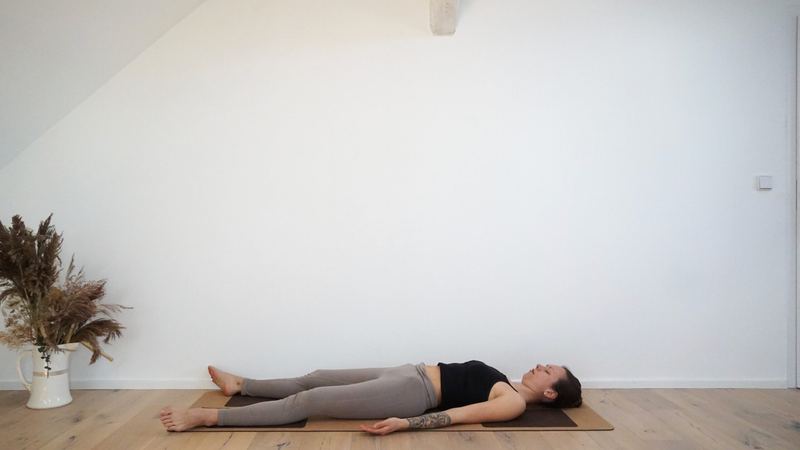
Meet Geraldine, a certified yoga teacher and psychology student who emphasizes mindfulness and alignment to inspire people toward a more peaceful life.
Common Mistakes
A common mistake is giving Savasana too little time (at least 7-10 minutes).
Our Tip
The corpse pose is considered by most yoga traditions one of the most important parts of the practice and should therefore never be skipped. In this state of effortless awareness and expanse, true healing can happen on deep levels.
Variations
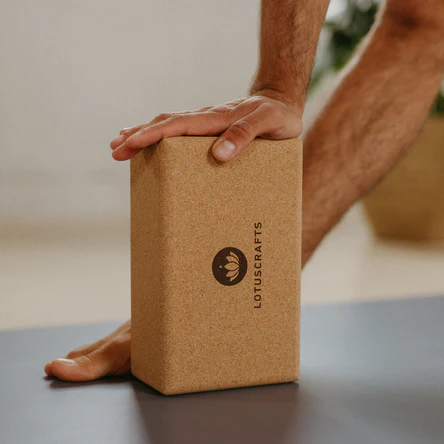
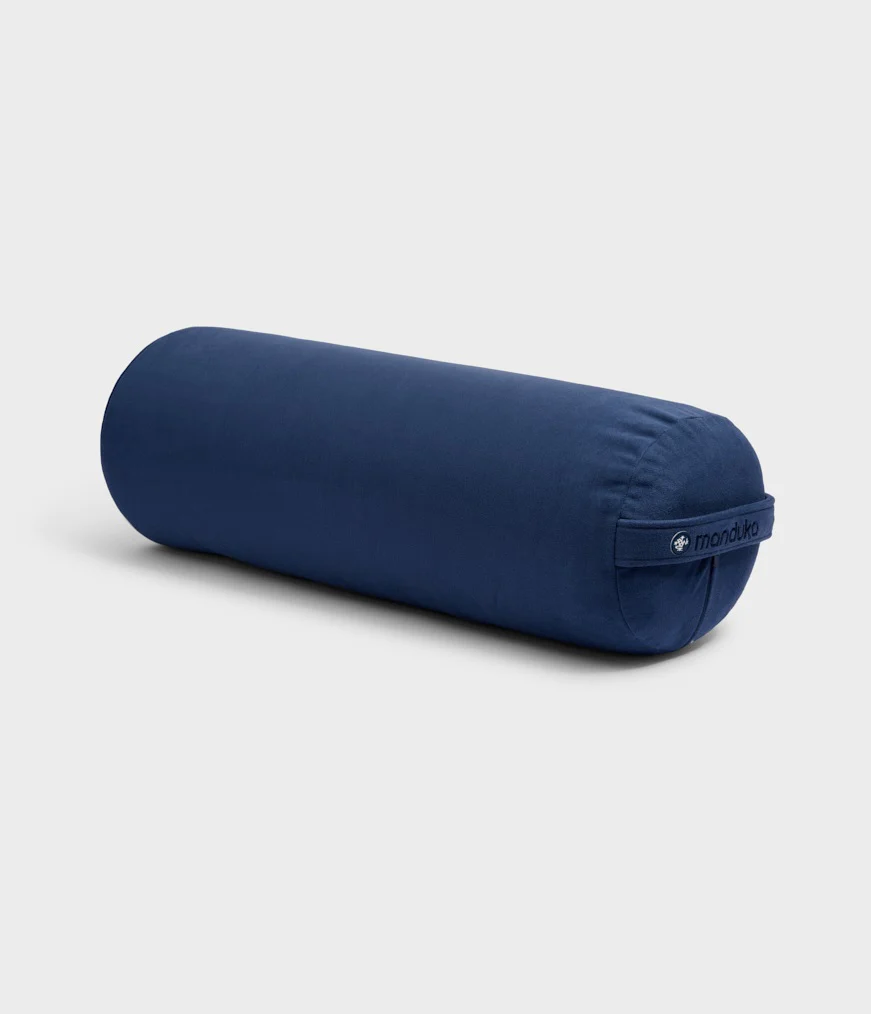
With pain in the lower back, a bolster under the knee joints can help. With neck tension, a blanket can be used under the head. With pregnancy, it is recommended to practice Savasana not on the back but lying on the side with a thick pillow between the thighs.
Physical Effect
Nervous System Relaxation
Savasana, also referred to as the corpse pose, plays a central role in the activation of the parasympathetic nervous system, which is responsible for relaxation and regeneration. This conscious deep relaxation can help lower the blood pressure, stabilize the heart rate and reduce stress hormones in the body. For people with chronic stress or states of anxiety, a regular practice of Savasana can offer therapeutic benefits.
Fascial Relief
Through lying on a firm surface in a neutral position, Savasana enables the fascia – the connective tissue that envelops muscles and organs – to relax and rehydrate. This can be especially important after intense physical exercises in which the fascia was engaged. A relaxed fascial structure can contribute to a better range of motion and a reduction of pain and stiffness.
Joint Relief
In Savasana, the body is placed in a symmetrical, flat position without specific loads on joints and spine. This offers a rare opportunity to let gravity distribute evenly over the body, whereby pressure points, especially in the intervertebral discs of the spine and the large joints, are relieved. For people with joint pain or back problems, this can mean a beneficial break and recovery.
Effects on Psyche and Emotions
Deep Relaxation
Savasana is the ultimate expression of relaxation and letting go. Through completely laying down and relaxing every part of the body, the mind can also come to rest. This fosters a deep relaxation that is noticeable both physically and mentally.
Self-Reflection
In the stillness and calm of Savasana, practitioners can immerse themselves in a state of self-reflection. It offers the opportunity to look inward without distraction, connect with one's own self and gain insights into personal thoughts and feelings.
Letting Go & Acceptance
Savasana teaches us the art of letting go. By relaxing the body and bringing the mind to rest, we learn to accept things as they are, without judgment or resistance. This can lead to a deeper feeling of acceptance and peace regarding life and its challenges.
Props
Also interesting!
Author of this Asana
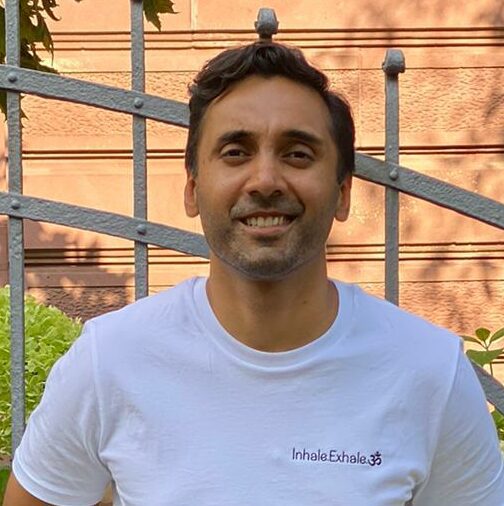
Manish Rana is a certified yoga teacher and founder of asanaverse.de. He writes about topics around yoga, ayurveda and meditation. Manish owes his deep connection to yoga to his Indian roots, through which he came into contact with this practice early on.
Learn more about our team here →DISCOVER MORE
More Extensions
Get our free ebook with 108 asanas now!
With great care and passion, we have selected and described 108 of the most important asanas for you in detail!
Perfect for your practice and cues ;)
Thank you for being here!
Thank you for being here and being part of this ever-evolving platform! We strive to keep growing and improving.
Your feedback is invaluable. Namasté 🙏
Comments feature coming soon. 💬
Guide
Browse our guide now
Accessible Yoga Mobility: Chair Yoga and Inclusive Asanas for All Bodies
Ahimsa – Gewaltlosigkeit als Fundament des Yoga und Lebens
Yoga Sutras zusammengefasst – Kapitel 2 (Sadhana Pada): Pfad der Praxis
Meditation bei Überforderung und Angststörung: Achtsam bleiben in turbulenten Zeiten
12 Wege, das Sitzen in der Meditation zu erleichtern — Stabiler sitzen, tiefer meditieren
Brahmacharya: Quelle des Lebens für mehr Lebenskraft und Vitalität