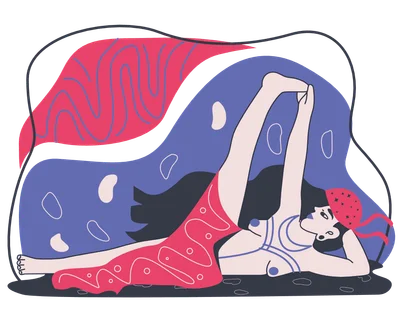
Anantasana
Vishnu''s Couch Pose
Glide with us on the soft cloud of our Anantasana Uncovered. Like the eternal dream of Ananta floating through the urban hustle, this infinite posture brings calm and serenity into your urban life.
Category: Side Bends
Side Bends are asanas in which you gently stretch muscles and joints. They promote suppleness and mobility. Breathing in Side Bends has a relaxing effect: you supply your muscles with oxygen and release tension.
VAYUS
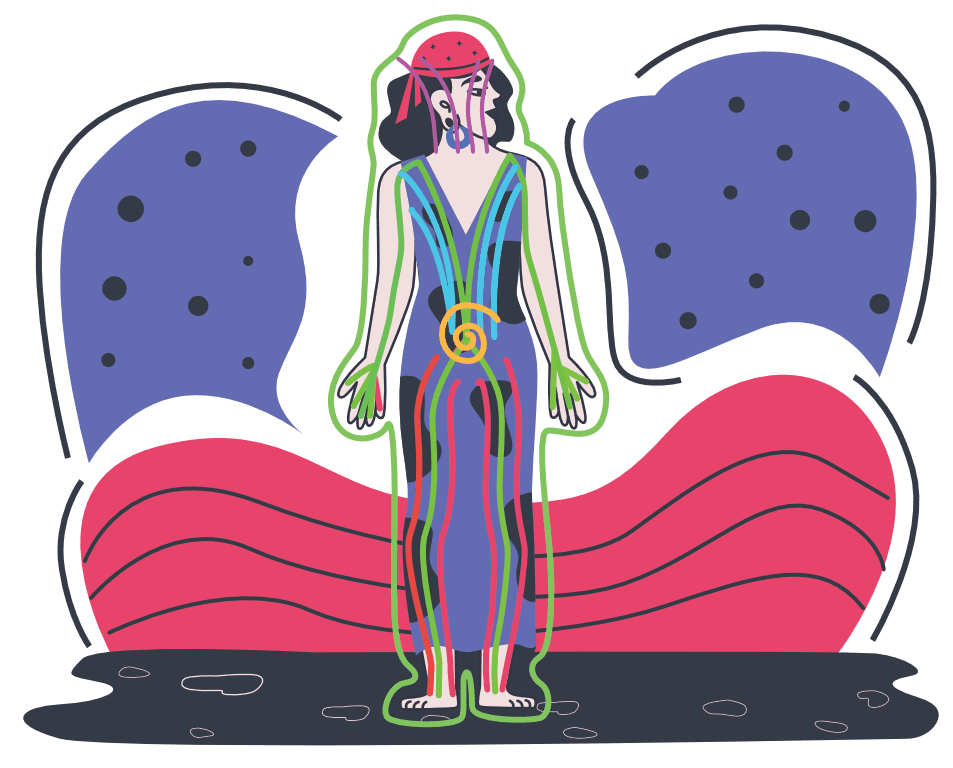
Each of the five Prana Vayus plays an essential role in our body and mind. They move and direct energy in specific directions, each with its own special area of influence and function. Vishnu''s Couch Pose has its own unique effects on these vayus.
Vyana Vayu – Expansion and Opening
▼
In Anantasana, Vyana Vayu, the energy that spreads through the entire body, is activated. This pose fosters the even distribution of energy and blood through the lateral stretch and the extension of the body. Vyana Vayu supports the harmonious connection and communication between the various body parts, which leads to a feeling of expansion and balance.
Prana Vayu – Expansion of Consciousness
▼
Anantasana stimulates Prana Vayu, the ascending and inflowing energy that works in the chest area. Through the opening of the ribcage and the deep breathing, Prana Vayu is activated, which deepens the breathing and strengthens the life energy in the body. This asana helps enliven the energy system and supply the body with fresh energy.
Udana Vayu – The Ascending Energy
▼
In Anantasana, Udana Vayu, the energy that ascends in the throat and head area, is stimulated through the straightening and extension of the upper body. This pose supports the flow of energy upward and fosters the clarity of the mind and self-expression. Udana Vayu helps raise the mind and expand the awareness.
CHAKRAS
Muladhara Chakra (Root Chakra)
▼
Anantasana activates the Muladhara Chakra, the root chakra, which lies at the base of the spine and is connected with grounding, safety and stability. In this pose, the root chakra is activated through the strong connection of the body with the floor and the lateral stretch. This asana fosters a feeling of grounding and helps find stability and safety in life.
Swadhisthana Chakra (Sacral Chakra)
▼
The Swadhisthana Chakra, the sacral chakra, is located in the lower abdominal area and is the center of creativity, sexuality and emotional fluidity. Anantasana opens and stretches the pelvic area, which activates the sacral chakra and fosters the associated qualities. This pose supports the emotional release and the creative flow.
Manipura Chakra (Solar Plexus Chakra)
▼
The Manipura Chakra, the solar plexus chakra, lies in the area of the solar plexus and is the center of willpower, self-confidence and inner strength. In Anantasana, Manipura is stimulated through the challenge of holding the balance, which strengthens the inner fire and fosters self-confidence. This asana helps activate the inner strength and develop courage for new challenges.
KOSHAS
Annamaya Kosha (Physical Body)
▼
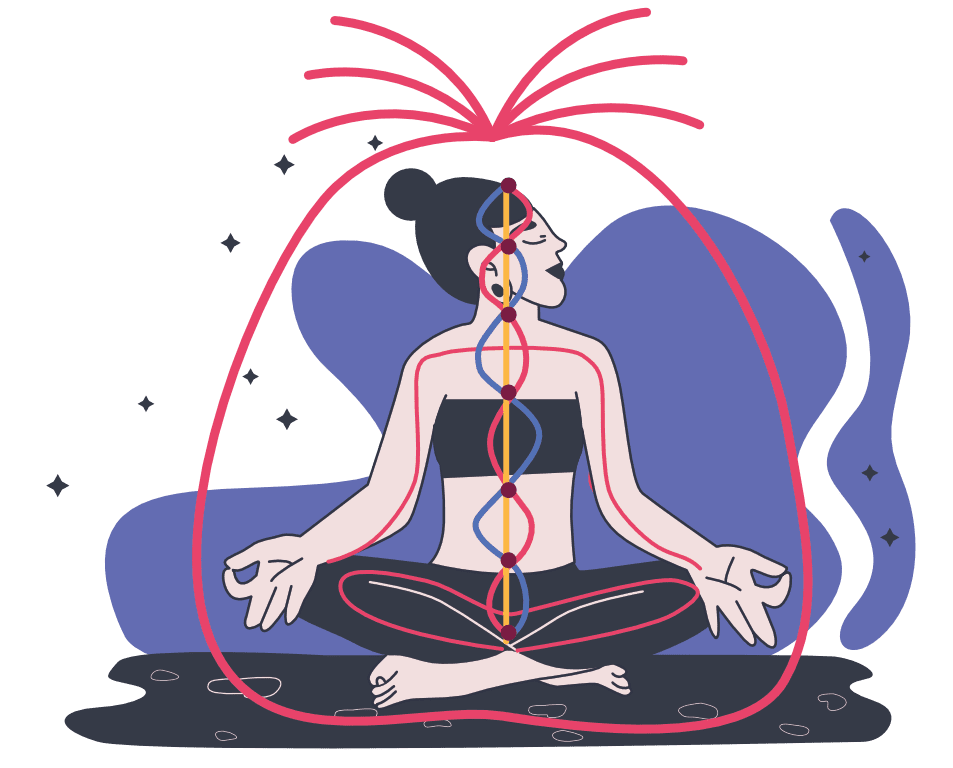
The Annamaya Kosha is the outermost sheath, connected with our physical body. In Anantasana, this layer is activated through the strengthening and stretching of various muscles, including the lateral abdominal muscles, the thigh musculature and the back musculature. This can help release physical tension and improve the physical health.
Pranamaya Kosha (Energy Body)
▼
The Pranamaya Kosha refers to the energetic system of our body, including our breathing and energy flows. Anantasana stimulates the prana (the life energy) through the alignment of the body and the breathing. In particular, the breathing can be deepened and refined, which can lead to an increased vitality and energy.
Manomaya Kosha (Mental Body)
▼
The Manomaya Kosha refers to our mental and emotional state. Anantasana requires concentration and presence, which can help calm the mind and reduce emotional restlessness. This can be especially helpful for someone who struggles with stress or fears, as the practice of this asana can help foster a calmer and more balanced state of mind.
Vijnanamaya Kosha (Intellectual Body)
▼
The Vijnanamaya Kosha stands for our higher knowledge and our inner wisdom. Anantasana can help activate this layer through the experience of the balance and harmony between body, breath and mind. This integration of body and mind can help foster a deeper awareness and understanding of ourselves.
Anandamaya Kosha (Spiritual Body)
▼
The Anandamaya Kosha stands for our inner state of joy and happiness. Anantasana can help activate this layer by fostering a feeling of lightness and joy that arises through the physical challenge and the balance in the pose.
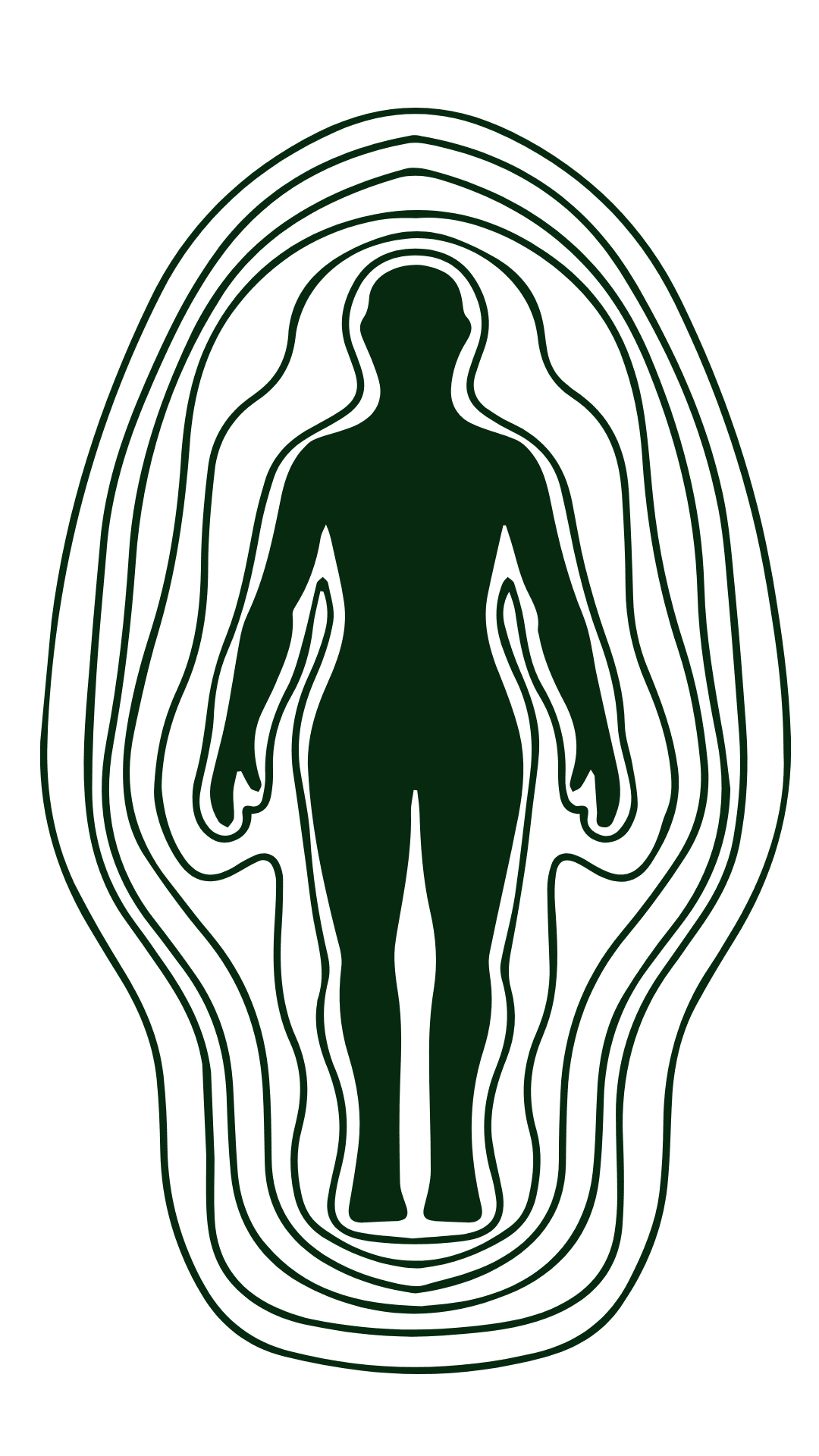
DOSHAS
Vata
▼
Anantasana centers the Vata dosha by requiring concentration and balance. This asana helps calm excessive movement and restlessness, whereby a feeling of stability and grounding is fostered.
Pitta
▼
Anantasana can also reduce the Pitta dosha, as it fosters patience and acceptance. Although the pose requires physical effort, it supports the letting go of excessive ambition and the cooling of the inner fire.
Kapha
▼
Anantasana helps reduce the Kapha dosha by activating the body and setting the energy in motion. This pose fosters circulation and dissolves stagnation, which is especially helpful for reducing sluggishness and heaviness, typical features of an increased Kapha.

Key Information for Correct Execution
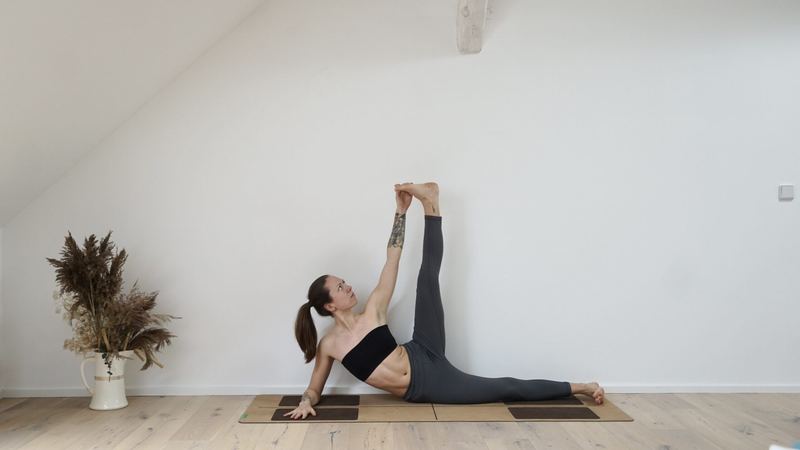
Meet Geraldine, a certified yoga teacher and psychology student who emphasizes mindfulness and alignment to inspire people toward a more peaceful life.
Common Mistakes
Common mistakes in this pose are too much weight on the lower hand, a collapsing upper body and buttocks stretched back, which can lead to a hollow back.
Our Tip
A tip for finding more stability in this pose is to bend the lower leg. A helpful image is to rest relaxed on your own “inner couch” in this exercise while breathing deeply. Enjoy the relaxation and the stretch in the pose and let go of tension and worries.
Variations
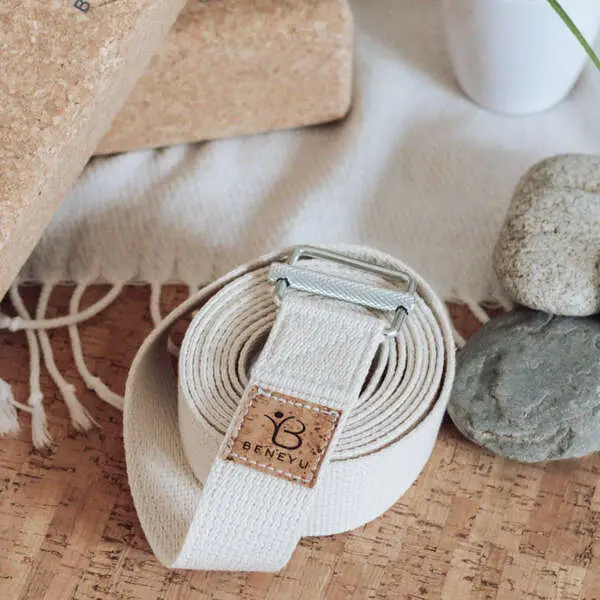
As a variation, you can work with a strap by looping it over the upper sole of the foot and carefully drawing your foot toward the head.
Physical Effect
Flexibility Master
Anantasana, also known as Vishnu''s Couch Pose, is a side-lying position that especially stretches the lateral musculature of the body, including the side abdominal muscles (the “obliques”) and the adductors of the extended leg side. It can help improve the flexibility in these areas.
Balance Hero
This asana requires a high measure of balance and stability. This leads to an activation and strengthening of the deep-lying stabilizers such as the transversus abdominis and the smaller stabilizing muscles in the hips and the pelvis.
Breathing Optimizer
Through the lateral extension in Anantasana, the ribcage is also expanded and the intercostal musculature stretched. This can improve breathing by increasing the breathing capacity and strengthening the respiratory musculature.
Effects on Psyche and Emotions
Balance Artist
Anantasana requires balance and equilibrium, which can symbolically lead to a more balanced perspective in everyday life.
Relaxed Focus
The concentration on the body and the breath work in Anantasana can help reduce mental distractions and calm the mind.
Leap of Trust
Anantasana can also strengthen the trust in one's own abilities, as one learns to balance oneself in a challenging posture. This ability can also be transferred to other areas of life.
Props
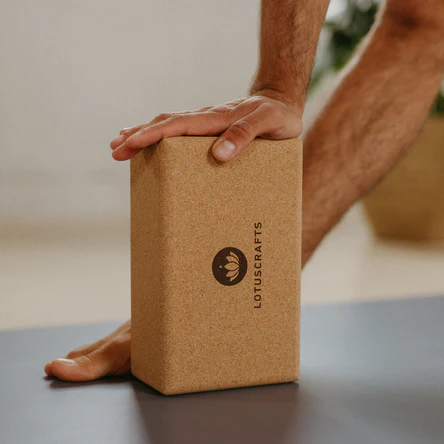
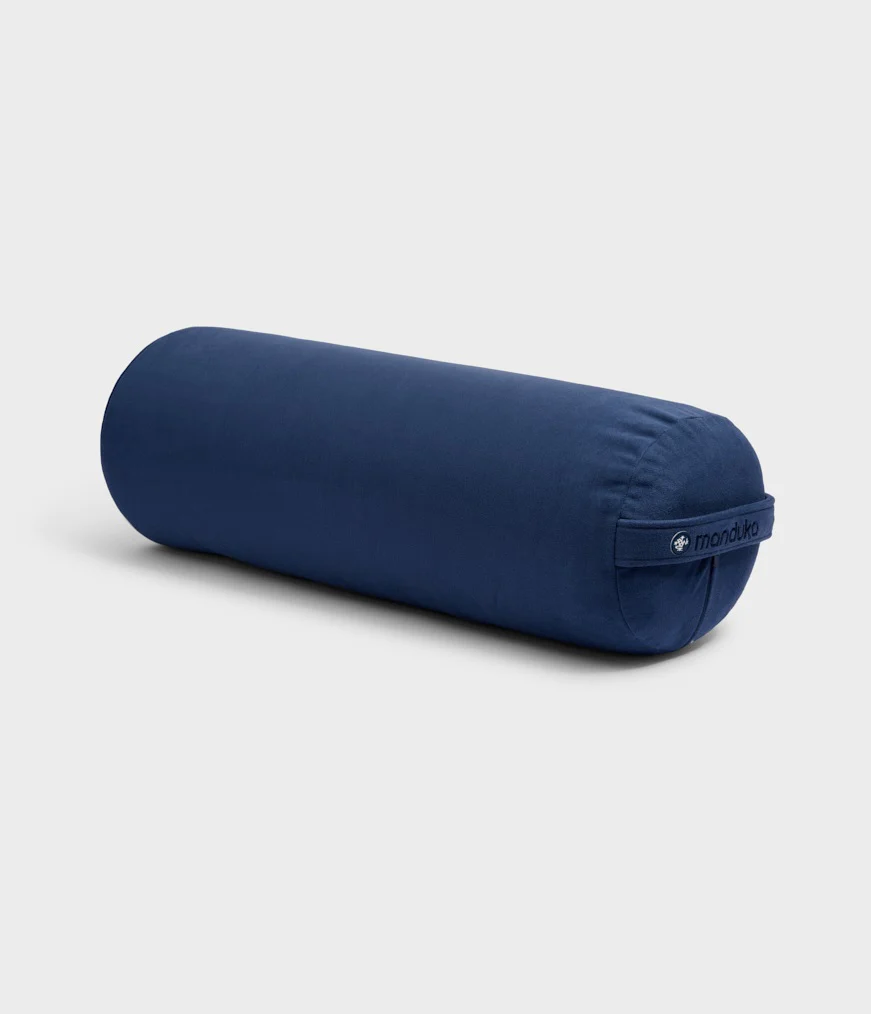
Also interesting!
Author of this Asana
Manish Rana is a certified yoga teacher and founder of asanaverse.de. He writes about topics around yoga, ayurveda and meditation. Manish owes his deep connection to yoga to his Indian roots, through which he came into contact with this practice early on.
Learn more about our team here →DISCOVER MORE
More Side Bends
Get our free ebook with 108 asanas now!
With great care and passion, we have selected and described 108 of the most important asanas for you in detail!
Perfect for your practice and cues ;)
Thank you for being here!
Thank you for being here and being part of this ever-evolving platform! We strive to keep growing and improving.
Your feedback is invaluable. Namasté 🙏
Comments feature coming soon. 💬
Guide
Browse our guide now
Accessible Yoga Mobility: Chair Yoga and Inclusive Asanas for All Bodies
Ahimsa – Gewaltlosigkeit als Fundament des Yoga und Lebens
Yoga Sutras zusammengefasst – Kapitel 2 (Sadhana Pada): Pfad der Praxis
Meditation bei Überforderung und Angststörung: Achtsam bleiben in turbulenten Zeiten
12 Wege, das Sitzen in der Meditation zu erleichtern — Stabiler sitzen, tiefer meditieren
Brahmacharya: Quelle des Lebens für mehr Lebenskraft und Vitalität