Shiva in Yoga: Yoga, Meditation & Spiritual Practice
Shiva in Yoga: Yoga, Meditation & Spiritual Practice
Expert Verified by Mamta Rana
Today we venture into the roots of a figure who is as fascinating as he is paradoxical, Shiva, who is destroyer and creator at once, who meditates in the stillness of the Himalayas and shakes the universe in his cosmic dance. Shiva in Yoga holds a central role that goes far beyond the boundaries of traditional understanding. But what makes Shiva so relevant, not only for the devoted followers of Hinduism, but also for city yogis and spiritual seekers worldwide?
Shiva represents the eternal principle of transformation and renewal. In a world that is constantly changing, Shiva reminds us that destruction is not the end but the beginning of something new. This perspective is especially appealing in our present time, when change seems to be the only constant. In the practice of Yoga, Shiva is often seen as the ultimate yogi, who has the ability to enter, through deep meditation, the state of highest awareness and stillness. His stories and symbols are deeply woven into the teachings of yoga and offer us valuable insights into our own lives and our practice.
But let us be honest, the figure of Shiva is not without its contradictions. He is an ascetic hermit and at the same time a loving family man, father of Ganesha, a fearsome warrior and a peaceful meditator. In this multifacetedness lies his true beauty. Shiva teaches us to embrace the complexity of life and to accept the duality of our existence. Perhaps that is the real reason why Shiva remains so relevant today, in a time marked by extreme contrasts and rapid change.
In this guide, you will take with you:
- A deeper understanding of Shiva: discover the complex nature of Shiva and how it manifests in Yoga practice.
- Deepening spiritual practice: learn how Shiva mantras and meditation can strengthen your connection to the divine.
- Integration into everyday life: discover how Shiva's philosophy helps you find balance and harmony in modern life.
Why we chant Om after the yoga class
This powerful mantra, which invokes Shiva, is more than just an invocation. It is a reminder that we are all part of a greater whole, connected through the universal forces of creation, preservation and destruction. In yoga practice, this mantra helps us reach our highest self and establish a deeper connection with the universe.
Before we dive deeper into the myths and legends surrounding Shiva, into his symbolism and significance for Yoga, let us pause for a moment and honor this powerful presence. Let us be open to Shiva's teachings, which can accompany us on our path toward personal and spiritual development.
With that in mind, dear readers, get ready to embark on a journey that will lead you not only to the roots of one of Hinduism's most fascinating deities, but also deep into the heart of what it means to practice Yoga in the modern world. I promise, it will be a journey full of insights and aha moments.
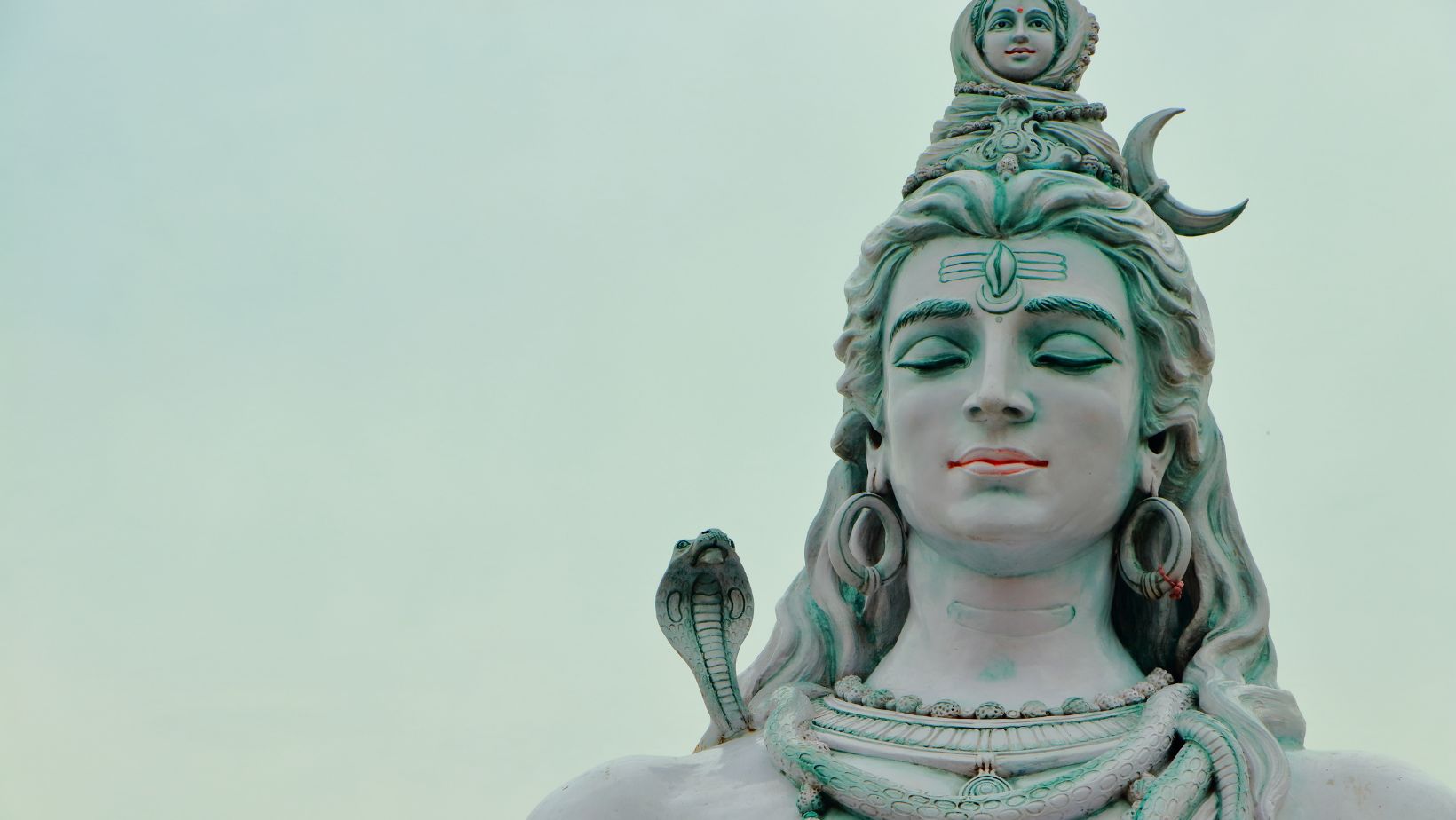
Shiva, a deity who juggles many roles: destroyer, creator, meditator, dancer. The stories about Shiva are as varied as the universe itself. One of the best known legends is that of the cosmic dance, Tandava. It is said that through his dance Shiva governs the creation and destruction of the universe. A single movement of his feet can create or destroy worlds. Yet behind this apparent destruction lies creation: an eternal cycle that reminds us of the necessity of change and growth in our own lives.
But Shiva is not only the distant cosmic dancer. Stories of his role as husband to the goddess Parvati show his loving, familial side. These accounts reveal the balance between strength and tenderness, between infinity and everyday life, that Shiva holds within himself.
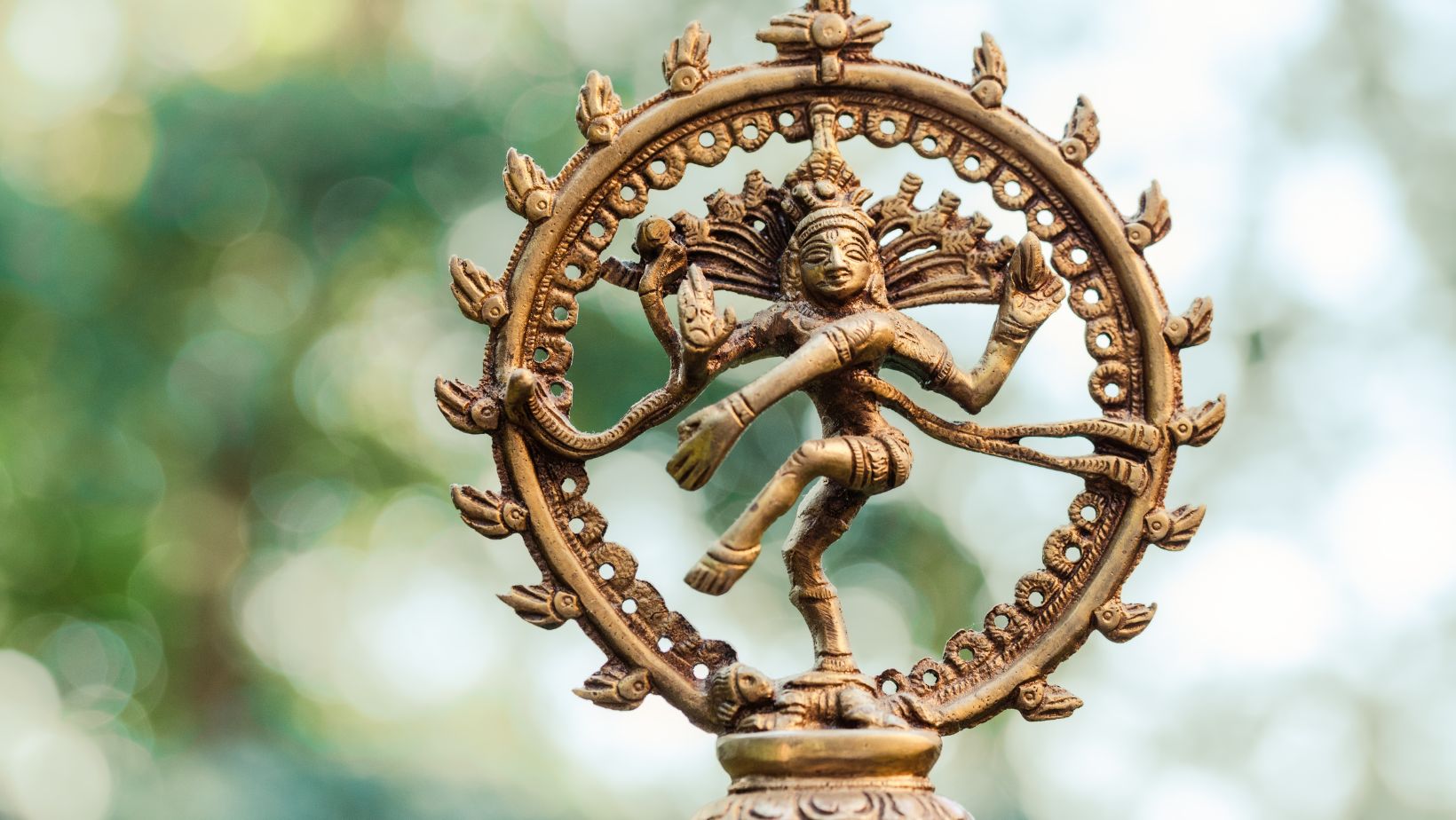
In Hinduism, Shiva takes on countless forms, each one symbolizing a different aspect of life and the universe. From Nataraja, the Lord of the Dance, who represents the cosmic cycles of creation and destruction, to Ardhanarishvara, the perfect fusion of Shiva and Parvati, symbolizing the unity of male and female, of active and passive energies. These varied forms help us understand the complexity of life and the diversity of the divine nature.
Every form of Shiva carries deep symbolic meaning, teaching us to accept the duality of life and to find harmony within opposites. The stories and depictions of Shiva in these different forms offer rich material for meditation and reflection, allowing practitioners to connect with different aspects of their own nature and of the cosmos.
2. Shiva's symbolism and its meaning Shiva's manifestationsShiva reveals himself in countless manifestations that carry profound spiritual meanings. Every form, whether the meditating yoga master, the wild Bhairava, or the peaceful Shivalingam, reflects a universal principle or a cosmic truth. This diversity within unity shows us that the divine is not confined to a single form but exists in everything and everyone.
In the form of the meditating yogi, often depicted in deep absorption, Shiva teaches us the meaning of meditation and inner stillness. This depiction reminds us that true insight and connection with the divine is reached through introspection and reflection.

Your Ultimate Prana Guide to Vitality & Life Force
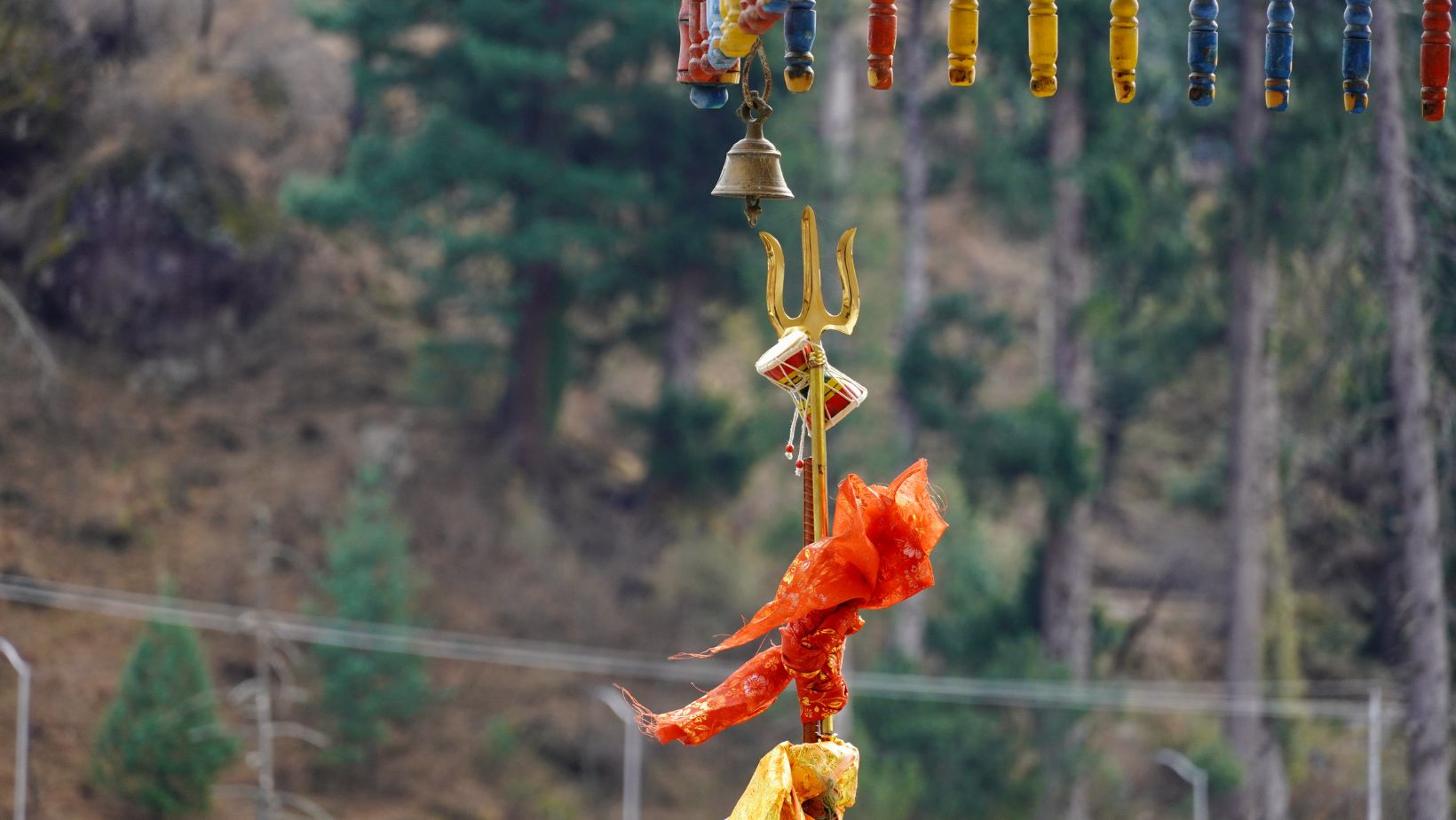
Shiva's trident (Trishula) as a symbol in yoga posesThe trident, or Trishula, is a powerful symbol often associated with Shiva. It represents the three fundamental aspects of life: creation, preservation and destruction, but also the three gunas: sattva (harmony), rajas (movement) and tamas (inertia). In yoga practice, the trident reminds us that we should strive for balance between these forces in order to achieve harmony in our lives.
Many yoga poses and movements aim to foster this balance and to connect us with the deep wisdom inherent in the Trishula. Every performance of a pose is an invitation to explore and bring into harmony the threefold nature of our being.
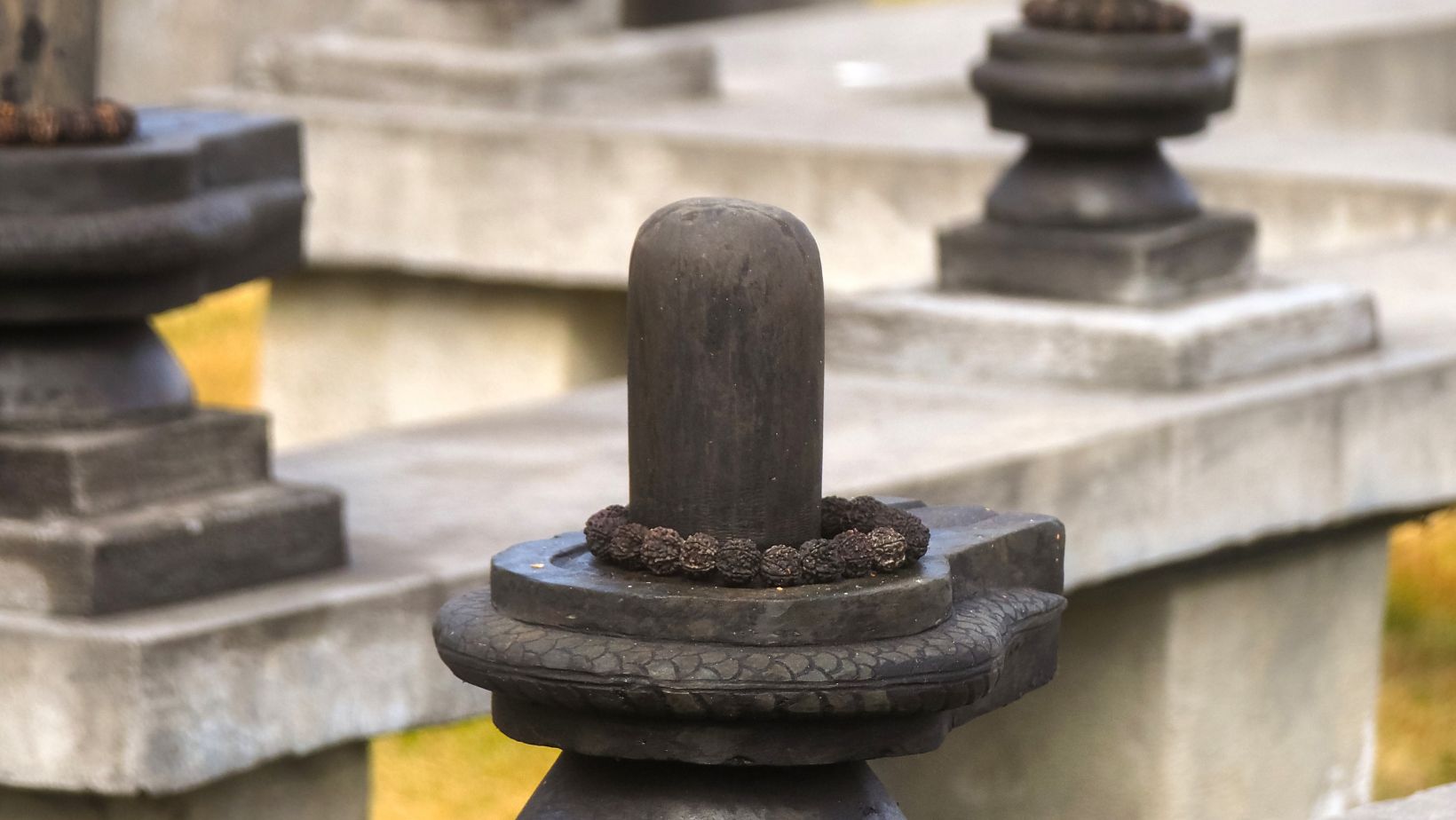
The Shiva Lingam, a symbol of the divine, represents Shiva in his formlessness and is a powerful object of veneration and meditation. It symbolizes the unity of Shiva and Shakti, of consciousness and energy, and reminds us of the inseparable connection between matter and spirit.
In meditation, the Shiva Lingam can serve as a focal point, helping us concentrate on the unity of all things and recognize our own divine nature. This practice helps expand consciousness and immerse us more deeply in the stillness and calm that Shiva embodies.
Die Bedeutung von RudrakshaRudraksha, die Samen, die traditionell mit Shiva in Verbindung gebracht werden, sind nicht nur Schmuckstücke, sondern tragen eine tiefe spirituelle Bedeutung. Es wird gesagt, dass das Tragen von Rudraksha-Samen Schutz bietet, die Konzentration fördert und die Meditation vertieft. Diese Samen symbolisieren die Tränen Shivas, die er aus Mitgefühl für die Menschheit vergossen hat, und erinnern uns an die Verbindung zwischen unserem physischen Dasein und dem spirituellen Pfad.
Rendered as English: The Meaning of RudrakshaRudraksha, the seeds traditionally associated with Shiva, are not merely pieces of jewellery, but carry a deep spiritual meaning. It is said that wearing rudraksha seeds offers protection, supports concentration, and deepens meditation. These seeds symbolise the tears Shiva shed out of compassion for humanity, and they remind you of the connection between your physical existence and the spiritual path.
Shiva is often regarded as the Adi Yogi, the first yogi, who is said to have given the science of Yoga to humanity. His role as teacher and practitioner of yoga symbolises the search for inner peace, enlightenment, and harmony between body, mind, and soul. This profound connection underlines how Shiva is present not only in myths and legends, but also as an essential part of yoga philosophy and practice.
In modern Yoga practice, Shiva serves as inspiration for the unity of action and awareness, a reminder that yoga is not only a series of physical exercises, but a comprehensive path to self-realisation.
Shiva Mantras for Yoga and MeditationThe use of mantras, especially "Om Namah Shivaya", plays an essential role in yoga and meditation practice. This mantra, which expresses deep reverence for Shiva, helps practitioners centre themselves, expand their awareness, and establish a connection to the divine. Reciting or chanting Shiva mantras during practice can deepen the experience by helping to calm the mind and create an atmosphere of devotion and focus.
Deepening Your Yoga Practice Through Shiva StoriesThe stories about Shiva offer not only fascinating insights into Hindu mythology, but also serve as metaphorical tools for conveying the deeper teachings of Yoga. They remind you that your practice extends beyond the mat and should flow into every aspect of your life. By reflecting on Shiva's stories, you can learn how to deal with challenges, find balance in your life, and develop your inner strength and flexibility.
The Dynamic of Shiva and Shakti in YogaThe concept of Shiva and Shakti illustrates the union of masculine and feminine energies, of consciousness and action. This duality is reflected in the practice of Hatha Yoga, where the balance between sun (Ha) and moon (Tha) is sought. The teachings on Shiva and Shakti encourage you to seek harmony and unity in your practice and daily life by acknowledging and integrating the complementary forces within yourself and in the world around you.
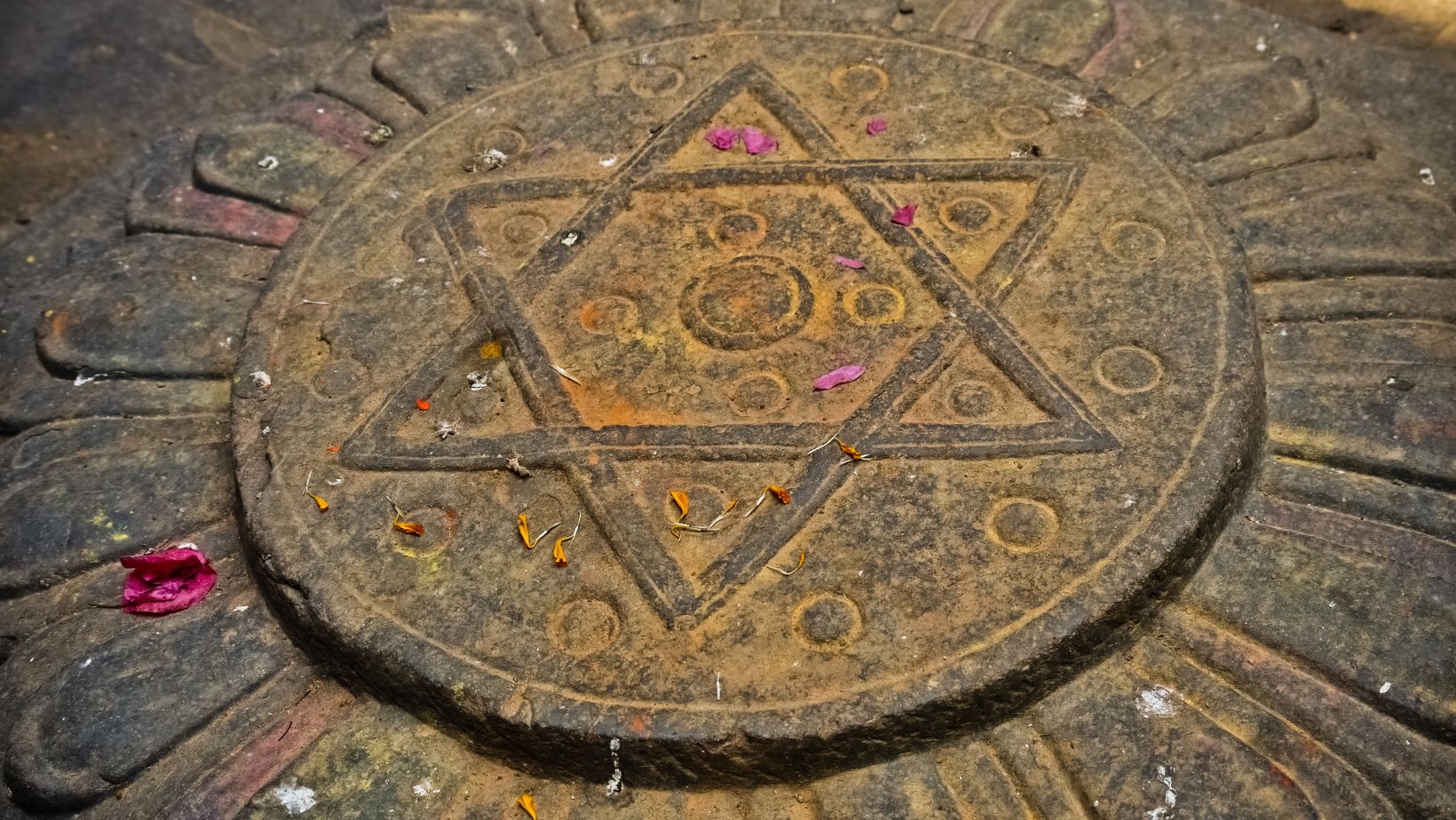
Mahashivratri, the "Great Night of Shiva", is a festival celebrated annually in honour of Lord Shiva. It symbolises the union of Shiva and Shakti and commemorates the overcoming of darkness and ignorance in life and in the world. In the Yoga tradition, this night is understood as a time of profound meditation, reverence, and reflection on the inner self. It is believed that on this night Shiva himself was absorbed in meditation and, through his devotion, filled the world with spiritual energy.
It is not only a spiritually significant festival for yogis and followers of Hinduism, but also a time of profound ritual practices celebrated by the Hindu community both in India and worldwide. This festival falls on the 14th day of the dark half of the lunar month (Krishna Paksha) in the month of Phalguna, which usually falls between late February and mid March in the Gregorian calendar.
How Mahashivratri Is Celebrated:
-
Fasting: Many devotees fast on Mahashivratri to demonstrate their purity and devotion. Fasting ranges from complete abstinence from food and water to a special diet of fruits and dairy products.
-
Staying Awake and Meditating: The night is often spent in wakefulness, with meditations and prayers extending until the following morning. This vigil symbolises the alertness of consciousness and the readiness to overcome the inner darkness of ignorance.
-
Ritual Bathing: Shiva lingams, which are symbolic representations of Shiva, are bathed with water, milk, and honey. This takes place in temples and households, accompanied by the recitation of mantras, especially "Om Namah Shivaya".
-
Offerings: Flowers, fruits and leaves, especially the bilva leaf, which is very dear to Shiva, are placed on the Shiva Lingam. This act symbolizes the purification of the soul.
-
Singing of Bhajans and Mantras: The night is filled with the singing of spiritual songs (bhajans) and the recitation of mantras to praise Shiva. These practices strengthen the spiritual atmosphere and support meditation.
-
Visiting Temples: Many devotees visit Shiva temples to take part in the ritual ceremonies. In India, famous Shiva shrines such as those in Varanasi and Somnath attract thousands of pilgrims.
The Meaning of the Festival:
Mahashivratri reminds us of the overcoming of darkness and ignorance within ourselves through the union of Shiva (consciousness) and Shakti (energy). It is a time when the spiritual energies are especially strong, and it offers a valuable opportunity to encourage inner purification, renewal and spiritual growth. The practices and rituals of Mahashivratri serve to direct attention inward, deepen the connection to the divine and seek blessings for one's own spiritual and material well being.
Om Namah ShivayaThe mantra "Om Namah Shivaya", one of the most powerful mantras in Hinduism, is recited especially often during the period around Mahashivratri. It is a five syllable mantra that represents the five elements of which the universe is made, and it serves to purify the mind and unite the soul with the divine. In yoga practice, reciting this mantra helps to center awareness and to arrive at a deeper understanding of one's own spiritual identity. It fosters inner calm, strengthens meditation and supports practitioners in experiencing a deeper connection with the universe and the divine.
The spiritual practice surrounding Mahashivratri and the use of the "Om Namah Shivaya" mantra make clear the central role that Shiva holds in the spiritual quest and in yoga. They offer an opportunity to go beyond the physical aspect of yoga and to explore the deeper, spiritual dimensions of our practice.
5. Shiva's Relevance in Modern Practice and Philosophy Shiva's Philosophy and Its Influence on Modern Yoga PracticeShiva's teachings and the practices attributed to him are deeply rooted in the philosophy of yoga and continue to influence yogis worldwide today. Shiva in yoga places emphasis on meditation, self discovery and the harmonizing of opposites, which can be found reflected in many modern yoga practices. In a world that is becoming ever faster and more complex, a return to Shiva's wisdom offers a counterbalance that promises calm and clarity.
Modern yoga practice, often understood as physical exercise, gains a deeper dimension through the integration of Shiva's philosophical concepts. It reminds us that yoga is more than just asanas: it is a path to unity with the self and the universe, a practice that brings body, mind and soul into harmony.
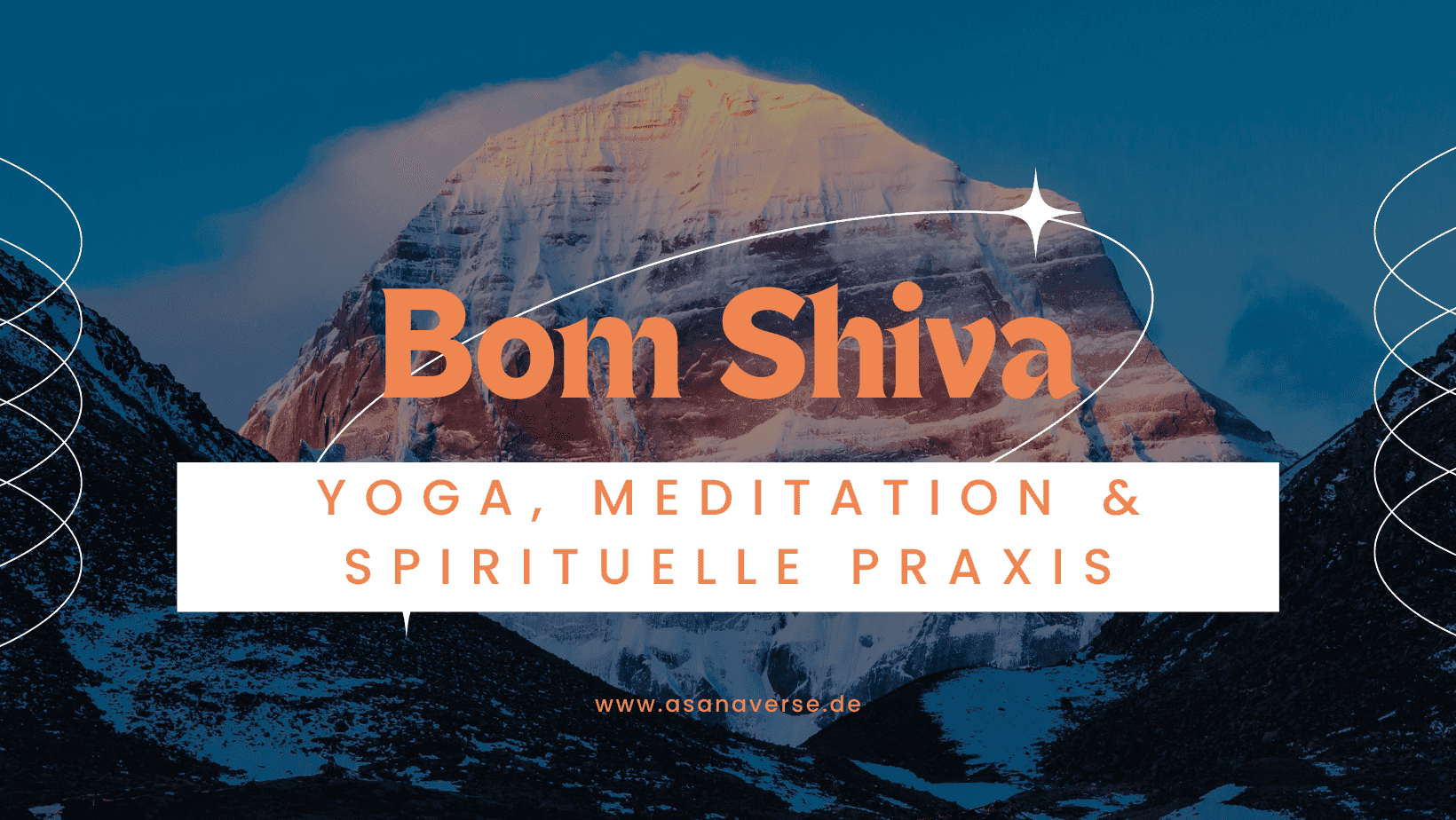
"Bom Shiva" Meaning and Its Application TodayThe invocation "Bom Shiva", often heard at celebrations and spiritual gatherings, is an expression of reverence and joy in Shiva's presence. It symbolizes liberation from illusions and the celebration of life in all its facets. In today's world, this mantra reminds us to live in the moment, to accept the duality of existence and to embrace life with all its highs and lows.
The meaning of "Bom Shiva" in the modern world also lies in recognizing the need to look beyond limited perspectives and to develop a deeper, universal point of view. It calls on us to understand destruction as part of the process of creation and to accept the constant transformation of life.
In ClosingThe journey through Shiva's stories, symbols and teachings shows how profound and multifaceted his presence is in the world of yoga and spirituality. From deep meditation to the solemn recitation of mantras, from exploring his myths to integrating his philosophy into modern practice, Shiva offers us a rich spectrum of tools and insights for our spiritual development.
In a world that is often marked by unrest and uncertainty, returning to Shiva offers us a source of inspiration and peace. His teachings remind us that within every ending lies a new beginning, and that true strength is found in the ability to transform and adapt. With that, we have reached the end of our Shiva guide. I hope this article was informative and inspiring for you. If you have questions or need further information, do not hesitate to contact me. Enjoy your practice.
Namaste


Note: Some of the links in this article may be affiliate links, which can bring us a commission at no cost to you if you decide to buy something. These are products that we have personally used and stand behind. This website does not serve as financial advice, it is intended for entertainment purposes only. You can read the disclosure of our partners in our privacy policy.
More articles from this category
The Meaning of the Svadhisthana Chakra
Learn the meaning of 108 in our learning tools.
What Is the Muladhara Chakra?
Learn the meaning of 108 in our learning tools.
What Is Ahimsa
Learn 5,000-year-old wisdom in fast motion. Here you will find out what ahimsa is.