Yin Yoga entmystifiziert: Was ist Yin Yoga und warum du es ausprobieren solltest
Willkommen zu unserer ersten Station auf der Reise in die Welt des Yin Yoga! Was ist Yin Yoga? Es ist wie eine sanfte Umarmung für Körper und Geist, eine Einladung, loszulassen und tiefer in uns selbst einzutauchen. Es ist eine Art von Yoga, die unseren Körper weich formt und unsere Gedanken zur Ruhe bringt. Anstatt mit kraftvollen, aktiven Bewegungen, öffnen wir uns im Yin Yoga langsam und geduldig, um dem Fluss unserer Lebensenergie mehr Raum zu geben.
Anders als die feurigen und kraftvollen Asanas des Yang Yoga, ist Yin Yoga sanft, ruhig und tiefgehend. Die Asanas im Yin Yoga werden länger gehalten, manchmal mehrere Minuten lang. Aber fürchte dich nicht! In dieser scheinbaren Stille liegt eine tiefe und kraftvolle Transformation.
Du fragst dich vielleicht: Warum ist das so besonders? Nun, im Yin Yoga erkunden wir die verborgenen Tiefen unseres Seins, die dunklen, ruhigen Wasser unserer inneren Landschaft. Es ist eine Praxis, die uns erlaubt, uns selbst und unserer inneren Wahrheit zu begegnen. So öffnen wir die Türen zu einem tiefen, liebevollen Verständnis von uns selbst und unserer Verbindung zur Welt.
Das lernst du:
- die Grundprinzipien und den Nutzen des Yin Yoga, einschließlich seiner Wirkung auf den physischen Körper, die Psyche und das emotionale Wohlbefinden.
- einen Überblick über neun zentrale Asanas im Yin Yoga, inklusive detaillierter Anleitungen zur korrekten Ausführung und Informationen zu den beeinflussten Meridianen und den jeweiligen Wirkungen.
- ein tieferes Verständnis dafür, wie du Yin Yoga in deine eigene Praxis integrieren kannst, um dein persönliches Wohlbefinden und deine Gesundheit zu verbessern.
Yoga Stile: Der ultimative Guide für urbane Yogis, finde deinen Stil
Bevor wir uns weiter auf den Weg durch die faszinierende Yin-Yoga-Landschaft machen, möchte ich dich einladen, dich mit mir auf eine Entdeckungsreise in die Welt deines Körpers zu begeben. Denn in deinem Körper gibt es ein weit verzweigtes Netzwerk, das oft übersehen, aber von entscheidender Bedeutung ist: das faszinierende Fasziennetzwerk.
Faszien sind das Bindegewebe, das jeden Muskel, jedes Organ und jeden Knochen in deinem Körper umhüllt und miteinander verbindet. Stelle sie dir wie das weiße, faserige Gewebe vor, das eine Orange umhüllt und ihre einzelnen Segmente voneinander trennt. Sie sind die unsichtbaren Fäden, die alles in dir miteinander verweben und einen harmonischen Fluss der Energie in deinem Körper ermöglichen.
Im Yin Yoga legen wir besonderen Wert auf die Arbeit mit den Faszien. Durch die länger gehaltenen, sanften und passiven Positionen ermöglichen wir es den Faszien, sich langsam zu dehnen und zu öffnen. Dieser Prozess fördert die Geschmeidigkeit und Elastizität deiner Faszien und hilft so, Verspannungen zu lösen und Schmerzen zu lindern.
Auf therapeutischer Ebene können gesunde und gut hydratisierte Faszien dazu beitragen, die körperliche Beweglichkeit zu verbessern und das allgemeine Wohlbefinden zu fördern. Es ist, als würden wir einen inneren Frühjahrsputz durchführen, der uns hilft, alte, festgehaltene Energien loszulassen und Raum für Neues zu schaffen.
Darüber hinaus ist die Arbeit mit den Faszien eine kraftvolle Möglichkeit, um Zugang zu unserem Inneren zu erlangen. Wenn wir uns bewusst und liebevoll unseren Faszien zuwenden, können wir emotionale und energetische Blockaden lösen, die in diesem körperlichen Netzwerk gespeichert sind. Es ist eine Einladung, tiefer in uns selbst einzutauchen und uns mit unserem wahren Ich zu verbinden.
Nun, stell dir deinen Körper wie ein geschäftiges Netzwerk aus Sternensystemen und Galaxien vor. Und anstatt durch den Weltraum reisen wir durch die einzigartige Landschaft deiner Faszien, deiner Muskeln und deiner Gelenke.
In der Praxis des Yin Yoga bleiben wir für mehrere Minuten in einer Asana, einer Pose. Während dieser Zeit senden wir unsere gedanklichen Sonden in die Tiefe unseres Körperuniversums und laden die Faszien ein, sich zu entspannen und zu dehnen. Das hat eine wundervolle therapeutische Wirkung: Es kann helfen, Verspannungen zu lösen, Gelenke zu mobilisieren und sogar chronische Schmerzen zu lindern.
Aber warte, da ist noch mehr! Yin Yoga hat eine erstaunliche Fähigkeit, den Fluss unserer Lebensenergie, auch bekannt als Prana oder Chi, zu verbessern. Durch die tiefe Atmung und das bewusste Entspannen in den Asanas fördern wir die Zirkulation dieser Energie. Das Ergebnis? Ein Gefühl von Vitalität und Frische, als hättest du eine kosmische Dusche genommen!
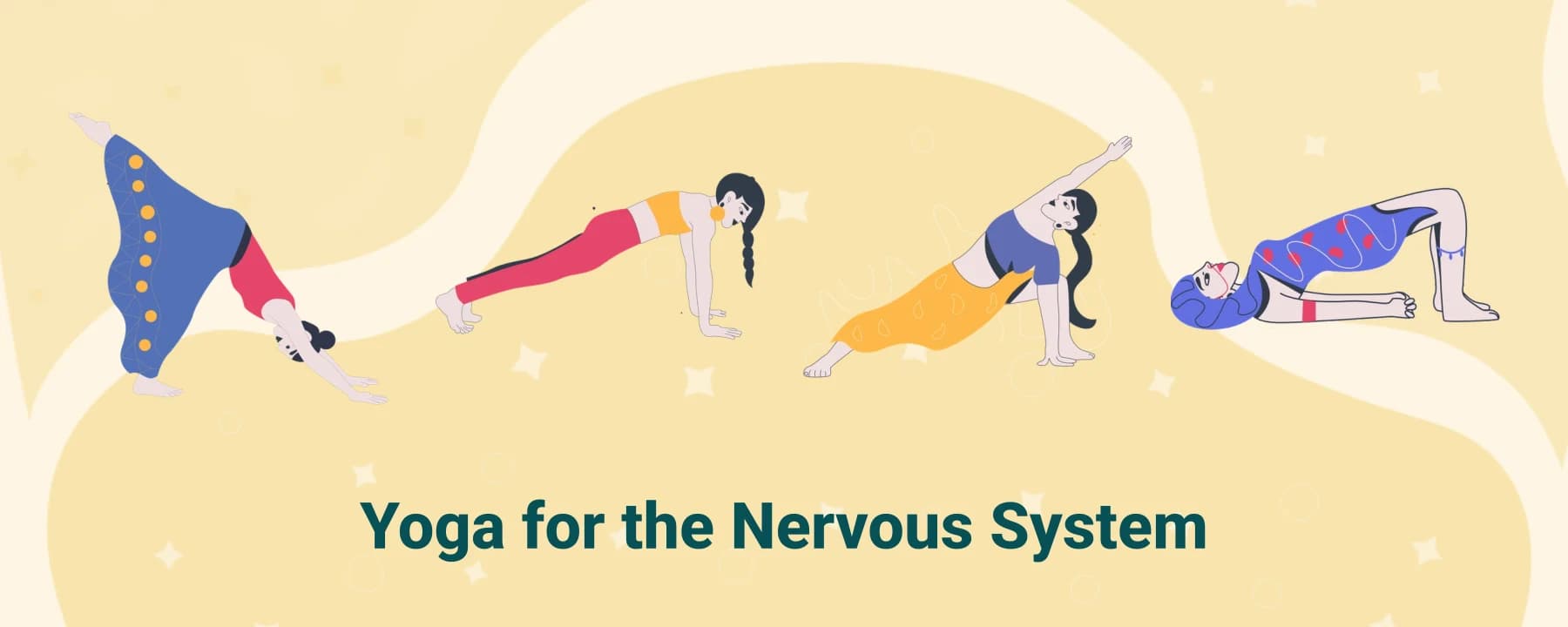
Und als ob das nicht schon genug wäre, hat Yin Yoga auch positive Auswirkungen auf unser Nervensystem. Indem wir in den Posen verweilen und uns auf unsere Atmung konzentrieren, stimulieren wir den Parasympathikus, den Teil unseres Nervensystems, der für Entspannung und Regeneration zuständig ist. Es ist, als würden wir den Schalter von "Stress" auf "Chill" umlegen.
In unserem Alltag können wir leicht vergessen, dass Körper und Geist zwei Seiten derselben Medaille sind. Was wir körperlich erleben, hat Auswirkungen auf unsere Emotionen, und umgekehrt. Yin Yoga, mit seiner sanften und tiefgehenden Praxis, lehrt uns genau diese Verbundenheit und zeigt uns Wege, wie wir unser emotionales Wohlbefinden beeinflussen können.
Indem wir in den Asanas verweilen, geben wir uns selbst die Möglichkeit, in uns hineinzuhorchen, uns zu beobachten, ohne zu werten. Wir erkennen, wo wir festhalten, wo wir Widerstand spüren, und wir lernen, loszulassen. Dieser Prozess des Loslassens kann sich nicht nur auf unseren Körper, sondern auch auf unsere Emotionen auswirken. Ängste, Sorgen und Stress können sich auflösen und Raum schaffen für Ruhe, Akzeptanz und Gelassenheit.
As we linger in the asanas, we give ourselves the opportunity to listen inward, to observe ourselves without judging. We recognize where we hold on, where we feel resistance, and we learn to let go. This process of letting go can affect not only our body, but also our emotions. Fears, worries and stress can dissolve and create space for calm, acceptance and serenity.
Additionally, Yin Yoga can help us understand our emotions on a deeper level. Traditional Chinese medicine, which is closely linked to Yin Yoga, connects certain organs and meridians with certain emotions. Through targeted asanas, we can therefore address and influence particular emotional states.
With Yin Yoga, we can learn to handle our emotions gently, to accept and integrate them instead of fighting against them. It is an invitation to get to know ourselves better and to develop a deeper connection to our feelings. And by strengthening this connection, we can find a path to greater emotional balance and inner peace.
Why do we "Om" at the end of a yoga class? The meaning of Om explained
In the world of Yin Yoga, we are detectives of our inner landscapes. To support these explorations, there are a few magical tools that can accompany us on our journey. Let us take a look inside our Yin magic kit.
Our base station, our anchor point. Choose a mat that offers you enough grip, but is also comfortable enough to linger on for longer periods.
Look here to find the perfect mat
These can serve as support in various asanas, to achieve better alignment and stability.
Look here to find the perfect mat
They are the true heroes of Yin practice. They support, cushion and offer comfort in the positions where we stay for longer periods.
Look here to find the perfect mat
A strap can help extend your reach in certain positions and make stretching easier.
Look here to find the perfect mat
They are ideal for providing extra comfort, keeping you warm, and can be used for support in certain positions.
A small extra for deeper relaxation during final relaxation (Savasana) or meditation.
Each of these aids has its role and helps us get the most out of our practice. They are our partners on the path to deeper connection and self discovery.
When entering the Yoga universe, you encounter many different planets, each with its own unique landscape, atmosphere and inhabitants. Two of these planets, Yin Yoga and Restorative Yoga, may seem very similar at first glance, but on closer inspection they reveal their unique characteristics.
Yin Yoga is like a gentle mountaineer who encourages us to venture deeper into our inner terrain. By holding positions for a long time, it aims to reach deep lying tissue layers such as the fascia. It is not about total relaxation, but about enduring and exploring our individual limits. In the stillness and patience of Yin, we sometimes discover emotional and physical layers that remain hidden in more movement oriented Yoga styles.
Restorative Yoga, on the other hand, is like a gentle, calming sea that invites us to relax completely and restore ourselves. It often uses more aids such as bolsters, blocks and blankets to ensure full support of the body. The asanas are less focused on reaching deep tissue layers and more on enabling profound relaxation and regeneration. It is less about penetrating into unknown terrain and more about tending to what is already known.
So, are Yin and Restorative Yoga siblings or distant relatives? The answer depends on your perspective. They share a common DNA: the pursuit of inner calm, deep connection and conscious presence.
Look into our Asana Lab and find more asanas
In Yin Yoga, as in Hatha Yoga, there is also a wide variety of poses or asanas that can be performed, but they all share a common theme: long holds and deep stretching. Here we present some of the most common poses and how they affect our physical and mental state.
This asana opens the heart, stretches the upper back and creates space for breathing and letting go. It affects the meridians of the bladder, the heart and the lungs. The position is held for 3 to 5 minutes.
This pose stretches the inner thighs and helps open the hips. It affects the meridians of the gallbladder and kidneys. The position is held for 3 to 7 minutes.
This asana stretches the spine and calms the mind. The position is held for 3 to 7 minutes.
This asana opens the hips, strengthens the lower body and builds balance. It affects the meridians of the spleen, the stomach, the liver and the gallbladder. The position is held for 3 to 5 minutes.
This asana strengthens the spine and opens the heart. The position is held for 5 to 20 minutes.
This asana opens the hips and calms the mind. The position is held for 3 to 5 minutes.
This asana stretches the hips and calms the mind. It affects the meridians of the liver, kidney, stomach, spleen, gallbladder and bladder. The position is held upright for 1 to 3 minutes and then held lying down for another 3 minutes.
This asana stretches the front of the body and strengthens the spine. It affects the meridians of the spleen, stomach and bladder. The position is held for 1 to 5 minutes.
This asana opens the heart, strengthens the spine and calms the mind. It affects the meridians of the spleen, stomach, heart and lungs (when the arms are stretched upward). The position is held for 5 minutes or longer.
Take a look at our Asana Lab and find more asanas
Manish Rana is a Yoga teacher and founder of asanaverse.de. He writes about topics related to Yoga, Ayurveda and meditation. Manish owes his deep connection to yoga to his Indian roots, through which he came into contact with this practice early on. He has completed numerous training programs and is an expert in his field.
He enjoys spending time in the kitchen, creating healthy, tasty dishes to keep body and mind in balance. As an active person, Manish also enjoys motorcycling, exploring new surroundings as an adventurer, and stays in top shape through fitness exercises.
Join our community and unfold the full benefits that a deeper knowledge of Yoga can bring!