Garudasana
Eagle Pose
Soar with us in Garudasana Uncovered, where the intertwining of body and mind becomes one. Like the mythical eagle circling high above the city rooftops, Eagle Pose offers a fusion of balance, focus and grace.
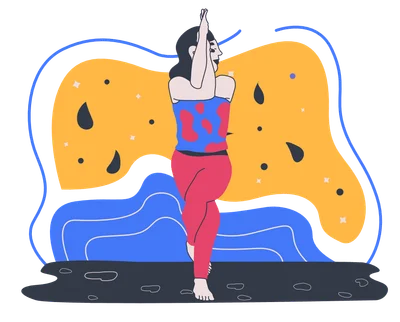
Category: Forward Bends
Forward Bends are asanas in which you gently stretch muscles and joints. They promote suppleness and mobility. Breathing in Forward Bends has a relaxing effect: you supply your muscles with oxygen and release tension.
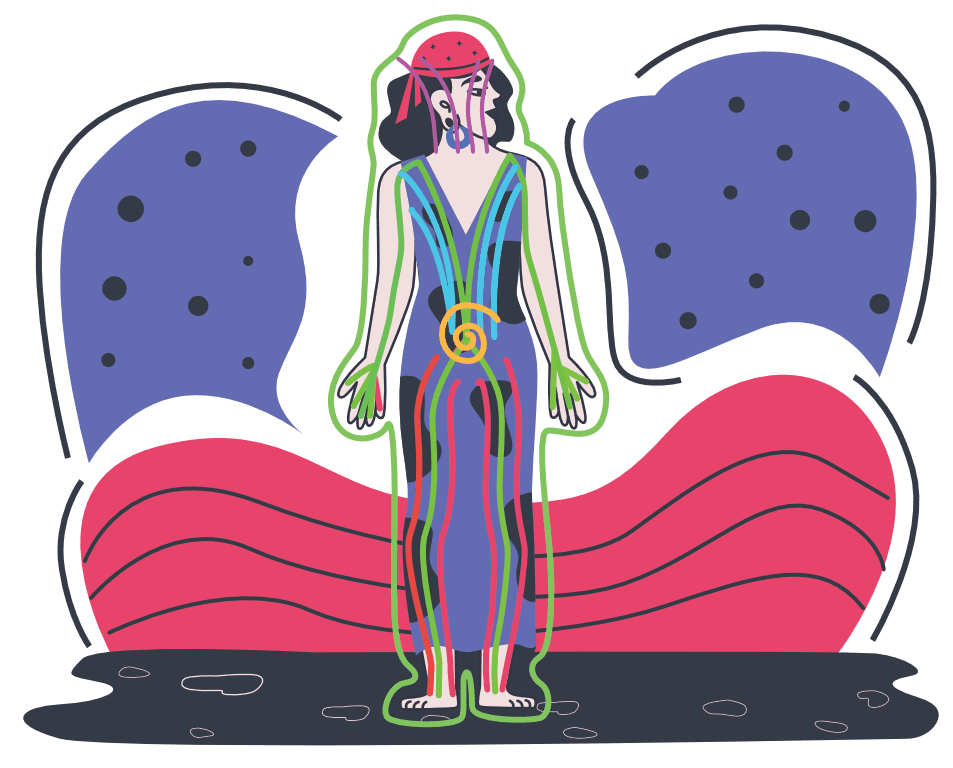
VAYUS
Each of the five Prana Vayus plays an essential role in our body and mind. They move and direct energy in specific directions, each with its own special area of influence and function. Eagle Pose has its own unique effects on these vayus.
Apana Vayu – The Grounding Force
▼
Located in the lower abdomen, Apana Vayu governs downward movement and elimination processes. Garudasana acts like a gentle press that activates this vayu and thereby supports detoxification. Physically it promotes elimination, while mentally it provides grounding and helps you let go.
Samana Vayu – The Balancing Force
▼
Located centrally in the abdomen, Samana Vayu stands for the distribution and assimilation of energy. Through the interlacing of arms and legs in Garudasana, this vayu is nourished, contributing to a harmonious distribution of energy in the body. Physically it supports digestion, mentally it fosters inner balance.
Prana Vayu – Expansion of Consciousness
▼
Located in the chest area and responsible for the breath and the intake of life energy, Prana Vayu is strengthened by Garudasana. The pose supports deeper breathing and thus promotes increased oxygen intake. Physically it vitalizes, mentally it heightens attention and clarity.
CHAKRAS
Muladhara Chakra (Root Chakra)
▼
In Garudasana, rooting on one leg while the rest of the body is held in balance calls for a strong connection to the root chakra. This pose strengthens the connection to the earth by requiring stability in the legs and a conscious activation of the lower body region. Through the tight wrapping of the legs, the lower body is “compressed” and supports grounding, which stimulates the Muladhara Chakra. The intense concentration on holding the balance fosters a sense of safety and stability – the core qualities of this chakra. This activation helps in everyday life to keep a firm footing in stressful situations and to strengthen trust in your own abilities.
Swadhisthana Chakra (Sacral Chakra)
▼
Through the deep angling of the legs and the gentle pressure on the hips, Garudasana stimulates the Swadhisthana Chakra, which sits in the pelvic area. This pose encourages the flow of energy in the pelvic floor, supporting creativity, joy of life and emotional balance. The pose “entwines” the legs, activating the energy channels in the lower body and releasing emotional blockages. This is ideal for harmonizing the sacral chakra and bringing more ease and flexibility into the daily expression of emotions and creativity. Garudasana can also help raise awareness of the pelvis, which intensifies the flow of creative energy.
Ajna Chakra (Brow Chakra)
▼
Holding the balance in Garudasana requires extreme mental focus, which addresses the Ajna Chakra, the third eye. Through the entwined arms and the relative tightness of the pose, mental clarity is called for, since the focus must be turned inward to maintain balance. This inner concentration activates the Ajna Chakra by calming the mind and fostering intuition. Garudasana brings clarity to the mind, strengthens the connection to inner guidance and can help in everyday life to make more intuitive decisions while staying mentally centered.
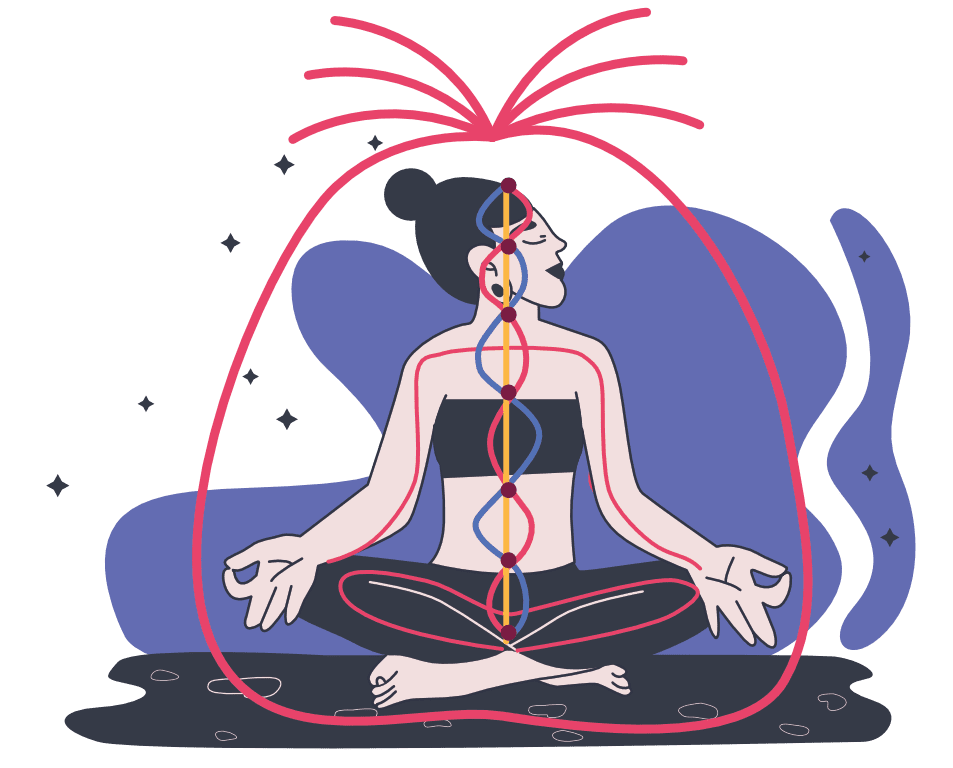
KOSHAS
Annamaya Kosha (Physical Body)
▼
Annamaya Kosha refers to the material, physical body. Garudasana, Eagle Pose, works on this layer by improving balance and coordination and by strengthening the legs and the muscles around the hips.
Pranamaya Kosha (Energy Body)
▼
Pranamaya Kosha deals with the energetic aspect of our being, the life force. Garudasana promotes the flow of prana by releasing tension in the joints, which can lead to improved energy circulation.
Manomaya Kosha (Mental Body)
▼
Manomaya Kosha comprises our mental and emotional state. Garudasana requires and fosters mental concentration and presence, which can calm and focus the mind.
Vijnanamaya Kosha (Intellectual Body)
▼
Vijnanamaya Kosha is the layer of intuition and deep understanding. Garudasana can improve self-awareness and body awareness, since the pose requires the integration of complex movements.
Anandamaya Kosha (Spiritual Body)
▼
Anandamaya Kosha represents the state of bliss and spiritual connection. Garudasana can foster a feeling of inner freedom and joy once you have found the balance and rest in the pose.
DOSHAS
Vata
▼
Garudasana helps reduce the restless Vata dosha by creating a balance between stillness and movement. The pose requires mindfulness and slow, conscious movements, which calms the often scattered Vata. By focusing on balance and stability, Garudasana is grounding and can help ease Vata-related anxiety and nervousness. The even flow of breath during the pose additionally supports calming Vata.
Pitta
▼
Garudasana fosters control and flexibility and has a calming effect on the fiery Pitta dosha. It encourages serenity and reflection, balancing the excessive ambition and competitive pressure that dominate Pitta. By requiring a balance between control and letting go, the pose helps reduce Pitta-related anger and overheating while maintaining cool, clear focus.
Kapha
▼
Garudasana, Eagle Pose, has a grounding and stabilizing effect that gently increases the Kapha dosha. The pose strengthens the connection to the earth, fosters a calm, steady energy and helps overcome sluggishness. By activating balance and concentration, it supports Kapha-typical stability and endurance. Garudasana enlivens Kapha through a harmonious blend of grounding and activation, without overexertion.

Key Information for Correct Execution
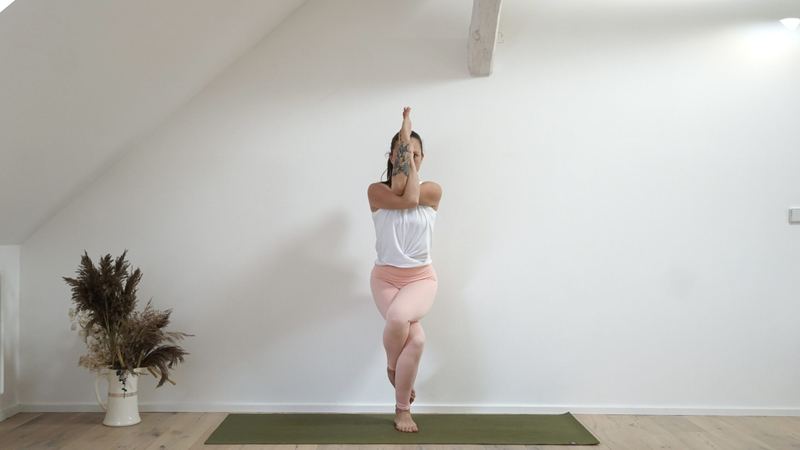
Meet Geraldine, a certified yoga teacher and psychology student who emphasizes mindfulness and alignment to inspire people toward a more peaceful life.
Common Mistakes
Common mistakes in Eagle Pose are a back that is not long, a rounded upper body, hips that do not point forward in parallel, and passive arms.
Our Tip
A tip for this pose is to remember that the arm on top is always the opposite of the leg on top. That means when the right leg is on top, the left arm goes on top and vice versa. This rule can help you find the correct alignment of arms and legs in Eagle Pose.
Physical Effect
Joint Flexibility
Garudasana, with its knotted arms and legs, improves flexibility and mobility in the joints, especially the shoulders and hips. Wrapping the arms stretches the backs of the deltoids and the rotator cuff, while intertwining the legs stretches the outer hip muscles, including the tensor fasciae latae and the iliotibial band. This pose can help increase the synovial fluid in the joints, supporting improved range of motion and reduced joint stiffness.
Neurovascular Activation
The complex crossings in Garudasana exert gentle pressure on the blood vessels and nerve pathways. When the pose is released, fresh blood flows into the arms and legs, improving circulation and aiding detoxification. This intermittent compression and relaxation can help improve capillary activity and stimulate lymphatic drainage, which is especially useful for swelling and water retention.
Core and Leg Strengthening
Garudasana challenges the muscle groups of the core and legs, as the body must be stabilized in a low, bent position. The isometric contraction of the quadriceps femoris in the standing leg and of the gluteus maximus supports the development of strength and endurance. This not only strengthens the muscles but also improves neuromuscular coordination, which is essential for performing complex movements and improving overall physical performance.
Effects on Psyche and Emotions
Entwined Focus
Garudasana, Eagle Pose, demands an entwined concentration that refines mental balance. The interlacing of the limbs requires such focused attention that the mind is forced to detach from external worries and anchor itself in the here and now.
Emotional Untangling
The physical intertwining in Garudasana symbolizes the untangling of complex emotional knots. The posture fosters openness to emotional insights and can contribute to a process of inner clarification.
Stability in Motion
Garudasana teaches the art of finding stability within movement. By balancing on one leg while entwining the arms and the other leg, you develop deep inner strength and the ability to remain calm and stable even amid change and chaos.
Props
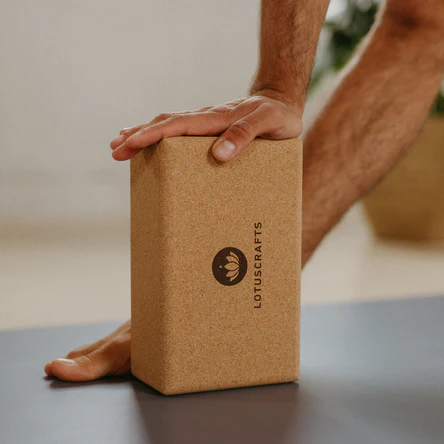
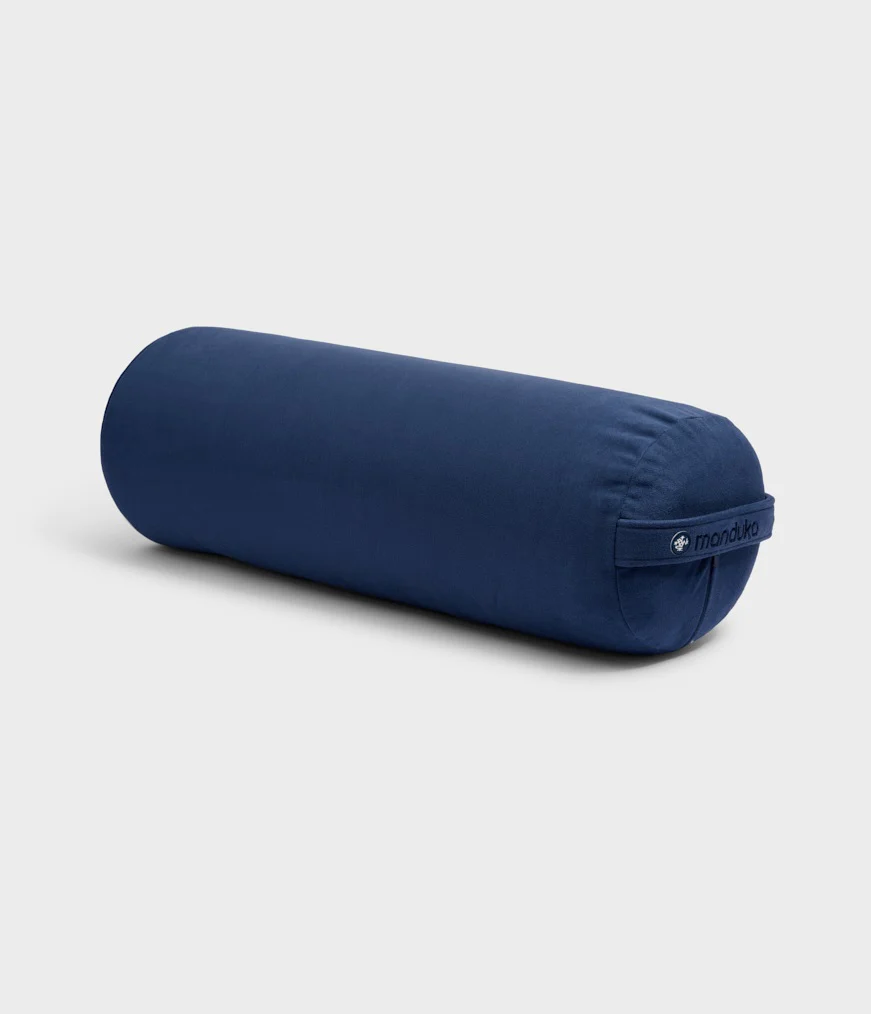
Also interesting!
Author of this Asana
Manish Rana is a certified yoga teacher and founder of asanaverse.de. He writes about topics around yoga, ayurveda and meditation. Manish owes his deep connection to yoga to his Indian roots, through which he came into contact with this practice early on.
Learn more about our team here →DISCOVER MORE
More Forward Bends
Get our free ebook with 108 asanas now!
With great care and passion, we have selected and described 108 of the most important asanas for you in detail!
Perfect for your practice and cues ;)
Thank you for being here!
Thank you for being here and being part of this ever-evolving platform! We strive to keep growing and improving.
Your feedback is invaluable. Namasté 🙏
Comments feature coming soon. 💬
Guide
Browse our guide now
Accessible Yoga Mobility: Chair Yoga and Inclusive Asanas for All Bodies
Ahimsa – Gewaltlosigkeit als Fundament des Yoga und Lebens
Yoga Sutras zusammengefasst – Kapitel 2 (Sadhana Pada): Pfad der Praxis
Meditation bei Überforderung und Angststörung: Achtsam bleiben in turbulenten Zeiten
12 Wege, das Sitzen in der Meditation zu erleichtern — Stabiler sitzen, tiefer meditieren
Brahmacharya: Quelle des Lebens für mehr Lebenskraft und Vitalität