Agni Stambhasana
Agni Stambhasana
Ignite your inner fire with us in Agni Stambhasana Uncovered. Like a beacon breaking through the darkness of the city, this Fire Log Pose kindles your inner strength and determination.
Category: Forward Bends
Forward Bends are asanas in which you gently stretch muscles and joints. They promote suppleness and mobility. Breathing in Forward Bends has a relaxing effect: you supply your muscles with oxygen and release tension.
VAYUS
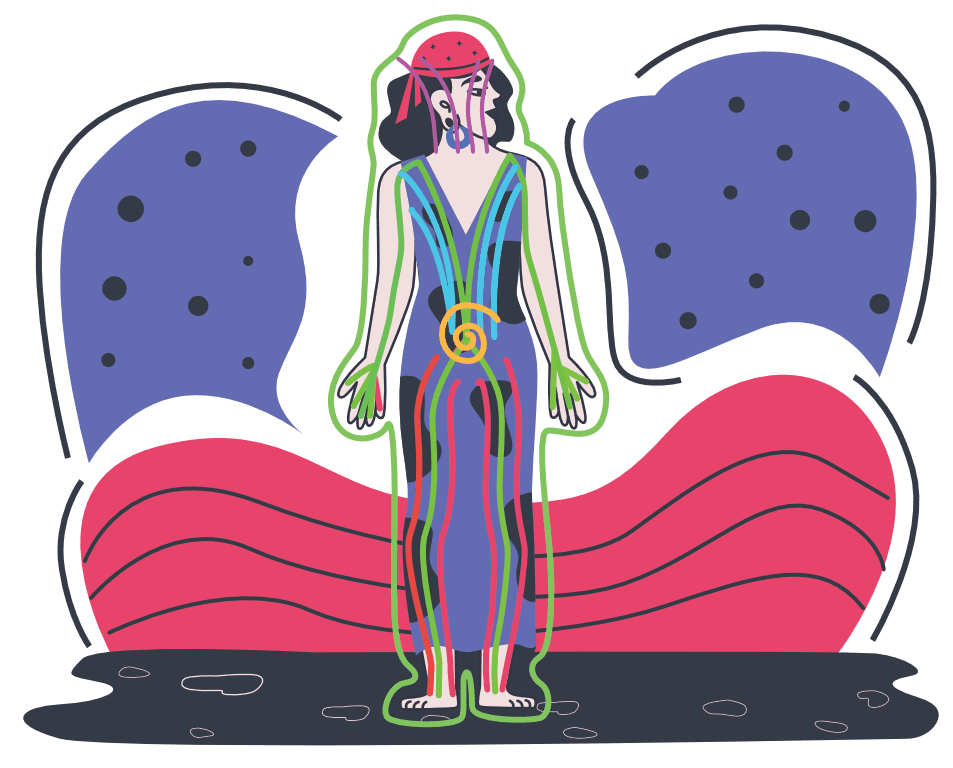
Each of the five Prana Vayus plays an essential role in our body and mind. They move and direct energy in specific directions, each with its own special area of influence and function. Agni Stambhasana has its own unique effects on these vayus.
Apana Vayu – The Grounding Force
▼
In Agni Stambhasana, with the legs stacked on top of each other, a strong sense of grounding and connection to the earth arises. This stimulates Apana Vayu in the pelvic region, supports elimination and fosters a feeling of stability and groundedness.
Samana Vayu: Inner Flame
▼
The deep hip opening and the leg position in Agni Stambhasana stimulate Samana Vayu, the centering energy in the navel center. This pose supports digestion and can help us assimilate the “inner nourishment” of experiences and emotions. Whenever you feel overwhelmed by all the impressions and experiences of life, this pose can help create order and clarity.
Prana Vayu – Expansion of Consciousness
▼
Although the focus of this asana is on the hips, it creates space in the heart area through the upright seat. This stimulates Prana Vayu, which resides in the heart center. Agni Stambhasana encourages deep breathing and the expansion of the chest. If the heart feels heavy or burdened by old emotional scars, this asana can be a gentle invitation to breathe again and let love flow.
CHAKRAS
Muladhara Chakra (Root Chakra)
▼
Agni Stambhasana
Swadhisthana Chakra (Sacral Chakra)
▼
The Swadhisthana Chakra, located in the lower abdomen and pelvic area, is especially addressed in Agni Stambhasana through the opening of the hips and conscious breathing. This chakra represents creativity, emotions and sexual energy. The deep stretch in the pelvic region helps release tension and blockages in the sacral chakra, which promotes emotional fluidity and creativity. This activation supports the unfolding of joy in life and creative energy.
Manipura Chakra (Solar Plexus Chakra)
▼
Agni Stambhasana also activates the Manipura Chakra, which sits in the solar plexus area. This chakra is the center of our personal power, willpower and self-confidence. Through the conscious posture and the engagement of the abdominal muscles in this asana, inner strength and self-confidence are strengthened. Practicing Agni Stambhasana can help kindle the inner fire and strengthen personal determination.
KOSHAS
Annamaya Kosha (Physical Body)
▼
Annamaya Kosha represents the physical body. Agni Stambhasana opens the hips, strengthens the lower back and stretches the thighs. Example in practice: Through regular practice of this pose, stiffness and tension in the hips can decrease, leading to a freer gait and less hip and back pain.
Pranamaya Kosha (Energy Body)
▼
Pranamaya Kosha embodies the flow of energy in the body. Through the hip opening in Agni Stambhasana, the flow of prana in the pelvic region is improved, allowing energetic blockages to be released. Example in practice: After the pose, one often feels energized and rejuvenated, with a heightened sense of vitality flowing through the body.
Manomaya Kosha (Mental Body)
▼
Manomaya Kosha stands for our mind and thoughts. The intensity of the pose demands full mental presence and mindfulness. Example in practice: By focusing on the breath amid the challenge of this asana, one can let go of distractions and restless thoughts and develop deep concentration.
Vijnanamaya Kosha (Intellectual Body)
▼
Vijnanamaya Kosha refers to our intuition and deeper understanding. By becoming aware of the inner layers of the body and respecting its limits, the asana fosters insight and self-understanding. Example in practice: A deep awareness of one's own body and its needs can be developed, and one can perceive the subtle messages the body sends.
Anandamaya Kosha (Spiritual Body)
▼
Anandamaya Kosha represents our true self and our deepest joy. Agni Stambhasana, though physically challenging, can release a feeling of freedom and space in the deepest parts of our being. Example in practice: After one

DOSHAS
Vata
▼
Agni Stambhasana has a calming effect on the Vata dosha. Grounding through the sitting bones and the deep hip opening help soothe the changeable, restless nature of Vata. Through conscious breathing and a mindful posture, the nervous system is calmed, which helps reduce the typical Vata overactivity. This asana brings calm and stability to a flighty mind and helps ease the feeling of restlessness and scatteredness.
Pitta
▼
Although Agni Stambhasana kindles the inner fire, it also offers a balancing effect for the Pitta dosha. By slowly and deliberately entering the pose and consciously remaining in it, Pitta can learn to relax and practice patience. This asana cools the overheated Pitta and helps calm the fiery energy by placing the focus on grounding and steadiness. In this way the intensity of Pitta is reined in and a gentle transformation is fostered.
Kapha
▼
Agni Stambhasana is a grounding asana perfectly suited to support the Kapha dosha. Through the intense stretch of the hips and the grounding of the body, this pose fosters stability and patience, further reinforcing Kapha's dominance. At the same time, the asana ignites the digestive fire (Agni) and helps overcome stagnation and sluggishness. This asana is excellent for promoting Kapha's inner balance without overtaxing it.

Key Information for Correct Execution
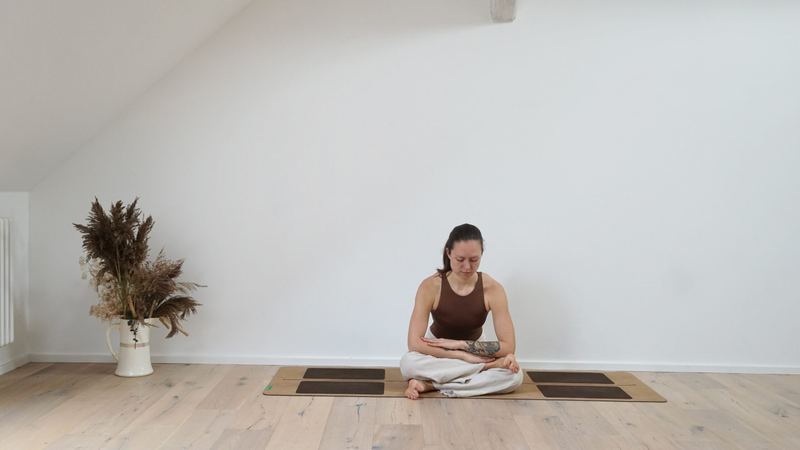
Meet Geraldine, a certified yoga teacher and psychology student who emphasizes mindfulness and alignment to inspire people toward a more peaceful life.
Common Mistakes
Important mistakes to avoid are the shins not being parallel, the edge of the thigh drifting away from the foot, and the foot slipping off the thigh.
Our Tip
One tip is that the pose may seem difficult at first, but after a few seconds, and when you lean the upper body slightly forward, the top leg and hip often relax. Listen to your body's signals and work with patience and mindfulness.
Physical Effect
Circulation Boost
Stacking the legs in this pose promotes blood circulation in the lower extremities. This can help reduce swelling and prevent venous congestion. In addition, the pressure on the legs stimulates blood circulation in the pelvic organs, which can support digestion and the health of the reproductive organs.
Hip Opening
Agni Stambhasana works intensively on the hip muscles, especially the piriformis and the deep external hip rotators. Gently stretching these muscles can improve the mobility of the hip joints, which is especially useful for people who sit a lot or experience hip stiffness.
Strengthening the Spine
The upright posture in Agni Stambhasana requires engagement of the core muscles, including the deep back muscles such as the multifidus and longissimus. This activation strengthens and stabilizes the spine, which in turn improves postural awareness and can help prevent back pain.
Effects on Psyche and Emotions
Improved Concentration
Agni Stambhasana requires both physical and mental concentration. Maintaining the posture and focusing on the breath can calm and strengthen the mind. Practicing this asana regularly can improve mental clarity and the ability to concentrate in everyday life.
Emotional Balance
The pose opens the hips, an area where many people store emotional tension. The gentle stretch can help release emotional blockages in this area, which can reduce feelings of sadness, anxiety or frustration.
Enhanced Grounding
Agni Stambhasana, also known as Fire Log Pose or Double Pigeon Pose, fosters a deep sense of grounding and stability. Sitting with crossed legs and consciously breathing into this area strengthens the root chakra and helps develop a feeling of safety and belonging.
Props
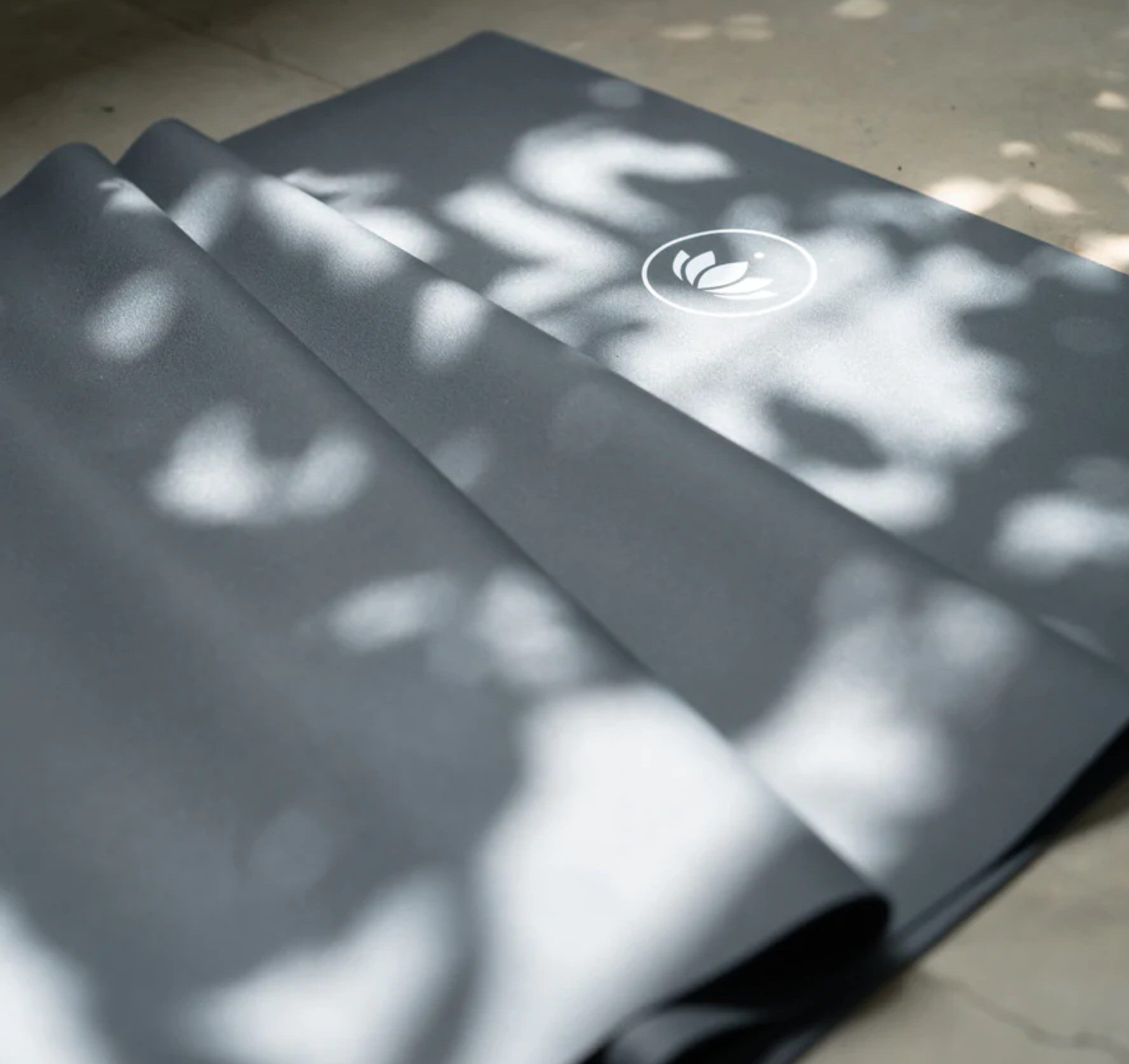

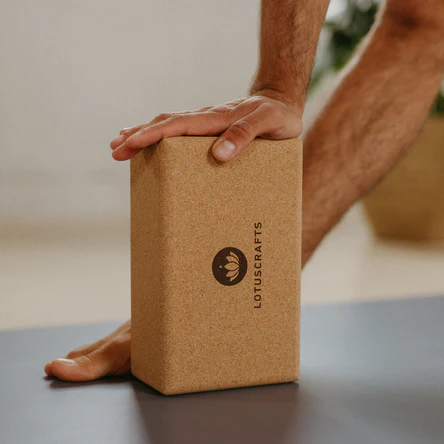
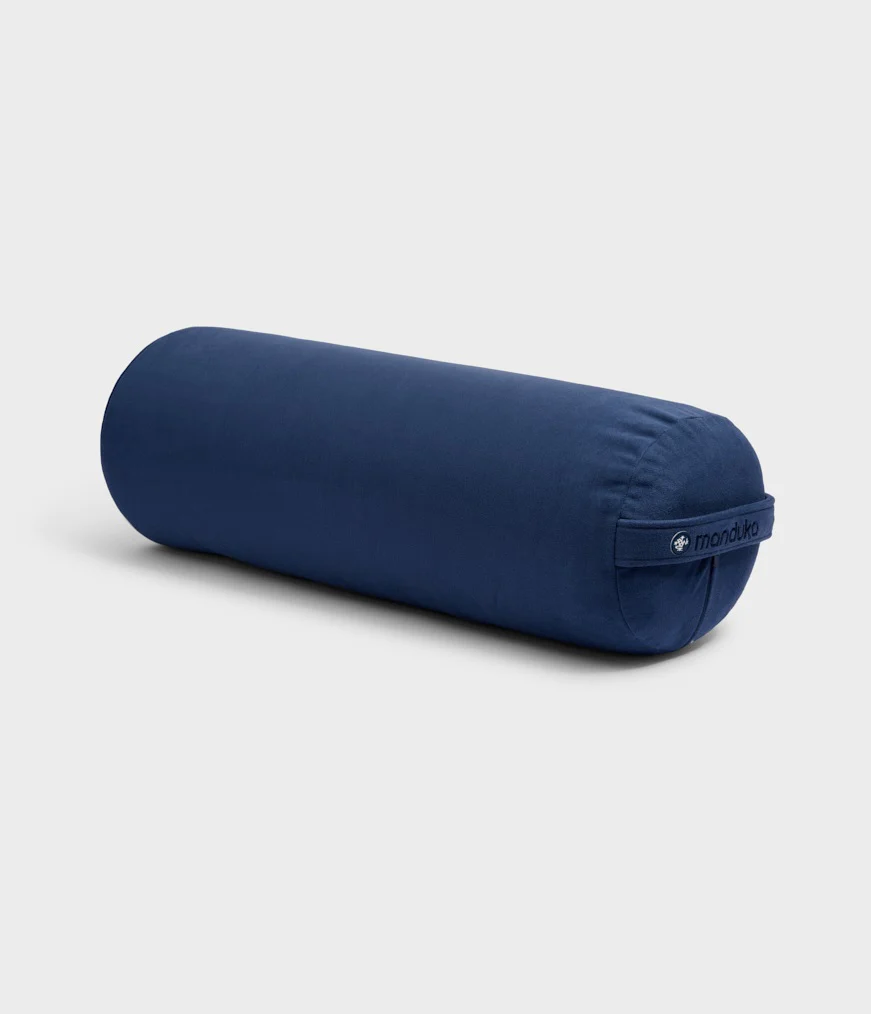
Also interesting!
Author of this Asana

Manish Rana is a certified yoga teacher and founder of asanaverse.de. He writes about topics around yoga, ayurveda and meditation. Manish owes his deep connection to yoga to his Indian roots, through which he came into contact with this practice early on.
Learn more about our team here →DISCOVER MORE
More Forward Bends
Get our free ebook with 108 asanas now!
With great care and passion, we have selected and described 108 of the most important asanas for you in detail!
Perfect for your practice and cues ;)
Thank you for being here!
Thank you for being here and being part of this ever-evolving platform! We strive to keep growing and improving.
Your feedback is invaluable. Namasté 🙏
Comments feature coming soon. 💬
Guide
Browse our guide now
Accessible Yoga Mobility: Chair Yoga and Inclusive Asanas for All Bodies
Ahimsa – Gewaltlosigkeit als Fundament des Yoga und Lebens
Yoga Sutras zusammengefasst – Kapitel 2 (Sadhana Pada): Pfad der Praxis
Meditation bei Überforderung und Angststörung: Achtsam bleiben in turbulenten Zeiten
12 Wege, das Sitzen in der Meditation zu erleichtern — Stabiler sitzen, tiefer meditieren
Brahmacharya: Quelle des Lebens für mehr Lebenskraft und Vitalität