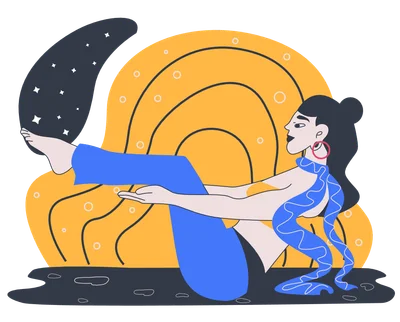
Paripurna Navasana
Boat Pose
Set your inner sail with us in Paripurna Navasana Uncovered. Like a boat gliding gently across the water of a busy harbor basin, this full boat pose brings a balance of strength and grace into your urban life.
Category: Forward Bends
Forward Bends are asanas in which you gently stretch muscles and joints. They promote suppleness and mobility. Breathing in Forward Bends has a relaxing effect: you supply your muscles with oxygen and release tension.
VAYUS
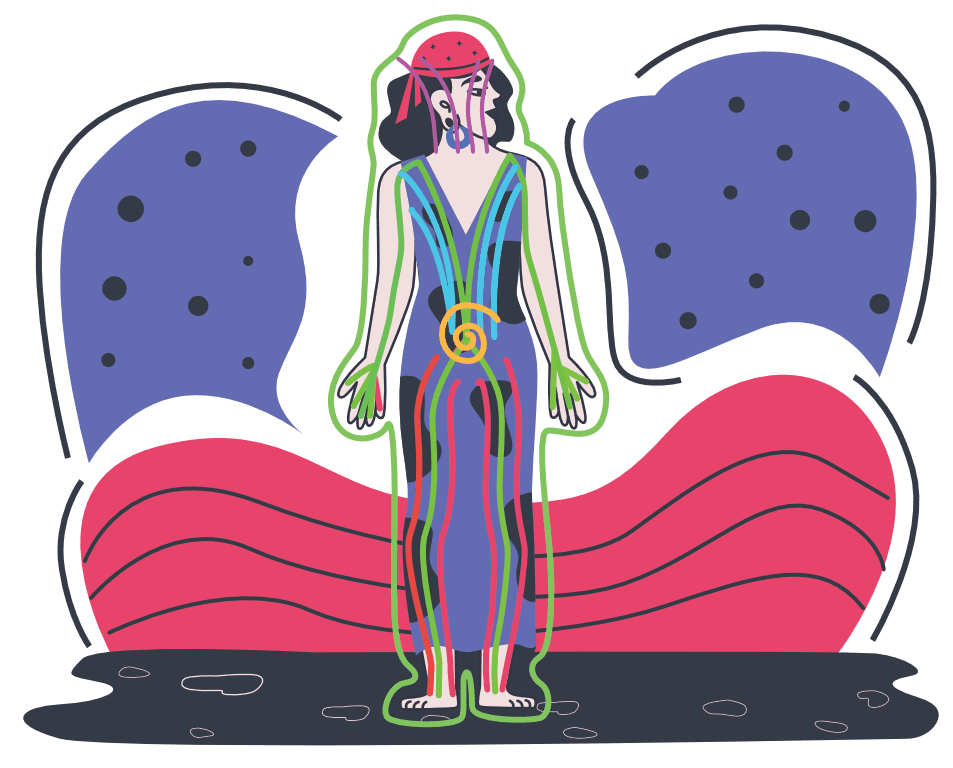
Each of the five Prana Vayus plays an essential role in our body and mind. They move and direct energy in specific directions, each with its own special area of influence and function. Boat Pose has its own unique effects on these vayus.
Apana Vayu – The Grounding Force
▼
Paripurna Navasana, with its demand on the abdominal muscles and lower back, can stimulate Apana Vayu in the pelvic area. This position requires us to draw our energy downward in order to stay stable and not tip over.
Samana Vayu – The Balancing Force
▼
When you are in this boat, it is balance that counts! Paripurna Navasana emphasizes central alignment and stimulates the Samana Vayu located around the navel. This vayu helps distribute the energy evenly throughout the body.
Udana Vayu – The Ascending Energy
▼
Maintaining the upper body and the legs in Navasana challenges the chest area and thereby fosters Udana Vayu, the ascending energy. This asana encourages you to breathe deeply and can help lift mood and vitality.
CHAKRAS
Manipura Chakra (Solar Plexus Chakra)
▼
The activation of the abdominal area in Paripurna Navasana directly addresses the Manipura Chakra, located in the navel region. This chakra is often regarded as the center of power, will and self-worth. It is connected with transformation, as it houses the “fire” energy within us. In moments of doubt or indecision, the energy of Navasana can remind you to tap into your inner strength and stand firm against the challenges of life.
Swadhisthana Chakra (Sacral Chakra)
▼
As the legs and hips are lifted in Paripurna Navasana, the Swadhisthana Chakra is also stimulated. This chakra, located in the area of the sacrum, is connected with the water element, our capacity for emotionality and creativity. In times when you feel emotionally blocked or uncreative, Navasana can help remind you to surrender to the flow of life and give space to your creative spirit.
Muladhara Chakra (Root Chakra)
▼
Although Paripurna Navasana is a posture that mainly requires balance, the need for stability and firmness reminds us of the Muladhara Chakra at the lower end of the spine. This chakra is connected with our physical existence, safety and grounding. When you find yourself in an uncertain or unstable life situation, the practice of Navasana can help you appreciate the importance of inner and outer stability and grounding.
KOSHAS
Annamaya Kosha (Physical Body)
▼
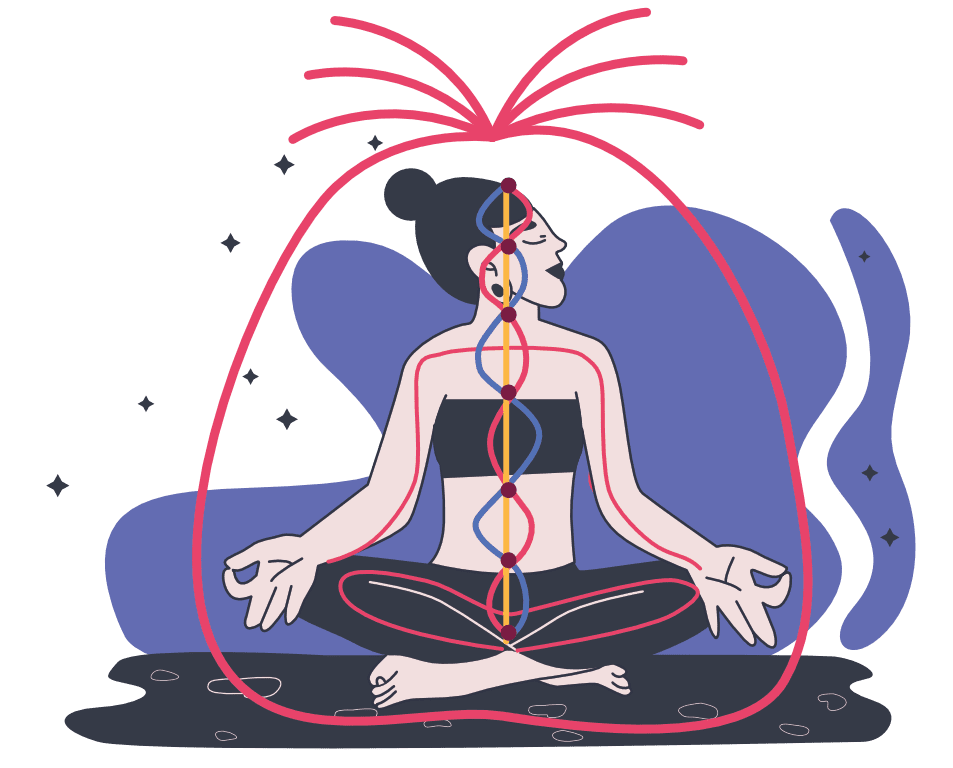
Annamaya Kosha represents the physical body. Paripurna Navasana challenges the abdominal muscles, the thighs and the back muscles. It fosters the strengthening of the core and improves posture.
Pranamaya Kosha (Energy Body)
▼
Pranamaya Kosha represents the flow of energy. Paripurna Navasana stimulates the solar plexus, the center of our personal power, and fosters the circulation of prana throughout the body.
Manomaya Kosha (Mental Body)
▼
Manomaya Kosha stands for the mind. Navasana requires concentration and mental determination to hold the balance. It sharpens the mind and fosters mental clarity.
Vijnanamaya Kosha (Intellectual Body)
▼
Vijnanamaya Kosha refers to intuition and wisdom. Through the conscious performance of Navasana, one can learn to listen to the inner wisdom of the body, recognize limits and act mindfully.
Anandamaya Kosha (Spiritual Body)
▼
Anandamaya Kosha represents pure joy and the deepest self. Even though Navasana can be challenging, the experience of holding and breathing in the pose can lead to a feeling of contentment and inner joy.

DOSHAS
Vata
▼
Although Paripurna Navasana is a challenging asana, it can have a calming effect for Vata individuals when practiced with focus and control. Holding the pose brings grounding and stability, which calm the volatile Vata mind and create a feeling of safety and structure.
Pitta
▼
Paripurna Navasana challenges Pitta without intensifying the heat. This asana helps regulate the Pitta dosha by teaching patience and endurance. It fosters the ability to find balance through effort and helps Pitta individuals control their inner flames without falling into overheating or overexertion.
Kapha
▼
Paripurna Navasana (Boat Pose) is an excellent asana for increasing the Kapha dosha. This posture activates the entire body system, promotes the flow of energy and enlivens the mind. It stimulates the digestive system, which is especially useful for overcoming the often sluggish nature of Kapha and boosting inner vitality.

Key Information for Correct Execution
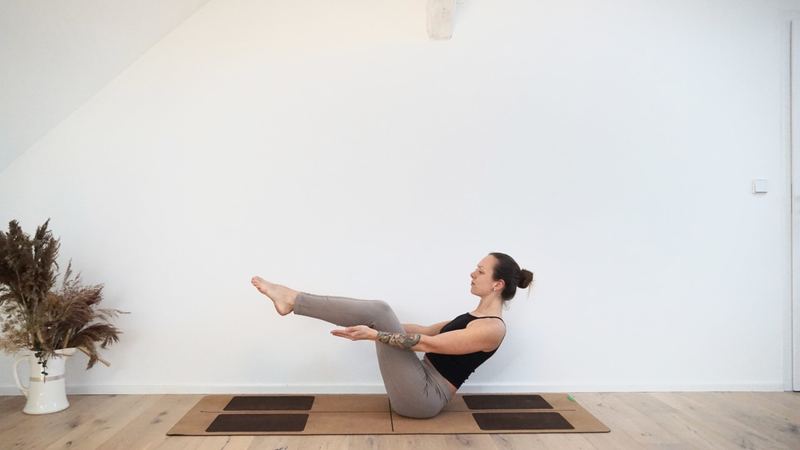
Meet Geraldine, a certified yoga teacher and psychology student who emphasizes mindfulness and alignment to inspire people toward a more peaceful life.
Common Mistakes
• Rounded back • Leg muscles not sufficiently activated
Our Tip
Imagine you are like a jackknife. Keep your spine upright and straight while you put on a smile.
Variations
To achieve a deeper stretch of the backs of the legs, you can additionally grip the toes and draw the upper body closer to the thighs. Alternatively, you can place a strap around the soles of the feet and lift the legs with slightly bent knees. Take care to keep the upper body upright and to anchor the shoulders into the back.
Physical Effect
Core Strengthening
Paripurna Navasana is an intense activator for the core musculature, especially the rectus abdominis and the oblique abdominal muscles. By holding the body in a V shape, the abdominal muscles are constantly engaged, which improves their strength and endurance. A strong core supports the spine, protects against back injuries and improves posture.
Leg and Hip Activation
In this asana, the leg muscles, especially the quadriceps, are activated by lifting and holding the legs. This not only fosters leg strength but also improves hip flexion and supports the stability of the hip joint.
Shoulder and Back Balance
Holding the arms parallel to the floor in Paripurna Navasana requires activation of the shoulder blade stabilizers and the muscles of the upper back. This helps draw the shoulders back and down, leading to a more open chest and better oxygen intake, while counteracting the tendency toward a hunched posture.
Effects on Psyche and Emotions
Boosting Self-Confidence
Paripurna Navasana, also known as the Full Boat, challenges the core balance and thereby builds inner self-confidence. When you are able to hold yourself in this pose, the sense of your own strength and the ability to overcome challenges grows.
Enhancing Concentration
Holding Paripurna Navasana requires not only physical but also mental discipline. It forces the mind to concentrate and set distractions aside. This strengthens the ability to maintain focus.
Emotional Stability
Since Paripurna Navasana challenges the core and activates the entire body, it helps release emotional tension. This can lead to a feeling of emotional release and stability.
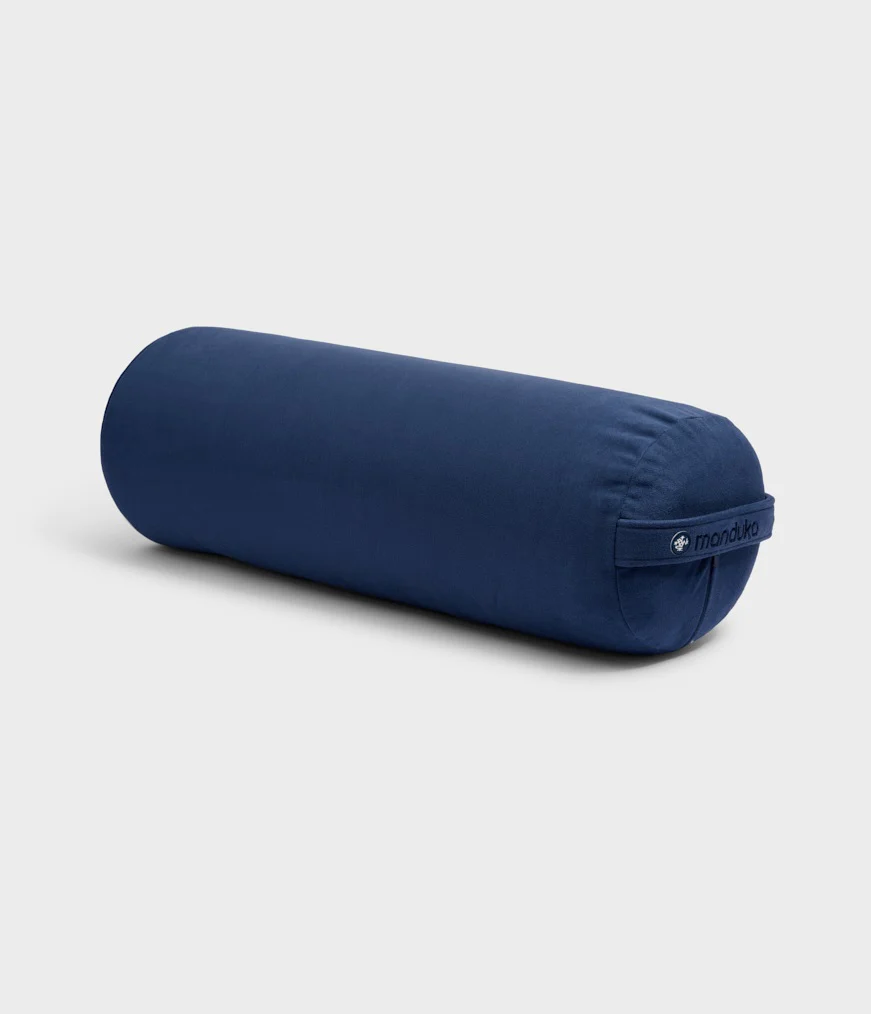
Props
Also interesting!
Author of this Asana
Manish Rana is a certified yoga teacher and founder of asanaverse.de. He writes about topics around yoga, ayurveda and meditation. Manish owes his deep connection to yoga to his Indian roots, through which he came into contact with this practice early on.
Learn more about our team here →DISCOVER MORE
More Forward Bends
Get our free ebook with 108 asanas now!
With great care and passion, we have selected and described 108 of the most important asanas for you in detail!
Perfect for your practice and cues ;)
Thank you for being here!
Thank you for being here and being part of this ever-evolving platform! We strive to keep growing and improving.
Your feedback is invaluable. Namasté 🙏
Comments feature coming soon. 💬
Guide
Browse our guide now
Accessible Yoga Mobility: Chair Yoga and Inclusive Asanas for All Bodies
Ahimsa – Gewaltlosigkeit als Fundament des Yoga und Lebens
Yoga Sutras zusammengefasst – Kapitel 2 (Sadhana Pada): Pfad der Praxis
Meditation bei Überforderung und Angststörung: Achtsam bleiben in turbulenten Zeiten
12 Wege, das Sitzen in der Meditation zu erleichtern — Stabiler sitzen, tiefer meditieren
Brahmacharya: Quelle des Lebens für mehr Lebenskraft und Vitalität