Viparita Karani
Legs Up the Wall
Let yourself go with us in Viparita Karani Uncovered. Like the gentle ascent of a hot air balloon above the skyscrapers, this inverted lake pose offers a perspective to turn the world upside down while staying completely relaxed.
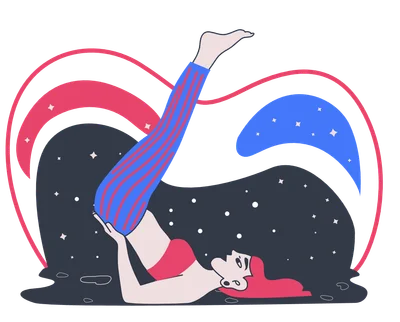
Category: Inversions
Inversions are asanas in which you gently stretch muscles and joints. They promote suppleness and mobility. Breathing in Inversions has a relaxing effect: you supply your muscles with oxygen and release tension.
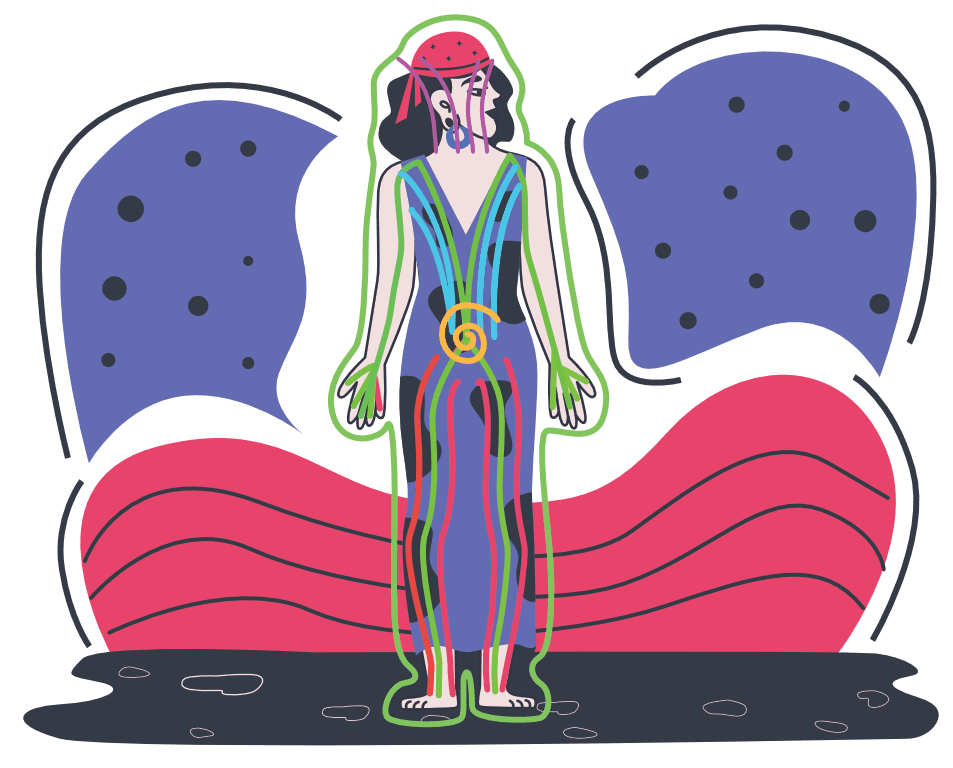
VAYUS
Each of the five Prana Vayus plays an essential role in our body and mind. They move and direct energy in specific directions, each with its own special area of influence and function. Legs Up the Wall has its own unique effects on these vayus.
Udana Vayu – Ascending Energy
▼
In Viparita Karani, the head is slightly raised and the throat area relaxed, which gently stimulates Udana Vayu, the ascending energy. This vayu directs the energy upward and fosters mental clarity and lightness. While you rest in this pose, the inverted position supports the regeneration of mind and body by lifting you out of the hectic flow of everyday life.
Vyana Vayu – Spreading Energy
▼
The relaxed alignment of the body in Viparita Karani helps activate Vyana Vayu, which distributes the energy evenly throughout the body. The pose fosters deep relaxation while at the same time improving circulation and conveying a feeling of spaciousness and balance. Through the gentle inversion, the connection between the various energy centers is strengthened, which supports the feeling of wholeness in the body.
Apana Vayu – Grounding Energy
▼
Although Viparita Karani is an inverted pose, it works strongly on Apana Vayu, the downward-directed energy. The gentle positioning of the pelvis and the lumbar spine allows this vayu to release tension and activate the cleansing energy. This stabilization has a calming and grounding effect, which helps gently break down emotional and physical burdens.
CHAKRAS
Vishuddha Chakra (Throat Chakra)
▼
In the relaxed, inverted position of Viparita Karani, the throat area is gently opened, which stimulates the Vishuddha Chakra. This chakra, connected with communication and authentic self-expression, is supported by the calm in this pose. The posture fosters a feeling of inner truth and clarity by releasing tension in the neck and throat area and harmonizing the flow of energy in the throat center.
Ajna Chakra (Brow Chakra)
▼
The calming nature of Viparita Karani directs the mind inward and activates the Ajna Chakra, located between the eyebrows. This center of intuition and mental clarity benefits from the gentle inversion, which fosters blood circulation to the head. Through the quiet reflection in the pose, the Ajna Chakra can be opened, giving rise to deeper insights and heightened intuition.
Swadhisthana Chakra (Sacral Chakra)
▼
The relaxation of the lower back and the subtle lifting of the pelvis in Viparita Karani work on the Swadhisthana Chakra. This chakra, which stands for creativity, emotional balance and joy of life, is harmonized through the gentle activation in the pelvic area. The pose invites you to release old tensions and restore emotional balance, which supports the flow of creative and regenerative energy.
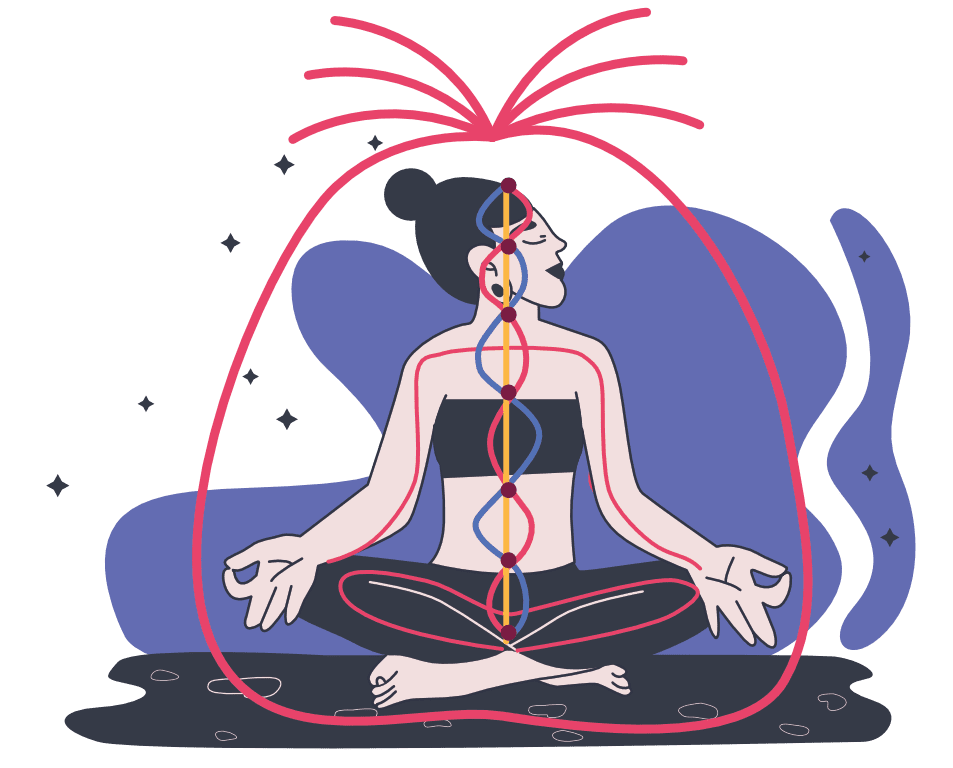
KOSHAS
Annamaya Kosha (Physical Body)
▼
Annamaya Kosha represents the physical body. Viparita Karani relieves leg swelling, eases tired leg muscles and fosters venous return. Example in practice: Someone who spends a lot of time on their feet finds comfort in this pose after a long working day and feels the heaviness and fatigue of the legs subside.
Pranamaya Kosha (Energy Body)
▼
Pranamaya Kosha symbolizes the flow of energy. In Viparita Karani, the flow of prana in the lower body is stimulated and the heart is relieved, leading to a balanced distribution of energy. Example in practice: With fatigue or lack of energy, this pose can help restore energy levels and convey a feeling of refreshment.
Manomaya Kosha (Mental Body)
▼
Manomaya Kosha stands for our mind and thoughts. The calm nature of Viparita Karani fosters a calm, peaceful state of mind and helps break down stress and tension. Example in practice: With overwhelming thoughts or insomnia, the asana helps calm the mind and regain clarity and focus.
Vijnanamaya Kosha (Intellectual Body)
▼
Vijnanamaya Kosha refers to intuition and understanding. The inverted position of Viparita Karani can help change perspective, open the mind and foster introspection. Example in practice: In difficult times, when you are looking for solutions or new perspectives, this pose can help find inner answers and insights.
Anandamaya Kosha (Spiritual Body)
▼
Anandamaya Kosha represents our deepest joy and our true self. Viparita Karani invites you to immerse yourself in a state of surrender and relaxation, which often makes you feel closer to your inner source of peace and bliss. Example in practice: A tired heart often finds comfort and bliss in this asana when you simply allow yourself to let go and be.

DOSHAS
Vata
▼
Viparita Karani has a calming effect on the nervous and overactive Vata dosha. The gentle inversion supports the stabilization of energy and offers a moment of calm for the often restless Vata mind. However, the raised position of the legs can be slightly stimulating due to the inversion, so caution is advised with a Vata excess. This pose helps foster lightness and freshness without destabilizing the Vata dosha.
Pitta
▼
The relaxing and non-demanding nature of Viparita Karani helps reduce the excess heat and intensity of the Pitta dosha. Through the gentle inversion, circulation to the head is fostered, which has a cooling and calming effect. Pitta types benefit especially from this pose, as it helps reduce mental overheating and clear the mind.
Kapha
▼
Viparita Karani reduces the Kapha dosha, as it dissolves the heaviness and stagnation associated with Kapha. The gentle raising of the legs fosters lymph flow and circulation, which helps Kapha mobilize. The pose can energize sluggish Kapha types and convey a feeling of lightness and freshness without being overwhelming.

Key Information for Correct Execution
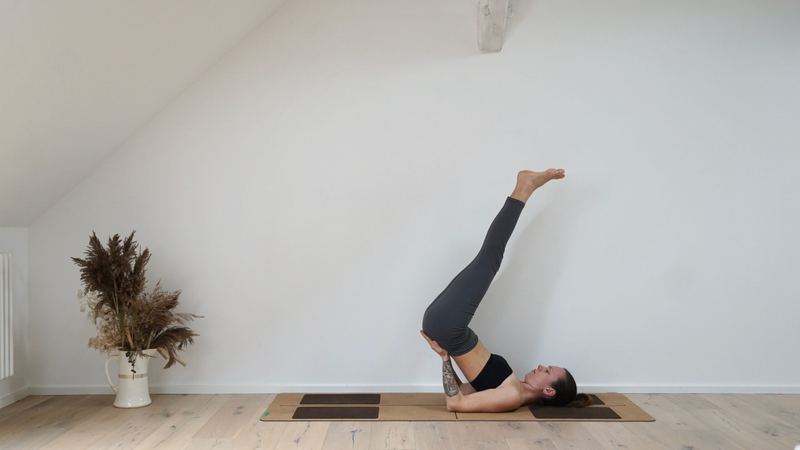
Meet Geraldine, a certified yoga teacher and psychology student who emphasizes mindfulness and alignment to inspire people toward a more peaceful life.
Common Mistakes
Turning the head once you are already in the pose; fast, uncontrolled movements.
Our Tip
This pose is much gentler and safer for the cervical spine, while fulfilling the same energetic and physical effect as the full shoulderstand. Please read all the instructions before you assume the pose – slowly and in a controlled way.
Variations
The variation at the wall is recommended in the evening before going to sleep or in summer, when the legs are hot and heavy.
Physical Effect
Venous Return
Viparita Karani fosters venous return. When the legs are raised, it helps direct the blood from the lower legs and feet back toward the heart. This can be especially beneficial for people who stand or sit a lot, as it reduces swelling in the legs and minimizes the risk of varicose veins.
Relief for the Spine
With the pelvis slightly raised and the upper body resting on the floor, this pose allows a gentle traction and relief of the lumbar spine. This can be especially soothing for people who suffer from lower back pain. The pose also relaxes the muscles of the lower back, especially the quadratus lumborum and the erector spinae.
Strengthening the Diaphragm
In Viparita Karani, the diaphragm is positioned in a relaxed position that encourages it to work more deeply and efficiently. This can help increase breathing capacity and foster relaxed breathing. A deeper and more conscious breath can also help activate the parasympathetic nervous system, which in turn contributes to relaxation and stress reduction.
Effects on Psyche and Emotions
Calming the Mind
The inverted posture in Viparita Karani calms the mind by increasing blood flow to the brain. This fosters relaxation, reduces mental fatigue and helps dampen overactive thought patterns.
Emotional Equilibrium
As a half inversion, Viparita Karani helps balance emotional highs and lows. The gentle raising of the legs against gravity can help distribute excess energy and foster a feeling of balance and serenity in the emotional body.
Heightened Self-Reflection
By inverting the perspective, Viparita Karani often enables deeper moments of self-reflection and introspection. It fosters turning inward and the ability to view things from a different angle.
Props

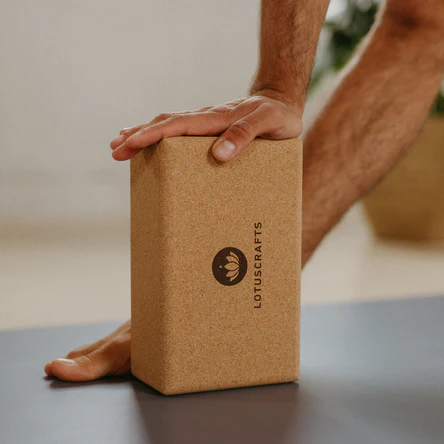
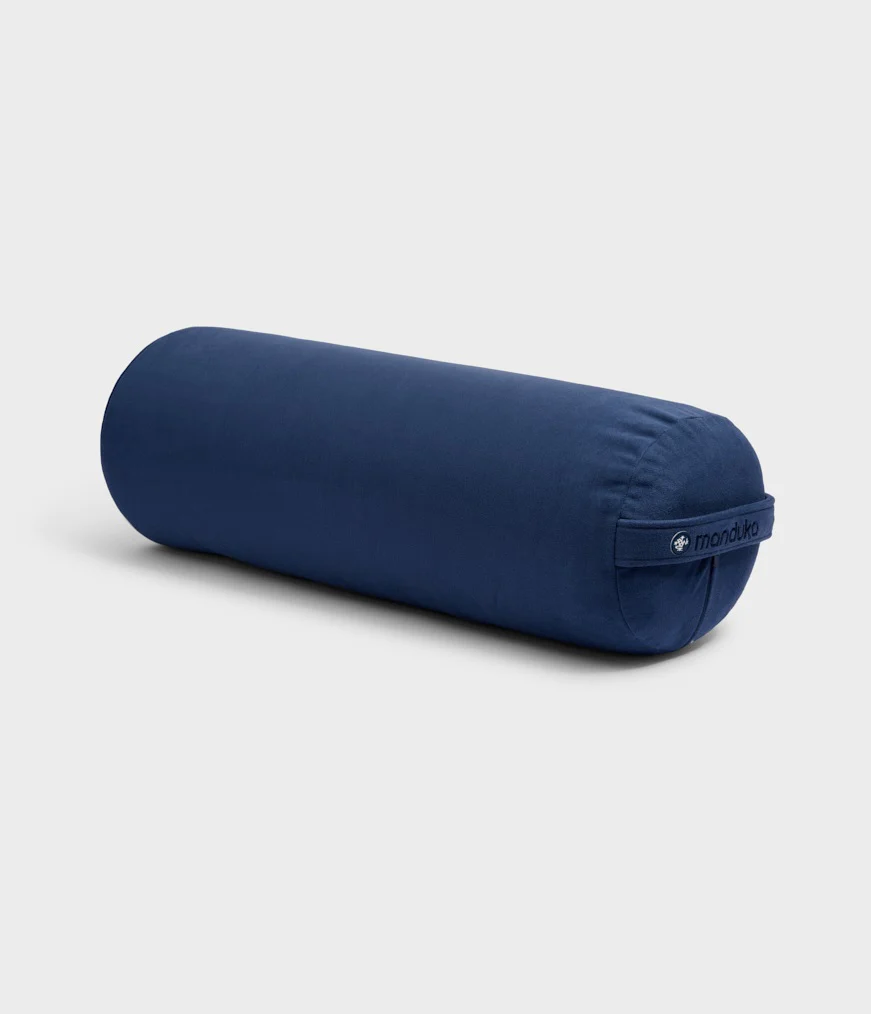
Also interesting!
Author of this Asana

Manish Rana is a certified yoga teacher and founder of asanaverse.de. He writes about topics around yoga, ayurveda and meditation. Manish owes his deep connection to yoga to his Indian roots, through which he came into contact with this practice early on.
Learn more about our team here →DISCOVER MORE
More Inversions

Get our free ebook with 108 asanas now!
With great care and passion, we have selected and described 108 of the most important asanas for you in detail!
Perfect for your practice and cues ;)
Thank you for being here!
Thank you for being here and being part of this ever-evolving platform! We strive to keep growing and improving.
Your feedback is invaluable. Namasté 🙏
Comments feature coming soon. 💬
Guide
Browse our guide now
Accessible Yoga Mobility: Chair Yoga and Inclusive Asanas for All Bodies
Ahimsa – Gewaltlosigkeit als Fundament des Yoga und Lebens
Yoga Sutras zusammengefasst – Kapitel 2 (Sadhana Pada): Pfad der Praxis
Meditation bei Überforderung und Angststörung: Achtsam bleiben in turbulenten Zeiten
12 Wege, das Sitzen in der Meditation zu erleichtern — Stabiler sitzen, tiefer meditieren
Brahmacharya: Quelle des Lebens für mehr Lebenskraft und Vitalität