Urdhva Padmasana
Upward Lotus Pose
Rise with us in the Urdhva Padmasana Uncovered. Like a lotus reaching toward the sun, this upward lotus pose challenges your inner strength and devotion.
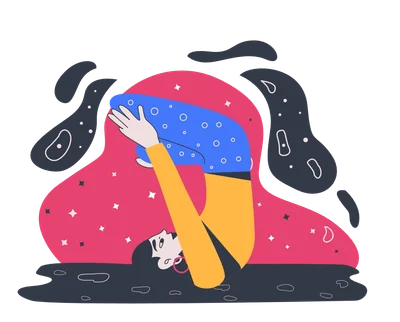
Category: Inversions
Inversions are asanas in which you gently stretch muscles and joints. They promote suppleness and mobility. Breathing in Inversions has a relaxing effect: you supply your muscles with oxygen and release tension.
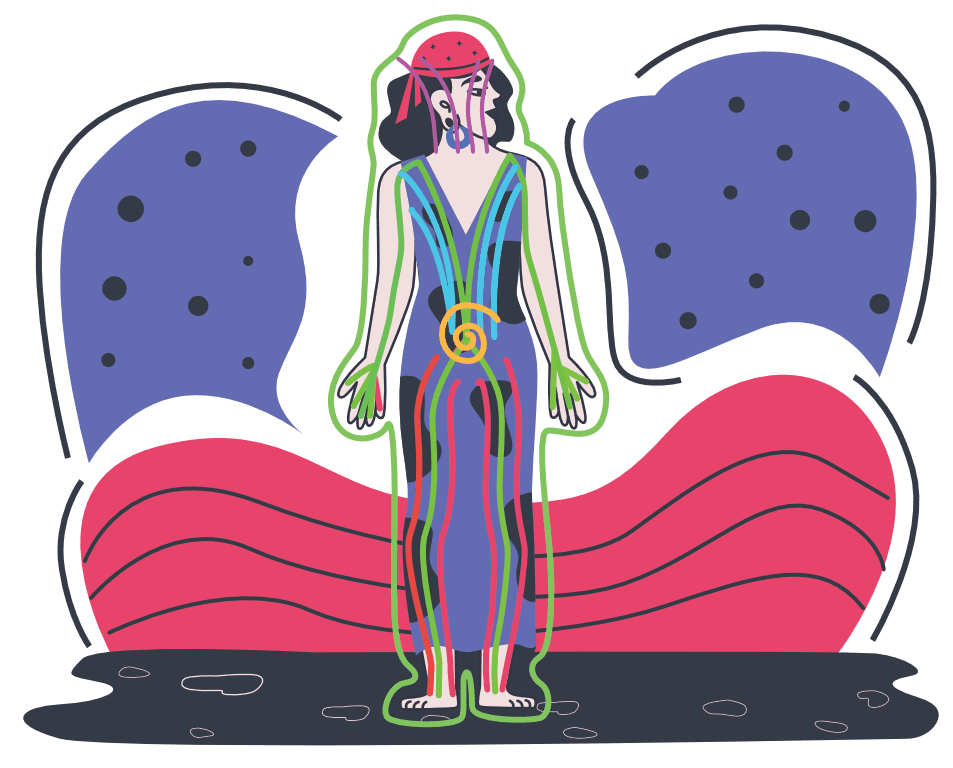
VAYUS
Each of the five Prana Vayus plays an essential role in our body and mind. They move and direct energy in specific directions, each with its own special area of influence and function. Upward Lotus Pose has its own unique effects on these vayus.
Udana Vayu – Ascending Energy
▼
In Urdhva Padmasana, Udana Vayu, the ascending energy, is strongly activated. The inverted posture, combined with the lotus position, fosters a feeling of lightness and mental clarity. This energy supports the upward alignment of the body and the mind, which strengthens the spiritual connection and concentration. It helps maintain a clear focus and raise the awareness.
Vyana Vayu – Expanse and Integration
▼
The lotus position in the inverted posture makes possible an even distribution of energy throughout the entire body. Vyana Vayu, the energy of expansion, ensures that the flow of prana reaches all limbs harmoniously. This integration fosters a feeling of balance and coordination while the body stays stable in this demanding posture.
Prana Vayu – Vitality and Life Energy
▼
The deep breathing and the opening of the chest area in Urdhva Padmasana activate Prana Vayu, the inward-directed energy in the chest area. This energy supplies the body with vitality and supports the balance in the posture. The pose helps increase the breathing capacity and direct the flow of energy into the upper energy centers.
CHAKRAS
Vishuddha Chakra (Throat Chakra)
▼
Located in the area of the throat, the throat chakra is strongly activated through the lengthened and aligned posture in the neck area. The inverted posture brings clarity into communication and opens the center for self-expression and purity. It supports the connection between thoughts and expression, which is especially fostered in meditative states.
Ajna Chakra (Brow Chakra)
▼
The Ajna Chakra, located between the eyebrows, is intensely stimulated through the balance and concentration that Urdhva Padmasana requires. The posture fosters intuition, mental clarity and the ability to see beyond the material world. This asana supports the third eye by strengthening the inner perception and insight.
Sahasrara Chakra (Crown Chakra)
▼
As a connection to the universal and to the higher level of consciousness, the Sahasrara Chakra at the crown of the head is strongly activated through the inversion and alignment of the body. Urdhva Padmasana opens the energy channel upward and supports spiritual experiences and the connection with the higher self.
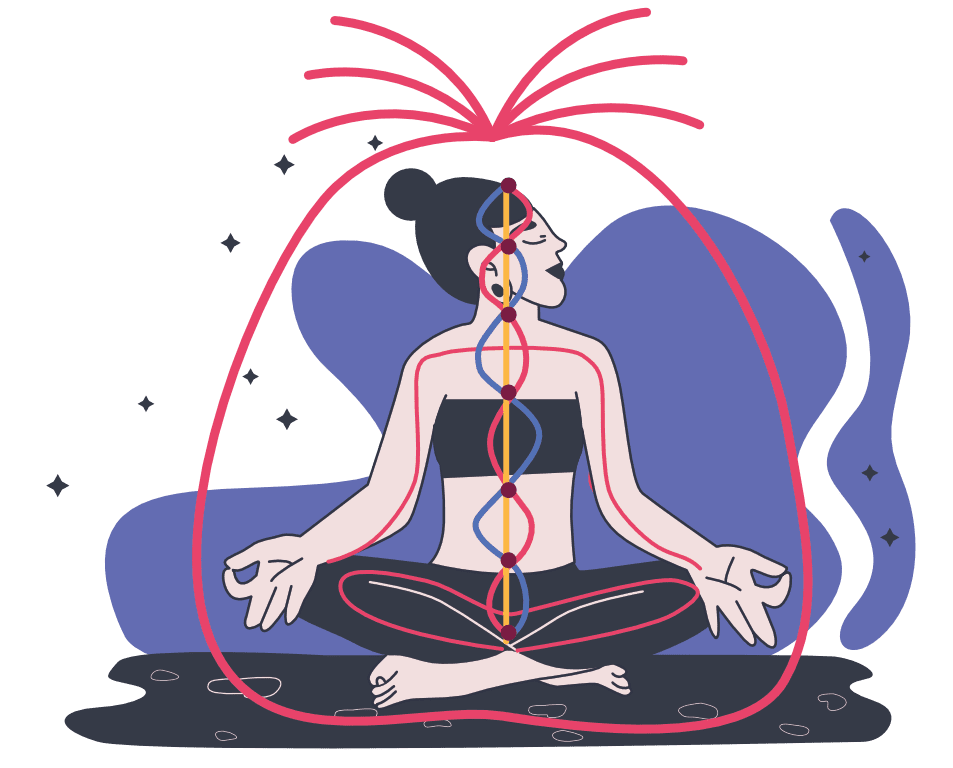
KOSHAS
Annamaya Kosha (Physical Body)
▼
Annamaya Kosha represents the physical body. Urdhva Padmasana strengthens the arm musculature, stretches the upper body and increases the hip flexibility.
Pranamaya Kosha (Energy Body)
▼
Pranamaya Kosha symbolizes the flow of energy. Urdhva Padmasana stimulates the Muladhara and Swadhisthana Chakra, supports the energy circulation in the lower body and fosters the flow of prana throughout the entire body.
Manomaya Kosha (Mental Body)
▼
Manomaya Kosha stands for our mind and our thoughts. Through the balance needed in Urdhva Padmasana, the mind learns to concentrate, let go of distraction and center itself in the posture.
Vijnanamaya Kosha (Intellectual Body)
▼
Vijnanamaya Kosha refers to intuition and understanding. Through the increased concentration and awareness that this posture fosters, one can dive deeper into meditation and gain more intuitive insights.
Anandamaya Kosha (Spiritual Body)
▼
Anandamaya Kosha represents our deepest joy and our true self. Urdhva Padmasana challenges us to go beyond our physical limits and lose ourselves in the ecstasy of the moment, which often leads to a feeling of bliss and deep contentment.
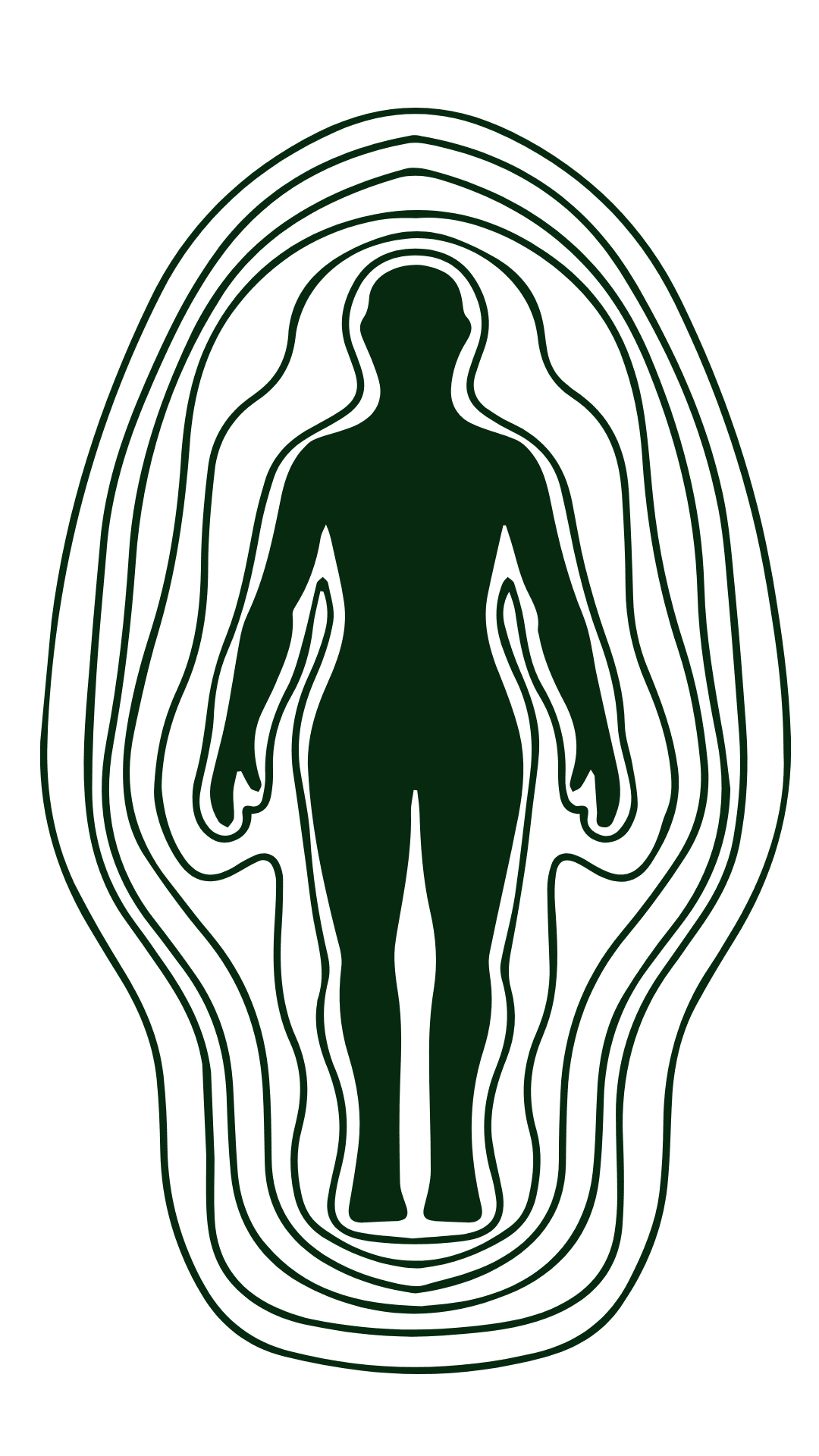
DOSHAS
Vata
▼
The inverted posture of Urdhva Padmasana increases the Vata dosha through the mobility and airiness of the pose. The legs in lotus lift the body into a dynamic balance, which can stimulate Vata types. To balance the energy, the asana should be practiced slowly and with a focus on grounding to avoid overstimulation.
Pitta
▼
The inversion of the blood circulation and the calming nature of the posture have a balancing effect on the Pitta dosha. The pose fosters a cooling energy and helps calm the mind, while still supporting the focus and discipline of the Pitta type. This reduces excess heat and stress.
Kapha
▼
Urdhva Padmasana reduces the Kapha dosha through the activation and inversion of energy flows. The pose requires strength and mobility, which helps release the typical Kapha heaviness. It enlivens the entire body and brings lightness into mind and body.

Key Information for Correct Execution
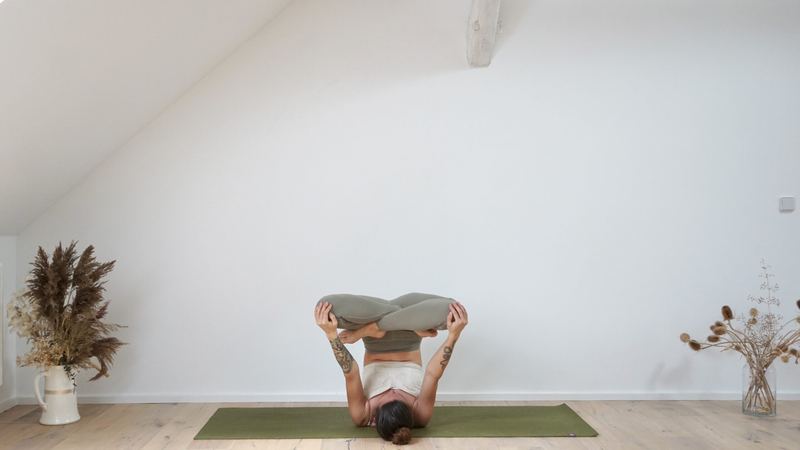
Meet Geraldine, a certified yoga teacher and psychology student who emphasizes mindfulness and alignment to inspire people toward a more peaceful life.
Common Mistakes
• Excessively forcing the posture, especially if you are not flexible enough. • Rounding the back or tensing the shoulders. • Not breathing mindfully during the posture.
Our Tip
Urdhva Padmasana requires flexibility in the hips and knees. It is important to practice this posture slowly and mindfully. If you have difficulty placing your legs into the lotus positions, try a simpler sitting posture instead that is more appropriate for your physical condition, and work slowly on improving your flexibility. Make sure to keep your spine upright and calm your breathing.
Physical Effect
Hip Opening
In Urdhva Padmasana, the legs are in an intense external rotation and flexion at the hips, whereby the musculature of the hip flexors, especially the iliopsoas and the inner thigh muscles, is stretched. This pose can help release tension in these areas, which is often caused by prolonged sitting or standing activities, and thus improve the mobility of the hip.
Strengthening the Core Musculature
Holding the upward lotus in a balanced position requires an active engagement and strengthening of the entire core area. The oblique abdominal muscles, the rectus abdominis and the deeper stabilizing muscles of the spine, such as the quadratus lumborum, are activated to keep the body stable and aligned. This fosters core strength, which is crucial for preventing injuries and supporting an upright posture.
Improvement of Breathing Capacity
Urdhva Padmasana also requires an elevation and expansion of the ribcage, which activates the intercostal muscles and the diaphragm. By concentrating on a deep and conscious breathing in this pose, one can increase the breathing capacity and improve the lung volume. This can have a positive effect on people who suffer from respiratory diseases or simply want to increase their breathing ability in daily practice or in sport.
Effects on Psyche and Emotions
Mental Freedom
The elevated posture of Urdhva Padmasana symbolizes the liberation of the mind from material attachments. By mastering this complex pose, one experiences a feeling of mental liberation and increases concentration.
Self-Confidence & Courage
Urdhva Padmasana requires not only flexibility but also courage and self-confidence. Through regular practice, one develops a stronger self-awareness and an increased trust in one's own abilities.
Deeper Meditation
The lotus is a traditional symbol for purity and spiritual enlightenment. Urdhva Padmasana, with its upward-directed lotus, fosters a deeper meditation and connection to the higher self. It opens the heart and enables an unhindered flow of prana (life energy).
Props
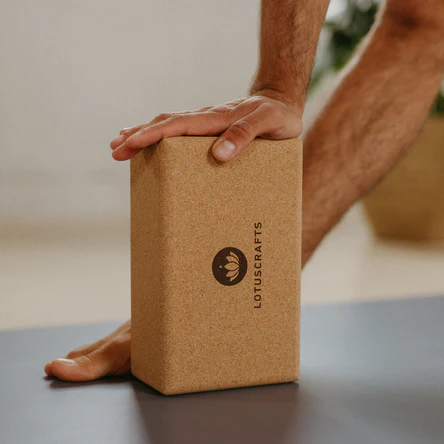
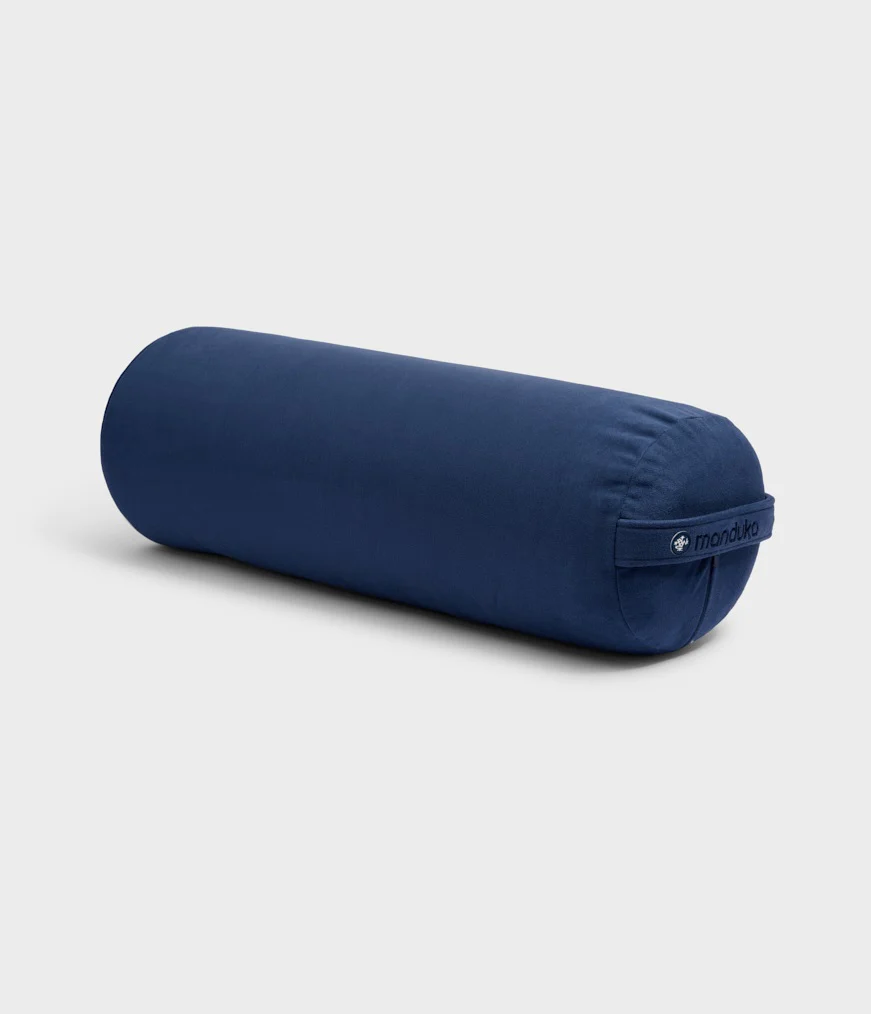
Also interesting!
Author of this Asana
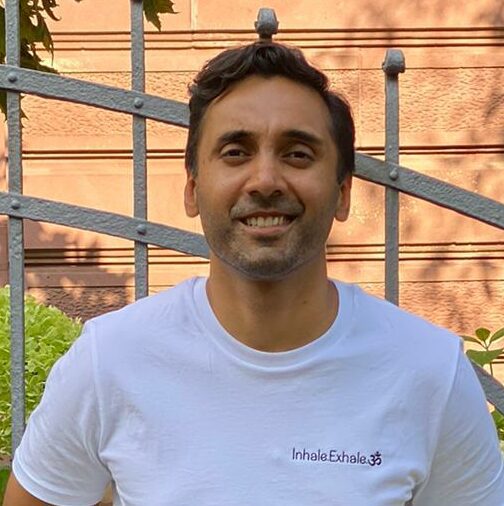
Manish Rana is a certified yoga teacher and founder of asanaverse.de. He writes about topics around yoga, ayurveda and meditation. Manish owes his deep connection to yoga to his Indian roots, through which he came into contact with this practice early on.
Learn more about our team here →DISCOVER MORE
More Inversions
Get our free ebook with 108 asanas now!
With great care and passion, we have selected and described 108 of the most important asanas for you in detail!
Perfect for your practice and cues ;)
Thank you for being here!
Thank you for being here and being part of this ever-evolving platform! We strive to keep growing and improving.
Your feedback is invaluable. Namasté 🙏
Comments feature coming soon. 💬
Guide
Browse our guide now
Accessible Yoga Mobility: Chair Yoga and Inclusive Asanas for All Bodies
Ahimsa – Gewaltlosigkeit als Fundament des Yoga und Lebens
Yoga Sutras zusammengefasst – Kapitel 2 (Sadhana Pada): Pfad der Praxis
Meditation bei Überforderung und Angststörung: Achtsam bleiben in turbulenten Zeiten
12 Wege, das Sitzen in der Meditation zu erleichtern — Stabiler sitzen, tiefer meditieren
Brahmacharya: Quelle des Lebens für mehr Lebenskraft und Vitalität