Salamba Sarvangasana
Supported Shoulderstand
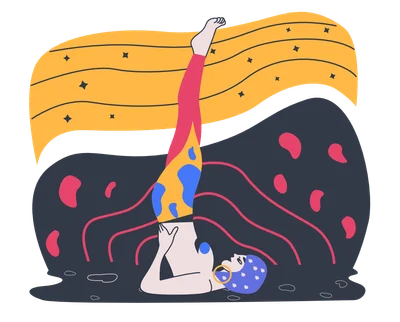
Shine with us in the gentle glow of the Salamba Sarvangasana Uncovered. Like the moonlit pillar touching the stars, the supported shoulderstand pose brings renewal and rejuvenates the mind.
Category: Inversions
Inversions are asanas in which you gently stretch muscles and joints. They promote suppleness and mobility. Breathing in Inversions has a relaxing effect: you supply your muscles with oxygen and release tension.
VAYUS
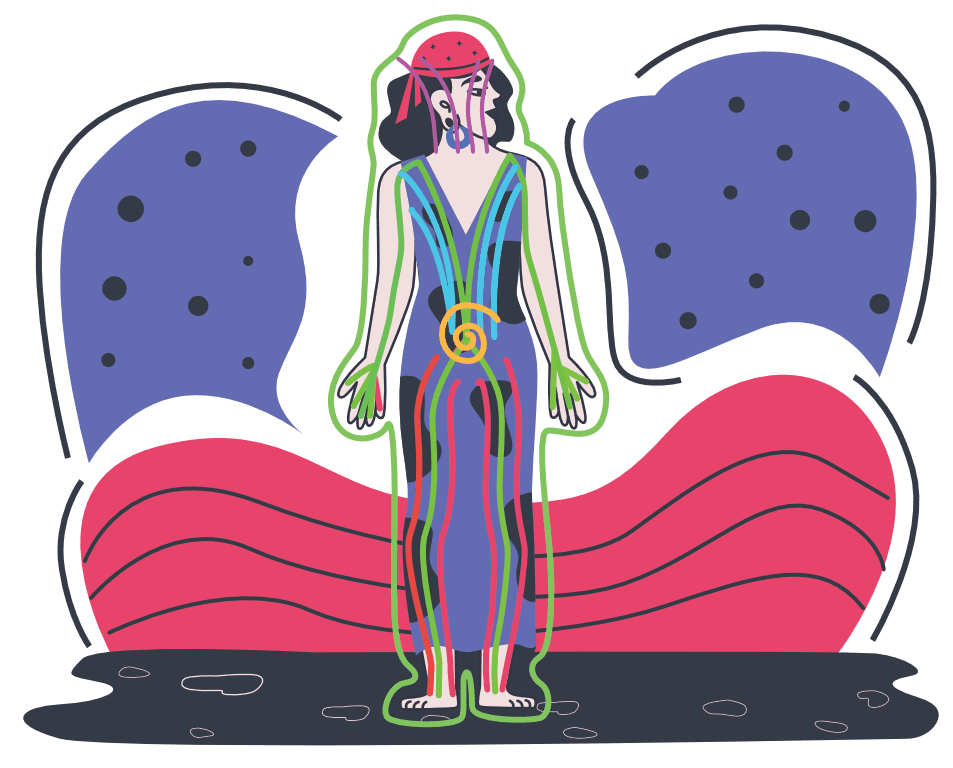
Each of the five Prana Vayus plays an essential role in our body and mind. They move and direct energy in specific directions, each with its own special area of influence and function. Supported Shoulderstand has its own unique effects on these vayus.
Udana Vayu – Ascending Energy
▼
In the shoulderstand, the upward-directed energy of Udana Vayu is strongly activated. The inverted posture fosters the circulation of energy toward the head and neck, which supports clarity and mental elevation. Udana Vayu works here to strengthen the connection between the physical and subtle body, which makes the pose ideal for focus and spiritual growth.
Vyana Vayu – Energy Distribution
▼
The even extension of the body in Salamba Sarvangasana activates Vyana Vayu, which is responsible for the spreading of energy throughout the entire body. This pose harmonizes the flow of energy through the limbs and the torso and supports the integration and coordination between the various body parts.
Apana Vayu – Grounding Force
▼
Despite the inverted posture, Apana Vayu, the downward-directed energy, is supported through the conscious stabilization of the pelvis and the activation of the lower body parts. This helps release excess tension and maintain a deep grounding even in the upright posture.
CHAKRAS
Vishuddha Chakra (Throat Chakra)
▼
Located in the area of the throat, the Vishuddha Chakra is the center of communication and self-expression. In the shoulderstand position, there is a slight compression and stimulation of this region, which can strengthen the ability to communicate. It is responsible for the sense of hearing and influences how we receive and pass on messages.
Ajna Chakra (Brow Chakra)
▼
The Ajna Chakra is located between the eyebrows and is the center of intuition and insight. In Salamba Sarvangasana, this chakra is energized through the increased blood flow to the head, which can foster clarity and inner wisdom. Qualities of this chakra are imagination and intuition, which function like an inner seeing.
Sahasrara Chakra (Crown Chakra)
▼
Located at the crown of the head, the Sahasrara Chakra represents the spiritual center and our connection to the divine or to the universe. In the inverted posture of Salamba Sarvangasana, this chakra is especially emphasized, as one feels closer to the sky. The opening of the Sahasrara Chakra can foster a feeling of unity and peace.
KOSHAS
Annamaya Kosha (Physical Body)
▼
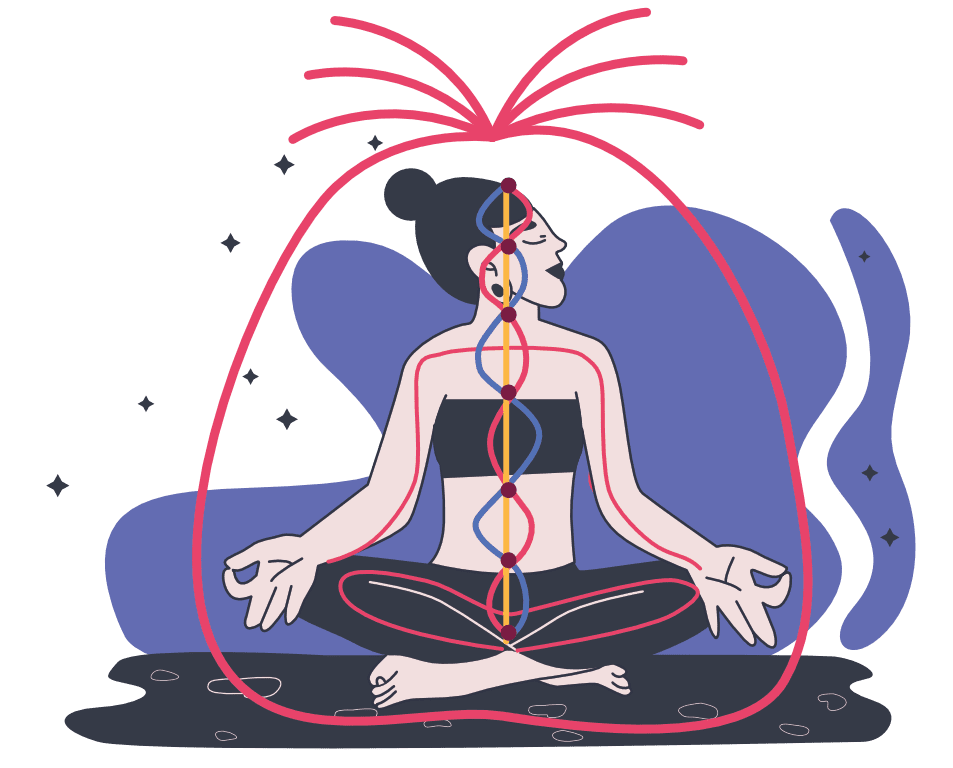
Annamaya Kosha represents our physical body. Salamba Sarvangasana strengthens the shoulders, the back and the neck and at the same time fosters a healthy thyroid function.
Pranamaya Kosha (Energy Body)
▼
In this inverted posture, the heart is relieved, and the blood flows more easily back to the heart, whereby the circulating prana is revitalized.
Manomaya Kosha (Mental Body)
▼
Salamba Sarvangasana helps calm the mind and reduce fears, and at the same time fosters concentration and focus.
Vijnanamaya Kosha (Intellectual Body)
▼
Through the conscious alignment and posture in Salamba Sarvangasana, a deep body awareness is fostered that leads to increased self-perception and self-understanding.
Anandamaya Kosha (Spiritual Body)
▼
The calm holding in Salamba Sarvangasana, paired with deep breathing, can evoke a feeling of inner peace and bliss.
DOSHAS
Vata
▼
This asana can increase the Vata dosha if it is not held correctly or too long, as it stimulates the mind. It is important that Vata-dominant people stay grounded and stable when practicing inversions.
Pitta
▼
The supported shoulderstand cools the body and can thus reduce the Pitta dosha. It is especially helpful for reducing the “heat” that is often found in Pitta types.
Kapha
▼
Salamba Sarvangasana reduces the Kapha dosha. The asana fosters circulation and movement, which is helpful for overcoming the heaviness and sluggishness that Kapha-dominant people often experience.

Key Information for Correct Execution
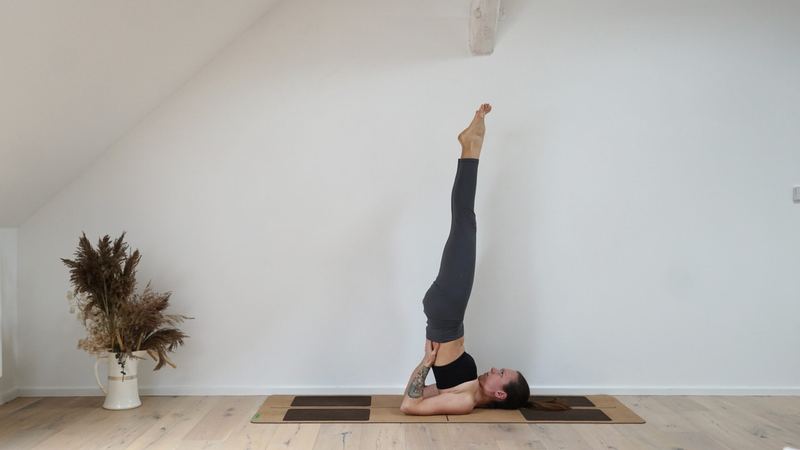
Meet Geraldine, a certified yoga teacher and psychology student who emphasizes mindfulness and alignment to inspire people toward a more peaceful life.
Common Mistakes
Turning the head, not sufficiently warmed up, uncontrolled swinging up of the legs.
Our Tip
Always take this pose slowly and in a controlled way and follow the instructions carefully. If you are unsure, it would be better to perform the shoulderstand under the guidance of a yoga teacher.
Variations
As a variation, you can practice the seal of inversion (Viparita Karani). Advanced practitioners can hold the pose for 5 minutes or longer. If you feel secure, you can test different leg variations.
Physical Effect
Lymph Flow Activation
Salamba Sarvangasana effectively supports the lymphatic system, as the legs are raised above the heart. This fosters the return flow of the lymph fluid from the lower extremities back to the heart. The lymphatic system, which is crucial for detoxification and immune defense, is thereby stimulated and optimized.
Nervous System Calming
The position of the head below the heart during the shoulderstand positively affects the vagus nerve, a main nerve of the parasympathetic nervous system. This activation of the vagus nerve fosters the body's “rest and digest” response, whereby stress and tension can be reduced. In addition, the cervical vertebrae are relieved and the neck musculature is strengthened.
Gland Stimulation
The inverted posture in Salamba Sarvangasana exerts gentle pressure on the thyroid in the throat area, which can stimulate and regulate its function. A balanced thyroid hormone level is important for many physical processes, including the metabolism. At the same time, the pancreas can also be stimulated through the position, which has a positive effect on insulin production and sugar metabolism.
Effects on Psyche and Emotions
Inner Calm
Salamba Sarvangasana, often known as the shoulderstand, fosters a deep inner calm and soothing. Through redirecting the blood flow to the heart and brain, the thoughts can be soothed and a feeling of peace evoked.
Self-Perception
In the shoulderstand, many body parts – from the toes to the neck – are in one line. This requires a high measure of body awareness and fosters an improved self-perception.
Trust & Letting Go
Although it is a supporting position, Salamba Sarvangasana requires trust in one's own body and the ability to let go. Lifting the lower body while balancing on the shoulders can be frightening at first.
Props
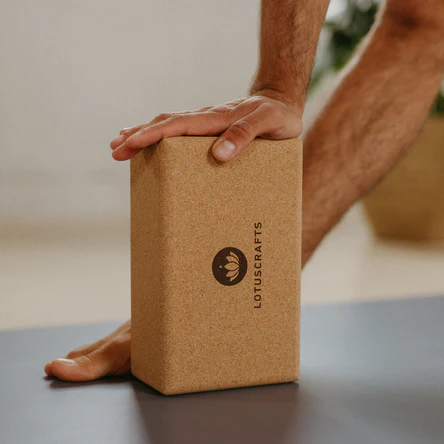
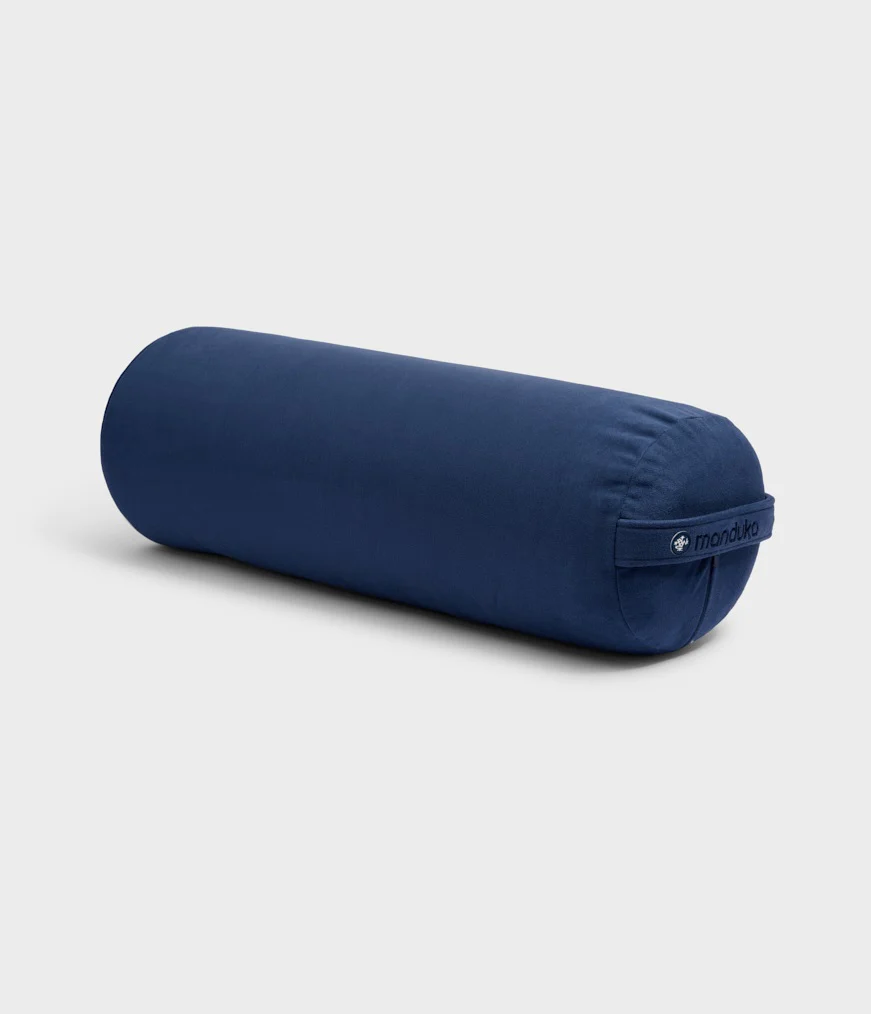
Also interesting!
Author of this Asana
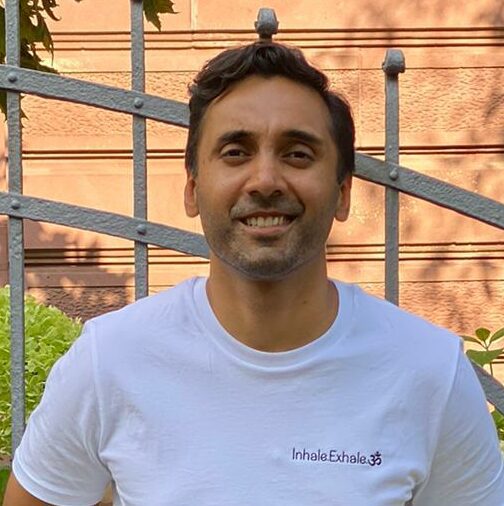
Manish Rana is a certified yoga teacher and founder of asanaverse.de. He writes about topics around yoga, ayurveda and meditation. Manish owes his deep connection to yoga to his Indian roots, through which he came into contact with this practice early on.
Learn more about our team here →DISCOVER MORE
More Inversions
Get our free ebook with 108 asanas now!
With great care and passion, we have selected and described 108 of the most important asanas for you in detail!
Perfect for your practice and cues ;)
Thank you for being here!
Thank you for being here and being part of this ever-evolving platform! We strive to keep growing and improving.
Your feedback is invaluable. Namasté 🙏
Comments feature coming soon. 💬
Guide
Browse our guide now
Accessible Yoga Mobility: Chair Yoga and Inclusive Asanas for All Bodies
Ahimsa – Gewaltlosigkeit als Fundament des Yoga und Lebens
Yoga Sutras zusammengefasst – Kapitel 2 (Sadhana Pada): Pfad der Praxis
Meditation bei Überforderung und Angststörung: Achtsam bleiben in turbulenten Zeiten
12 Wege, das Sitzen in der Meditation zu erleichtern — Stabiler sitzen, tiefer meditieren
Brahmacharya: Quelle des Lebens für mehr Lebenskraft und Vitalität